Nocturne
- Irene Crowe
- 14 Oct—8 Nov 2026
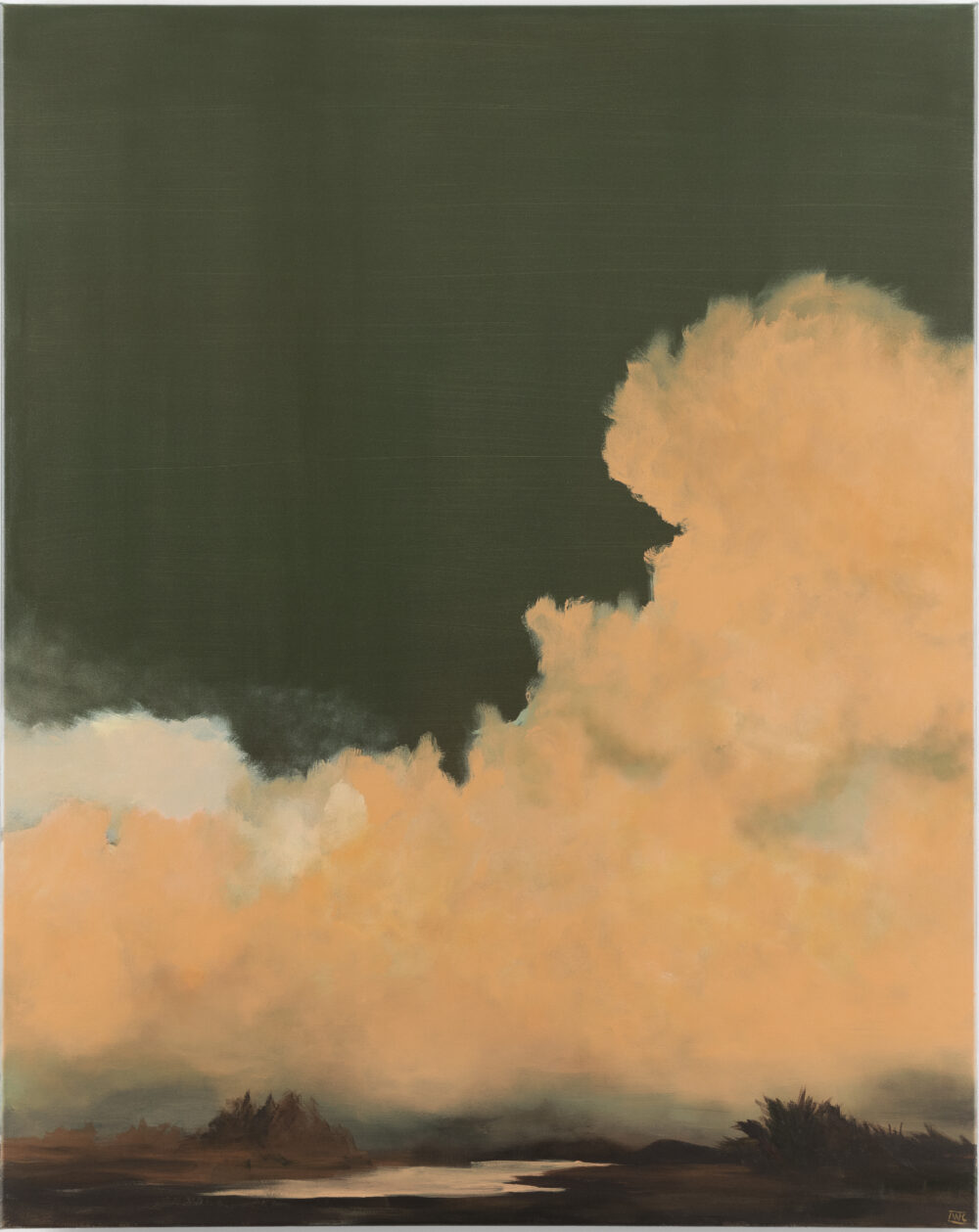
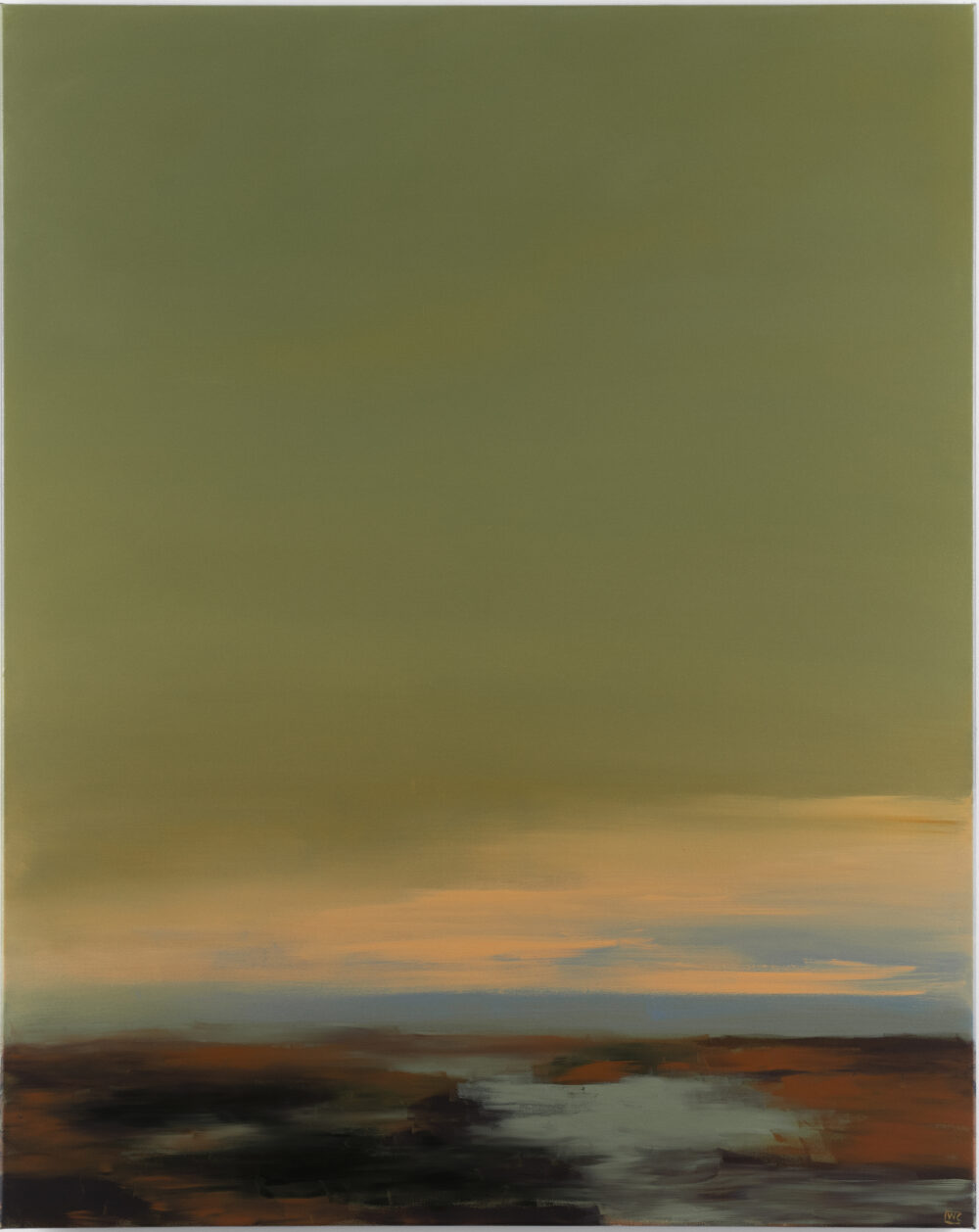
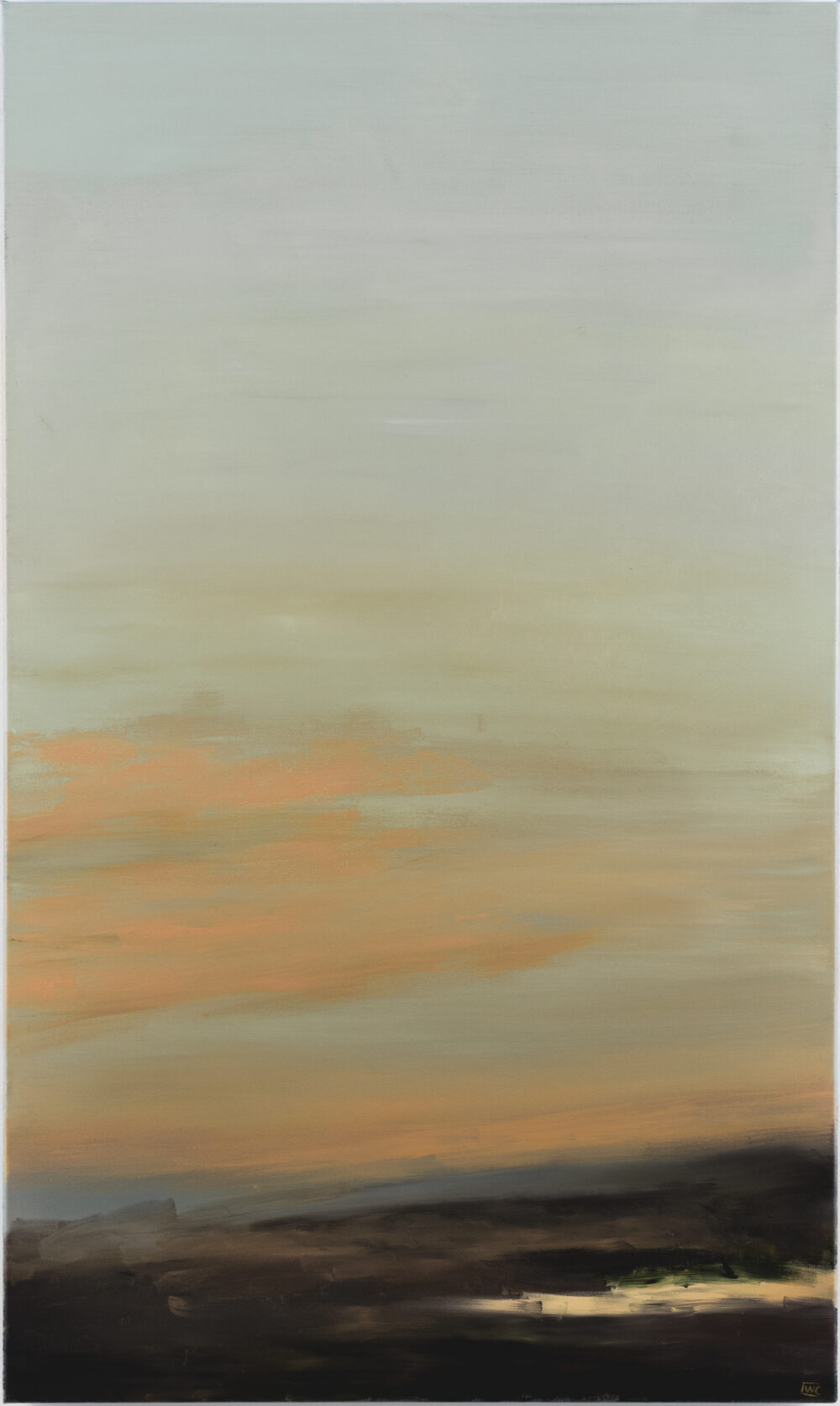
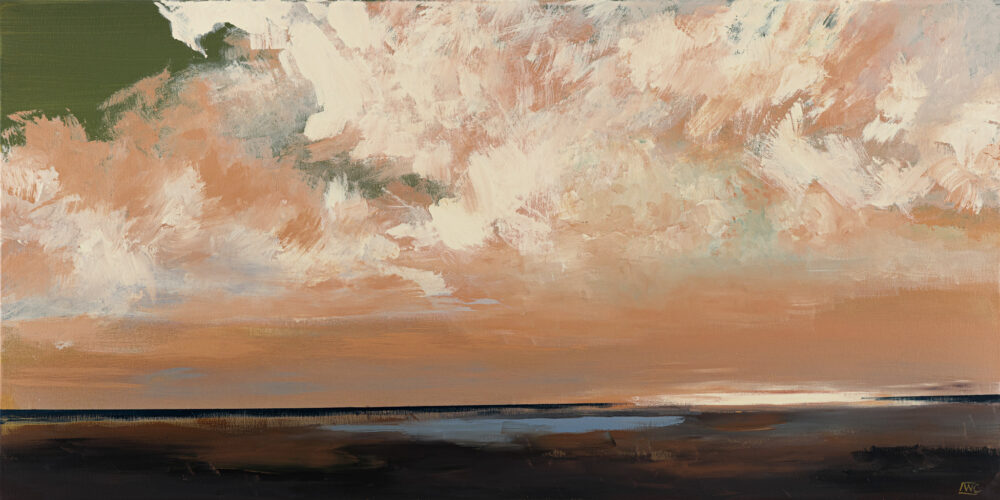
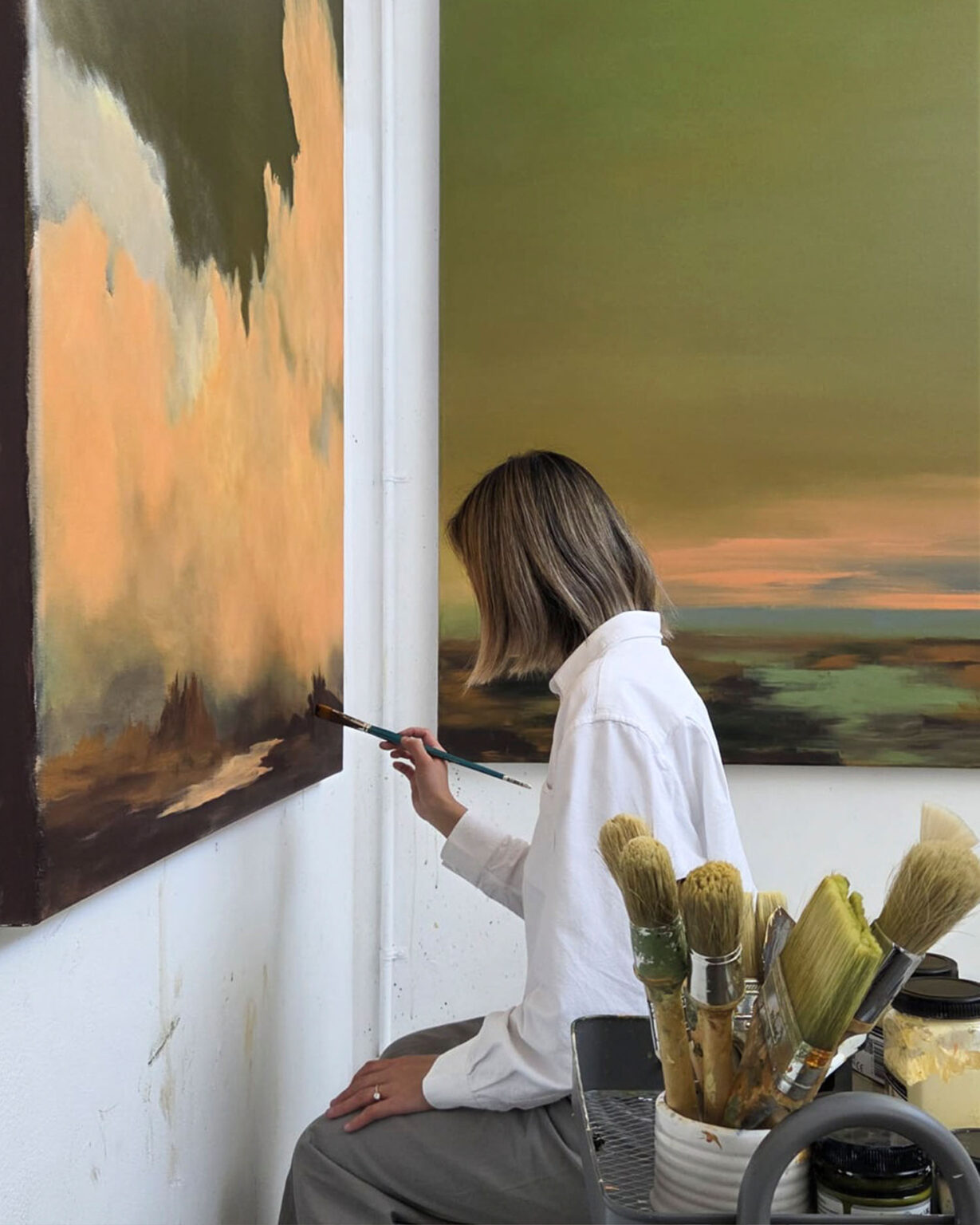
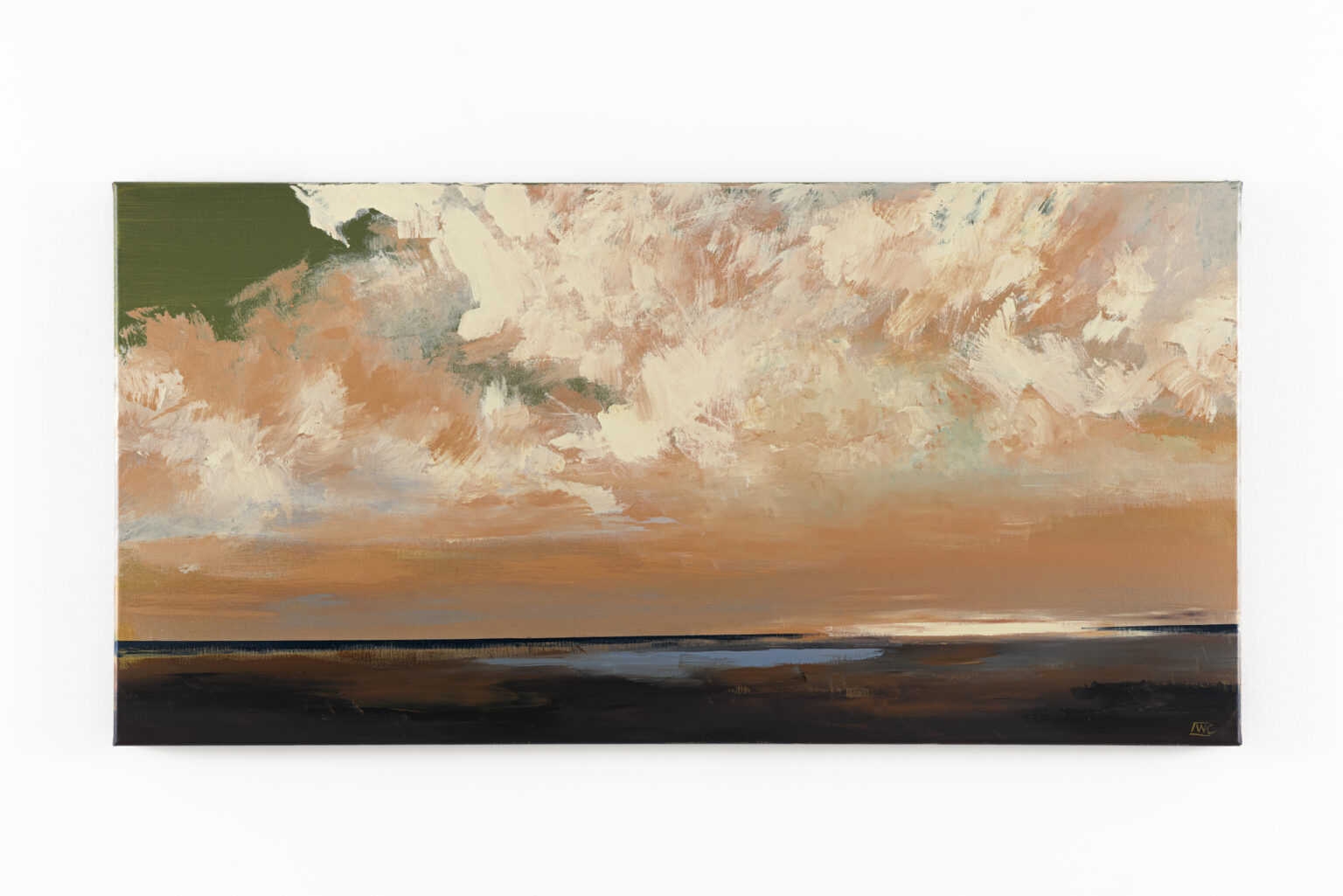
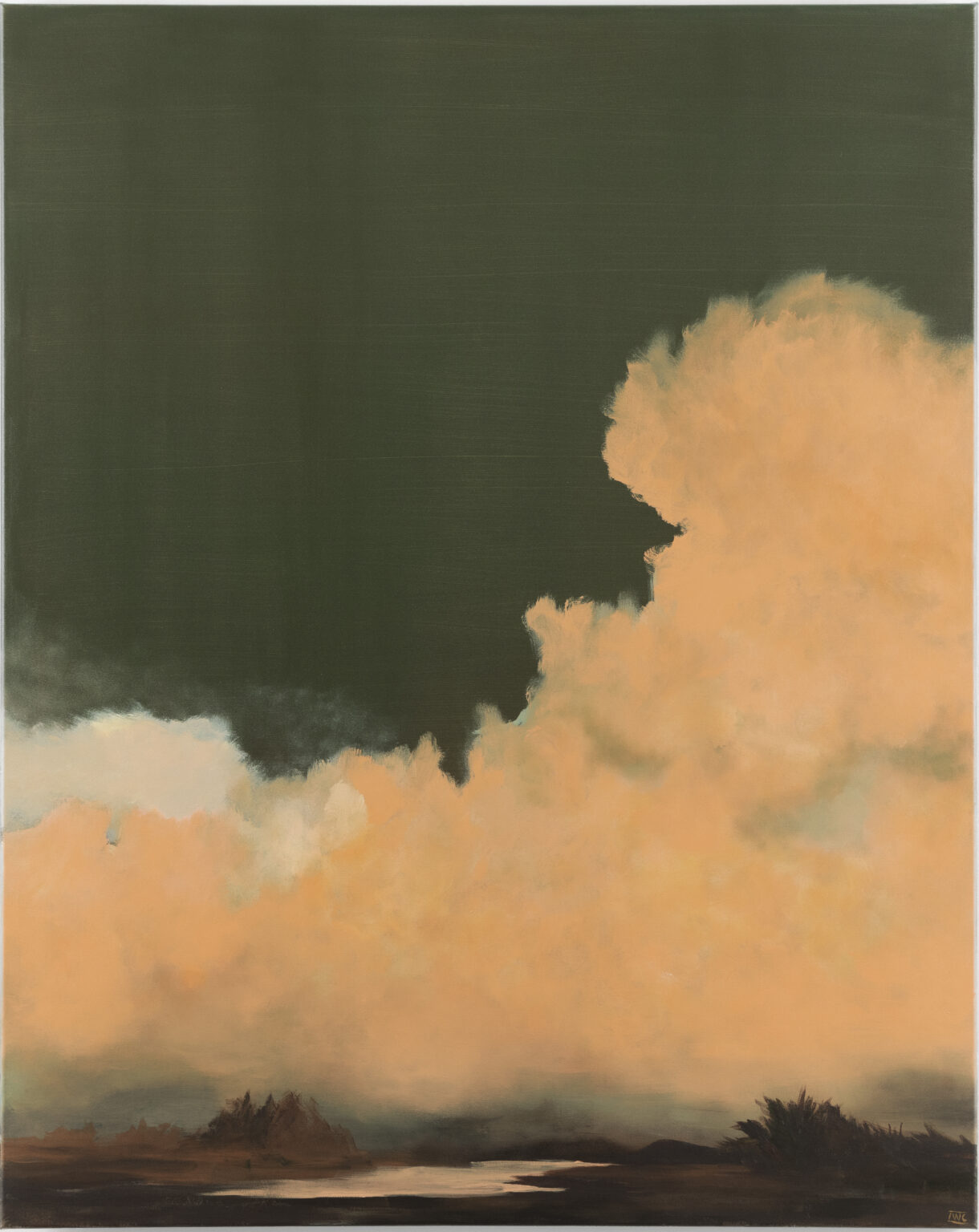
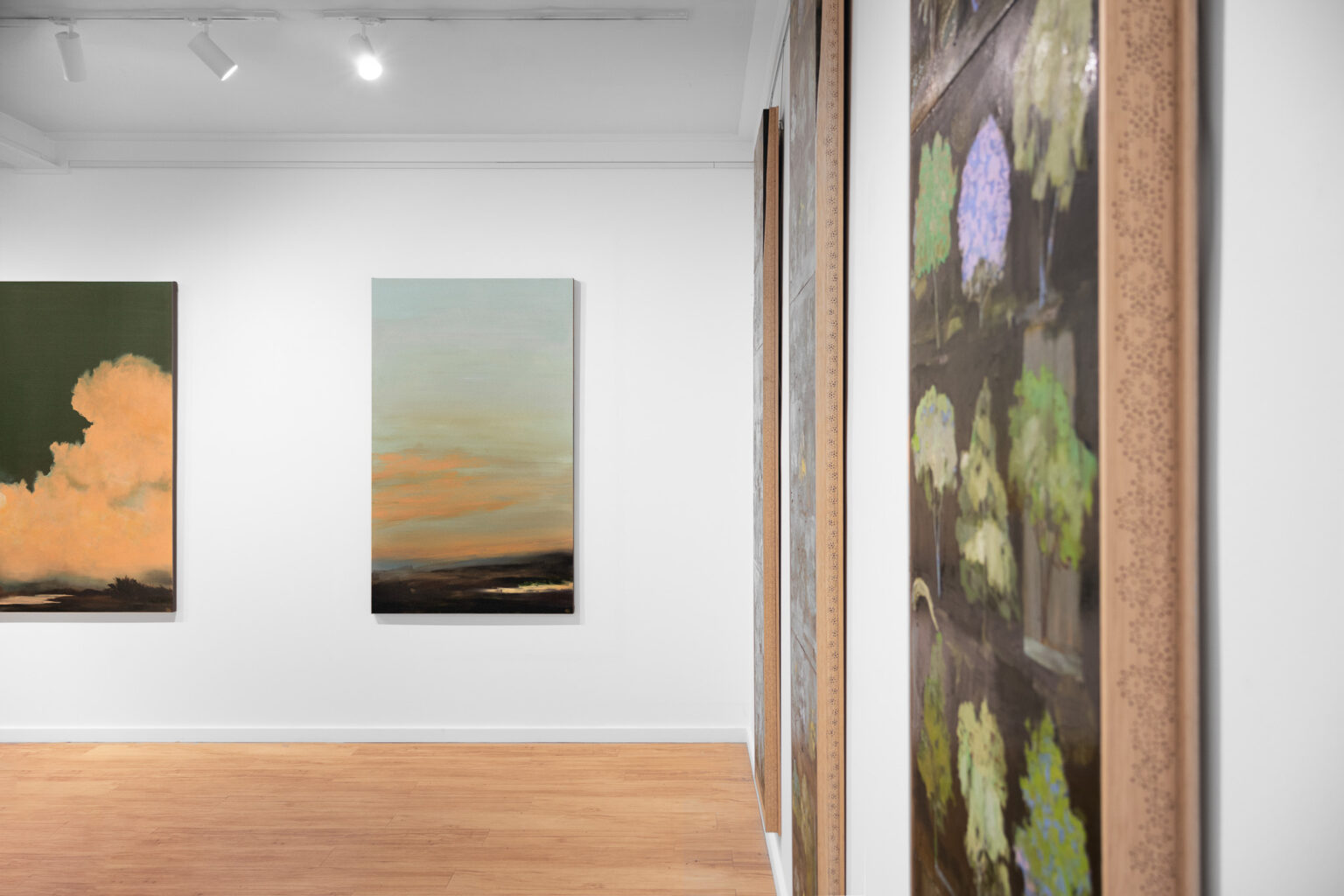
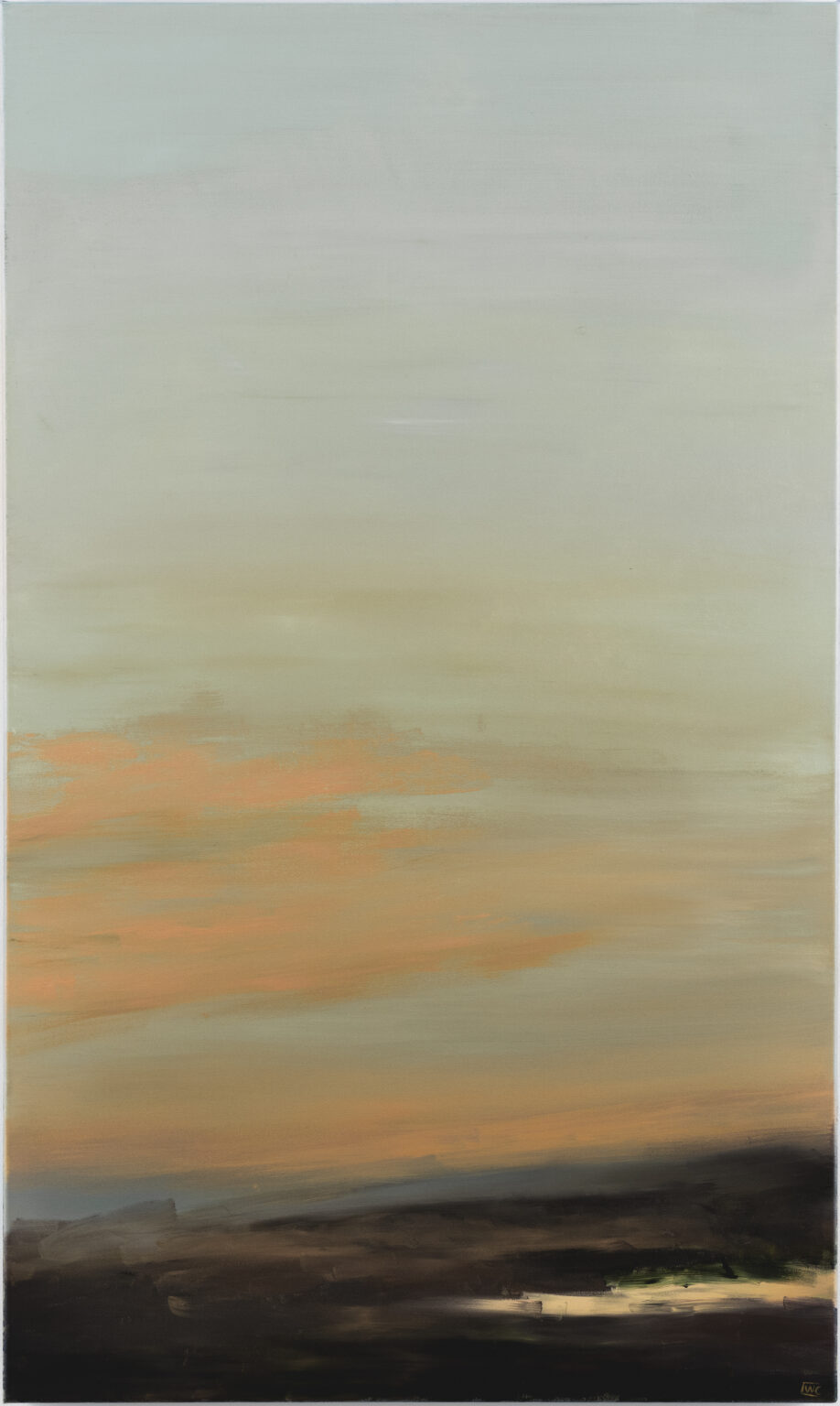
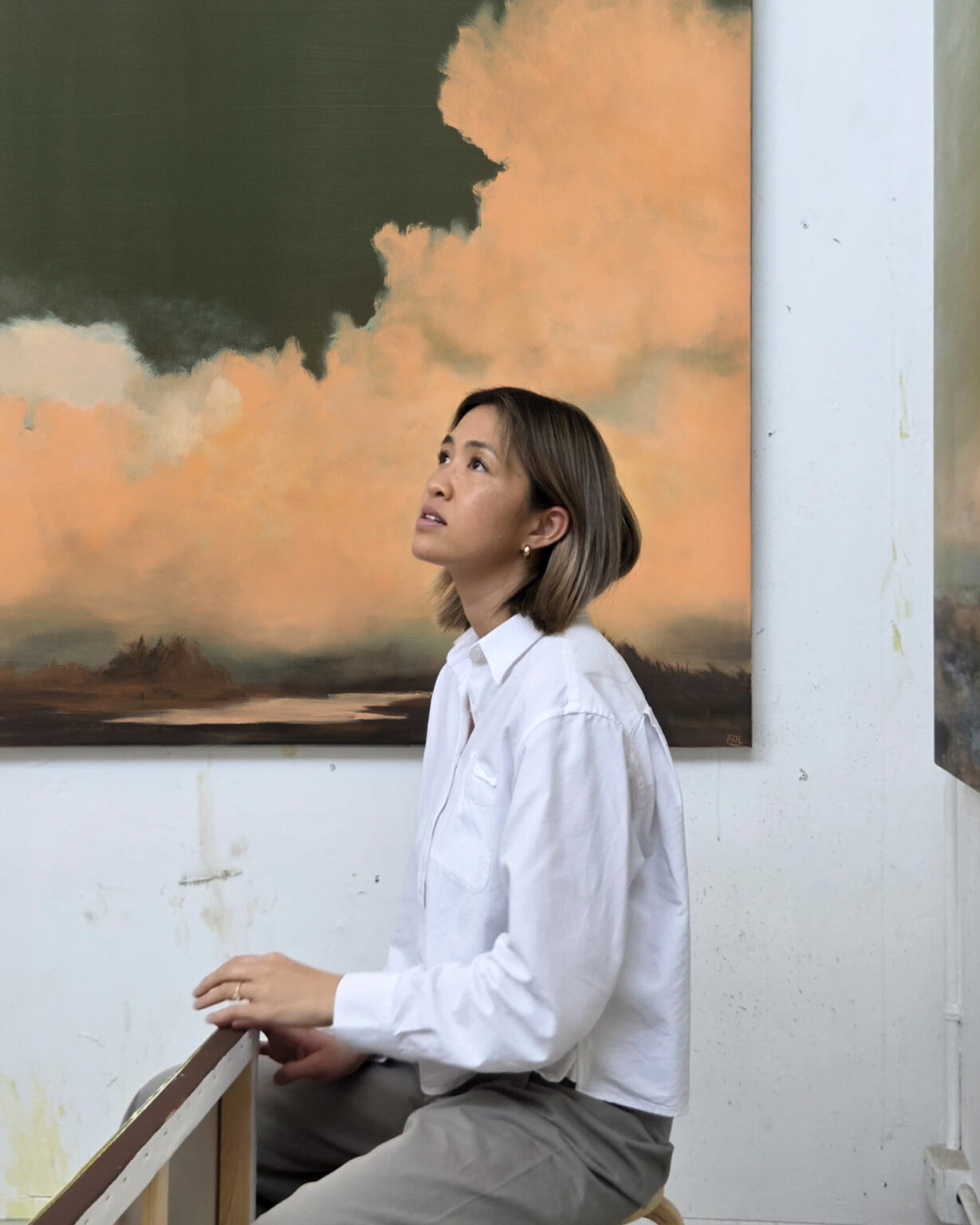
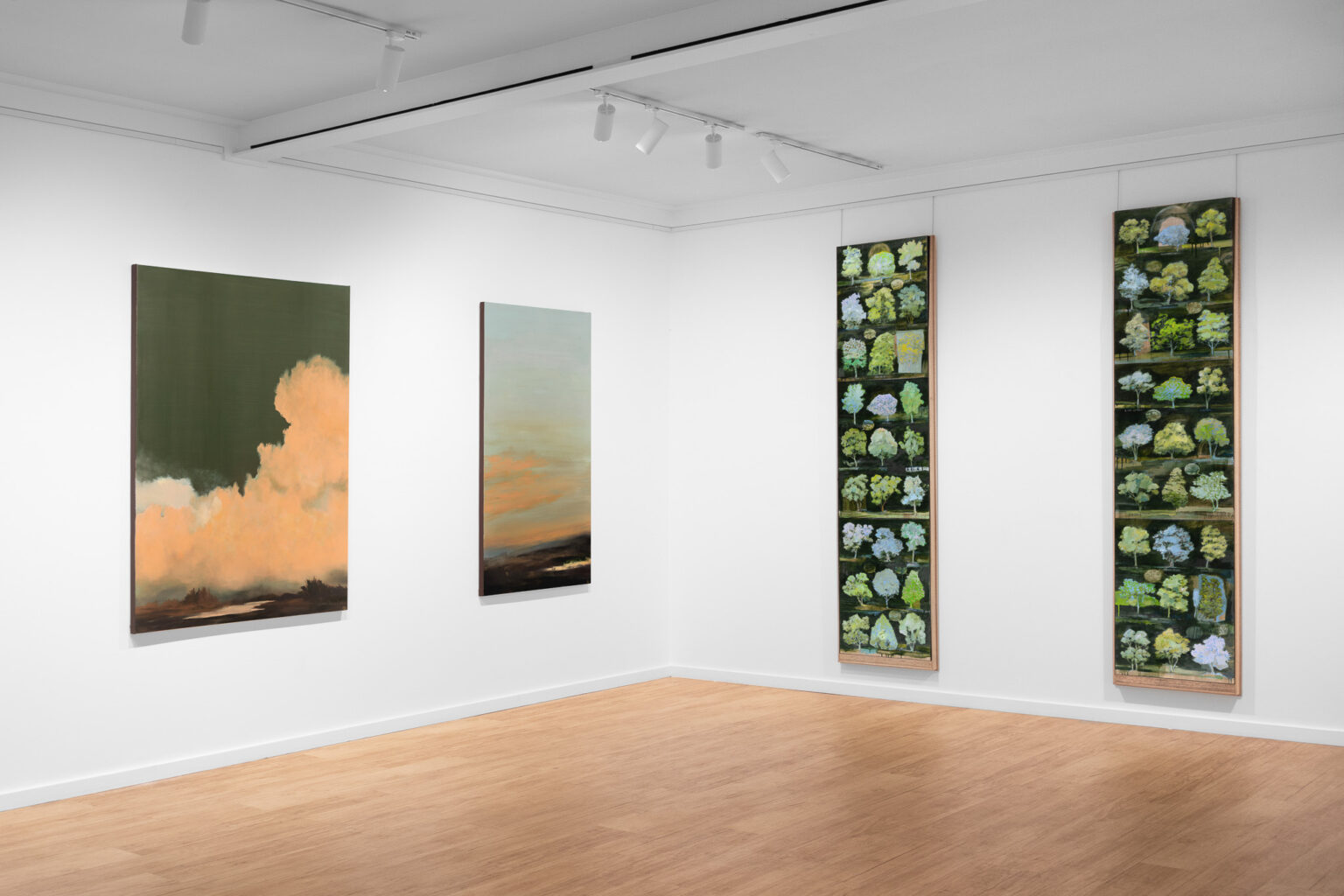
Irene Crowe’s work takes as its subject golden-hour landscapes: clouds, both billowing and feathery, floating above umber horizontal strips of earth. Abstracted to the point of non-specificity, these landscapes hover between the particularity of a remembered view and the suggestive openness of a tonally diffuse image.
The paintings in Nocturne, like those in the artist’s earlier series Prelude, presented at Michael Reid Murrurundi in May this year, draw on views from her former home in Drummoyne, Sydney, overlooking Spectacle and Cockatoo Islands. “The skies overlooking the harbour here are like no other and the light fades in the most dynamic way,” she writes of her companion work, Shelter II, currently showing in the Paddington Art Prize.
Crowe’s honey-hued and apricot skies reflect on the experience of leaving a familiar place, and on how its particularities gradually loosen in memory. “This year, we moved out of our apartment in favour of a larger space. It suddenly dawned on me that I would never experience the beautiful skies and light I had grown so familiar with.”
Painting becomes, in this sense, a form of record-keeping: an attempt to preserve on canvas something that might otherwise fade from memory.
Crowe grew up in a migrant family in which, she recalls, artmaking was not considered a viable career. She went on to study legal history and culture at university, but continued to draw and attend painting classes, gradually finding her way towards the medium that had once intimidated her.
“In my early years, I sketched with felt-tip and pencil, mostly buildings and landscapes (in small format), capturing all the awe-inspiring places that I had travelled to. I had also attended painting classes held by other artists (like Sally Ryan, Lorraine Loots and Claudia Rilling) as I was eager to learn; however, I was always intimidated by the medium of paint, by the precision of colour mixing and how unforgiving it can be sometimes. My experiences being around other creatives inspired me to experiment. So one day, I decided to work more fluidly with paint over a large canvas and it was incredible. The act of layering over the canvas became a personal unburdening where each mark unleashed both difficult and healthy emotions, balancing each other, giving equal weight and permission to occupy the same space.”