


Irene Crowe
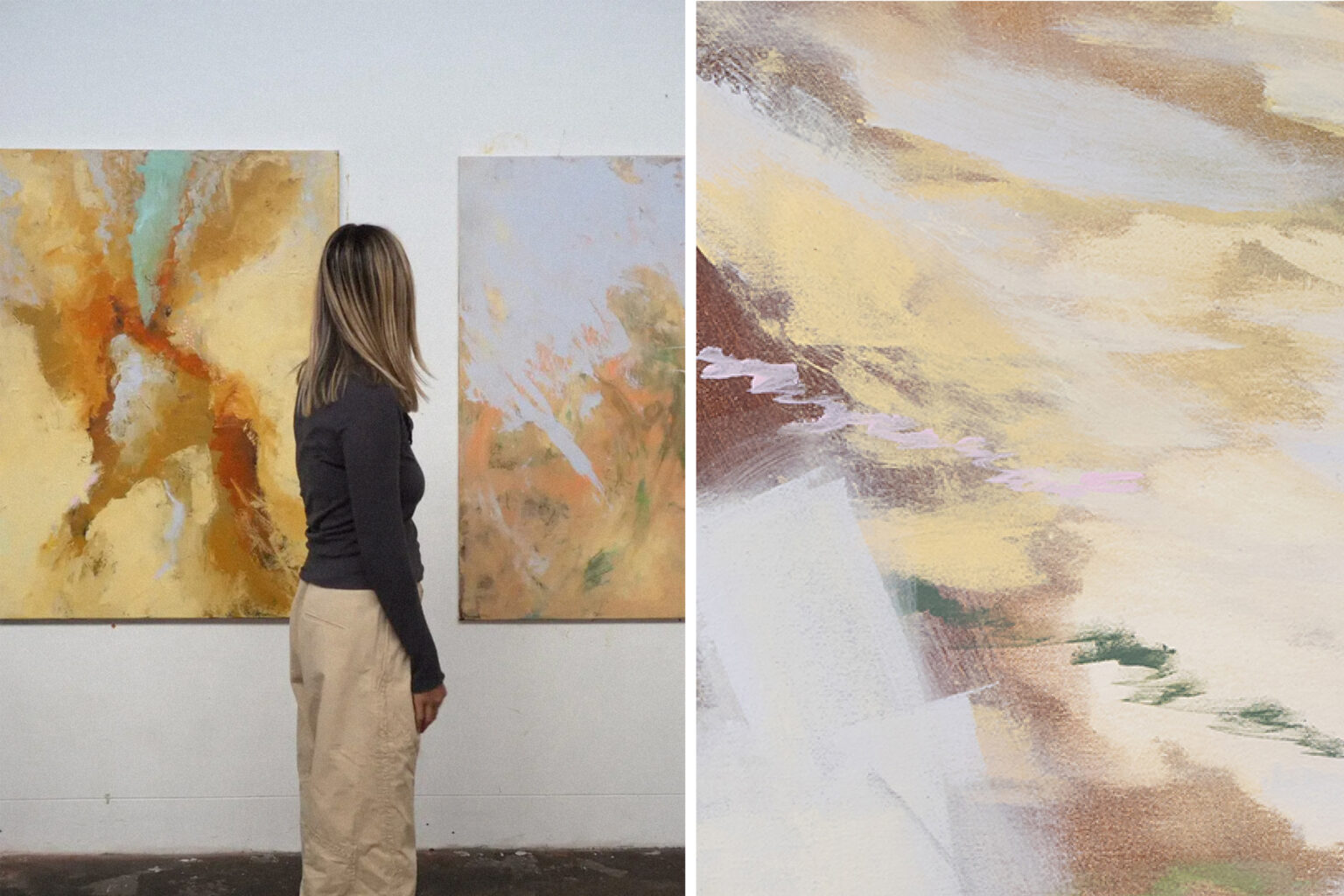
Irene Crowe is a Sydney-based painter whose work emerges from a deeply felt enquiry into perception, memory, and the emotional life of landscape. A child of a migrant family, Crowe came to painting by degrees: first through an academic engagement with legal history and culture, then through drawing, and finally through the more fluid, intuitive possibilities of paint itself. Her practice holds these strands together. The paintings begin with dripped acrylic, charcoal-infused washes, and loose accumulations of gesture, through which the image gradually surfaces—less constructed than discovered, as though developing in emulsion.
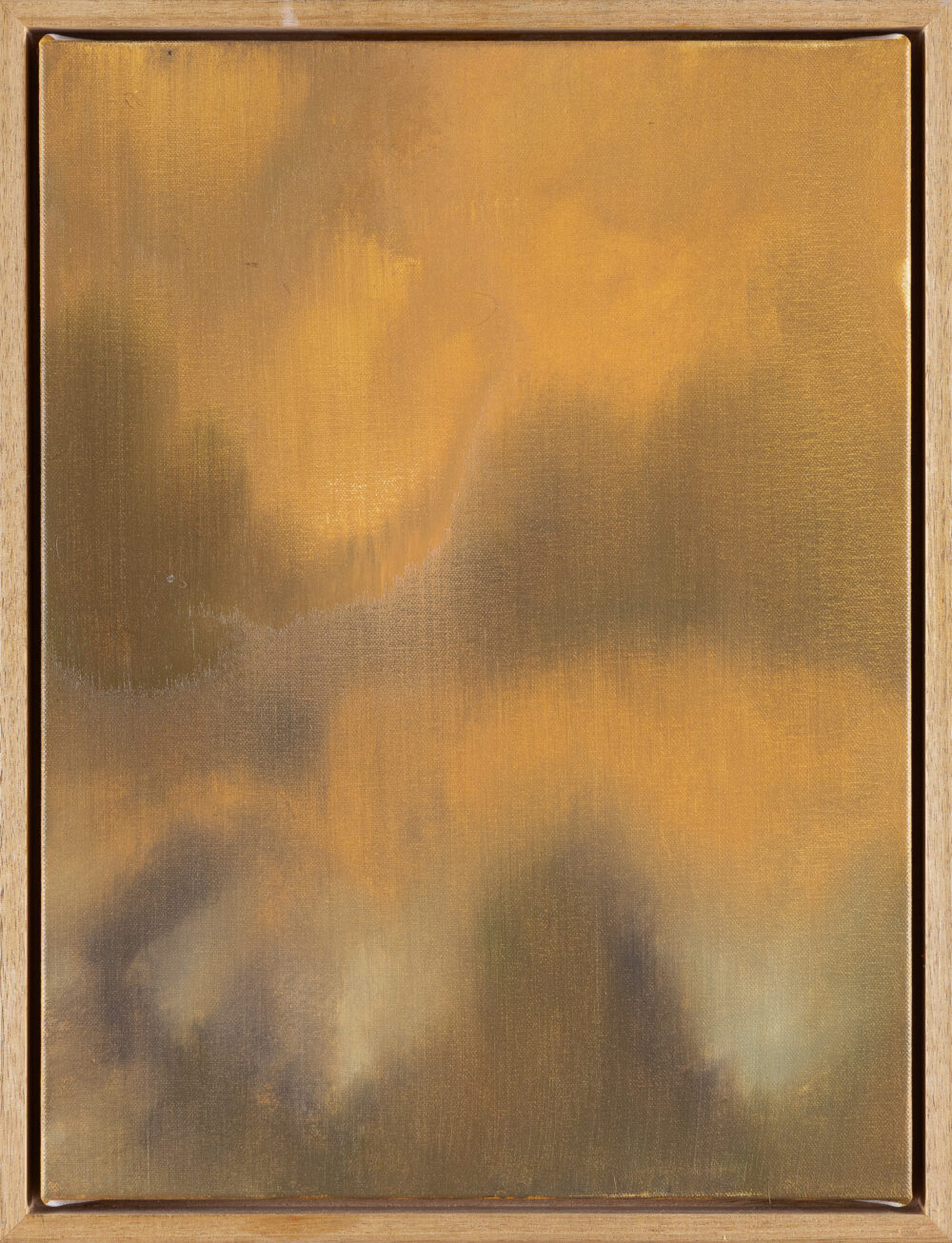
The tonal landscapes gathered here were shaped during a turbulent period in the artist’s life, in the wake of motherhood, when painting had to be returned to with renewed purpose. In these works, Crowe reflects on a contemporary experience of nature increasingly mediated by screens: landscapes remembered as digital impressions rather than encountered in person, Hence their blurred, half-remembered quality—the sense of a place both familiar and just beyond reach.
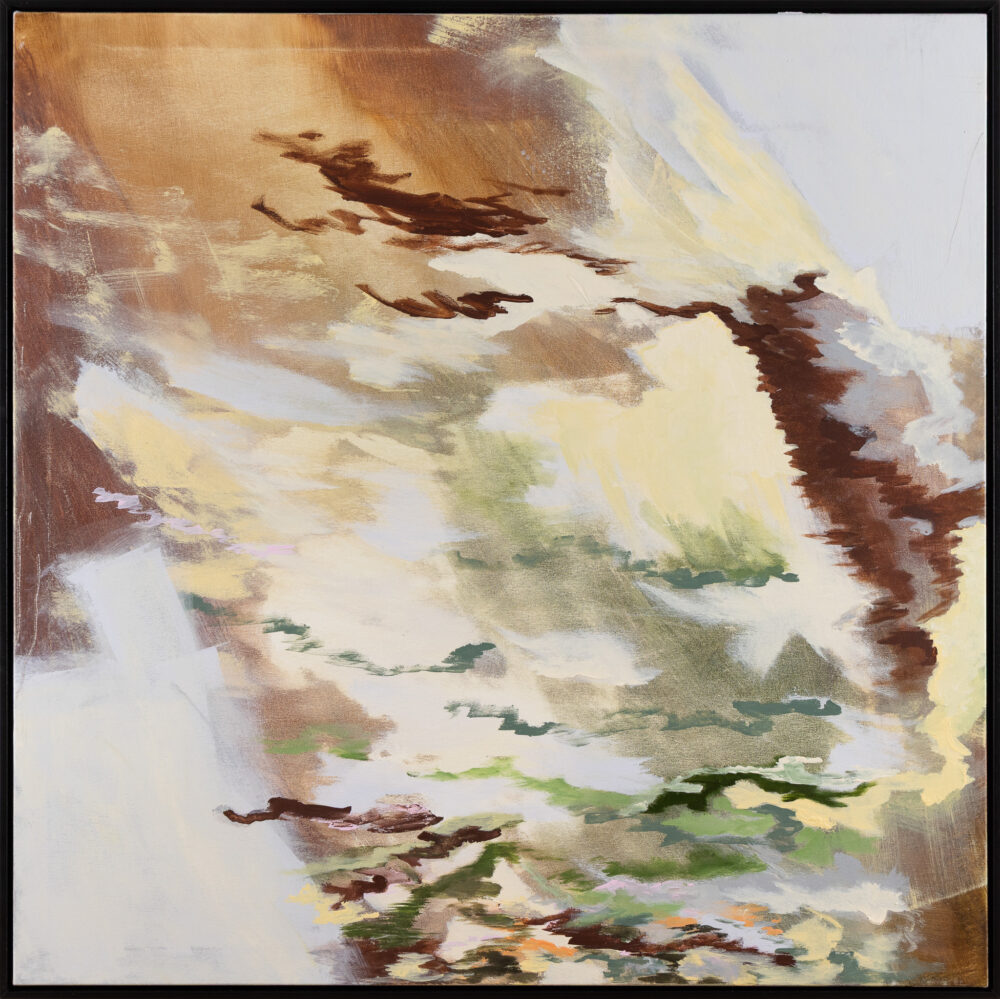
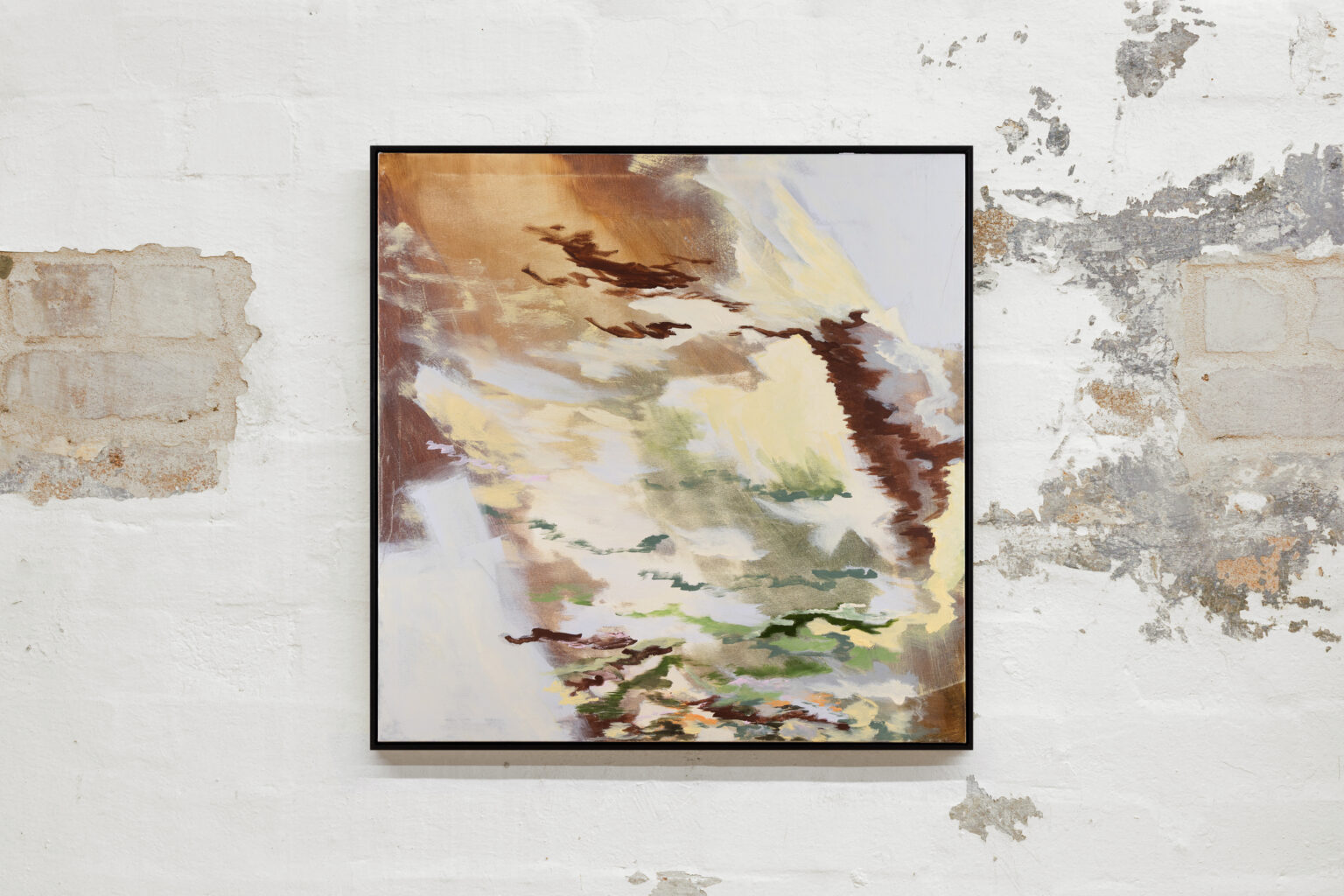
In these ‘cloudscapes’, light seems to permeate the surface from within, while in the larger abstractions the mark-making grows more direct, at times recalling the restless tracery of scribbly gum, introducing a tensile energy into these otherwise meditative fields
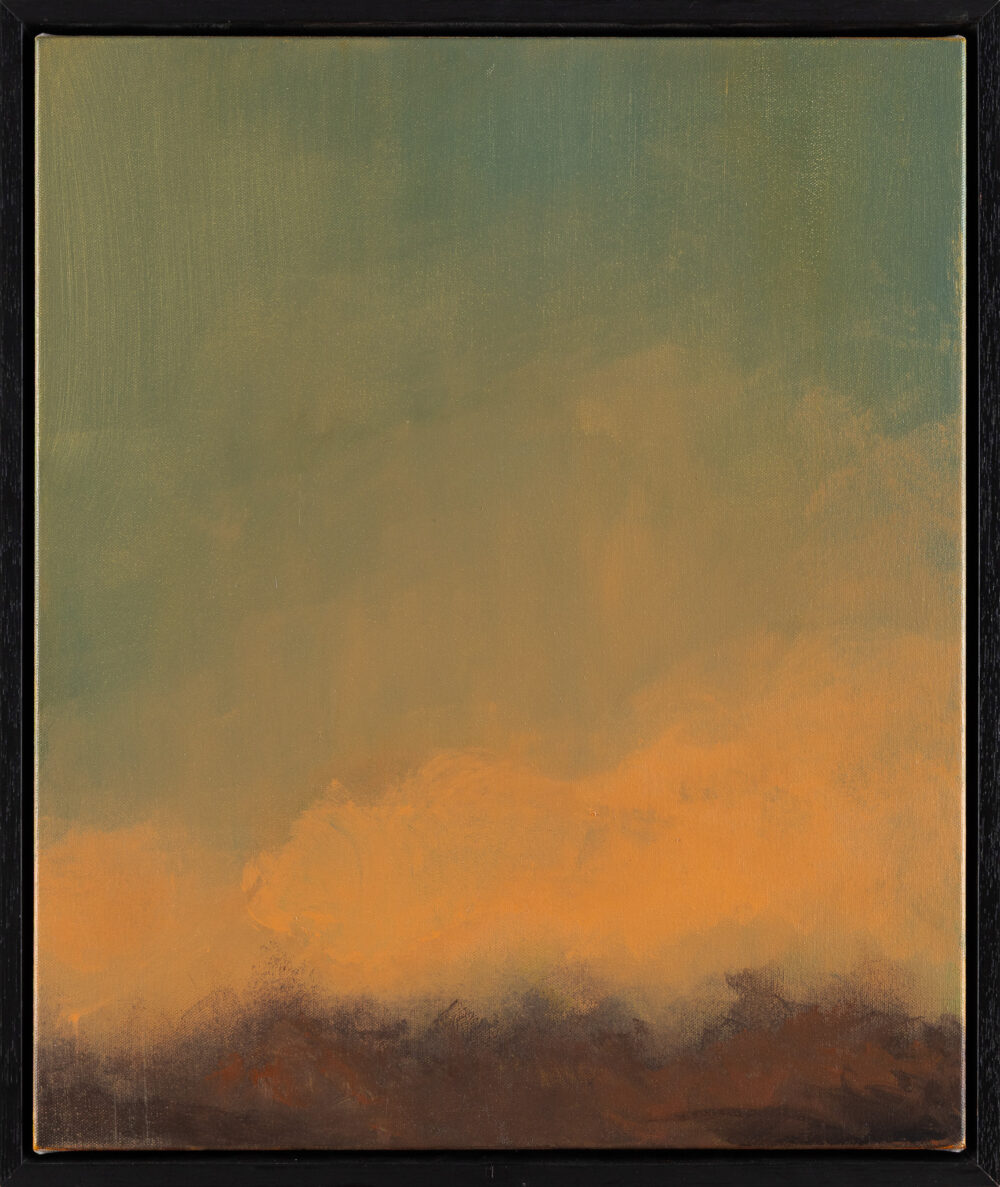
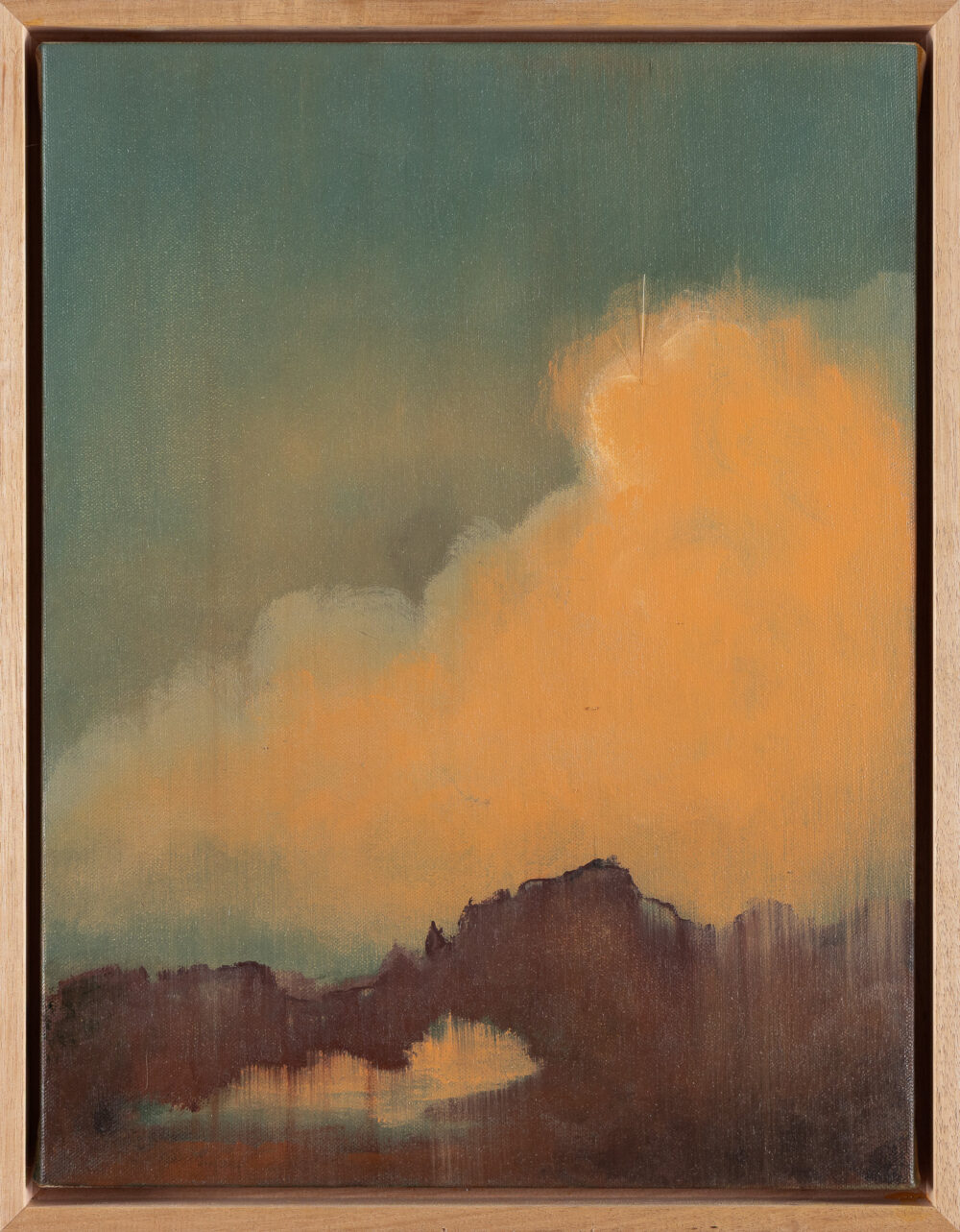
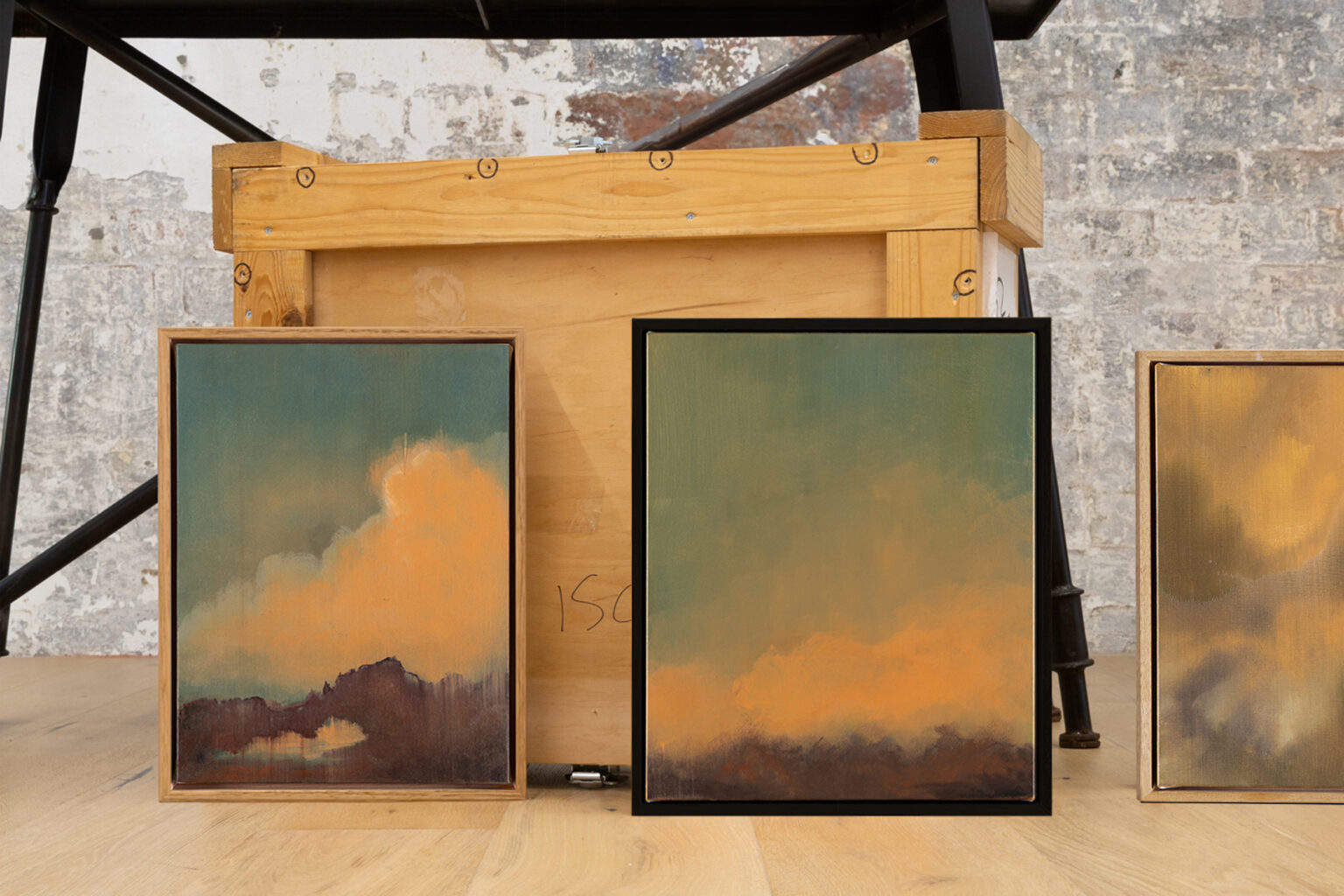
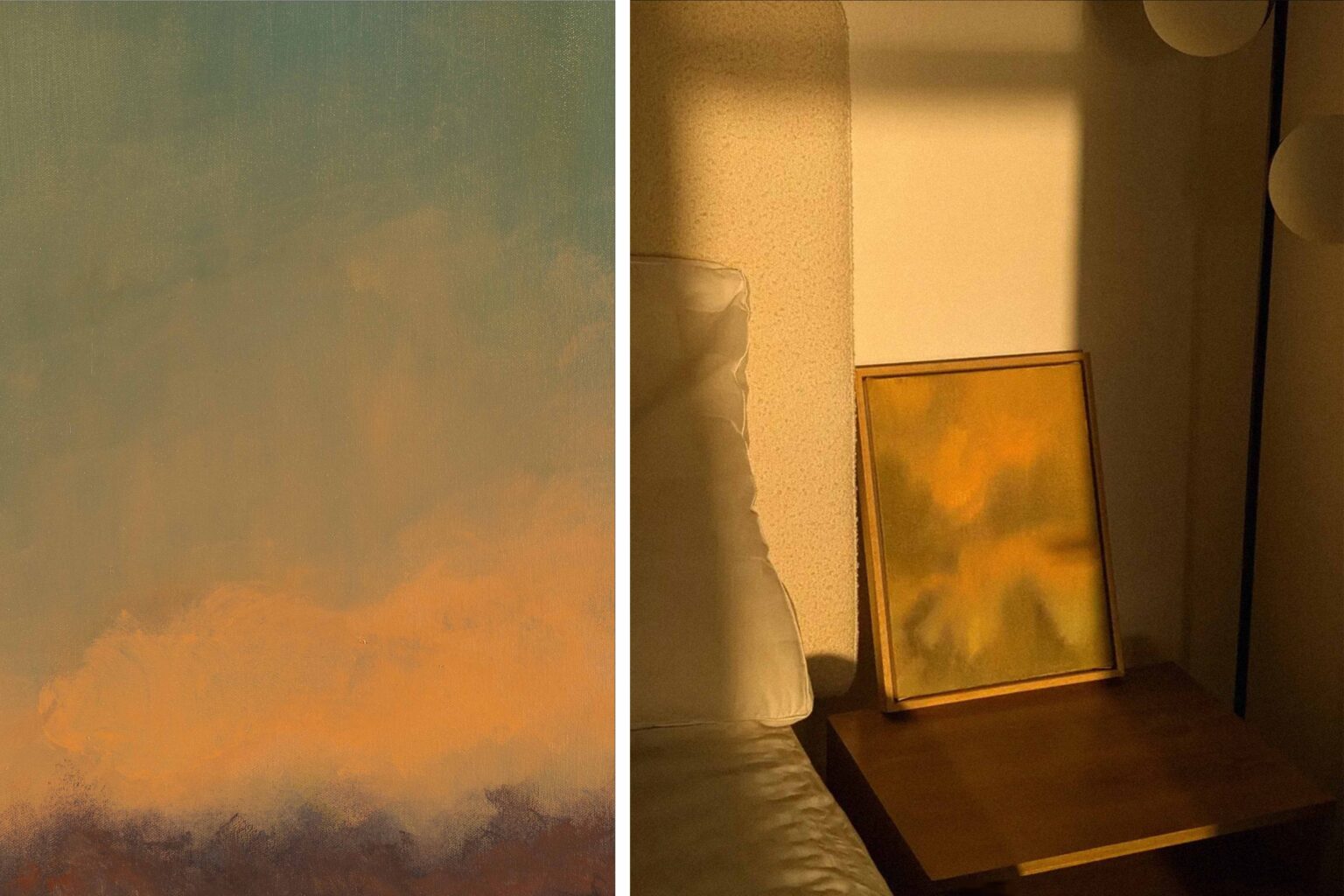
Is there a narrative push to your tonal-scapes? Can you tell us the story of these works? Do you consciously reference landscape, or does it enter subconsciously?
My tonal works emerged during a transitional period in my life. At this time, my painting practice was a bit of a mess, in part from the exhaustion of mothering, the output from my last two shows, and a build up of questions on what to paint in this turbulent time. I thrashed many, many paintings in this period and had many conversations with fellow artists, exploring how to depict landscapes and perspectives of art today.
In my conversations, I found a theme emerging, that our experiences of nature are becoming increasingly digital. We are collectively experiencing nature as a digital archive, remembering landscapes through the screens that capture them rather than the texture of gnarly bark, the scent of honeyed petals, or the salt-haze sound of the tide. This directly translates to the quiet undercurrent of fragility in these tonal works, capturing the sensation of moving through a landscape, like the blurry view from the car window or from a half-remembered dream. To the viewer, this place is familiar, whether in a dream or movie, they are left to ask, “why do I know this place?”.
Can you identify a work you hold particularly close in the collection and tell us why?
The two works that I hold particularly close are The Lookout and Out of the shore. After I became a mother, life became more complex and fractured. Painting seemed so inconsequential compared to the profound act of creating and caring for human life. I needed to find a way to make my paintings “matter” again. These works, although still intuitive, allowed me to be more intentional and helped me find the clarity in my voice that motherhood helped streamline. These works allowed me to successfully navigate back to my space of freely creating.

