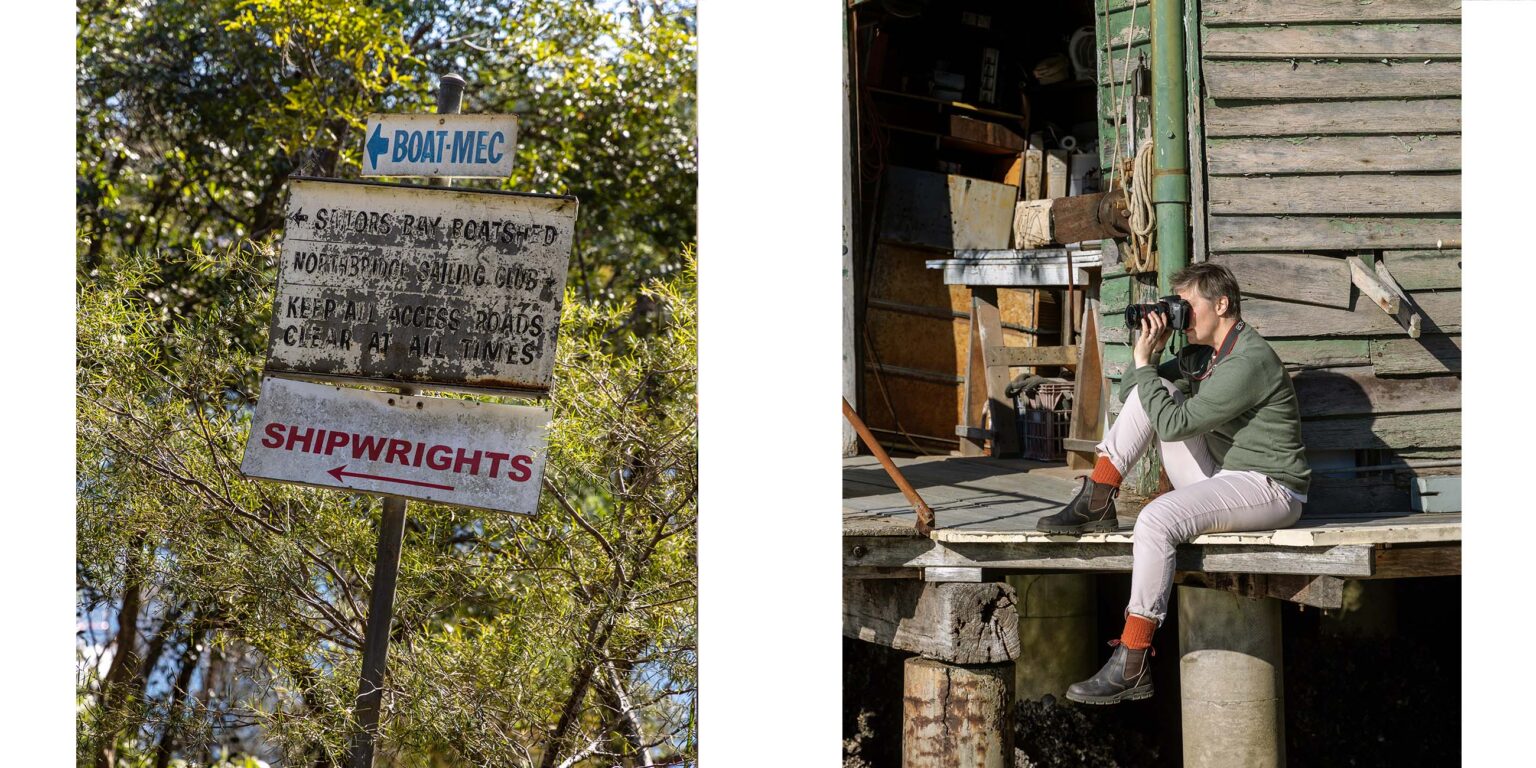
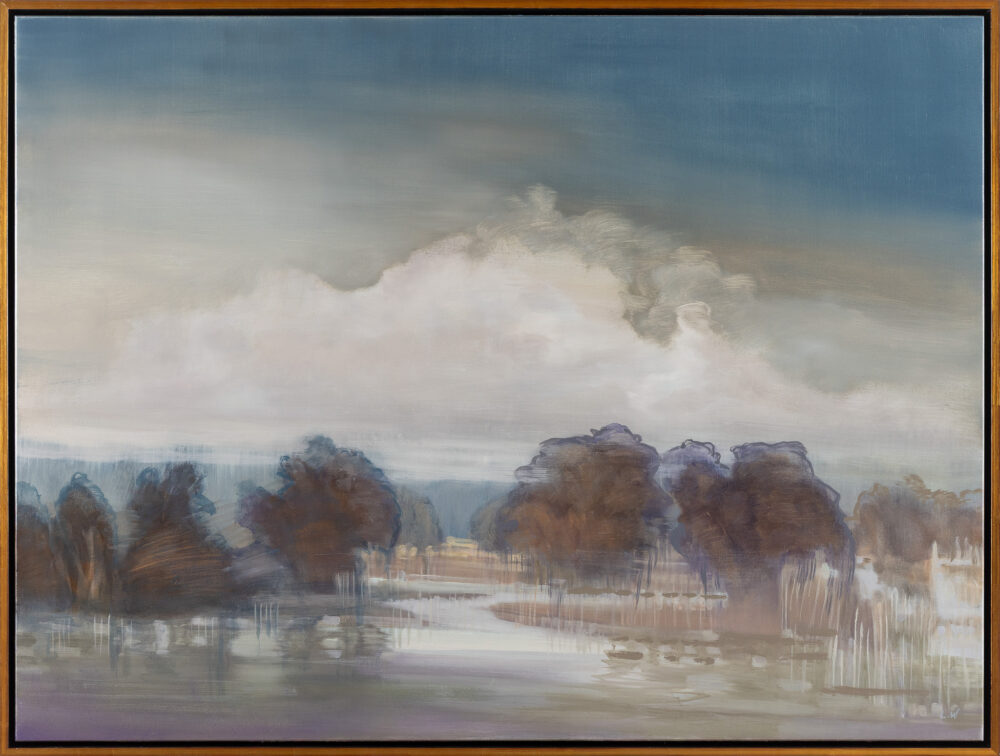
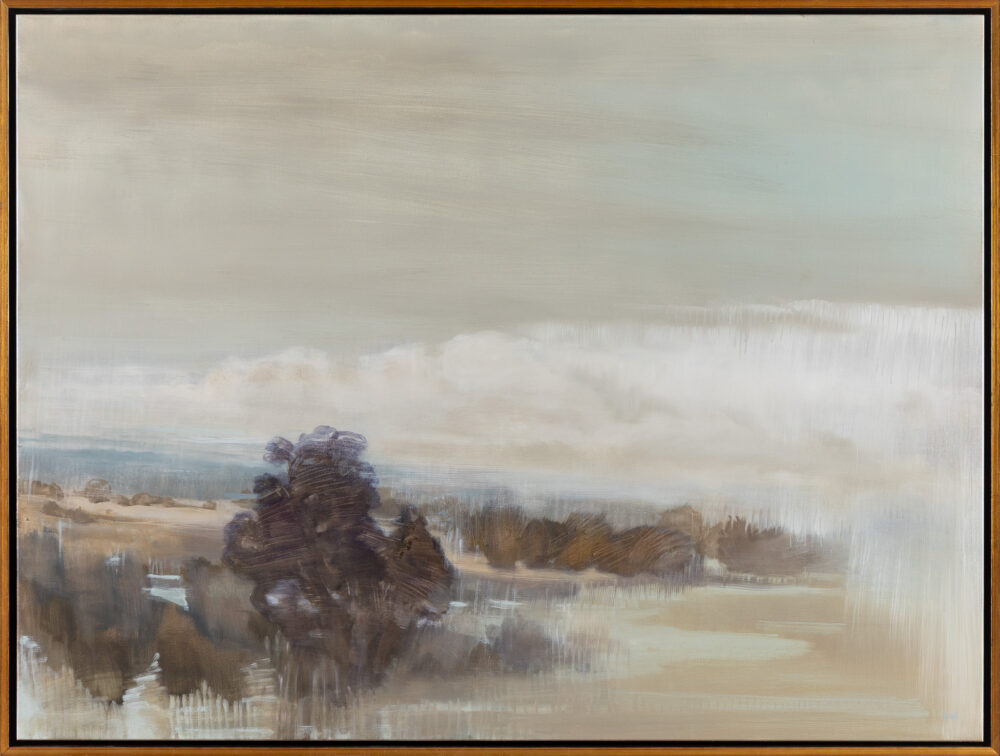
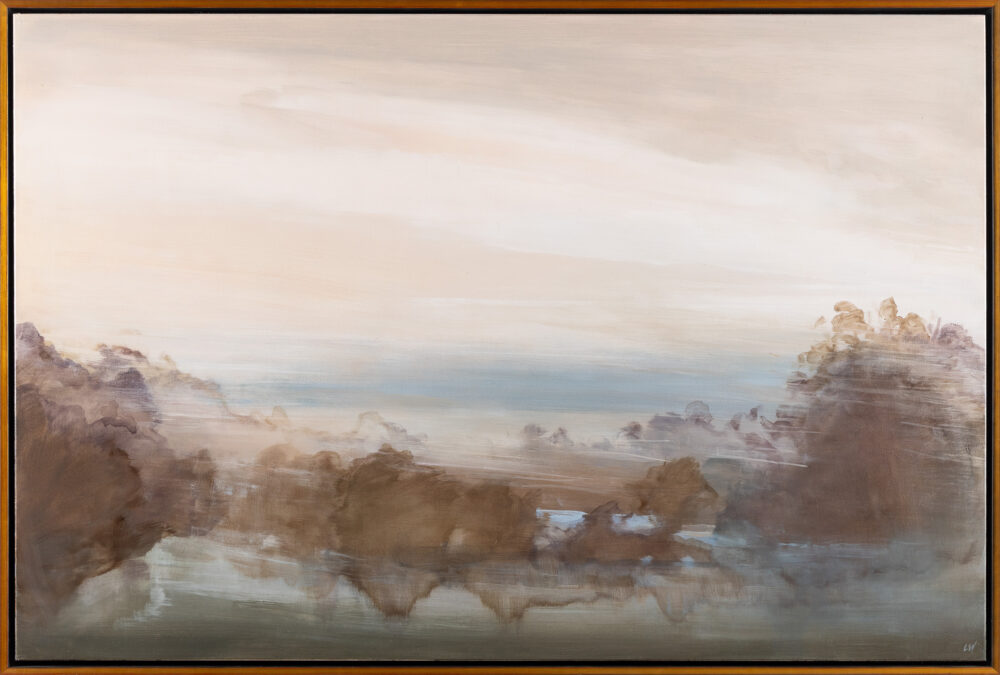
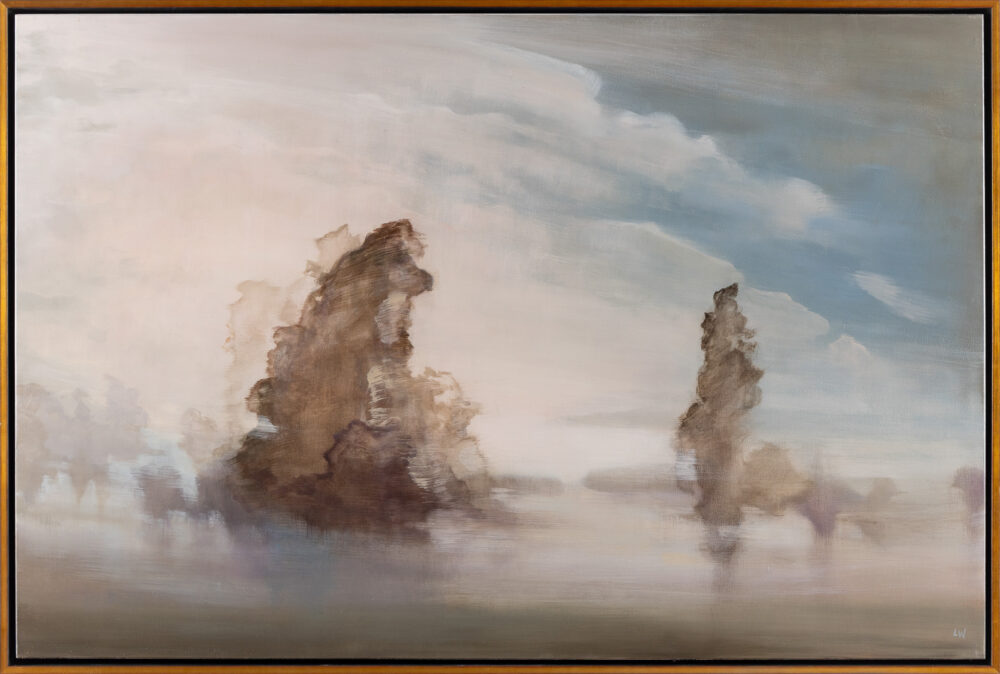
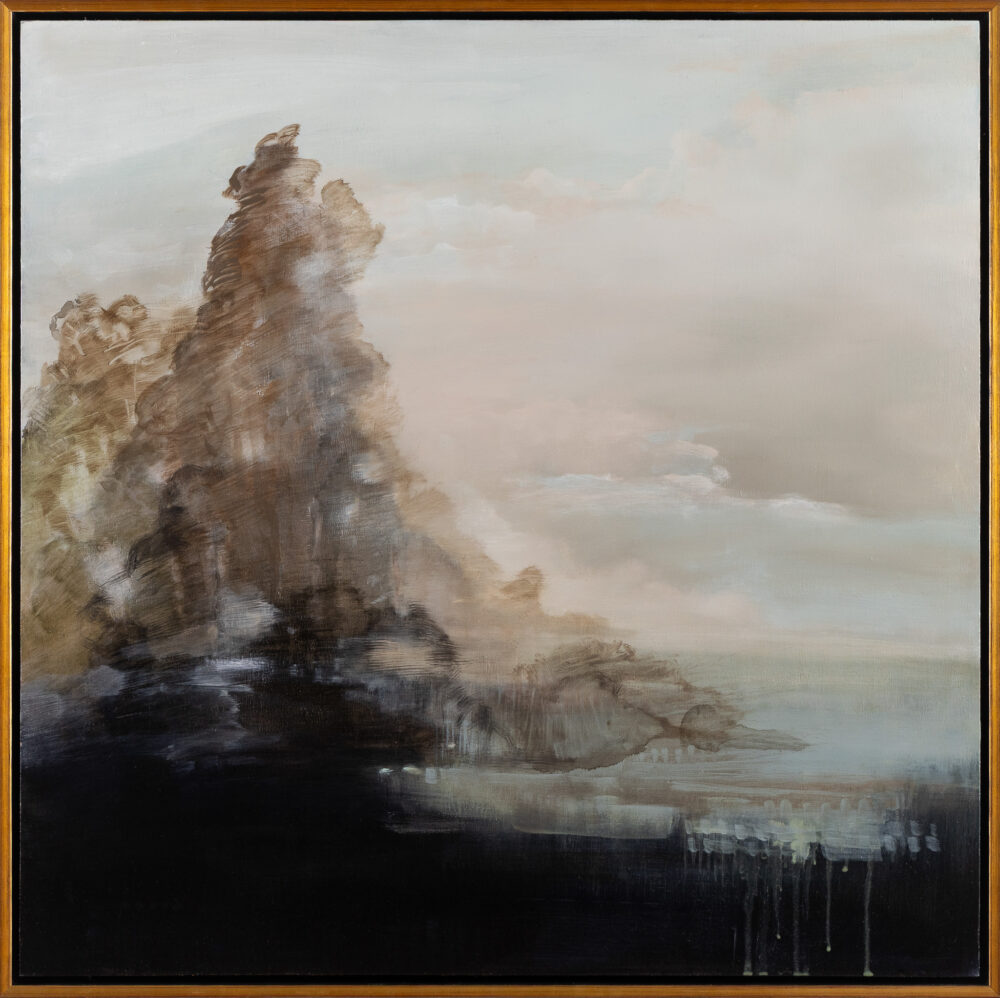
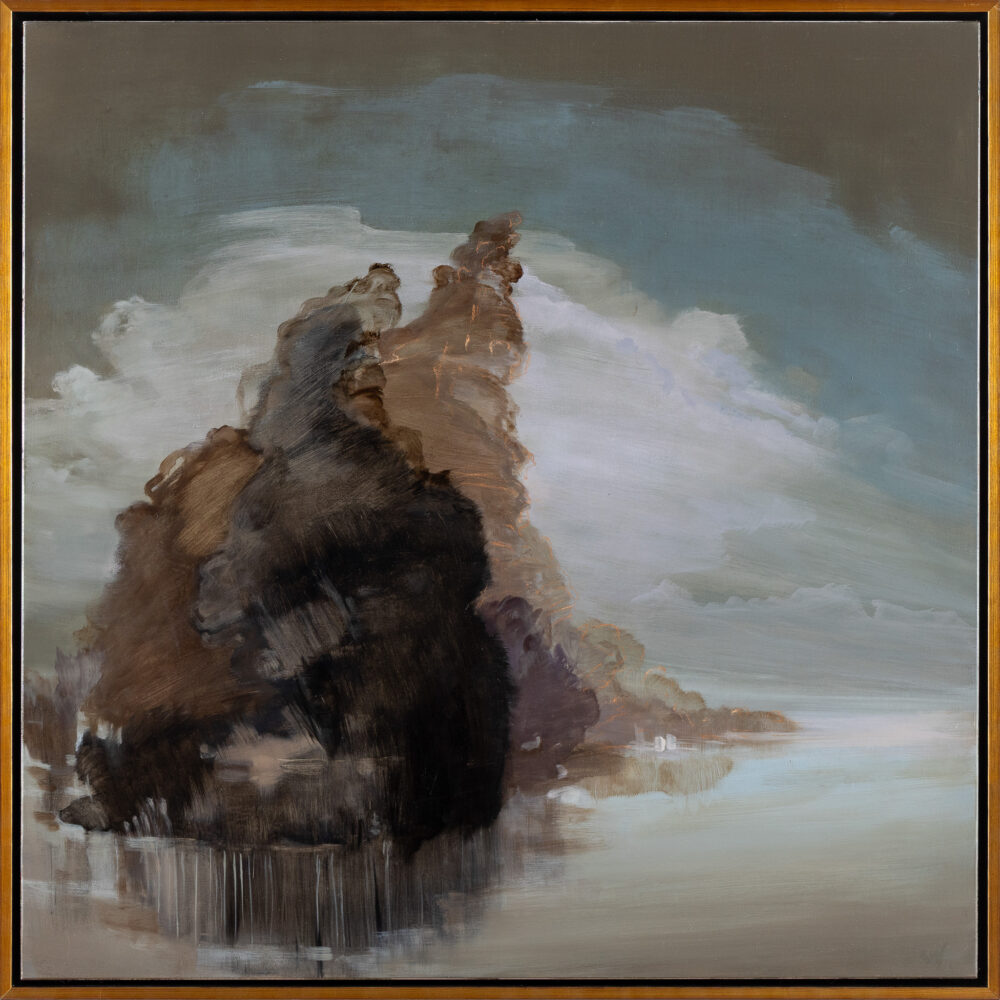
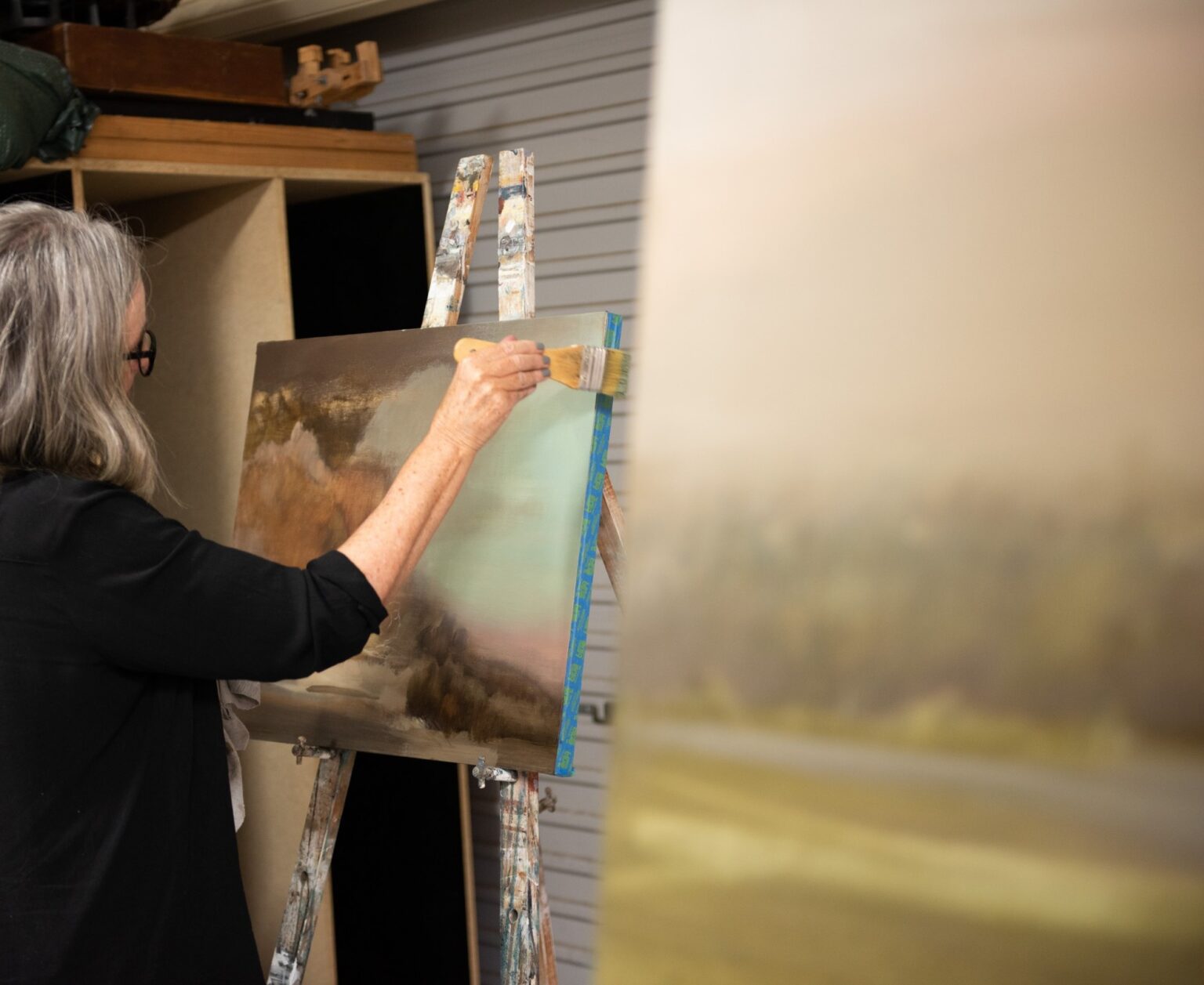
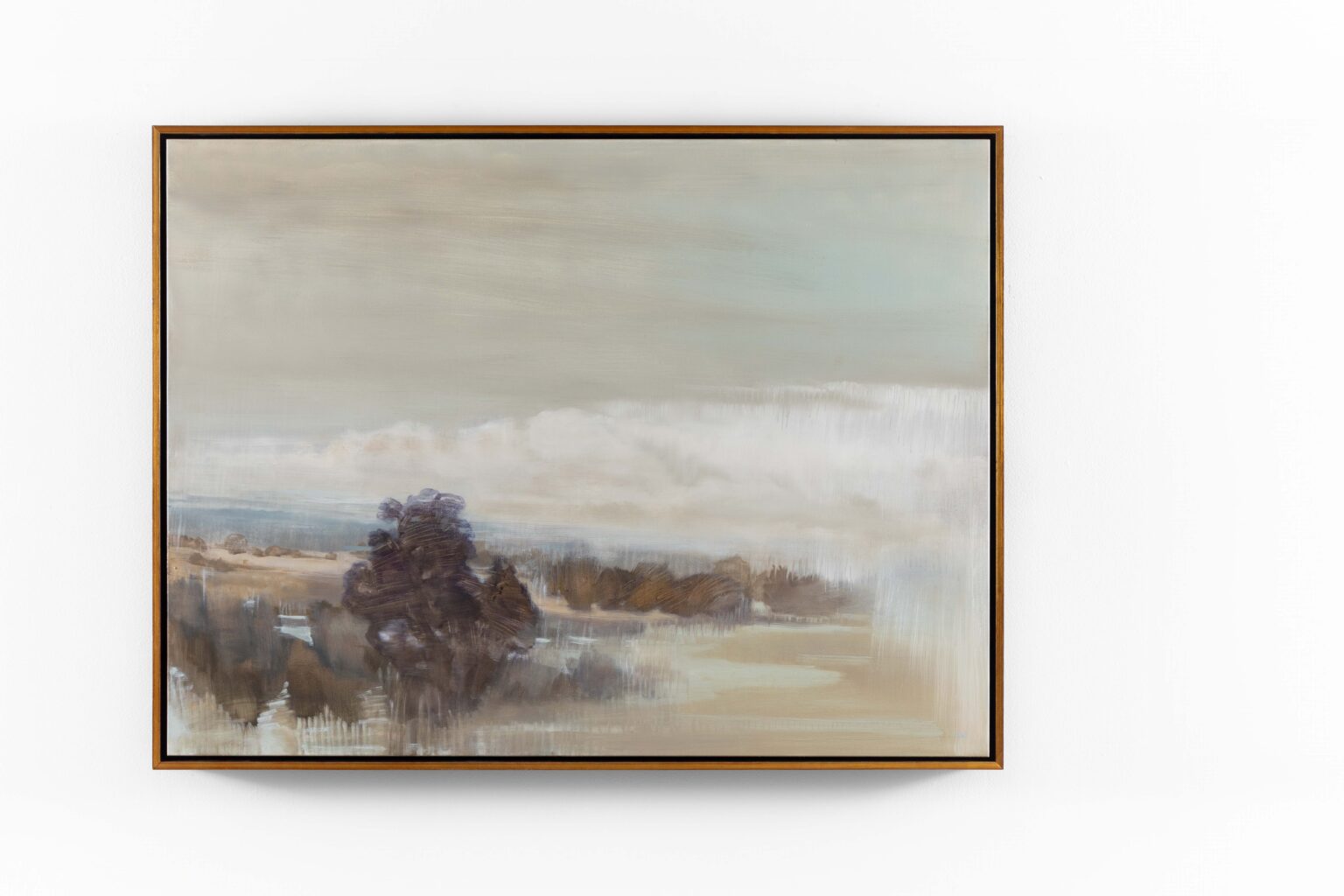
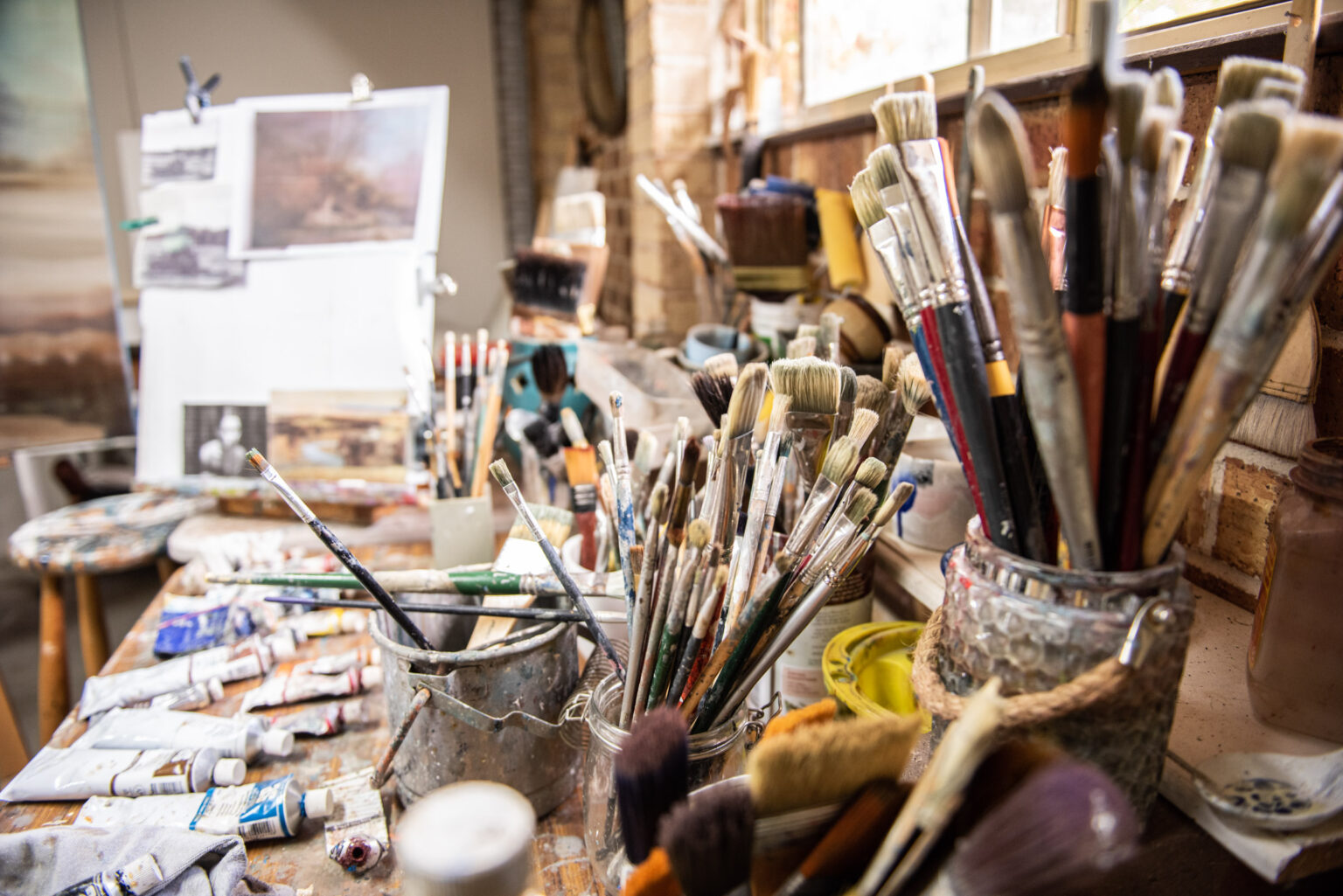
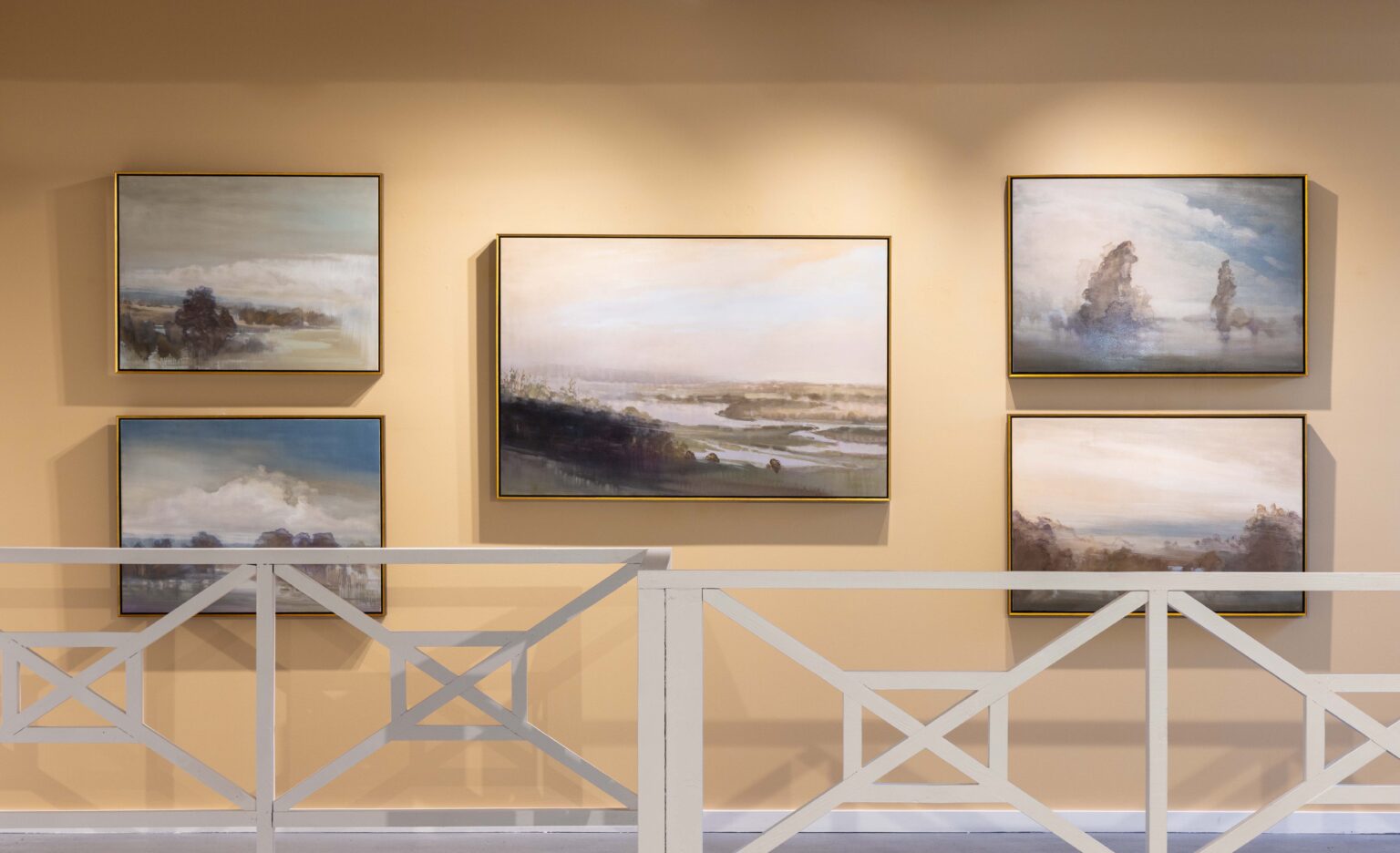
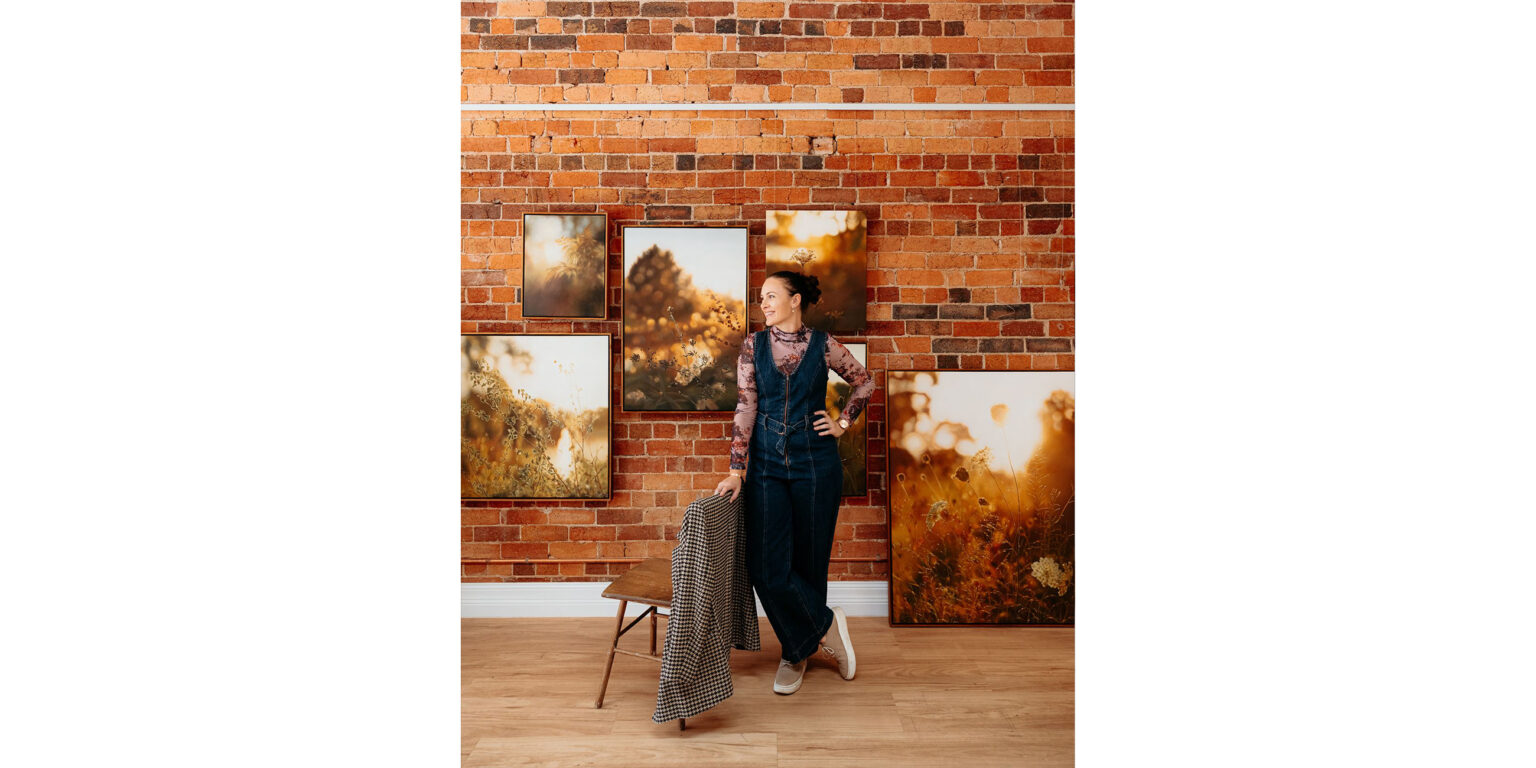
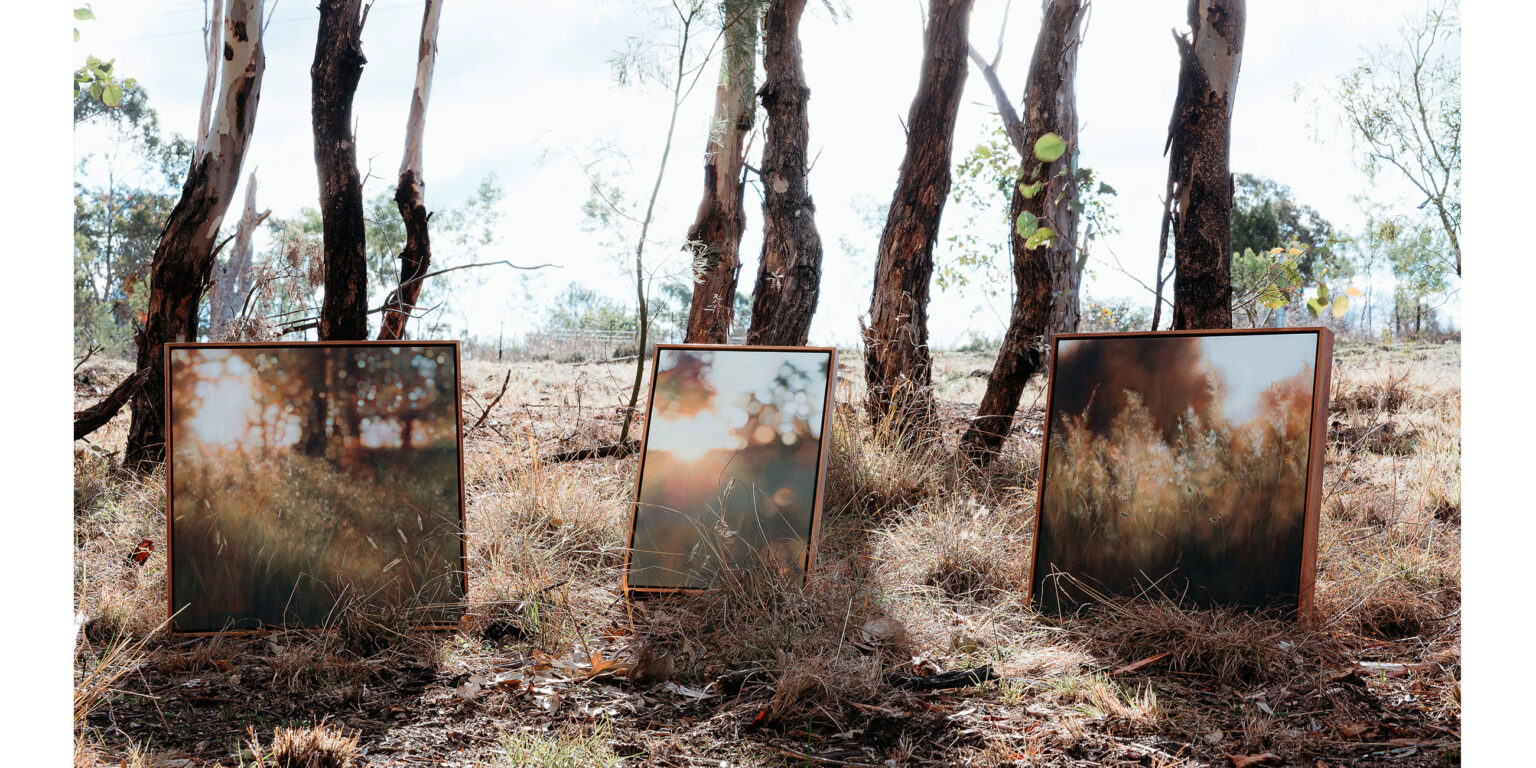
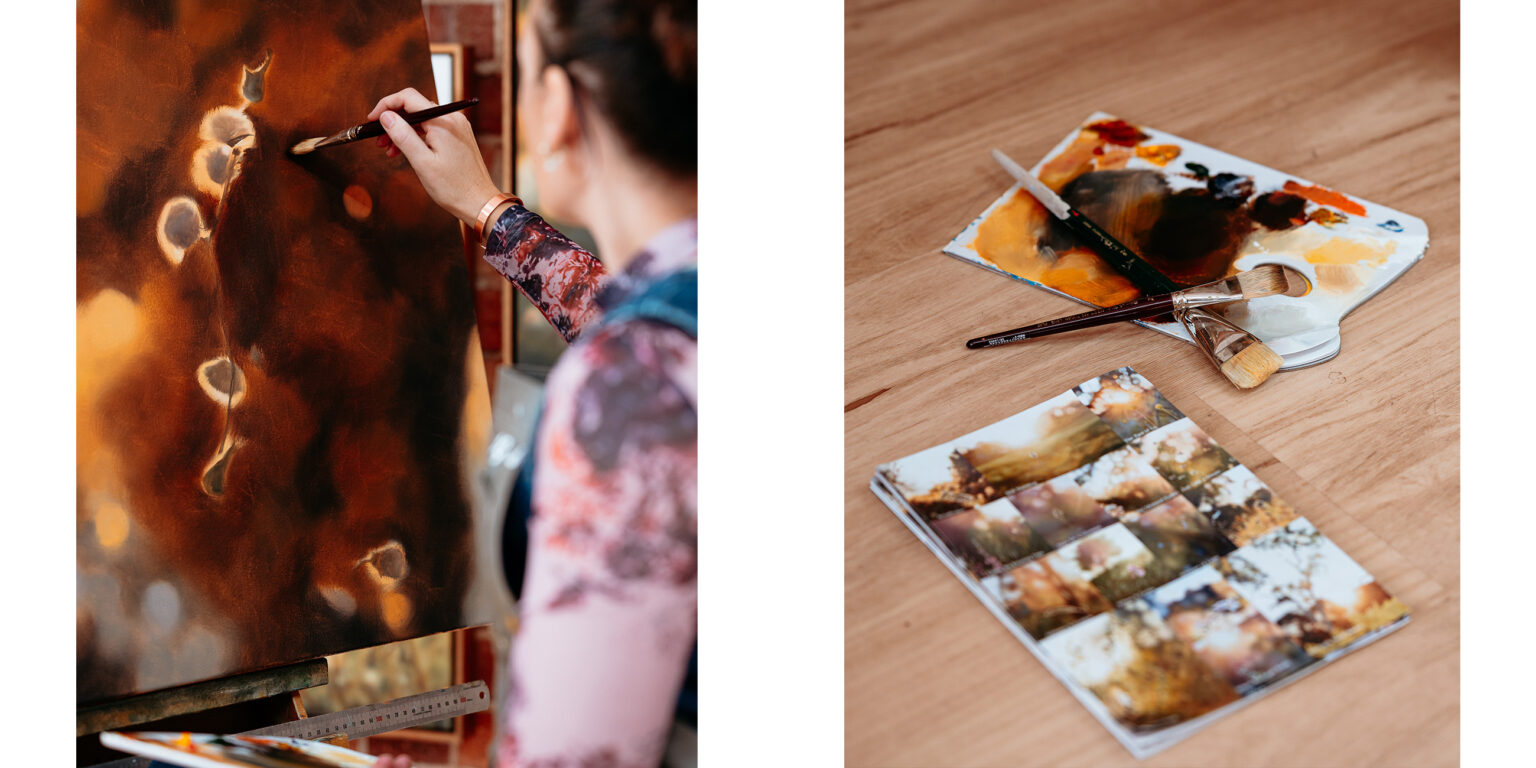
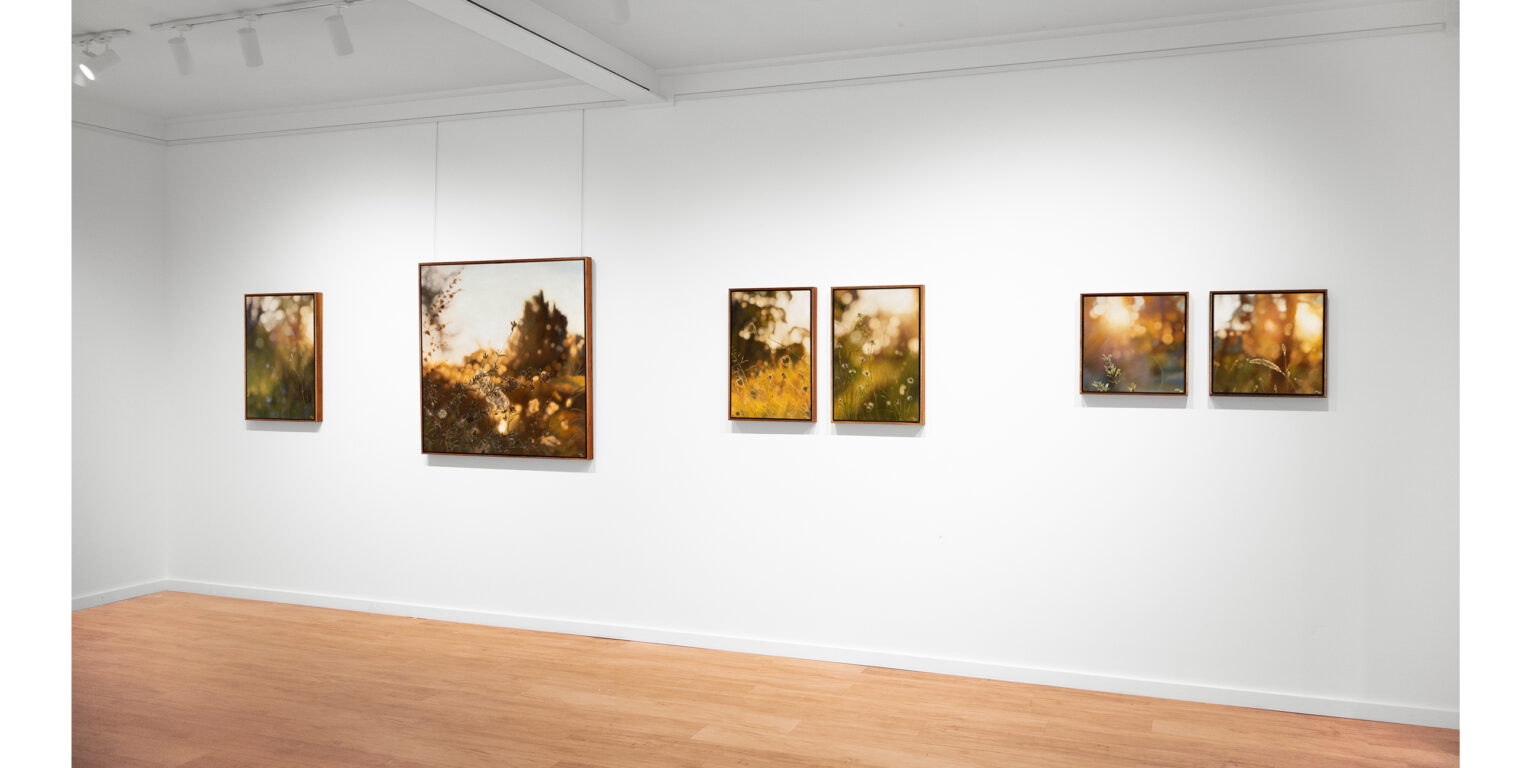
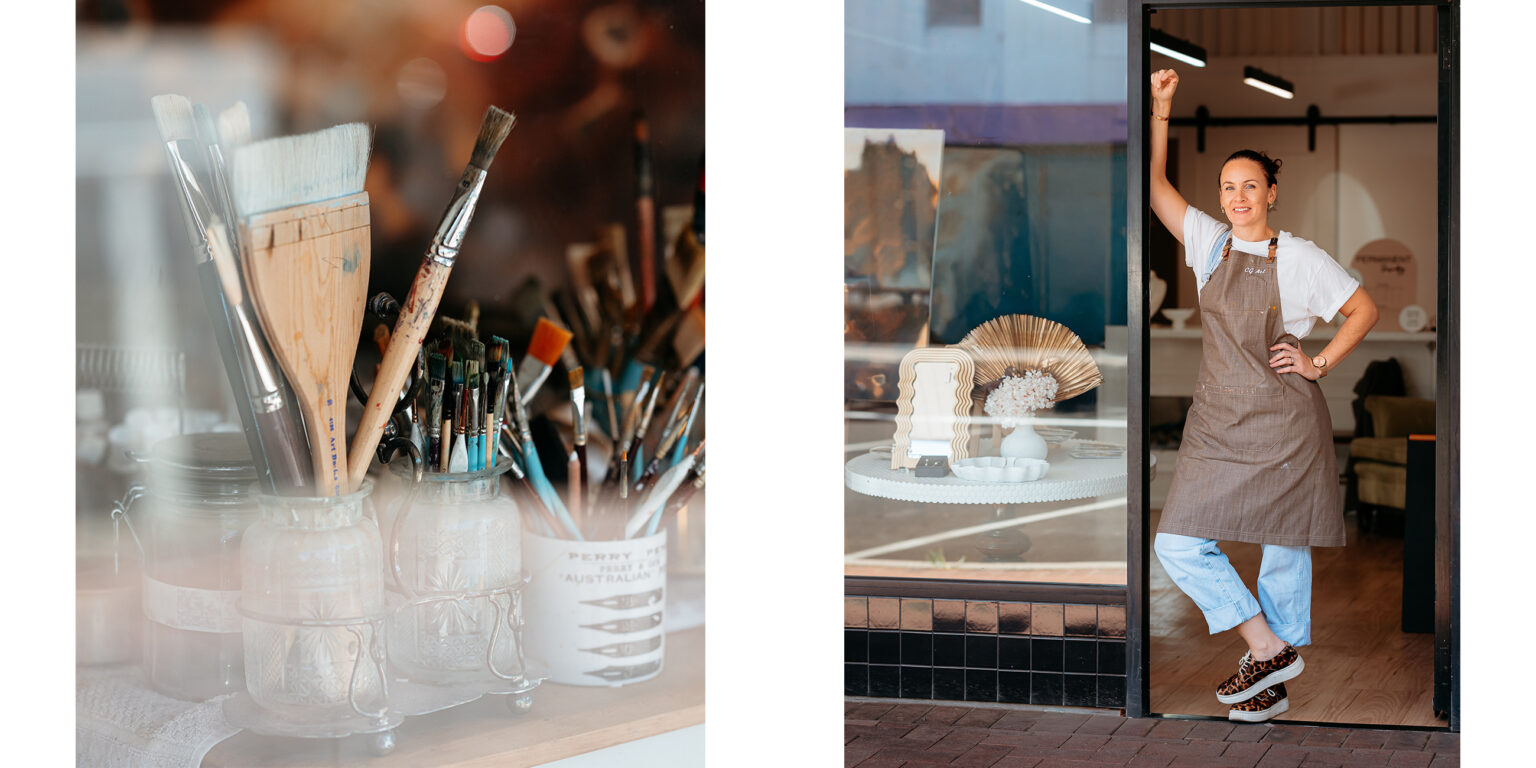
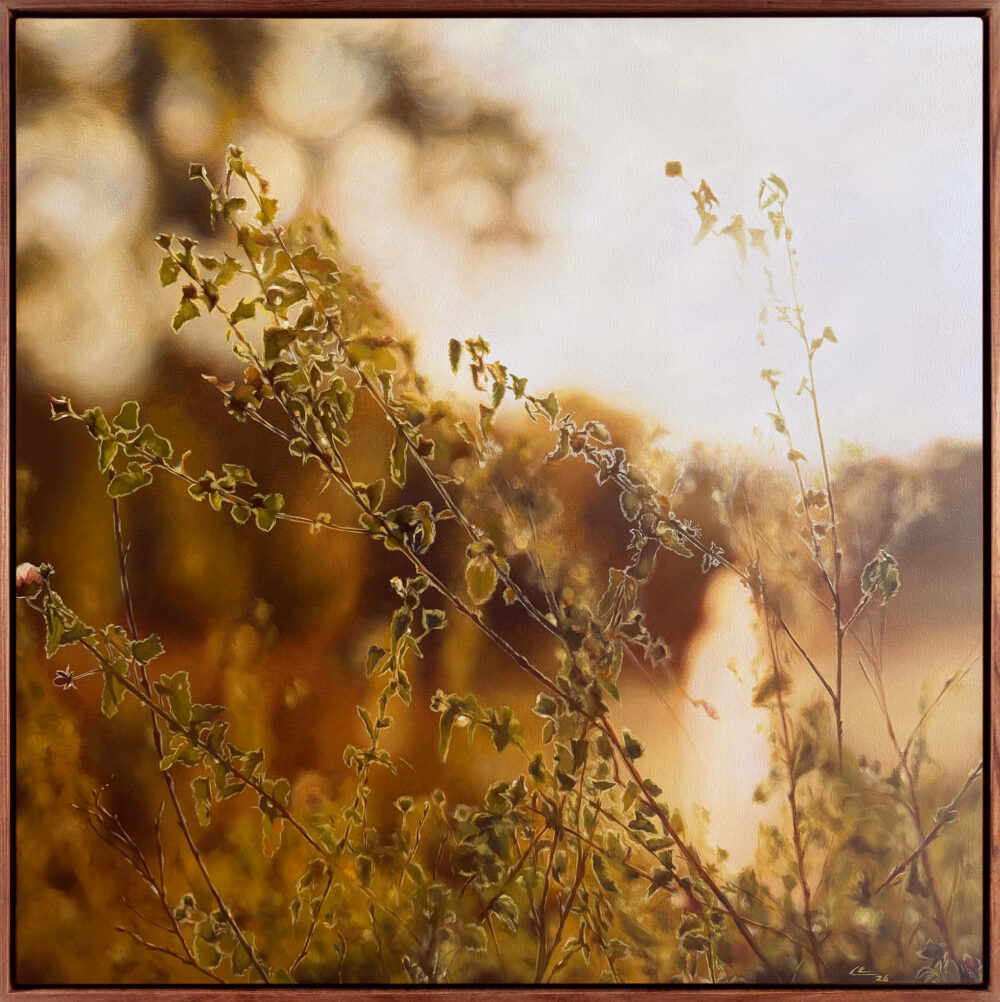
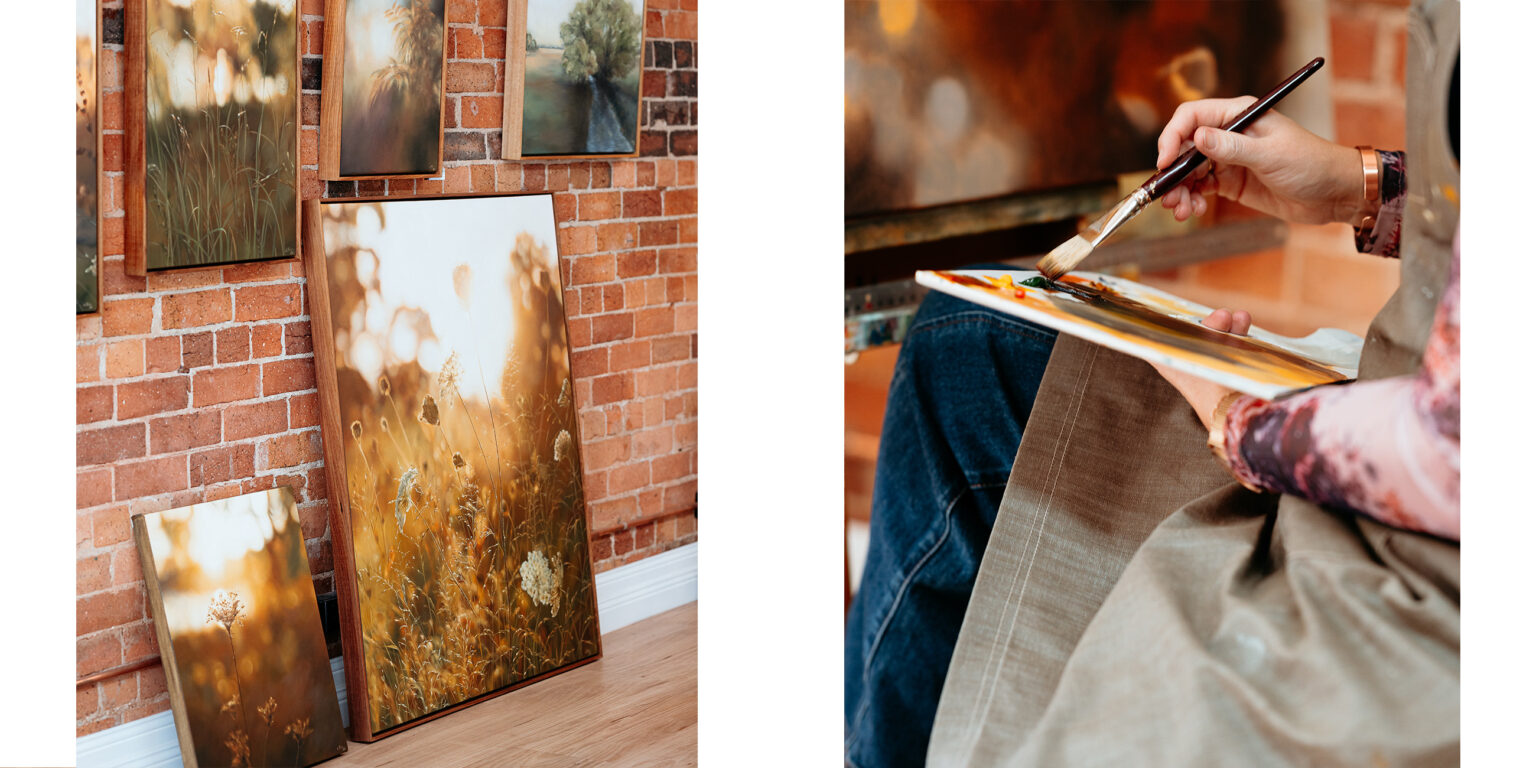
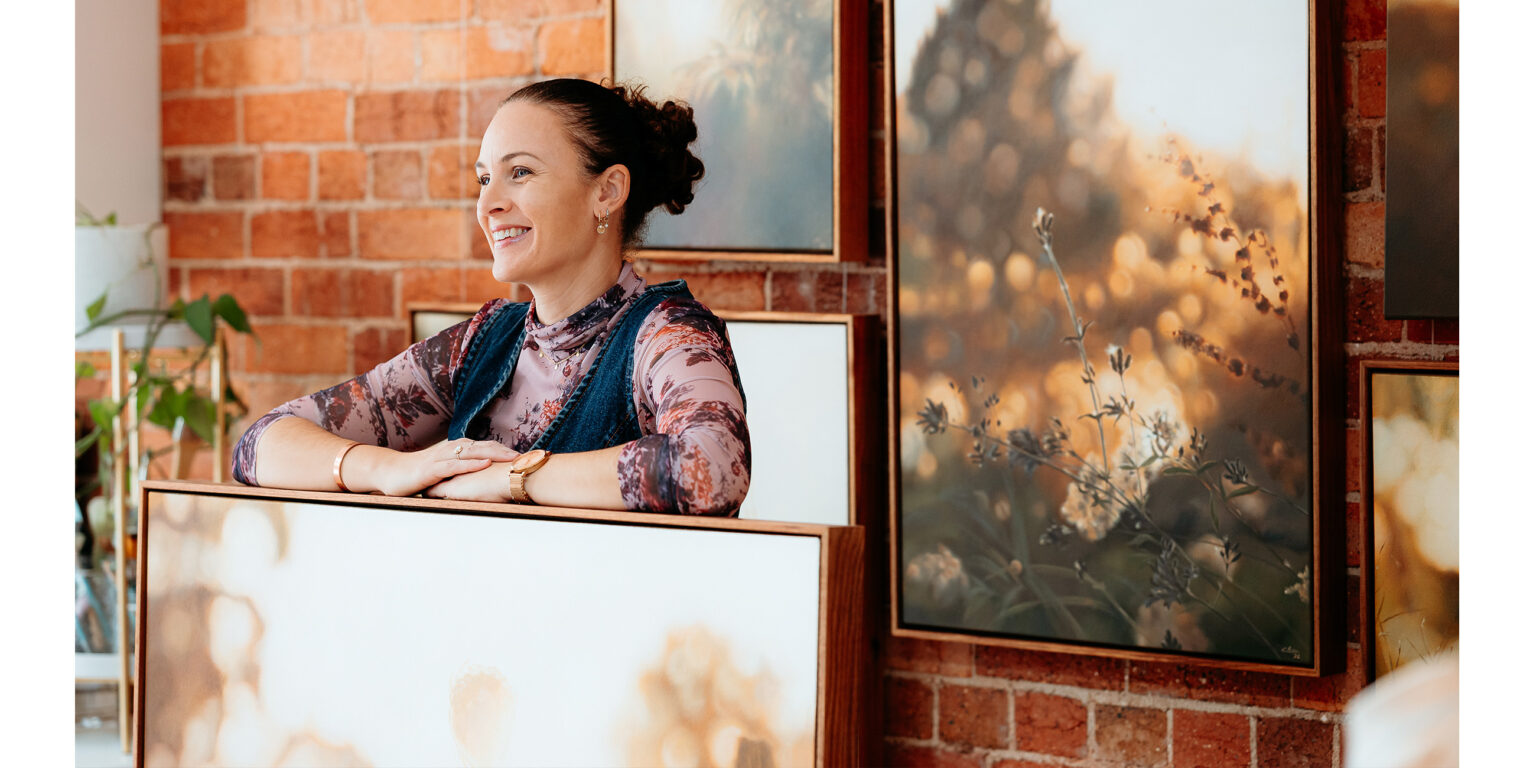
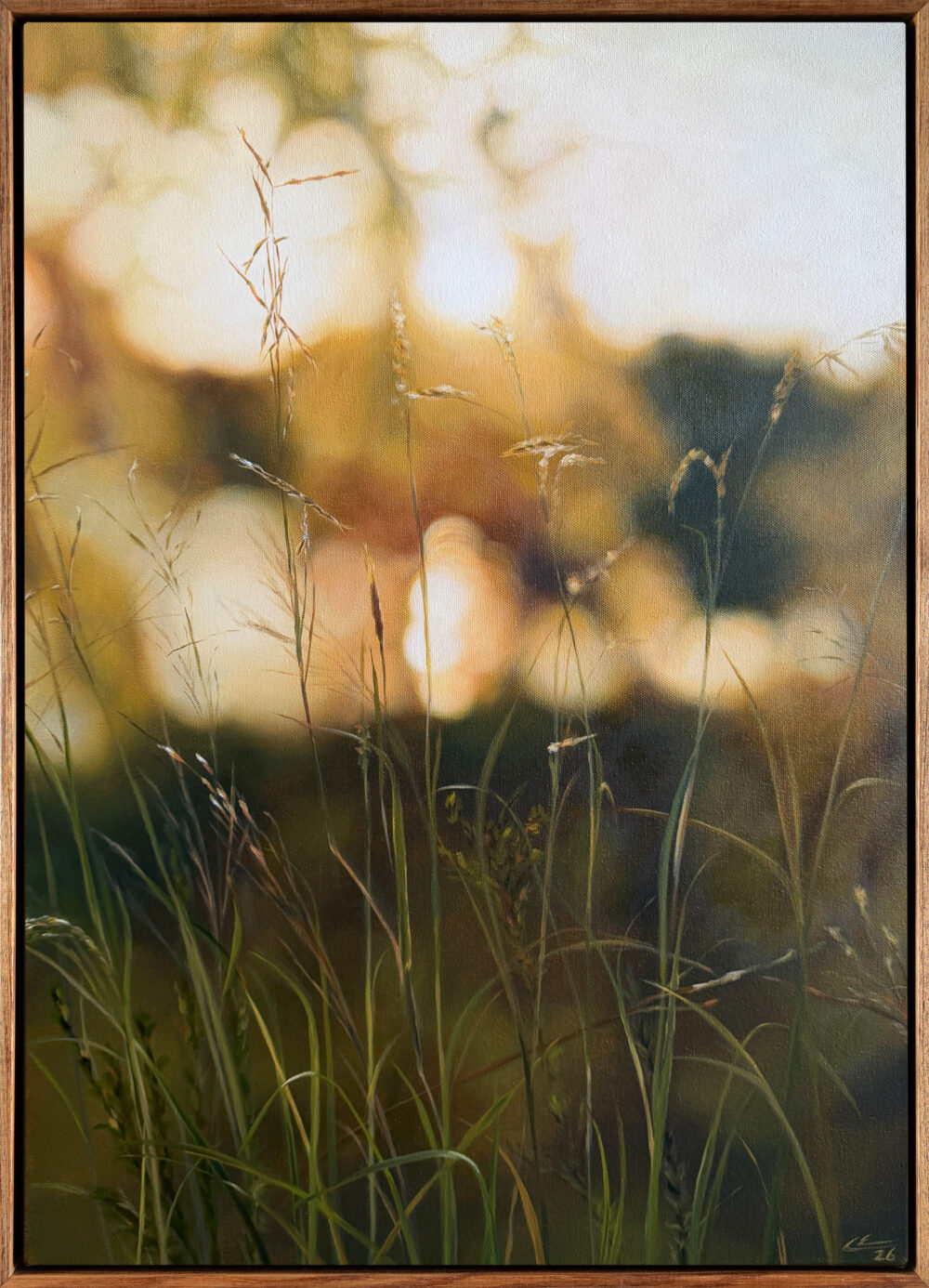
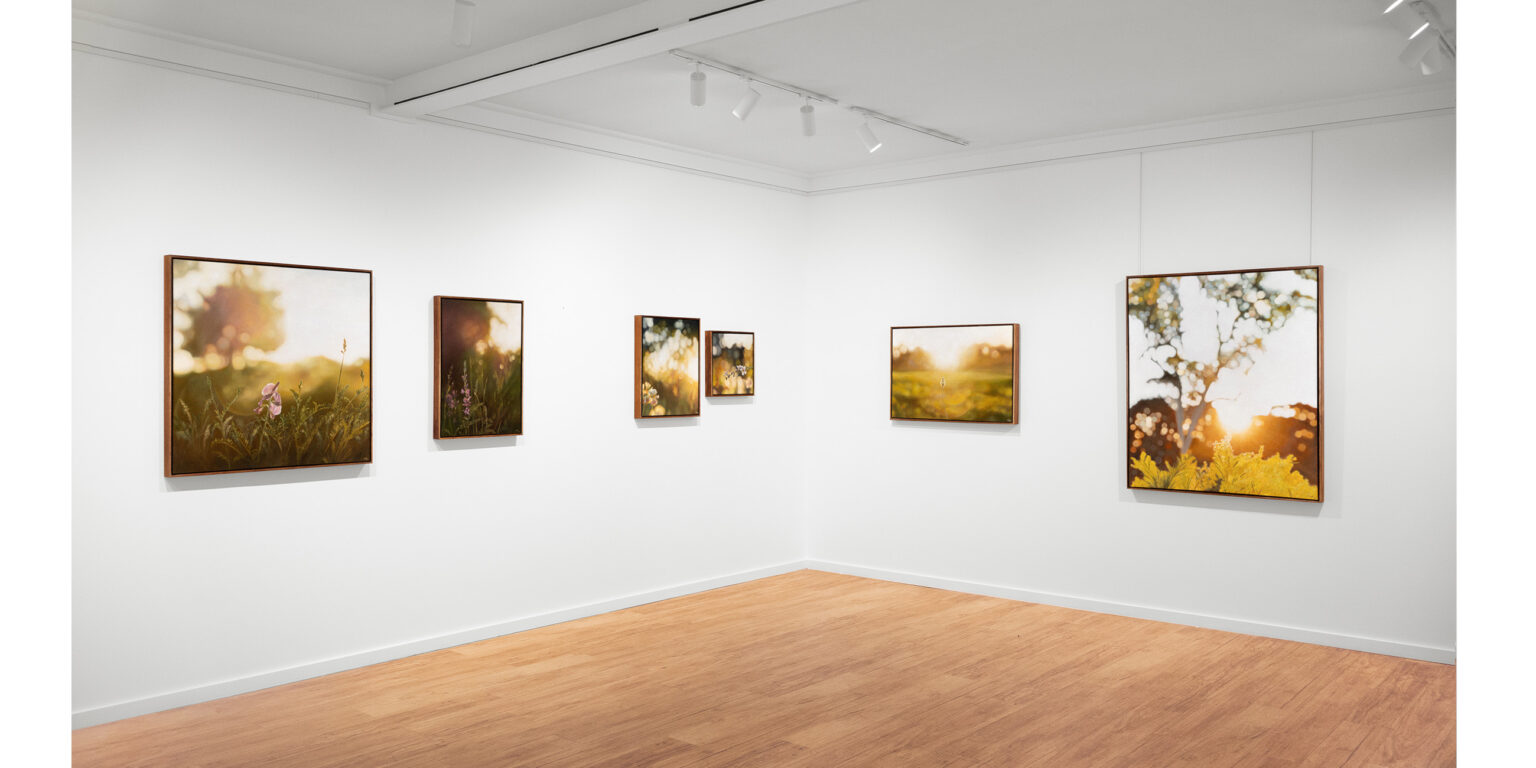
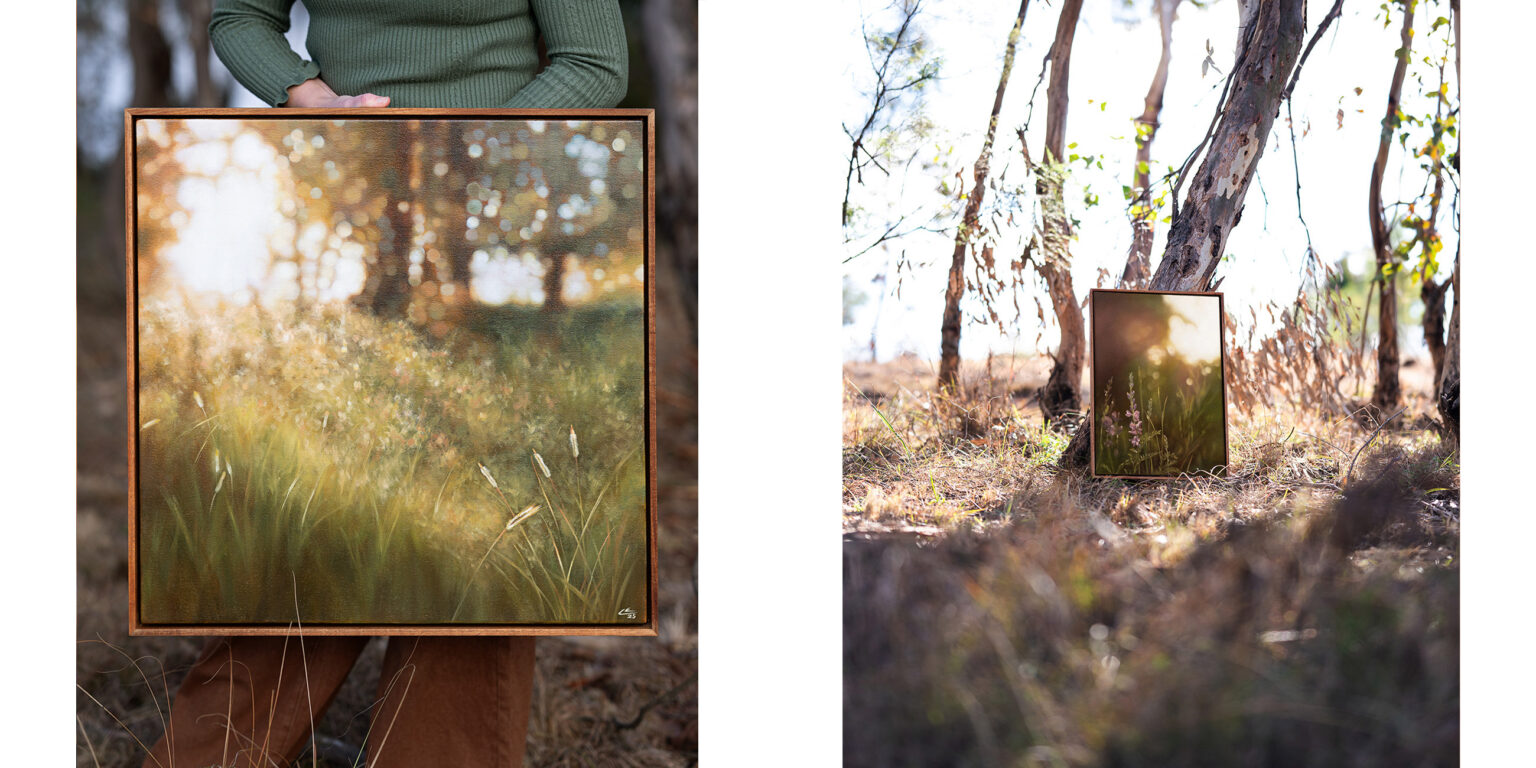
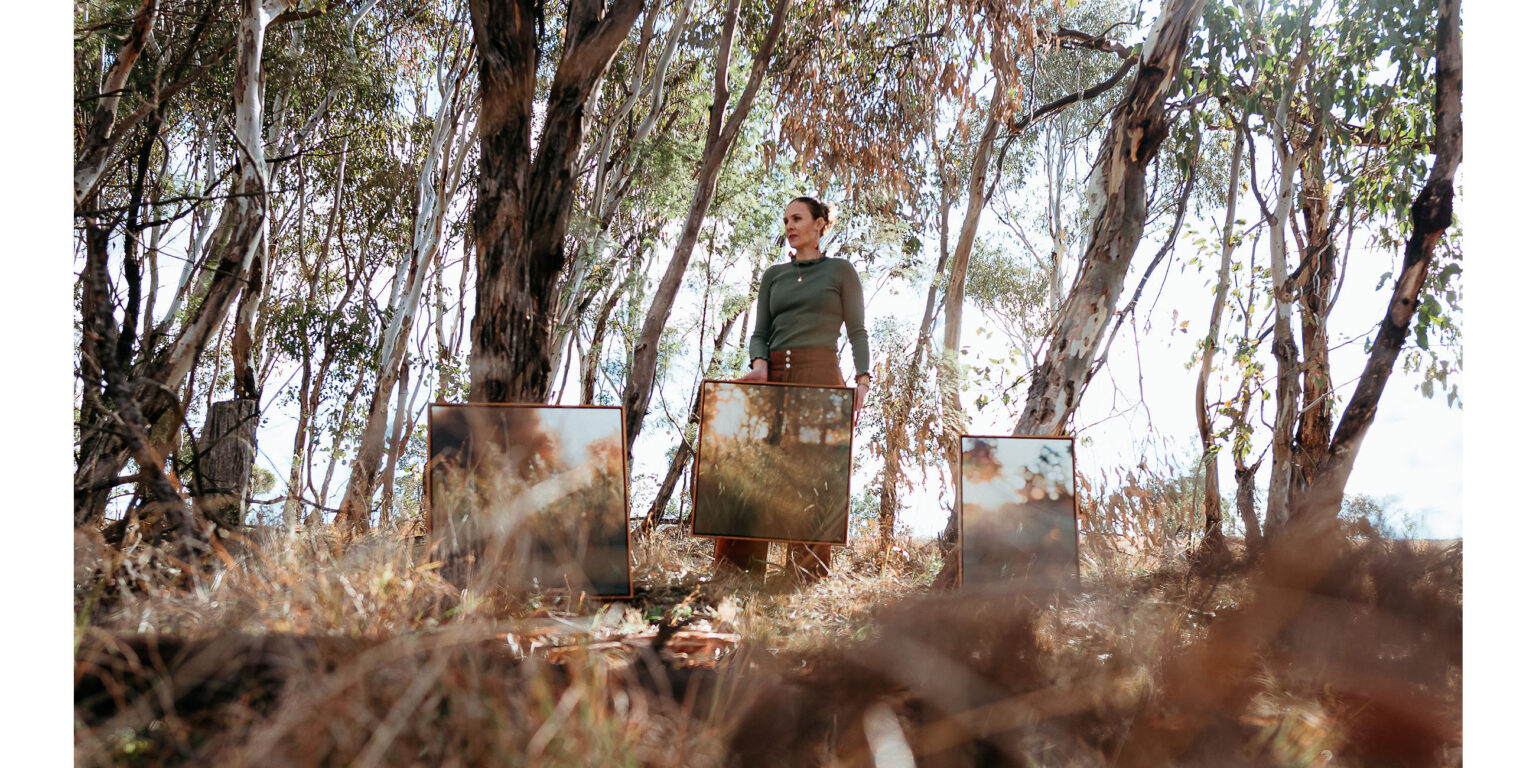
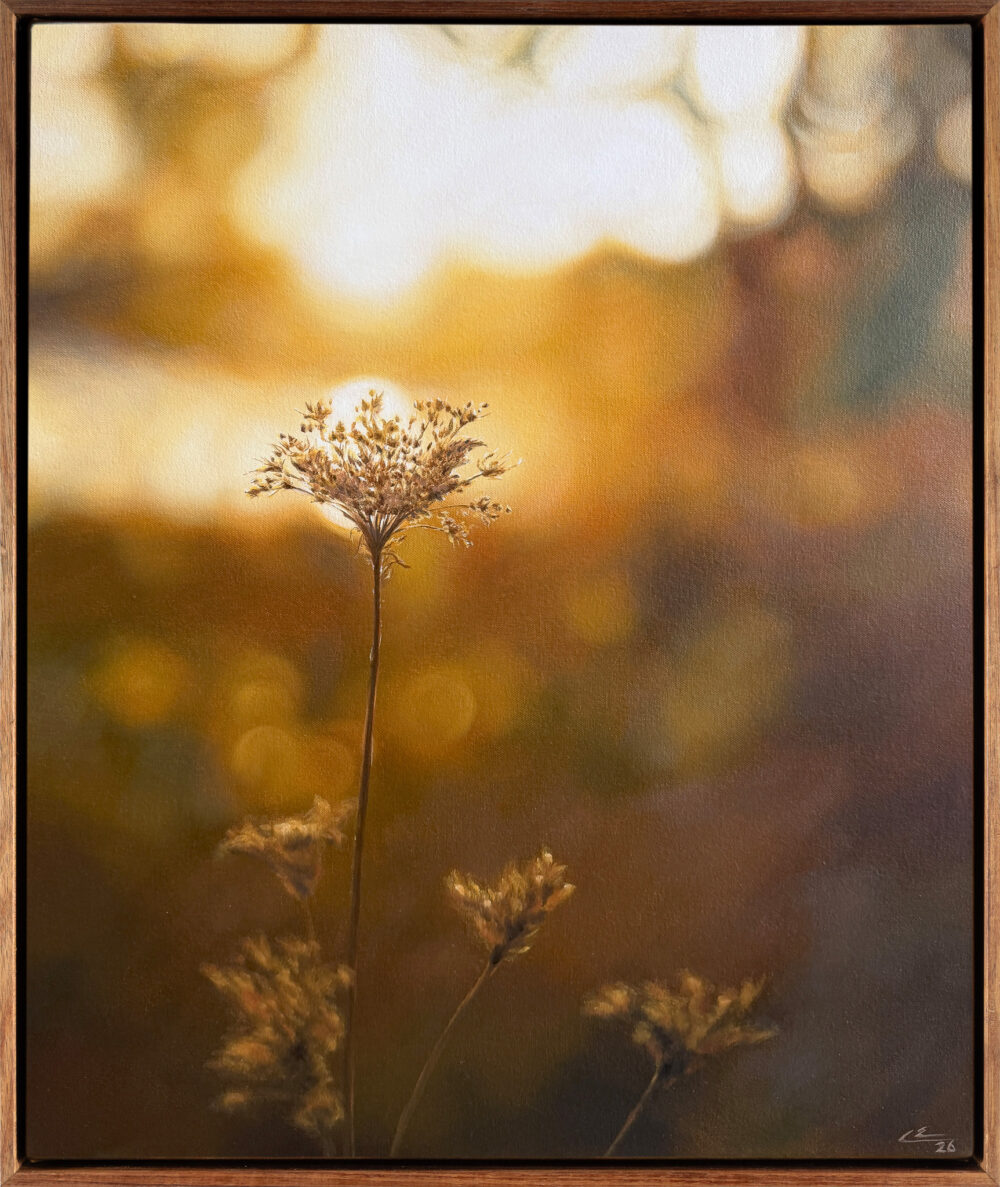
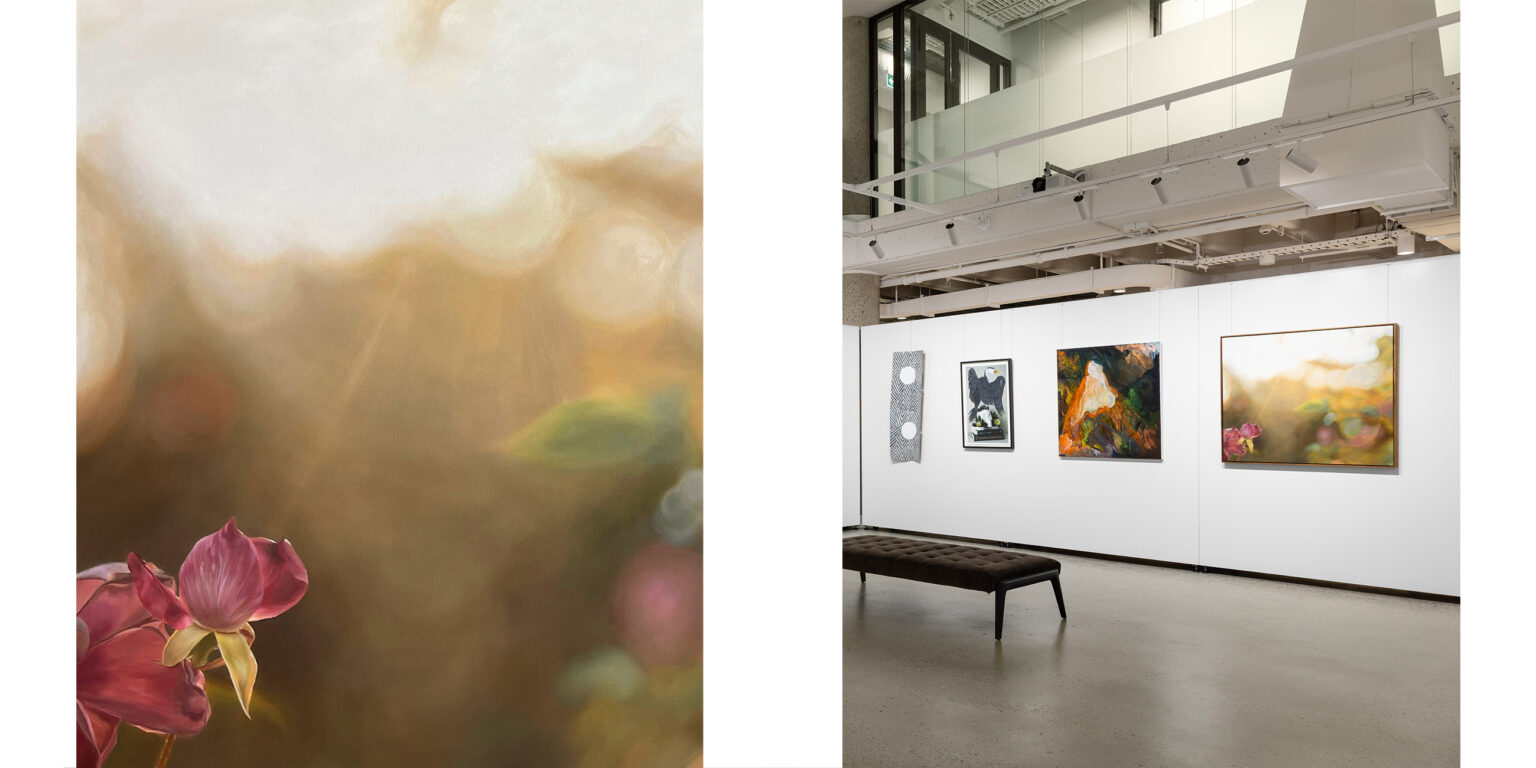
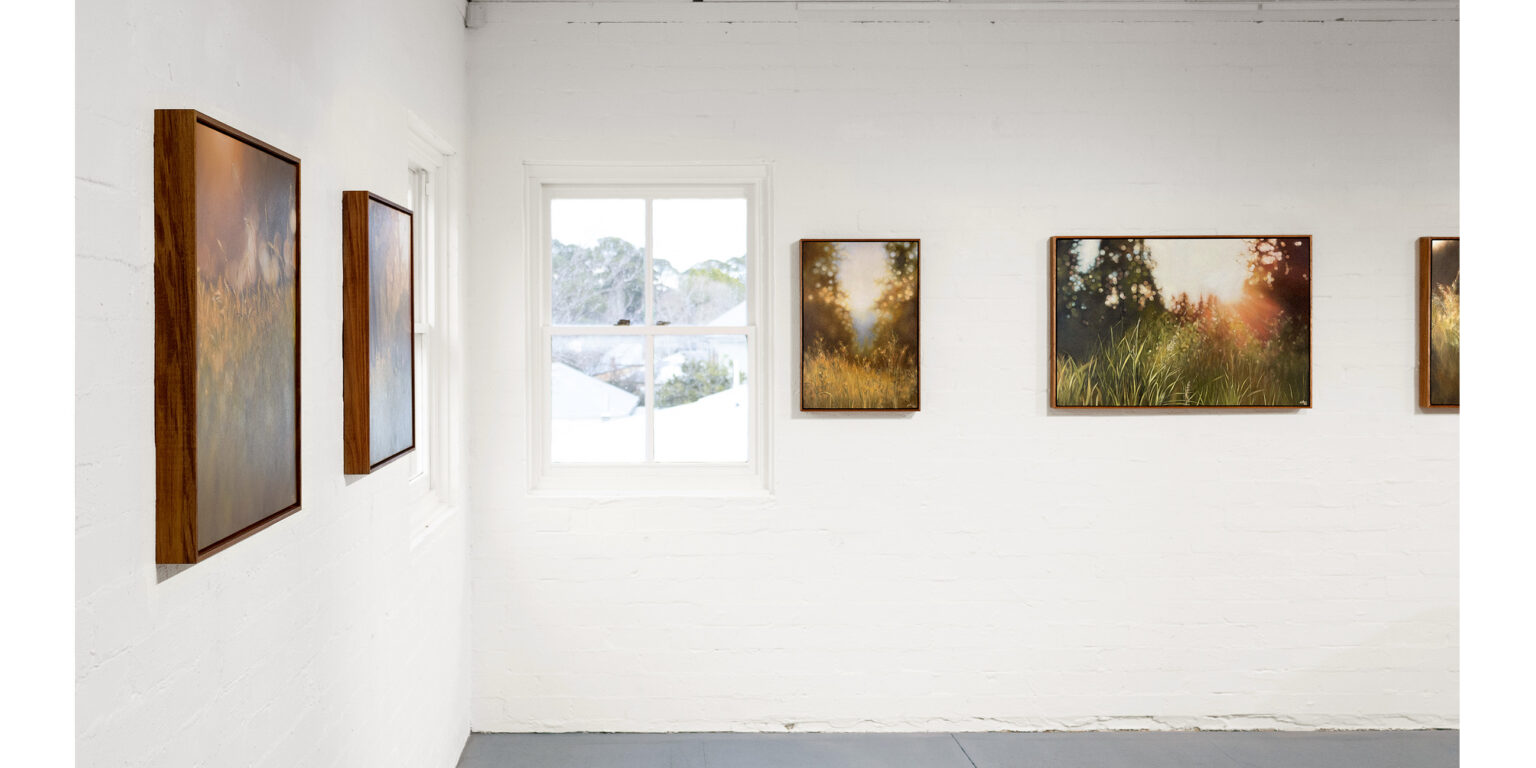
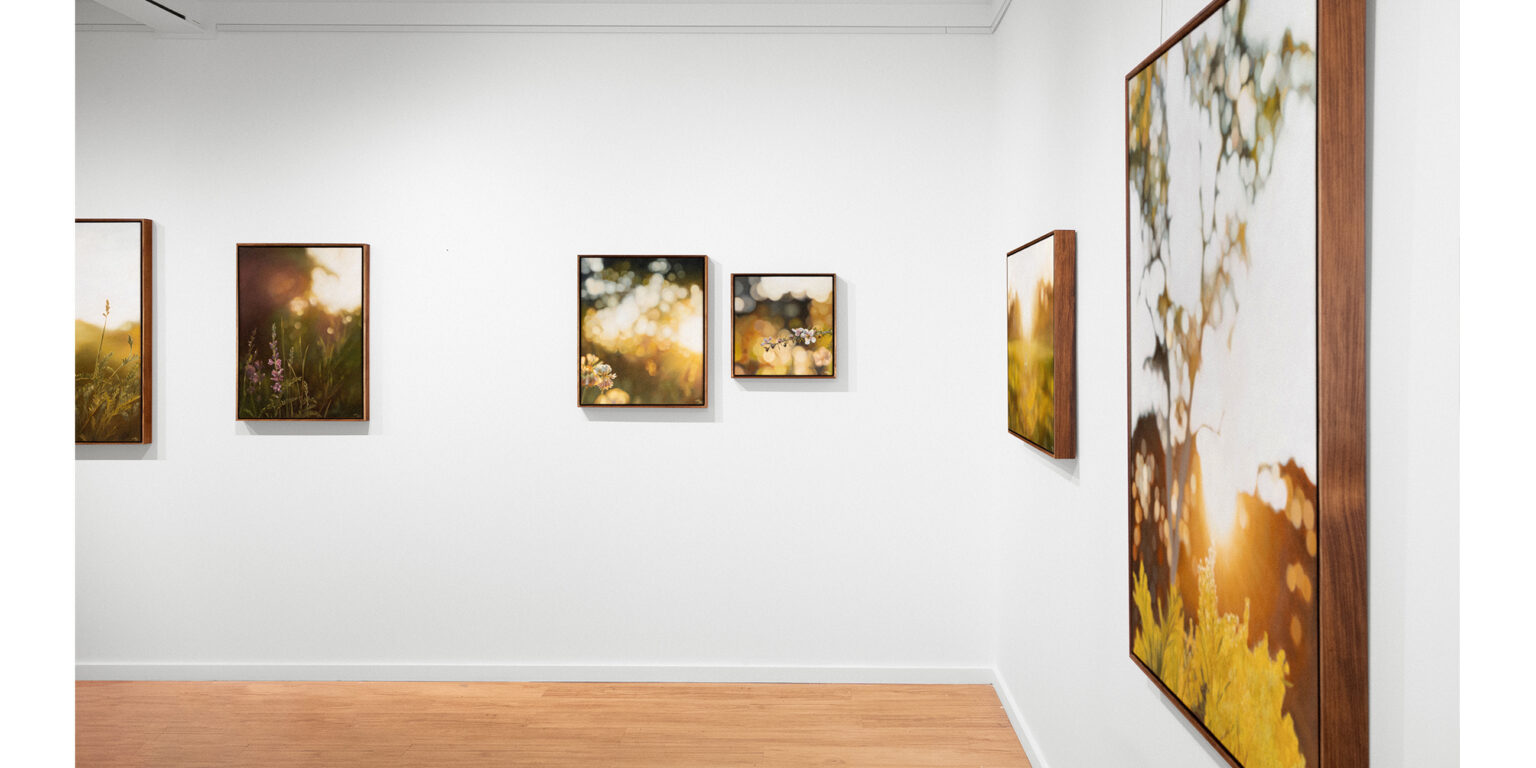
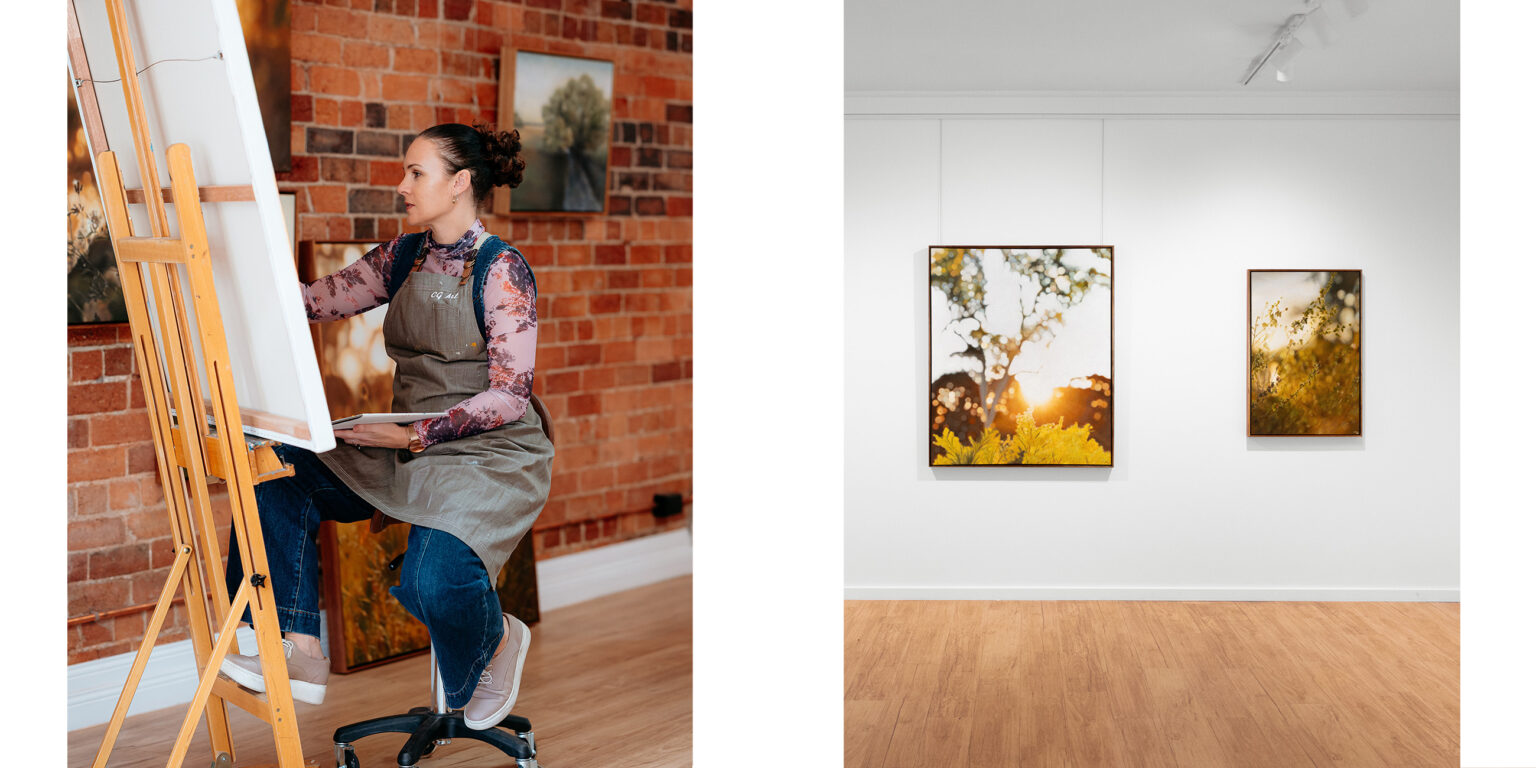
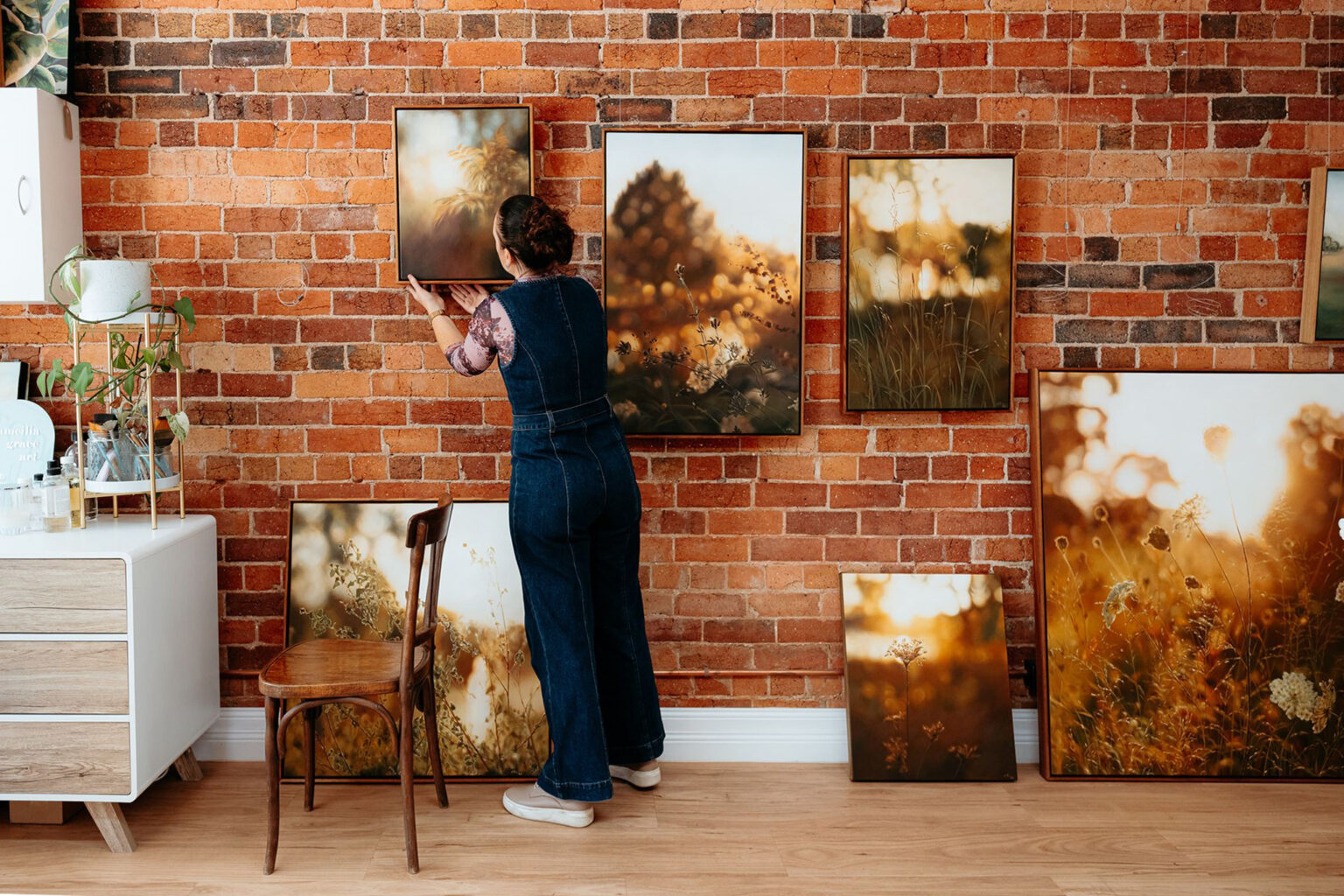
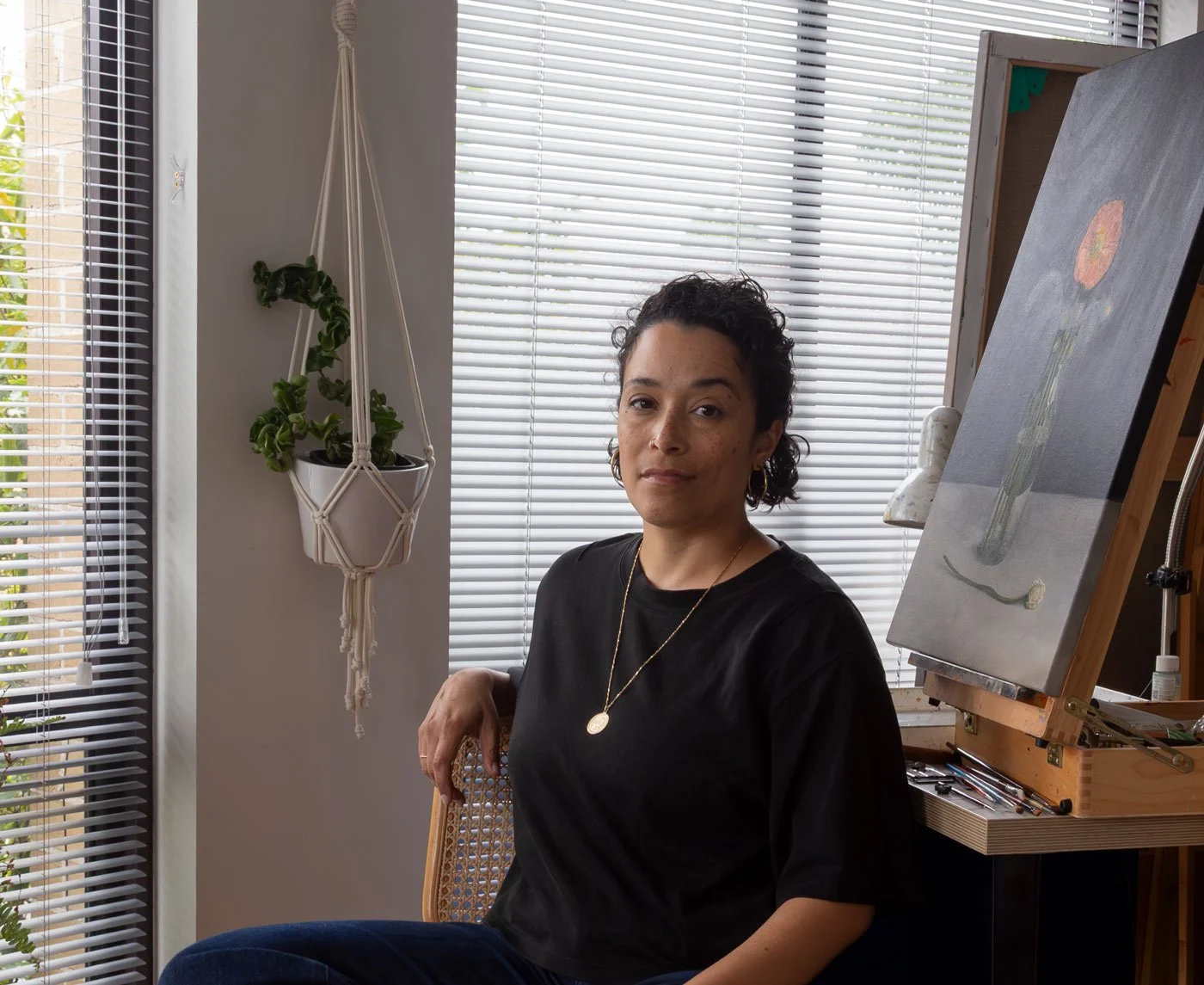
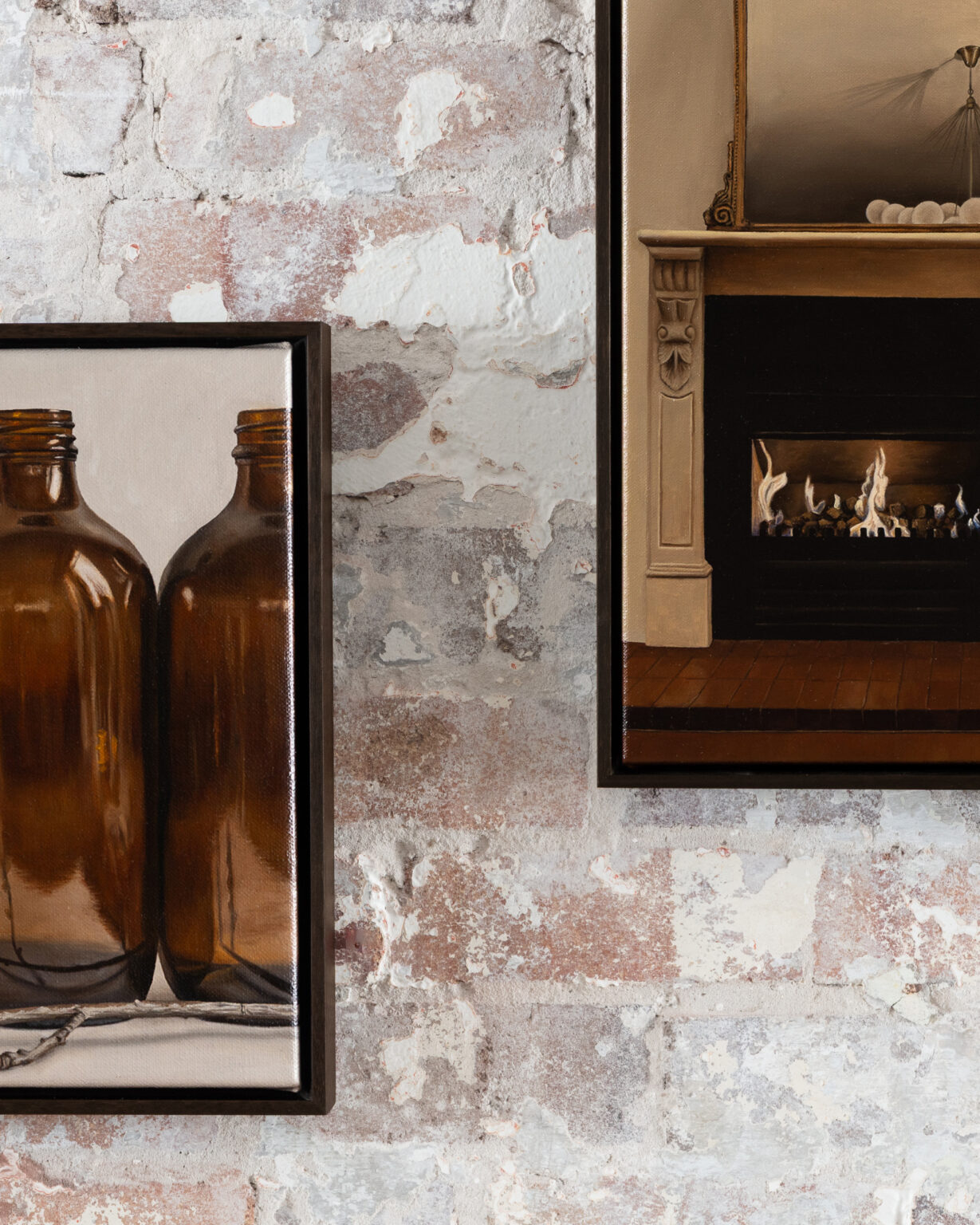
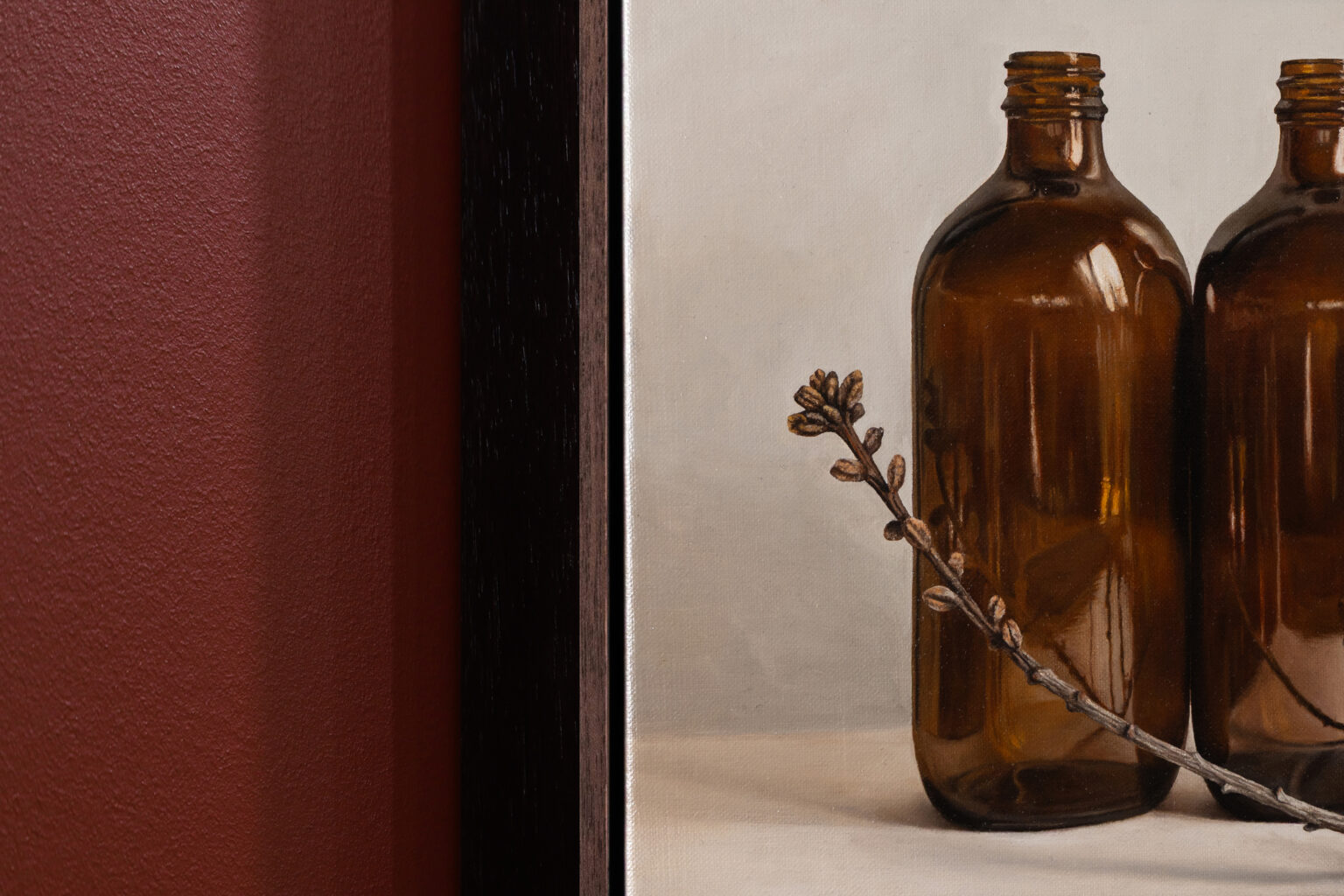
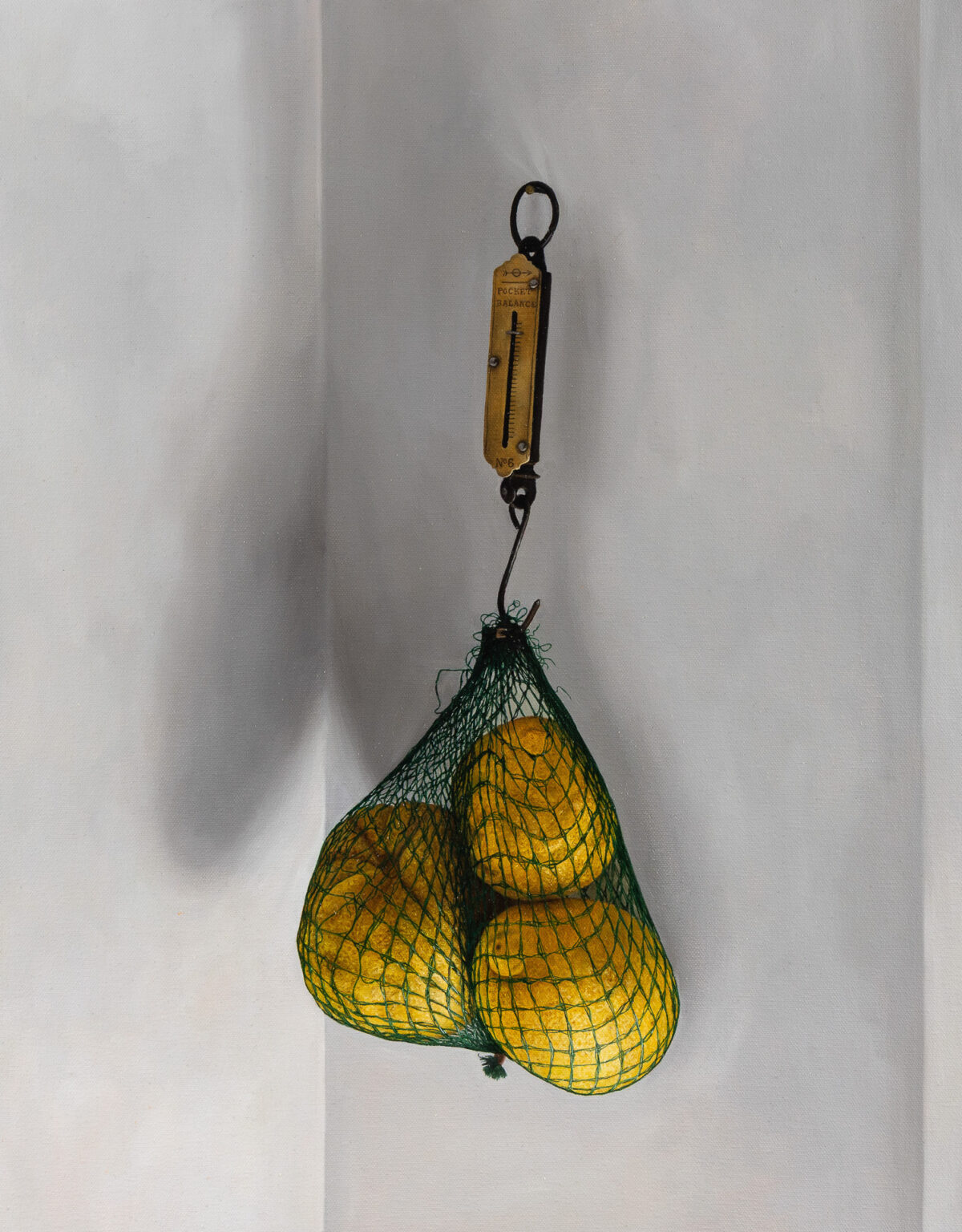
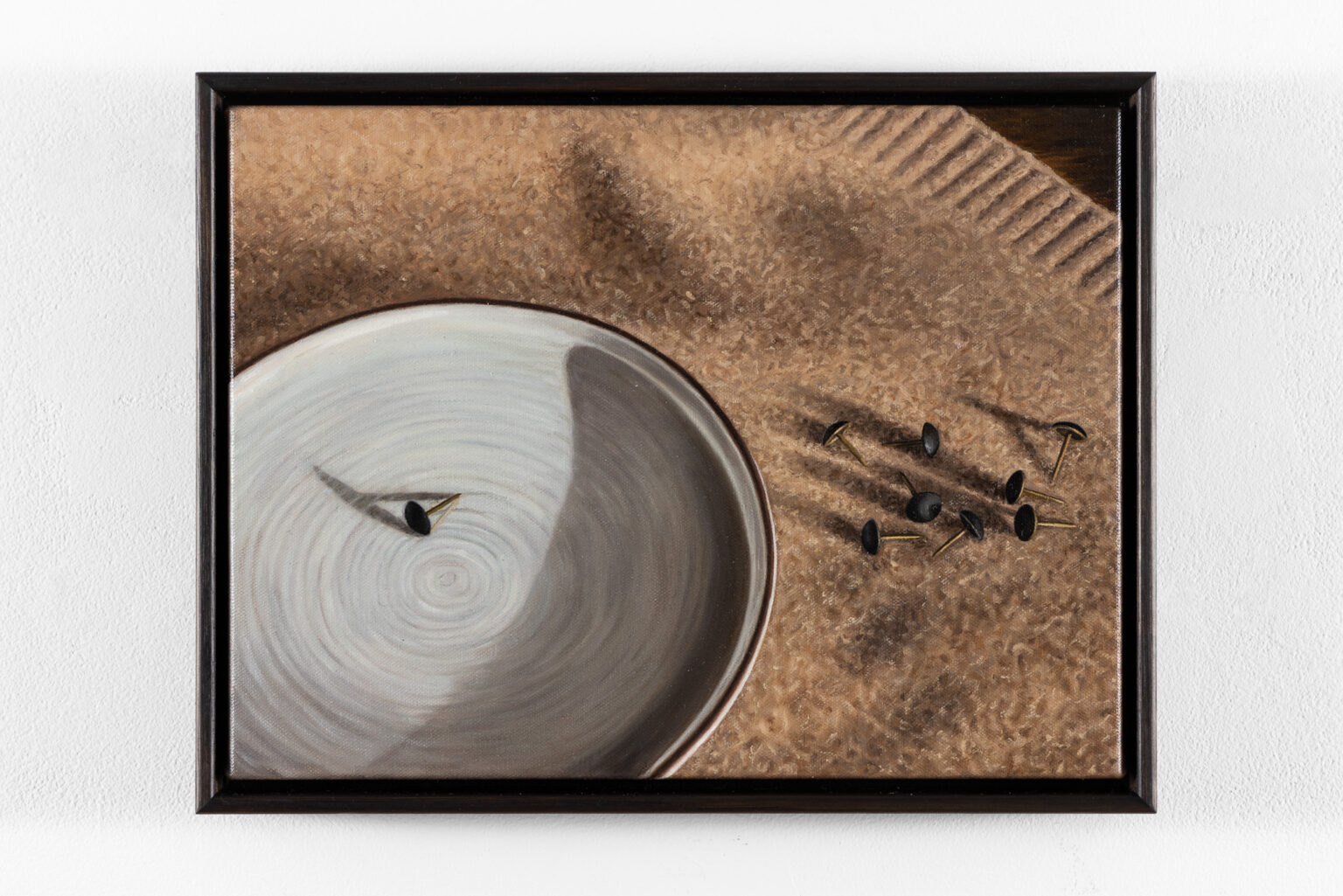
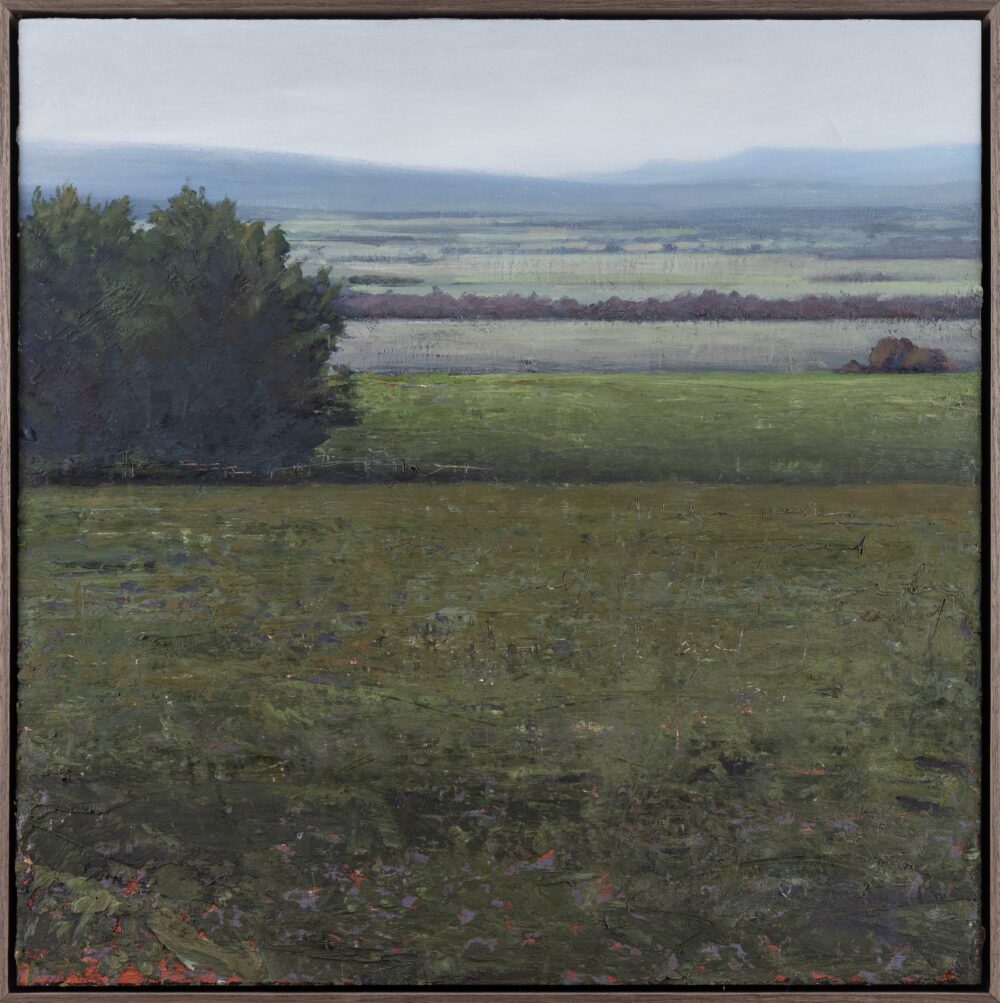
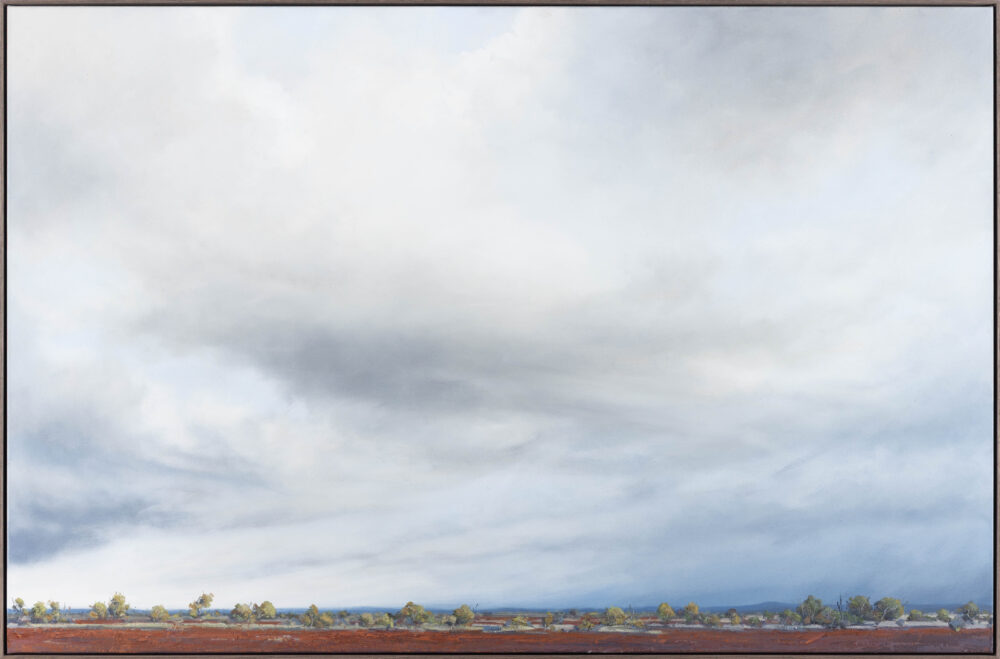
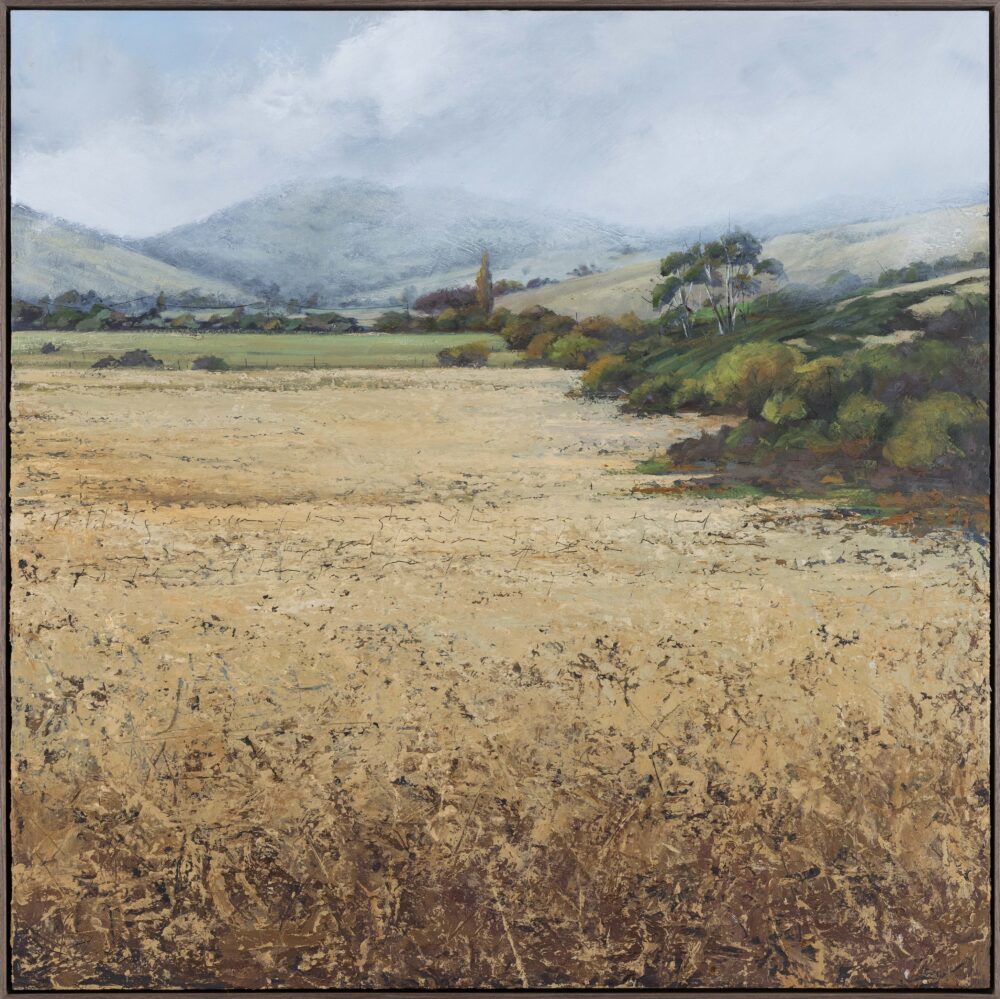
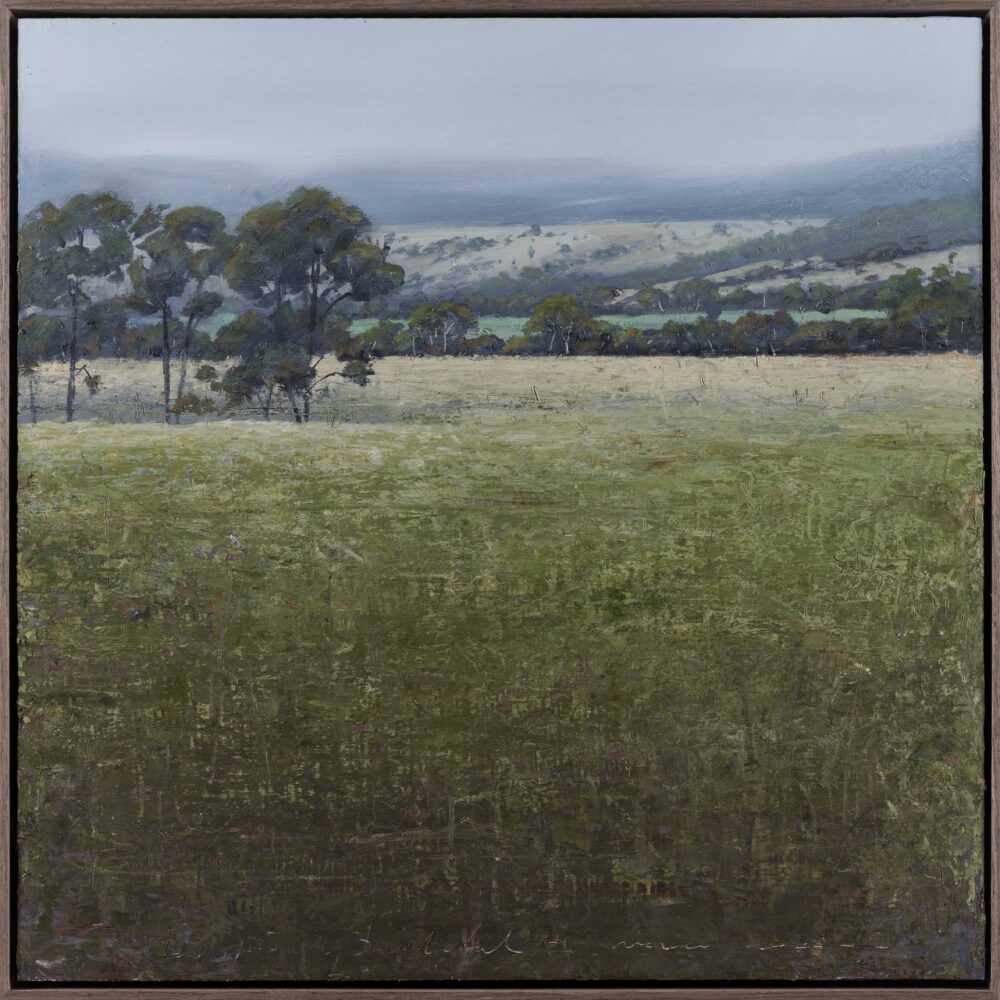
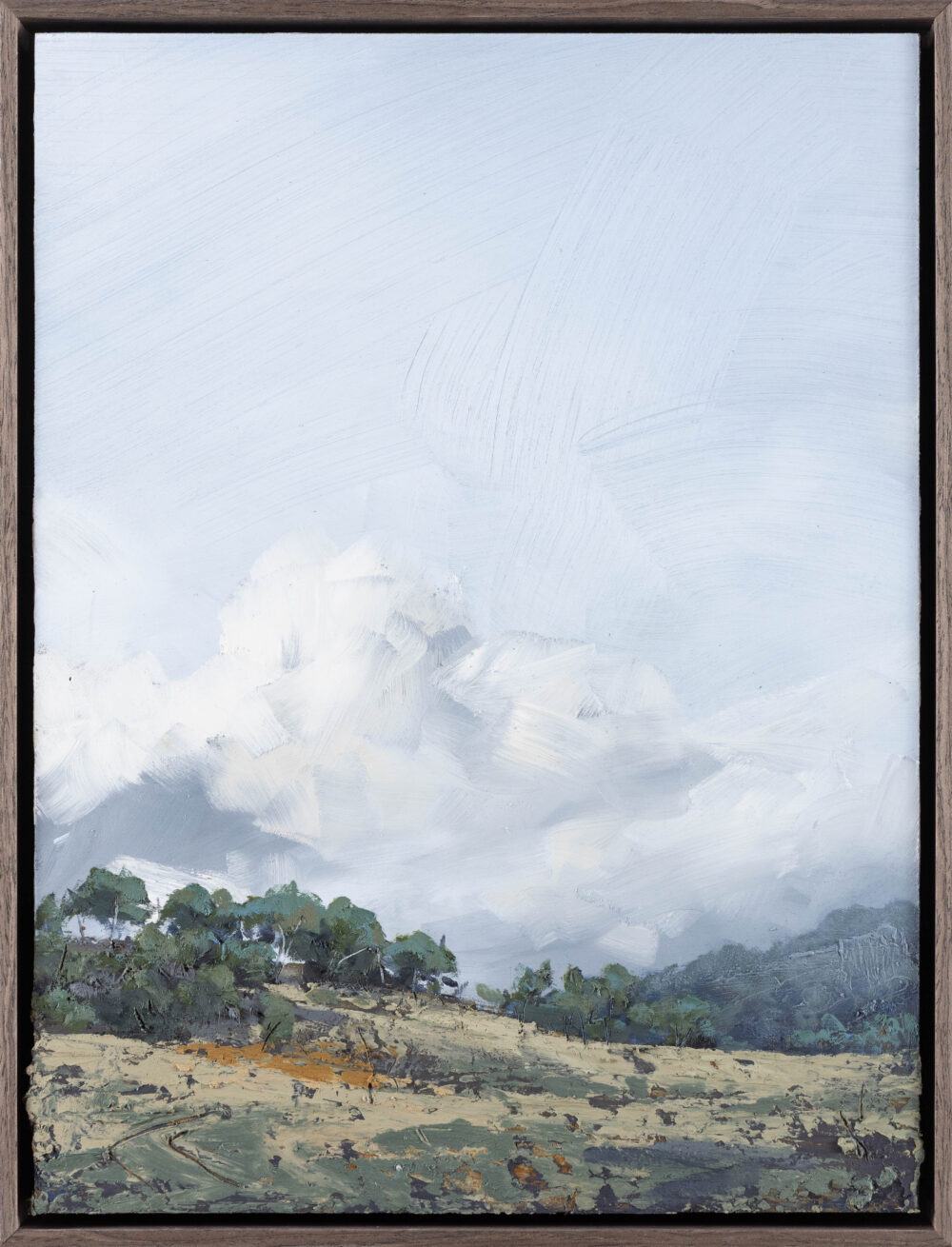
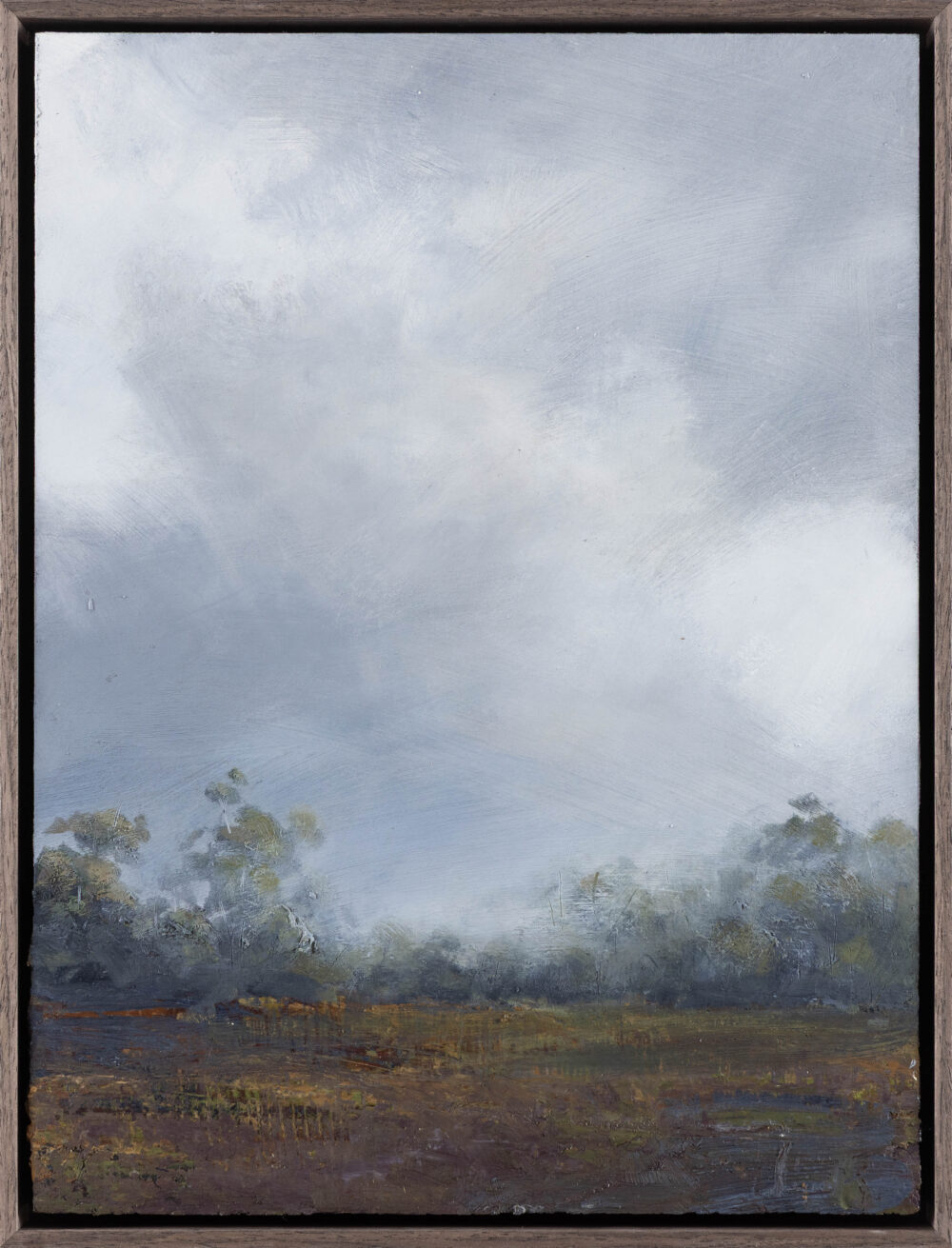
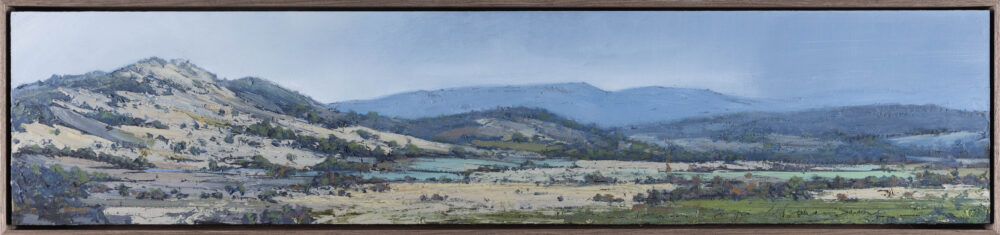
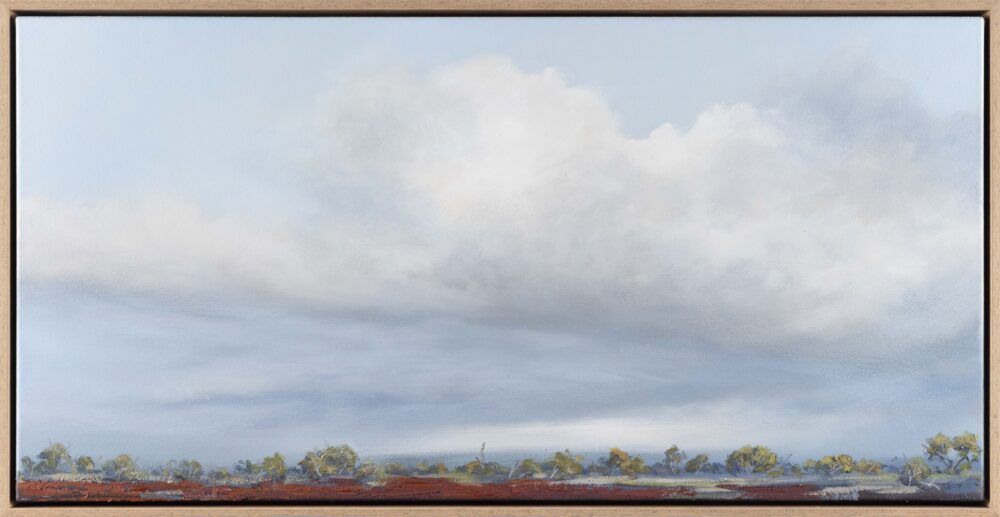
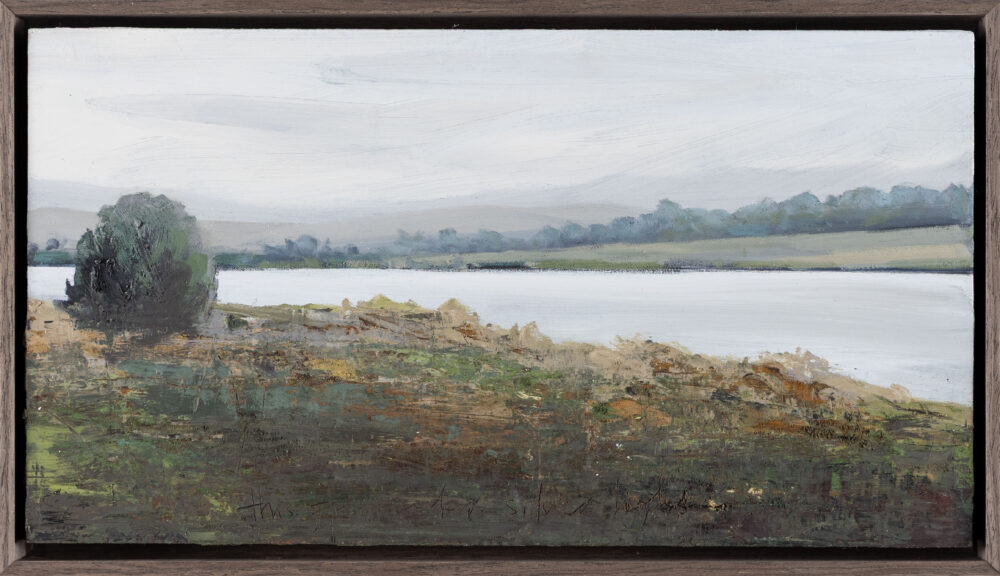
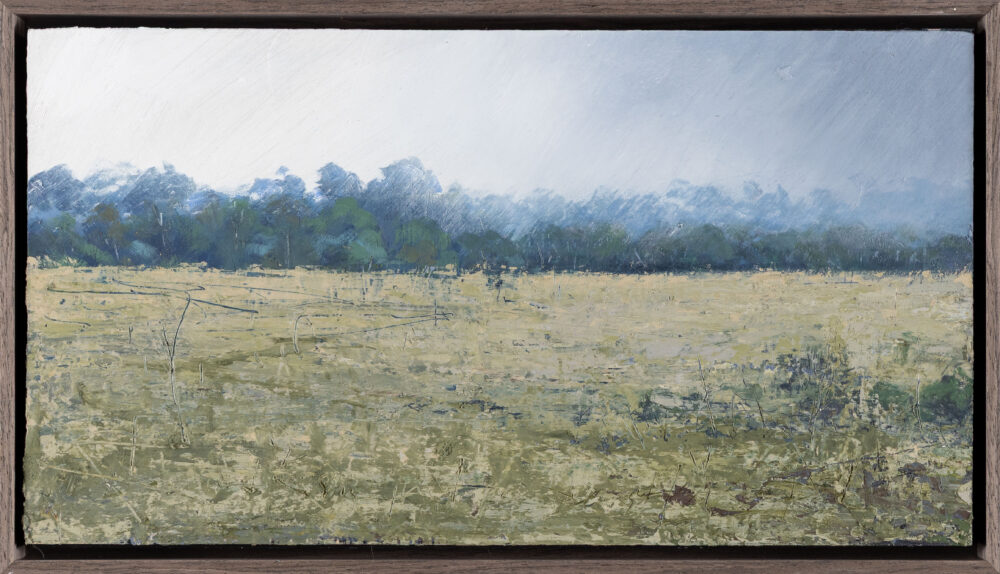
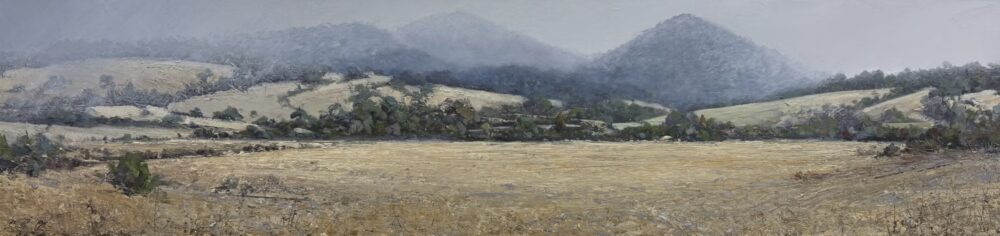
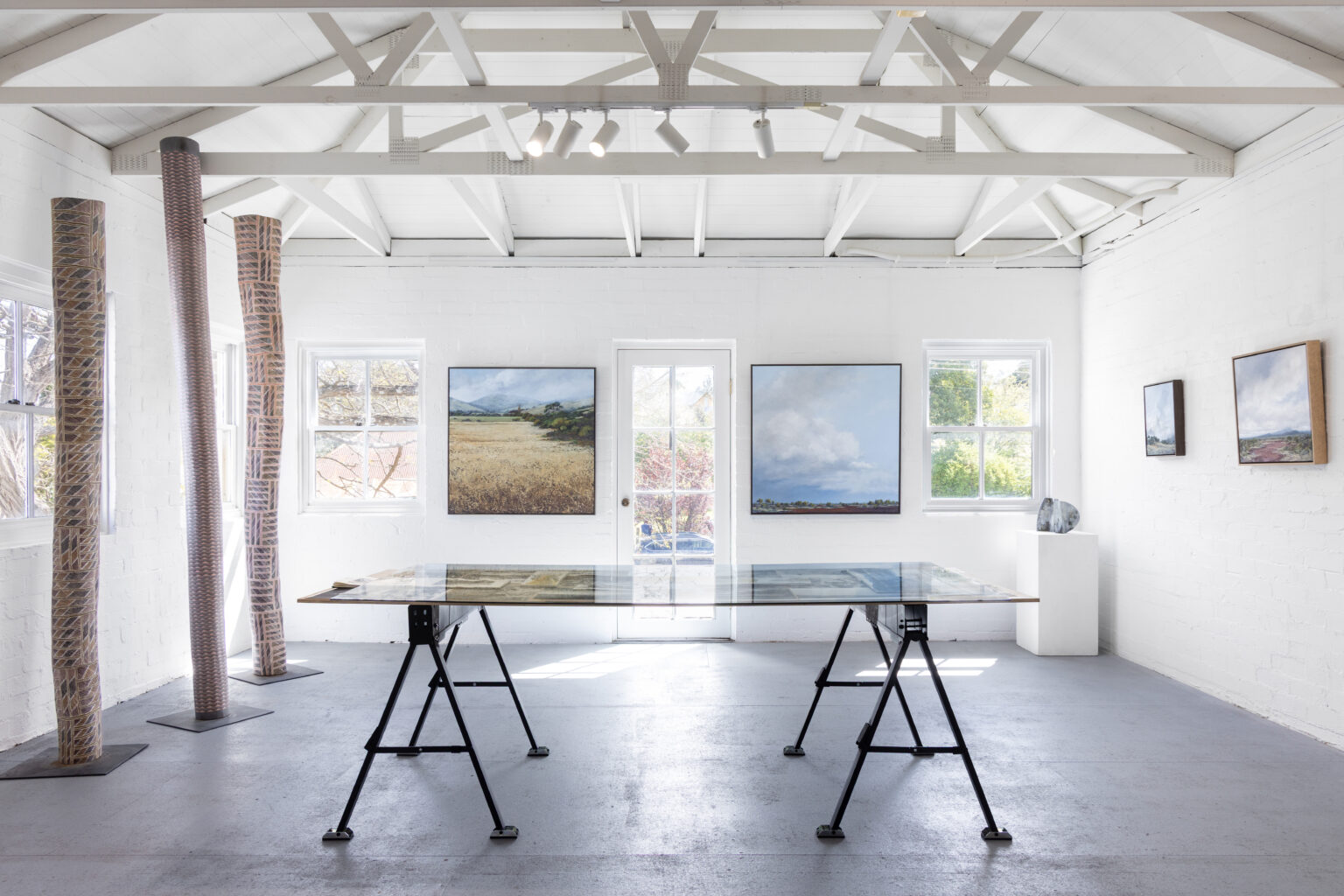
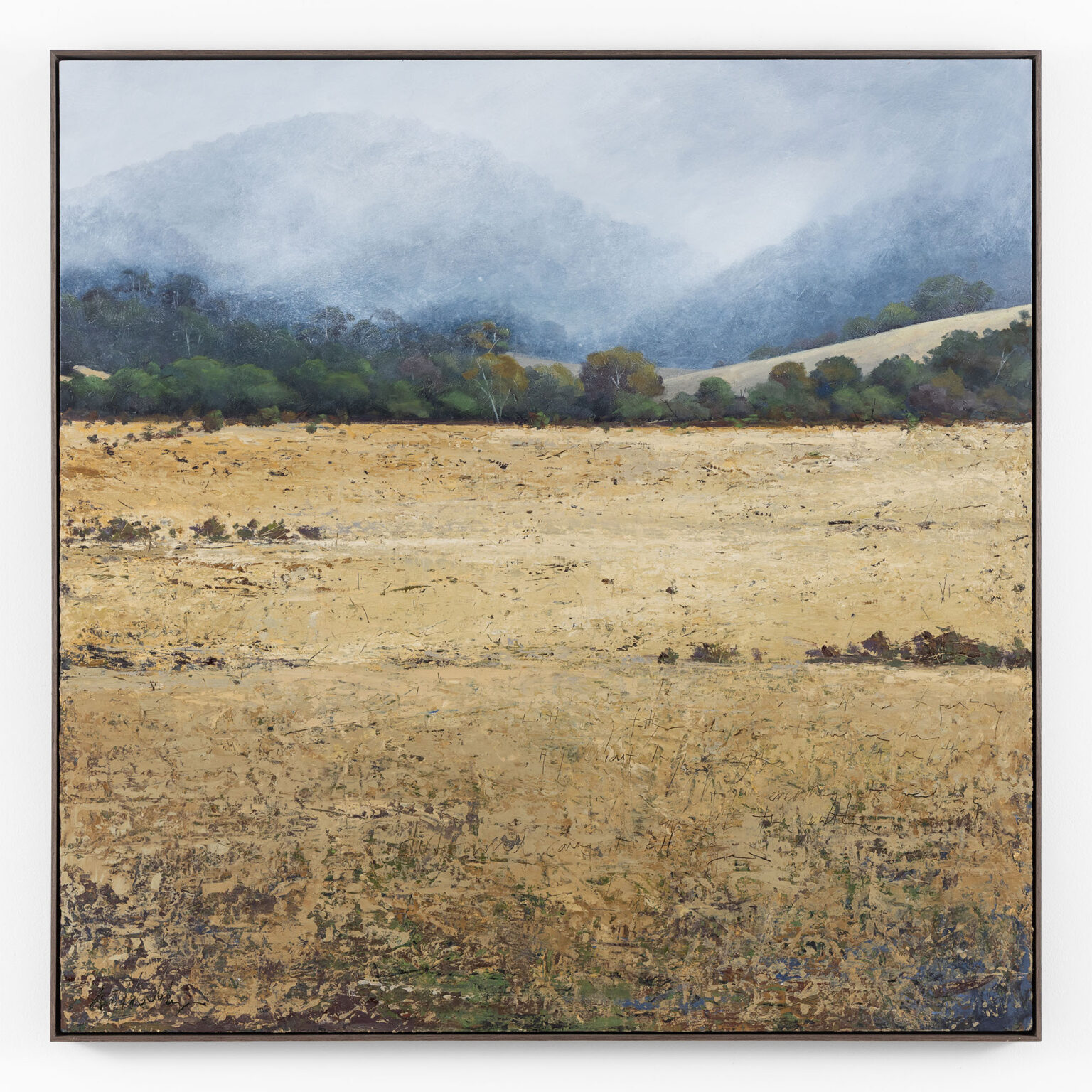
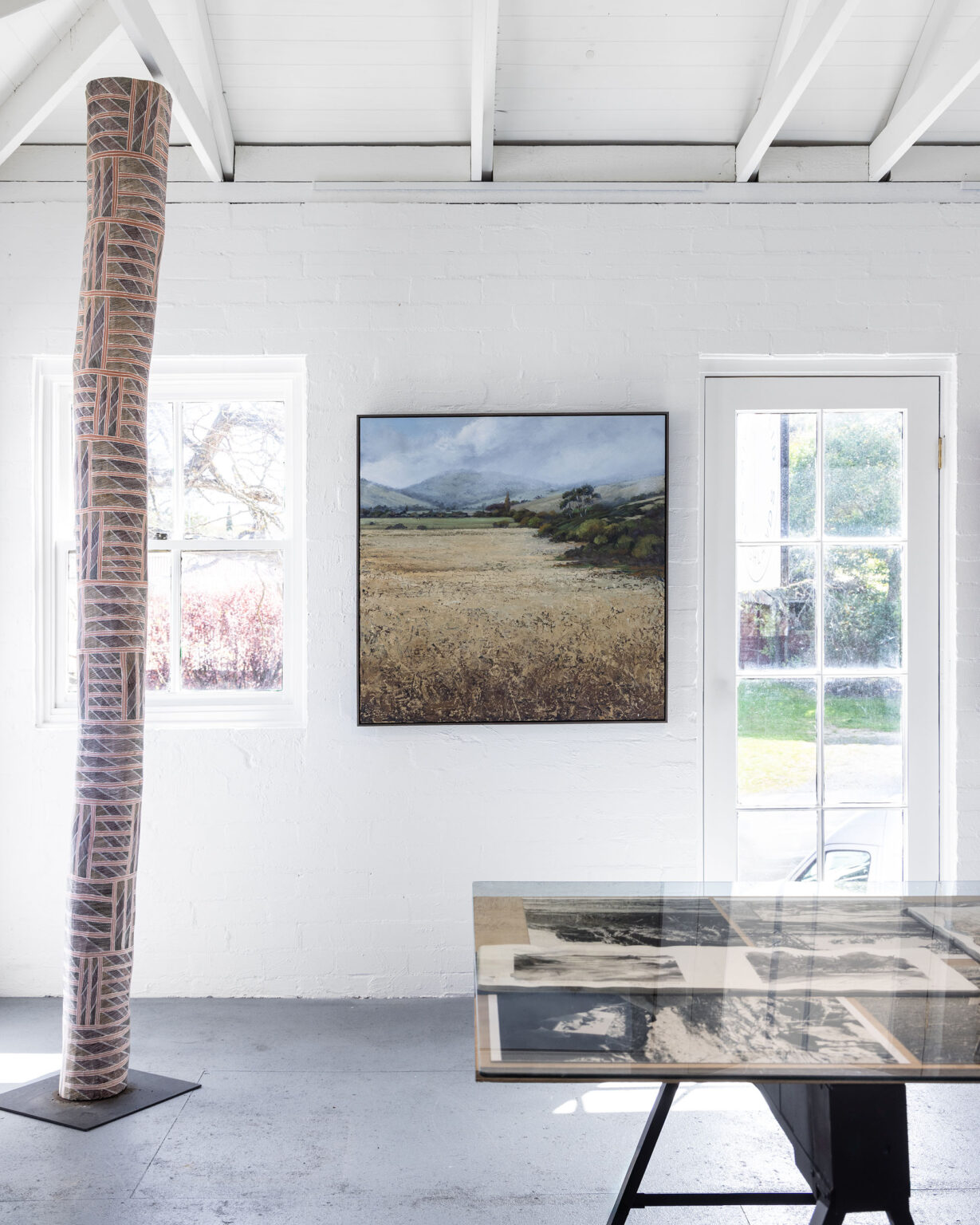
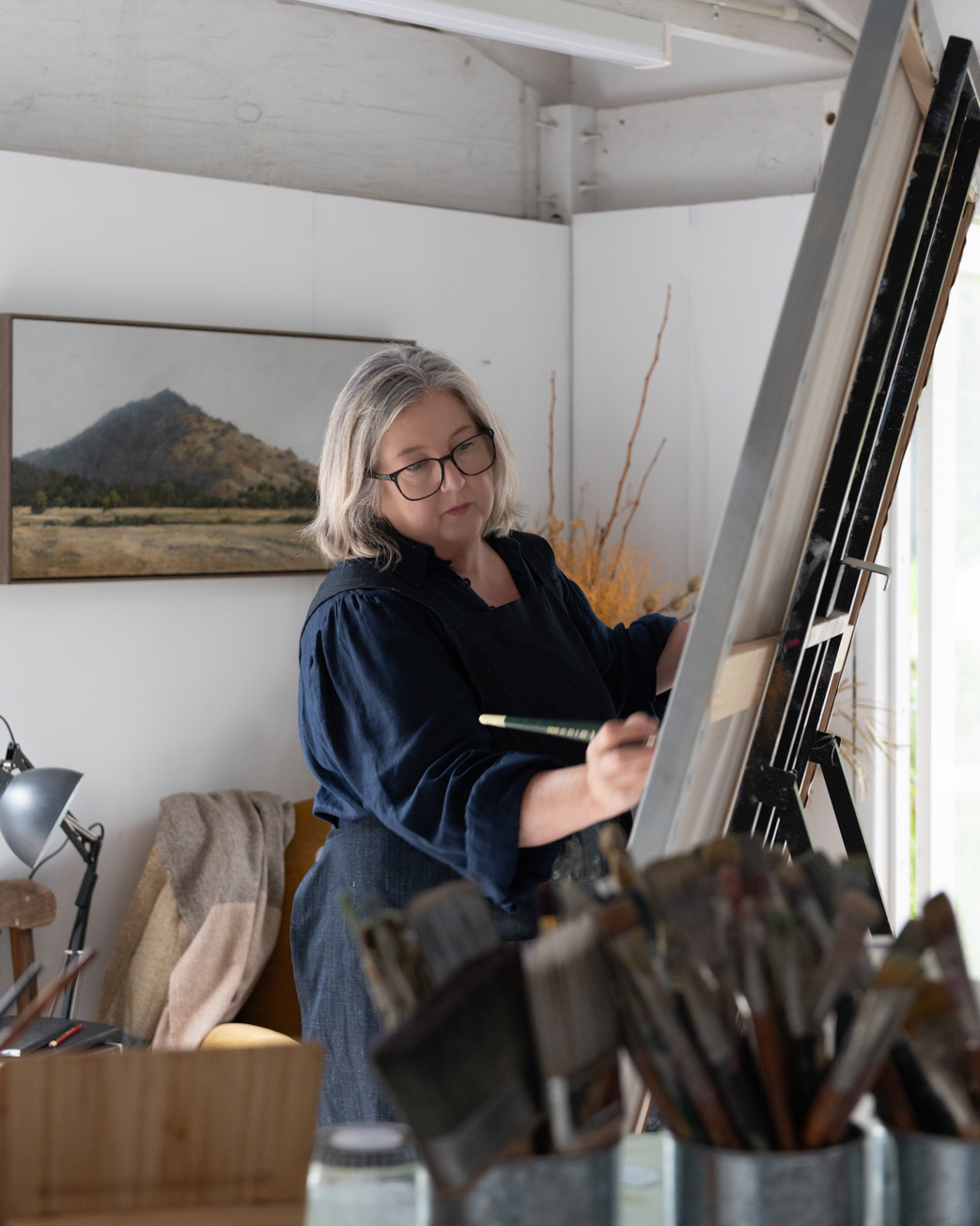
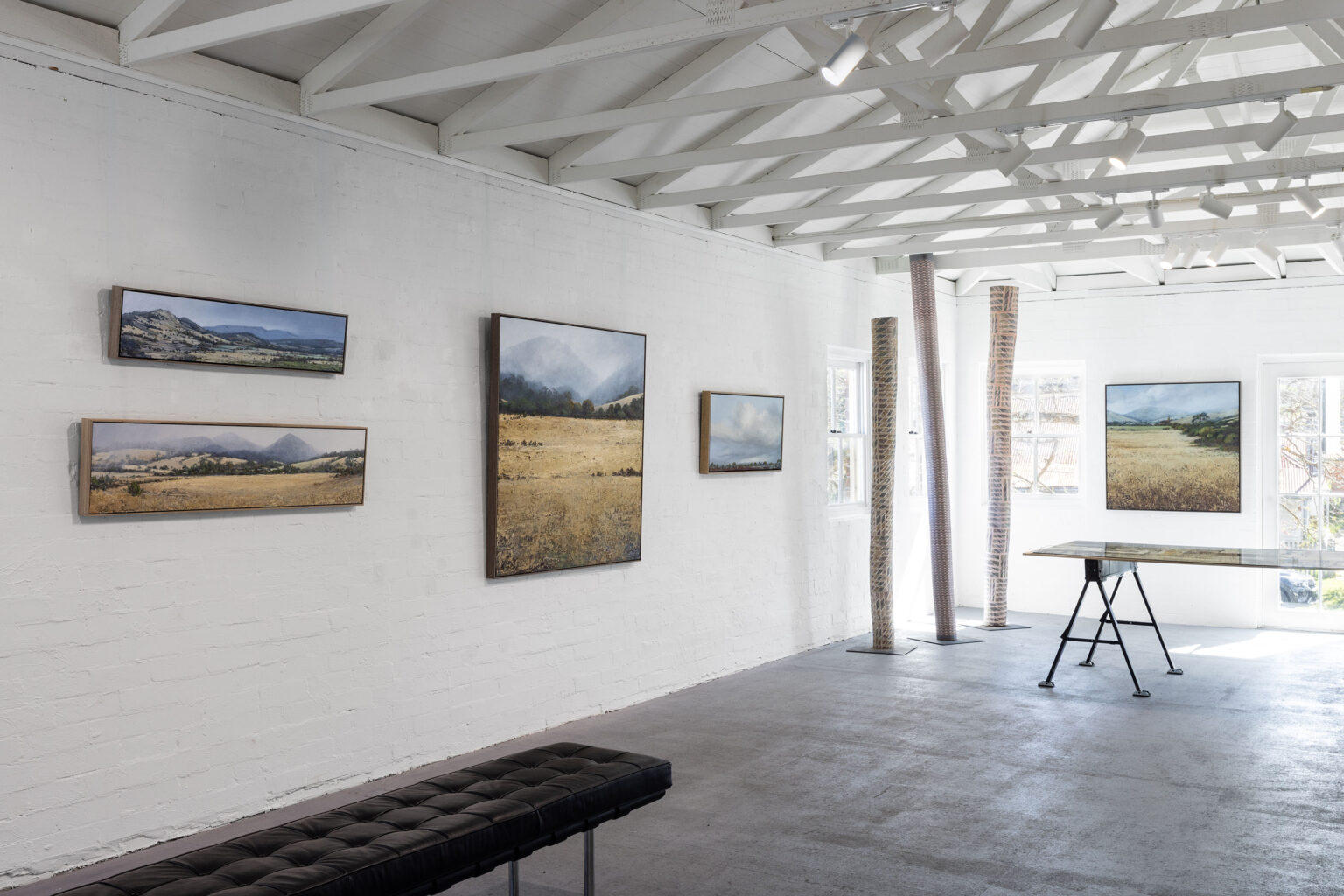
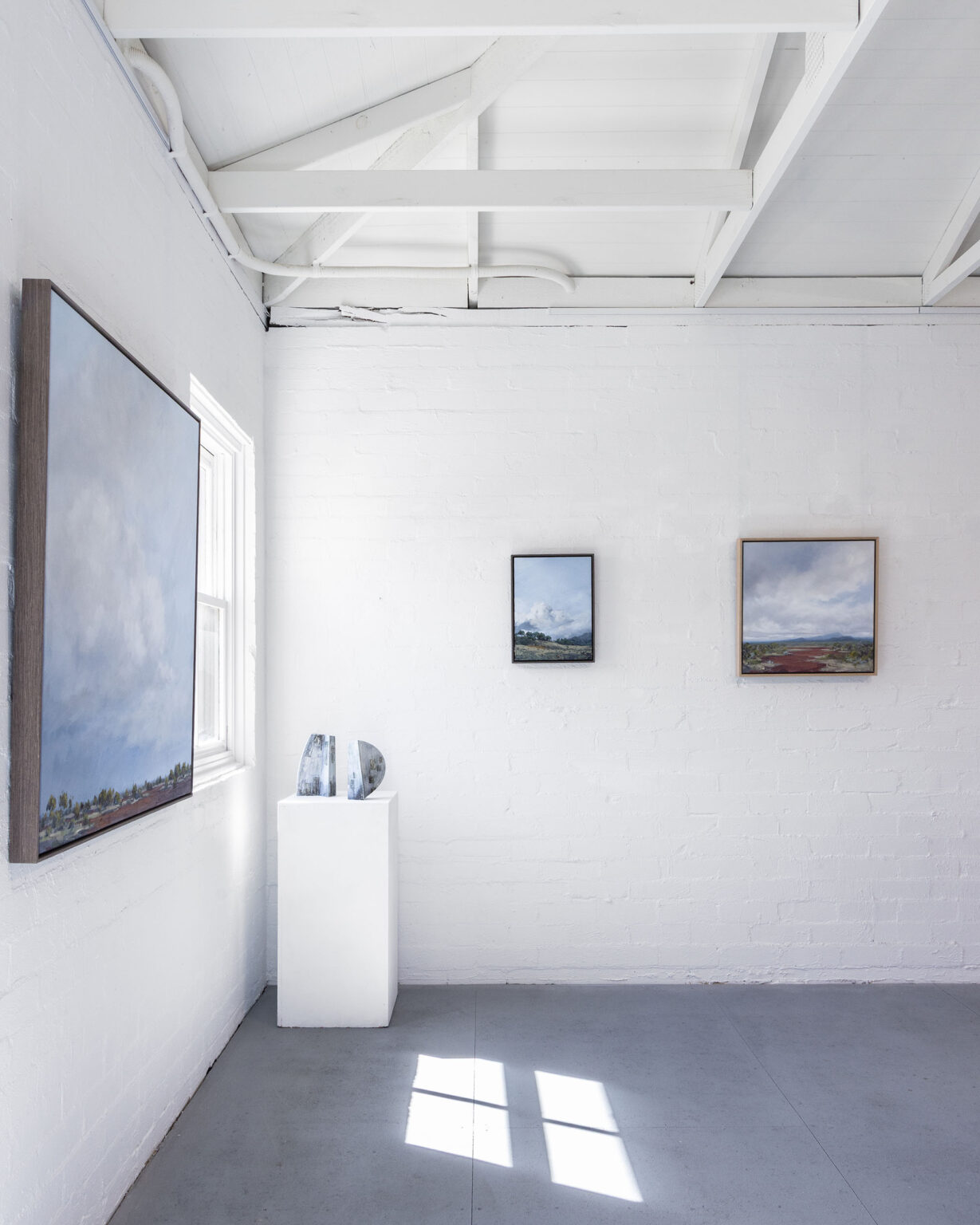
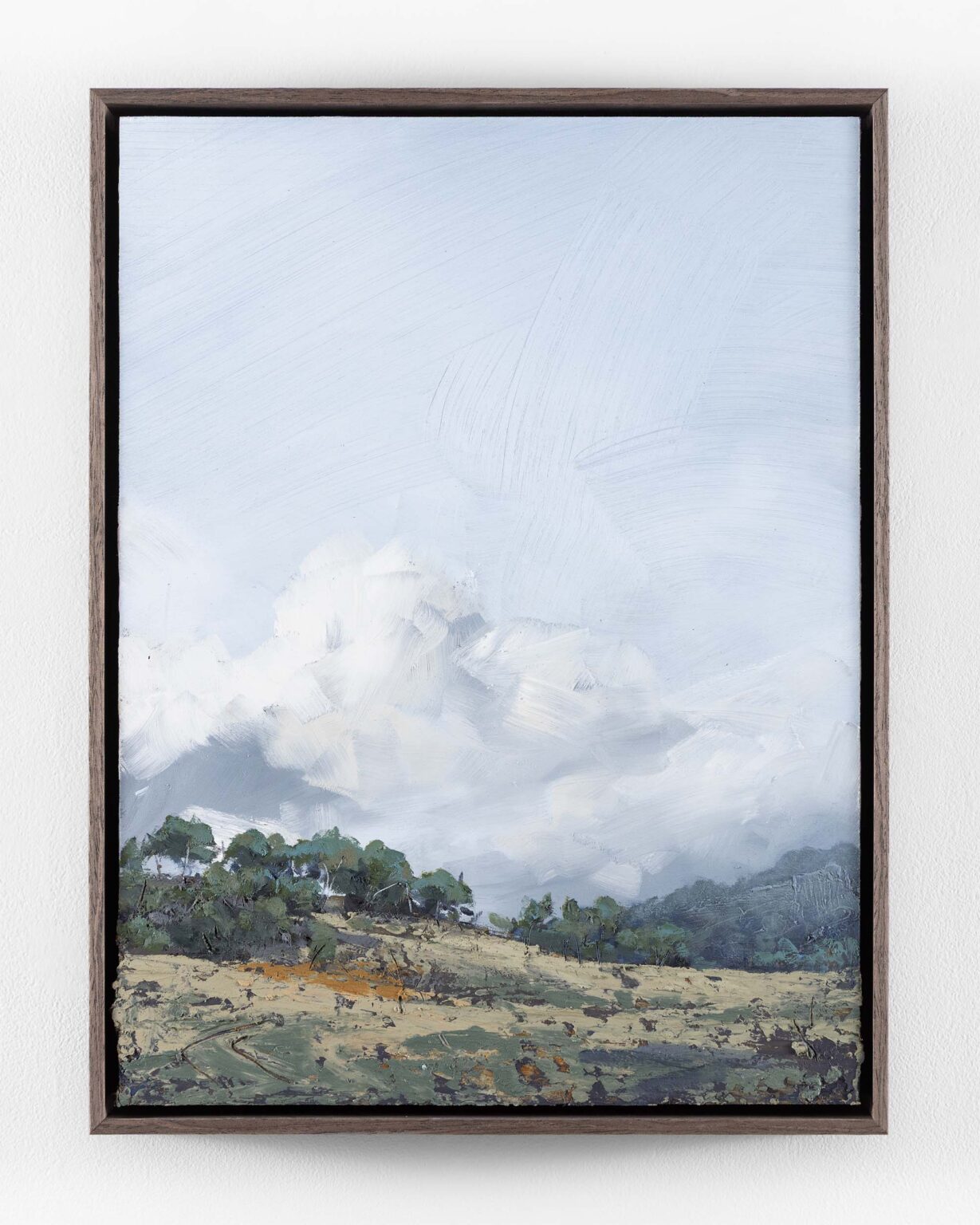
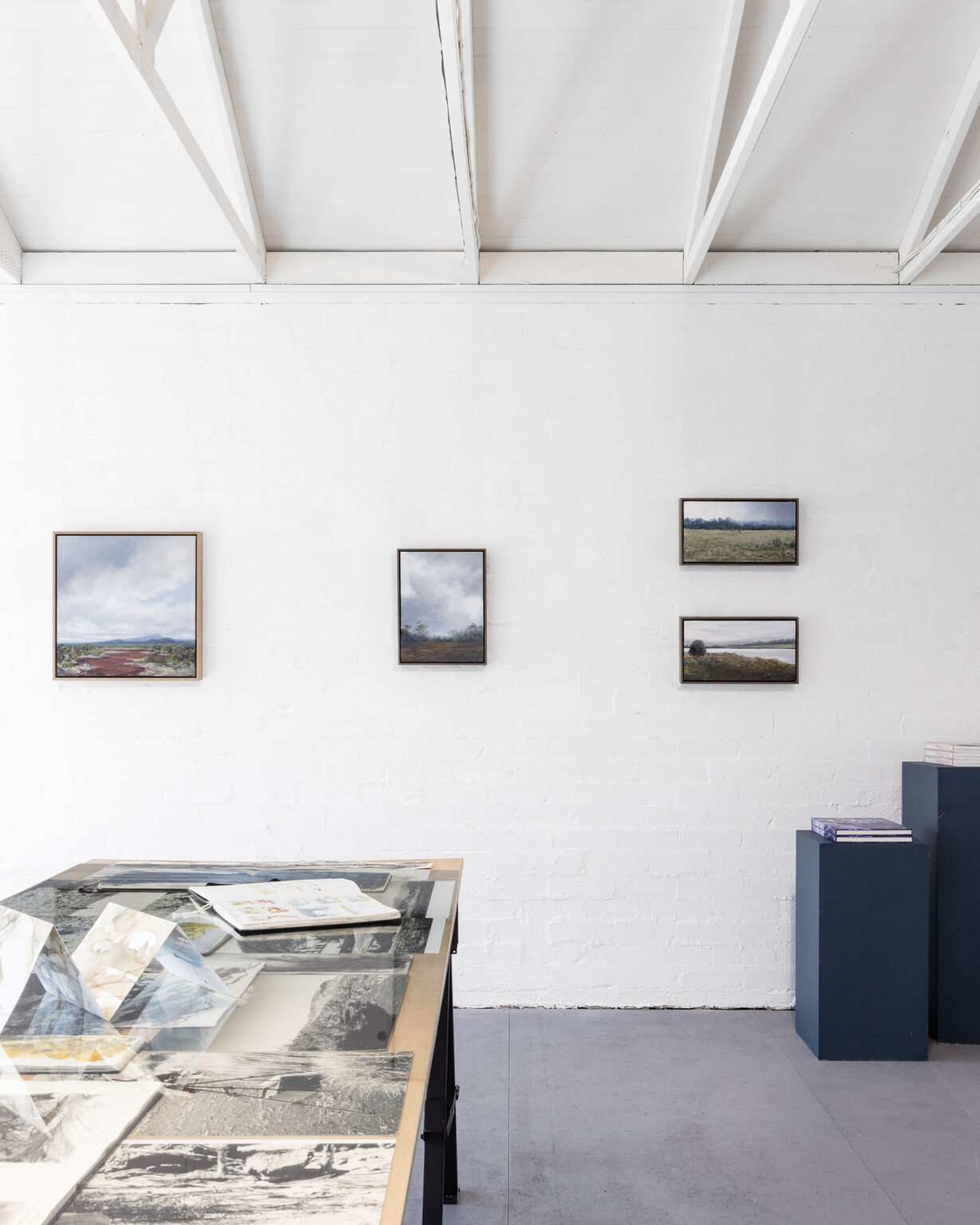
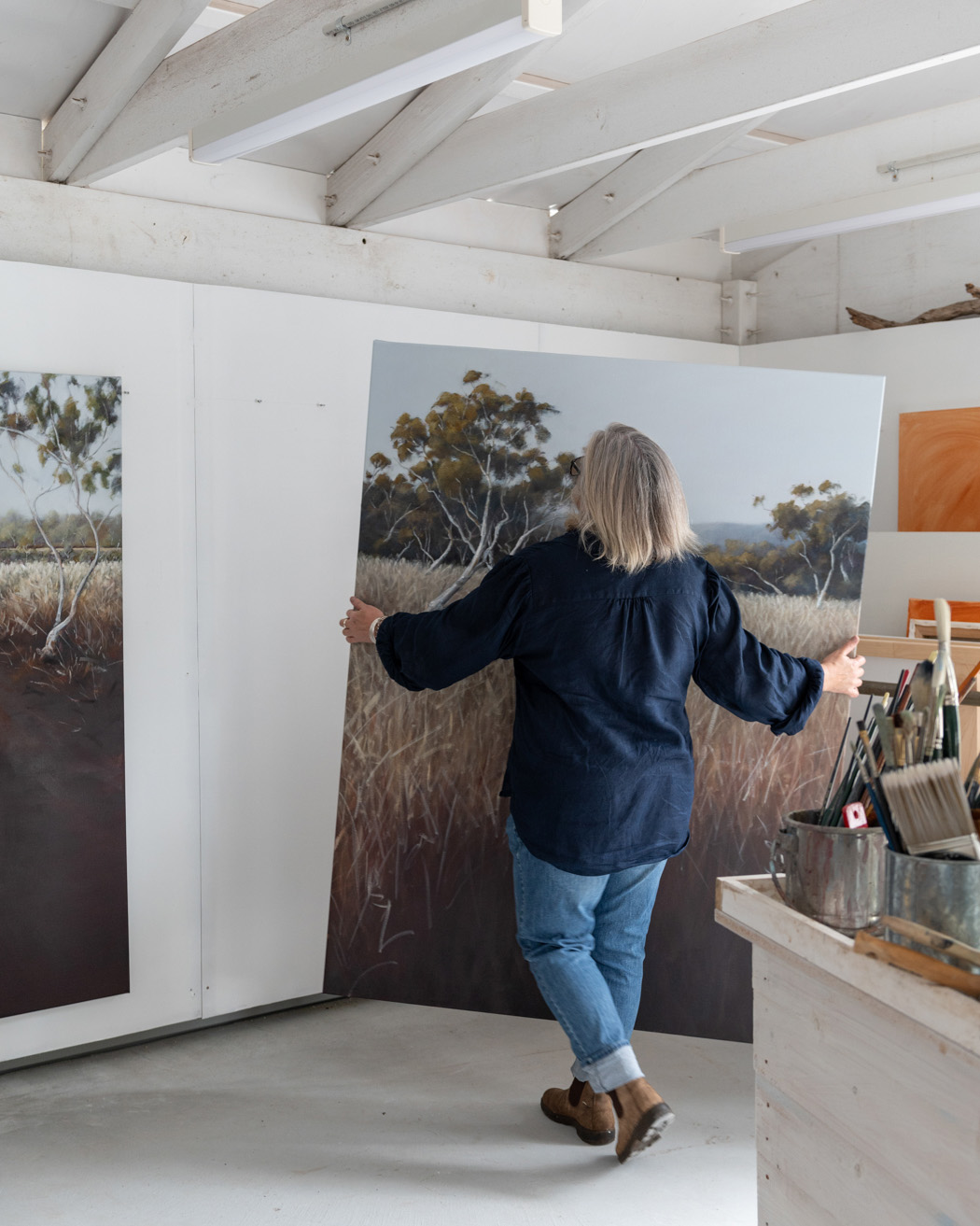
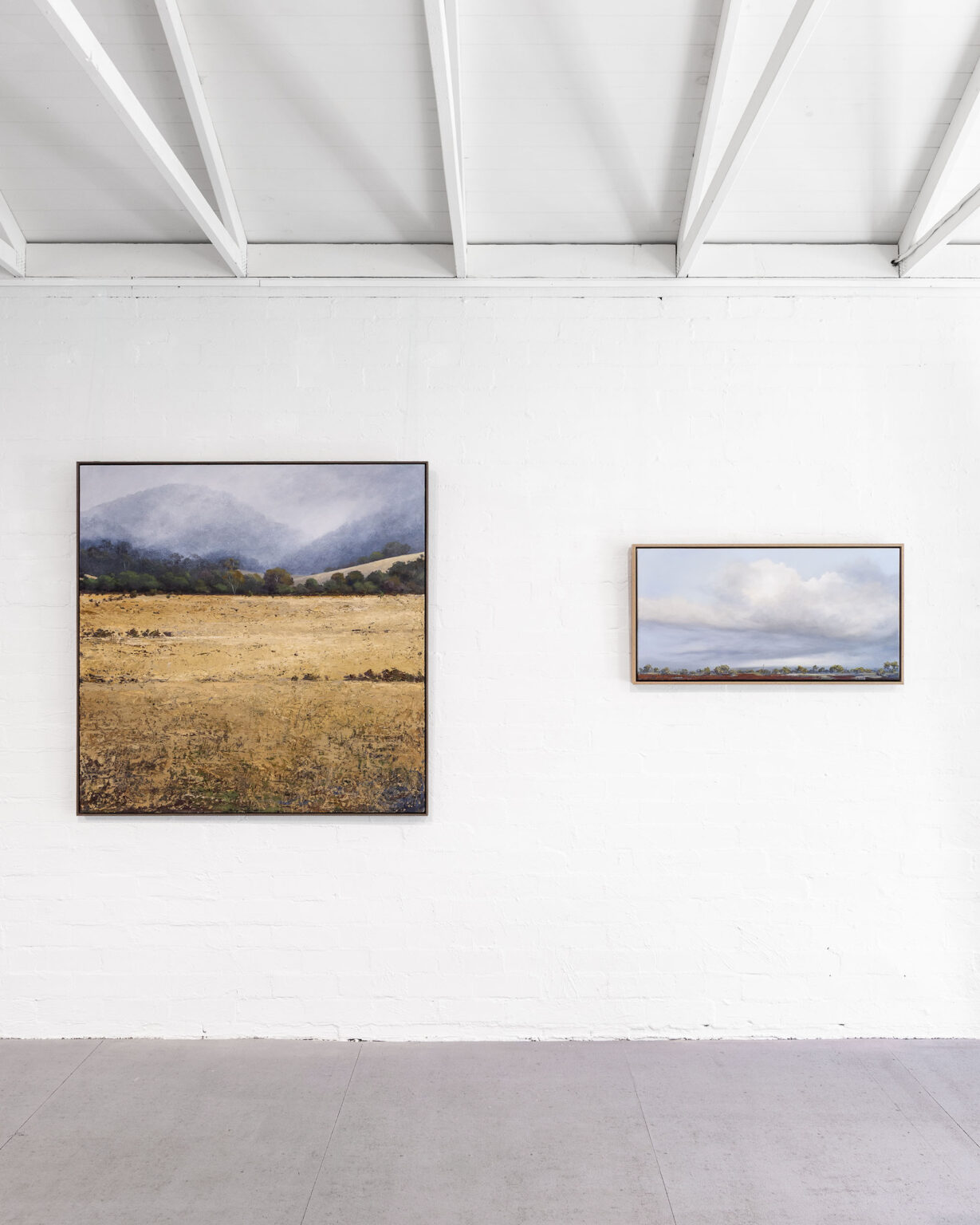
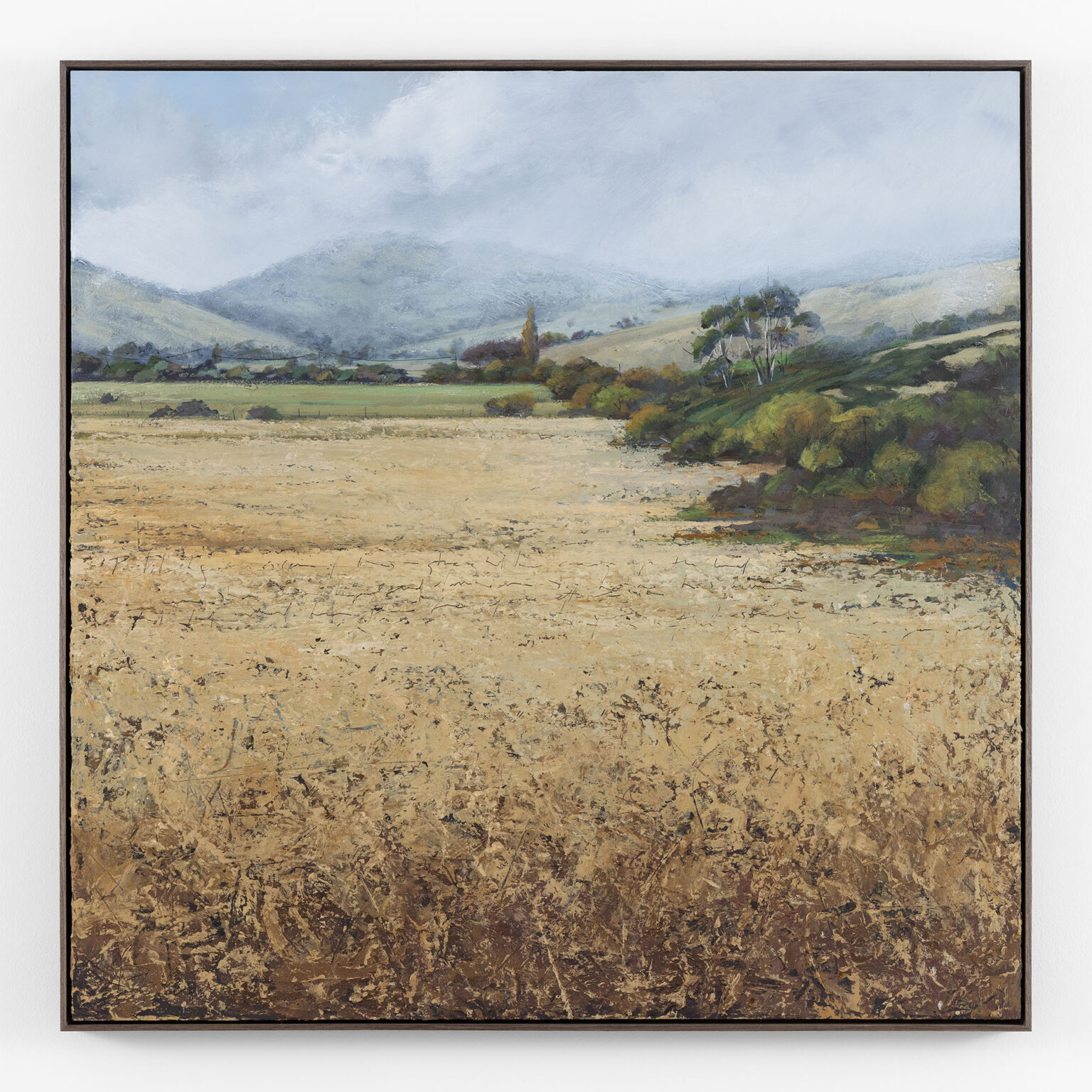
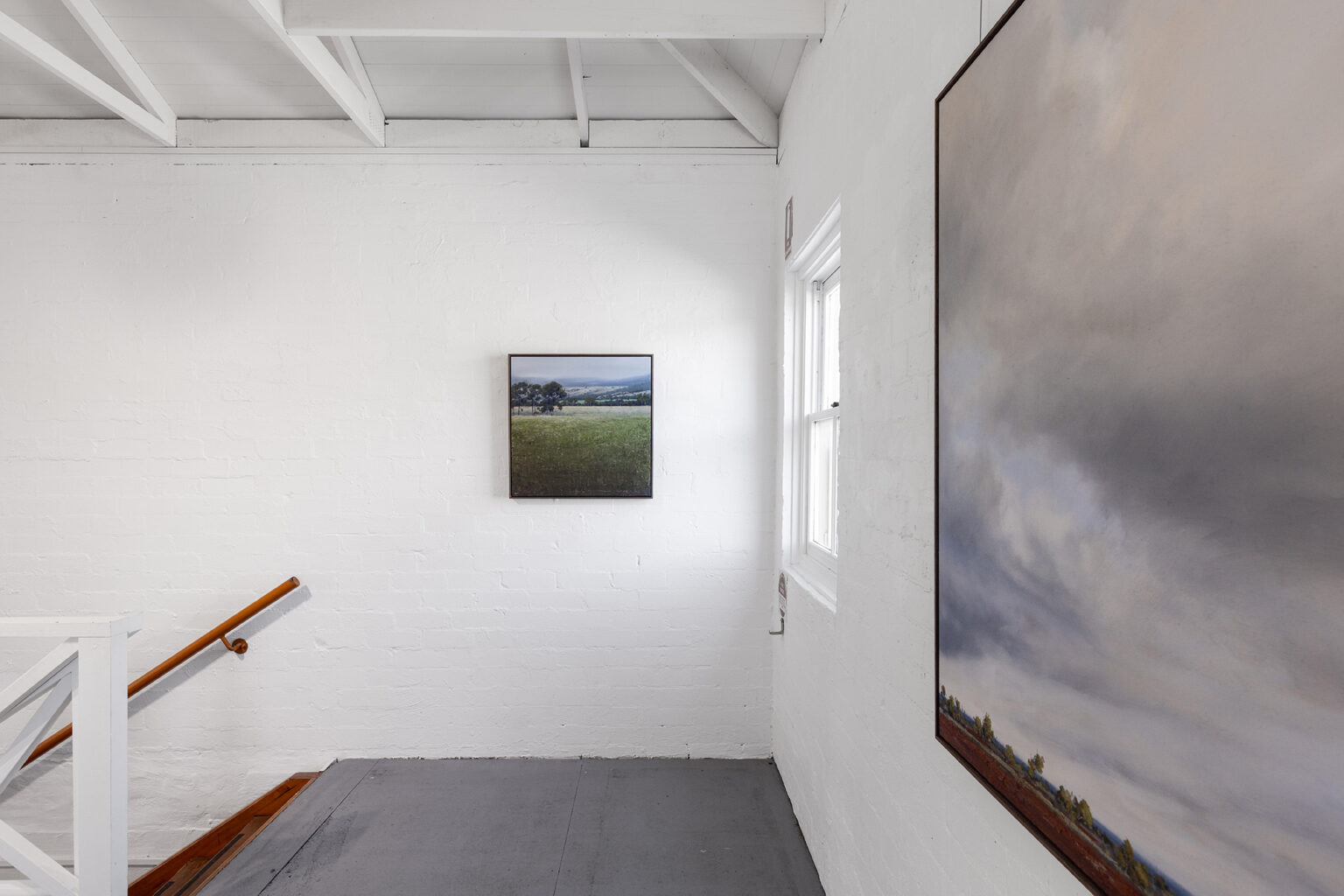
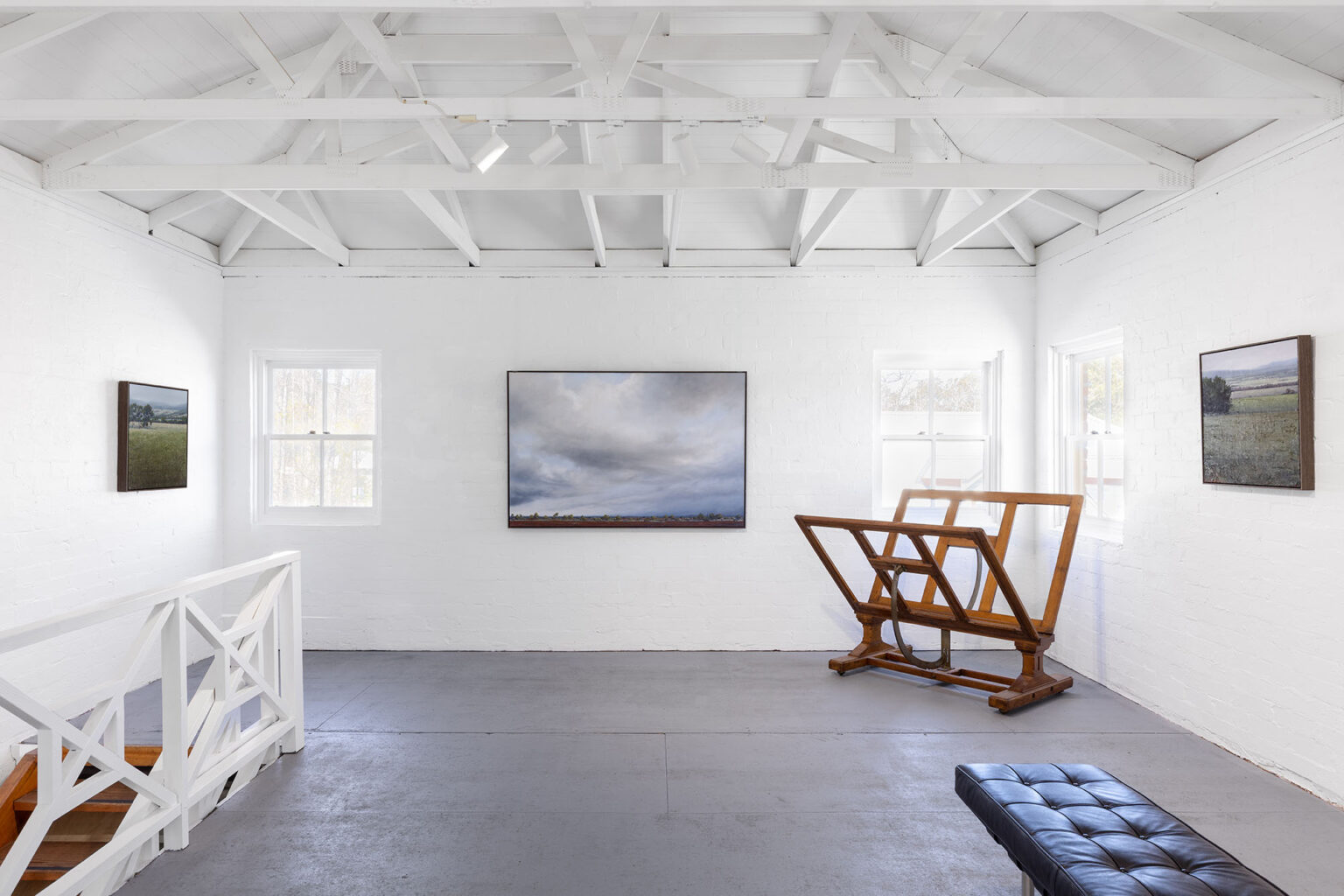
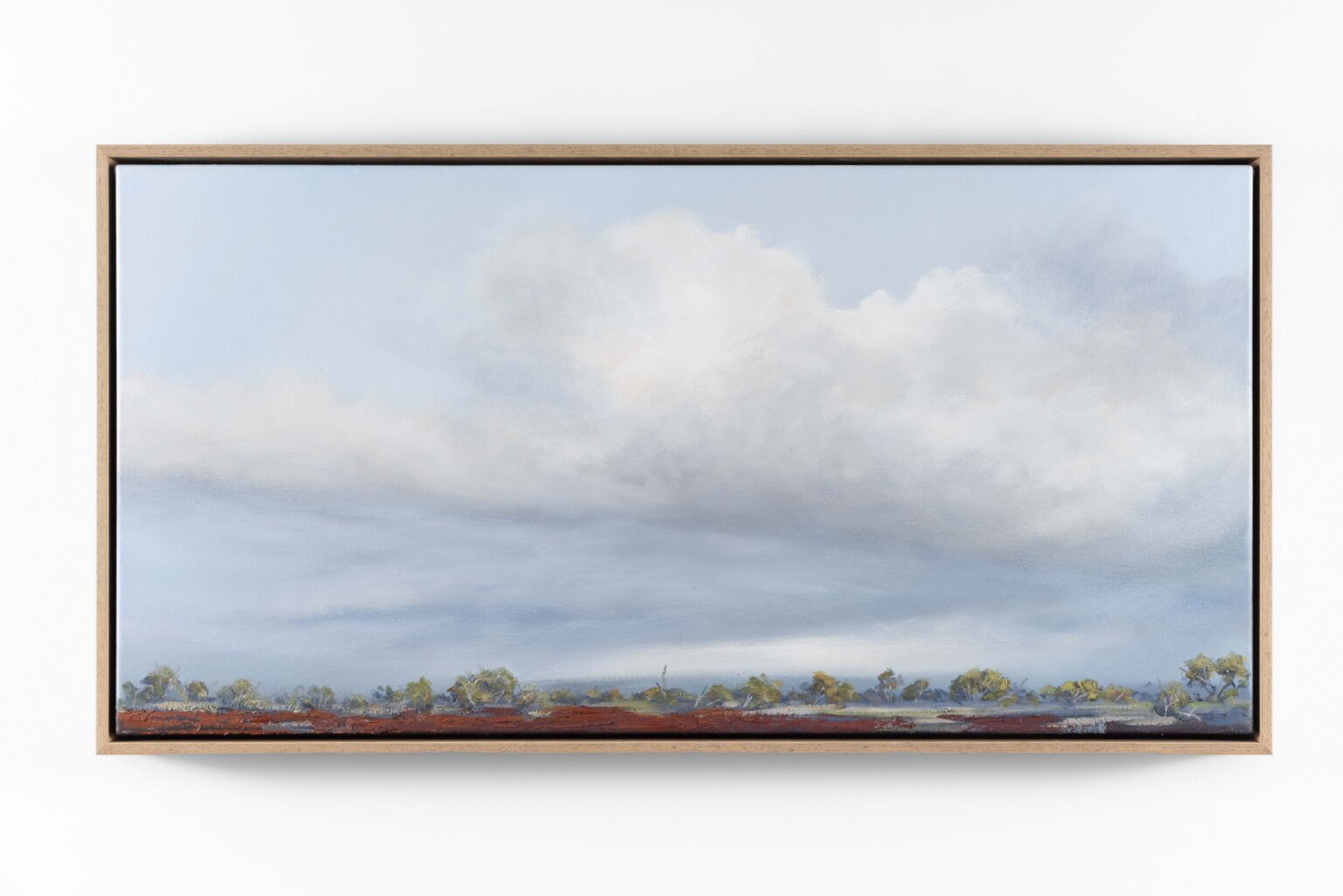
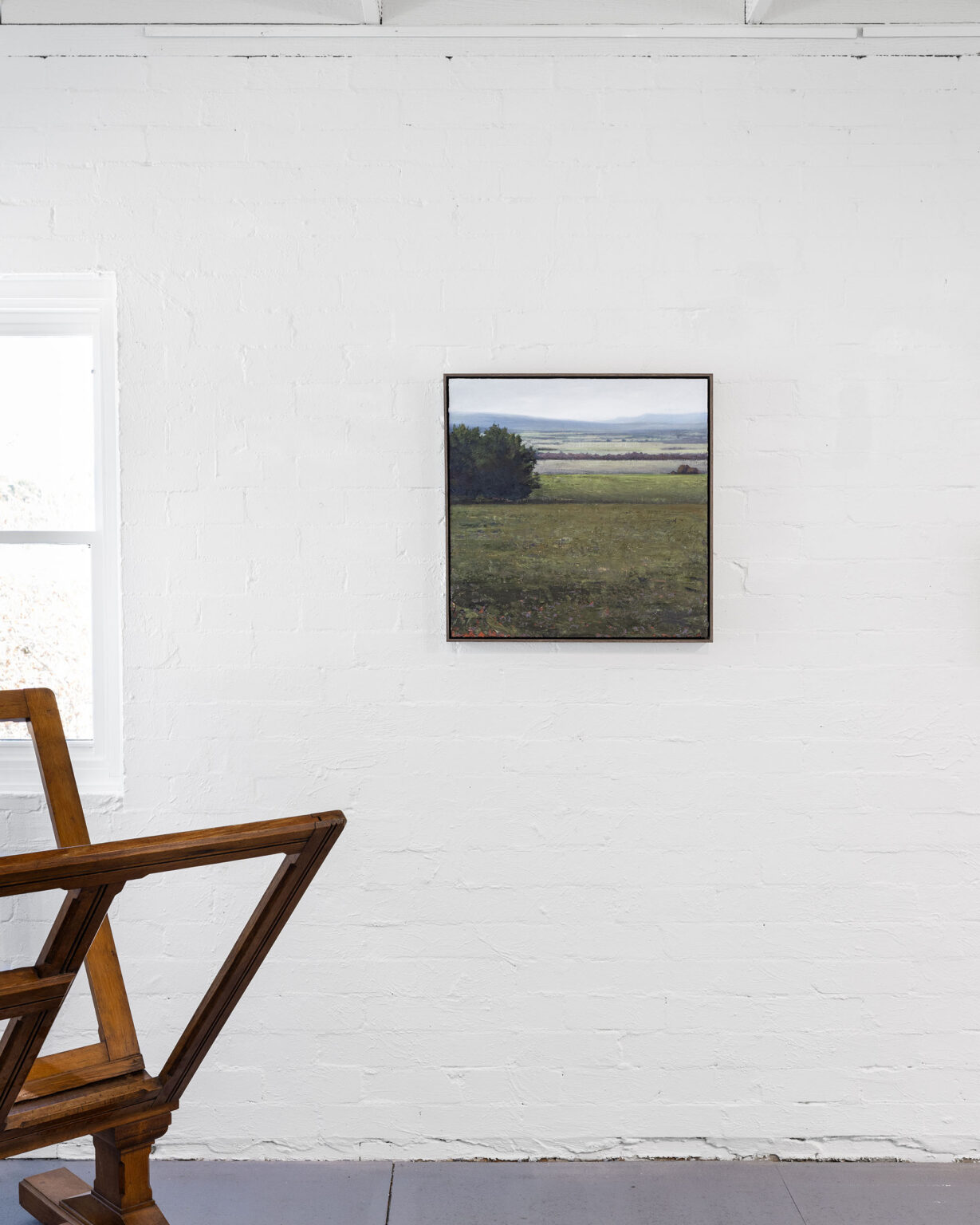
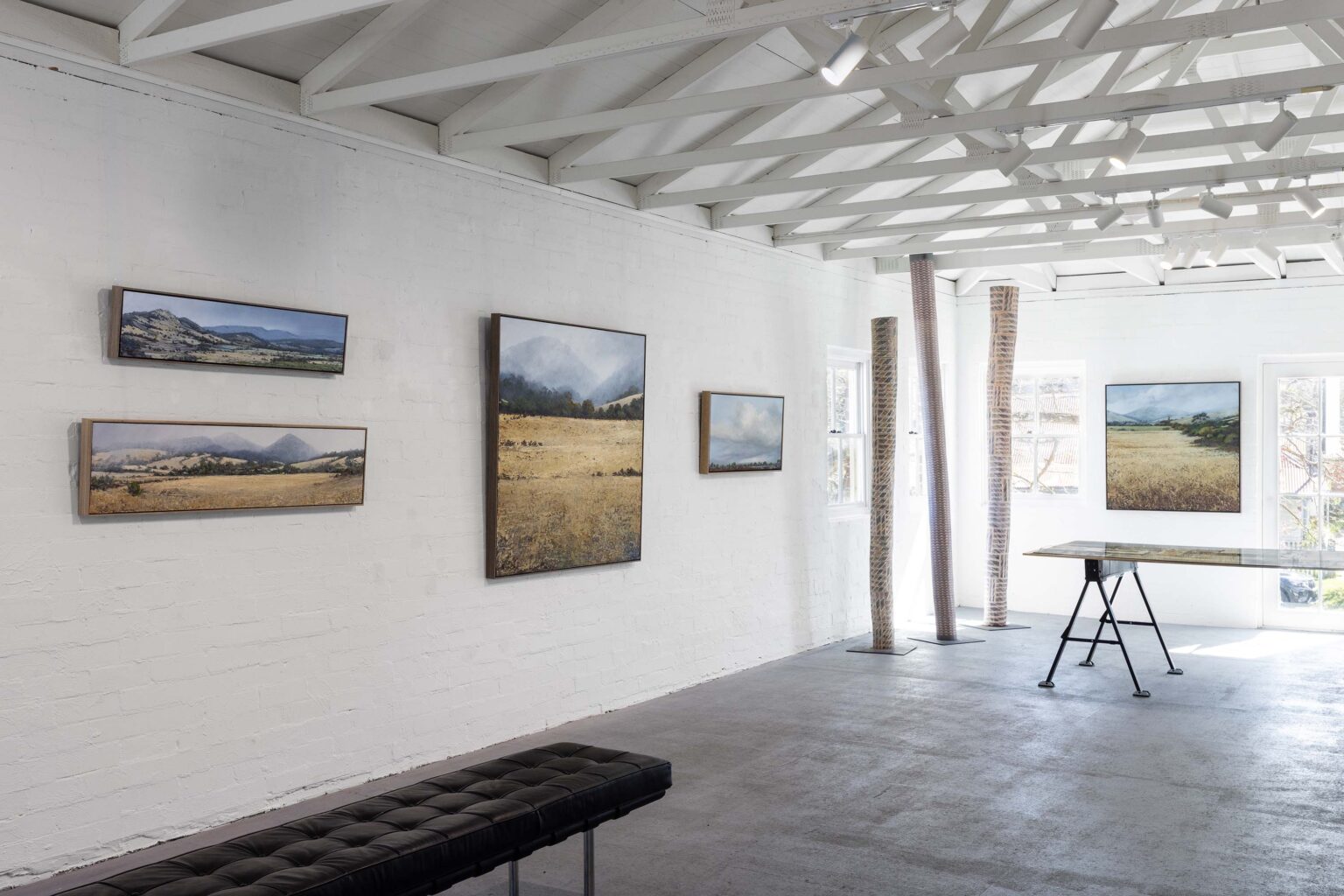
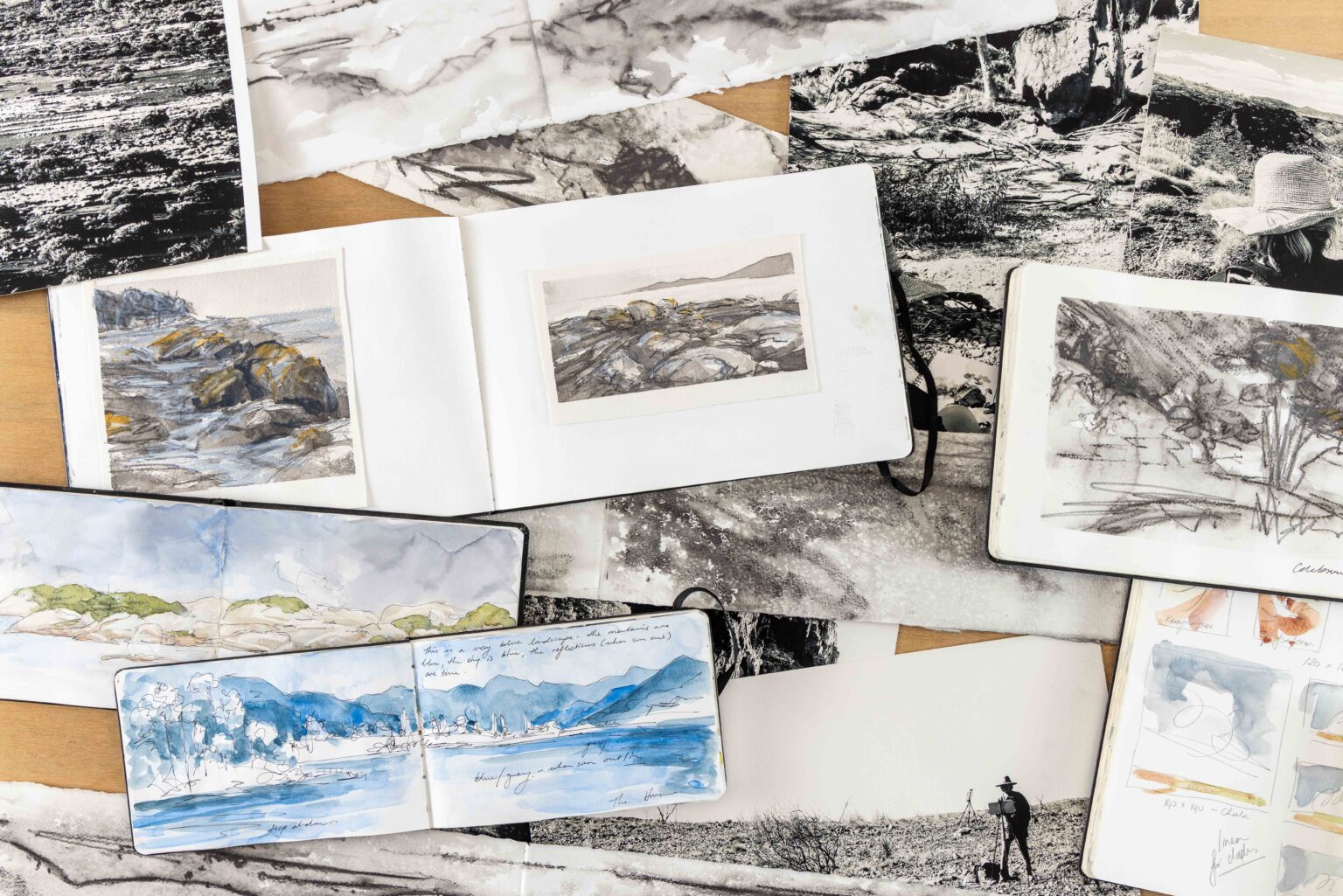
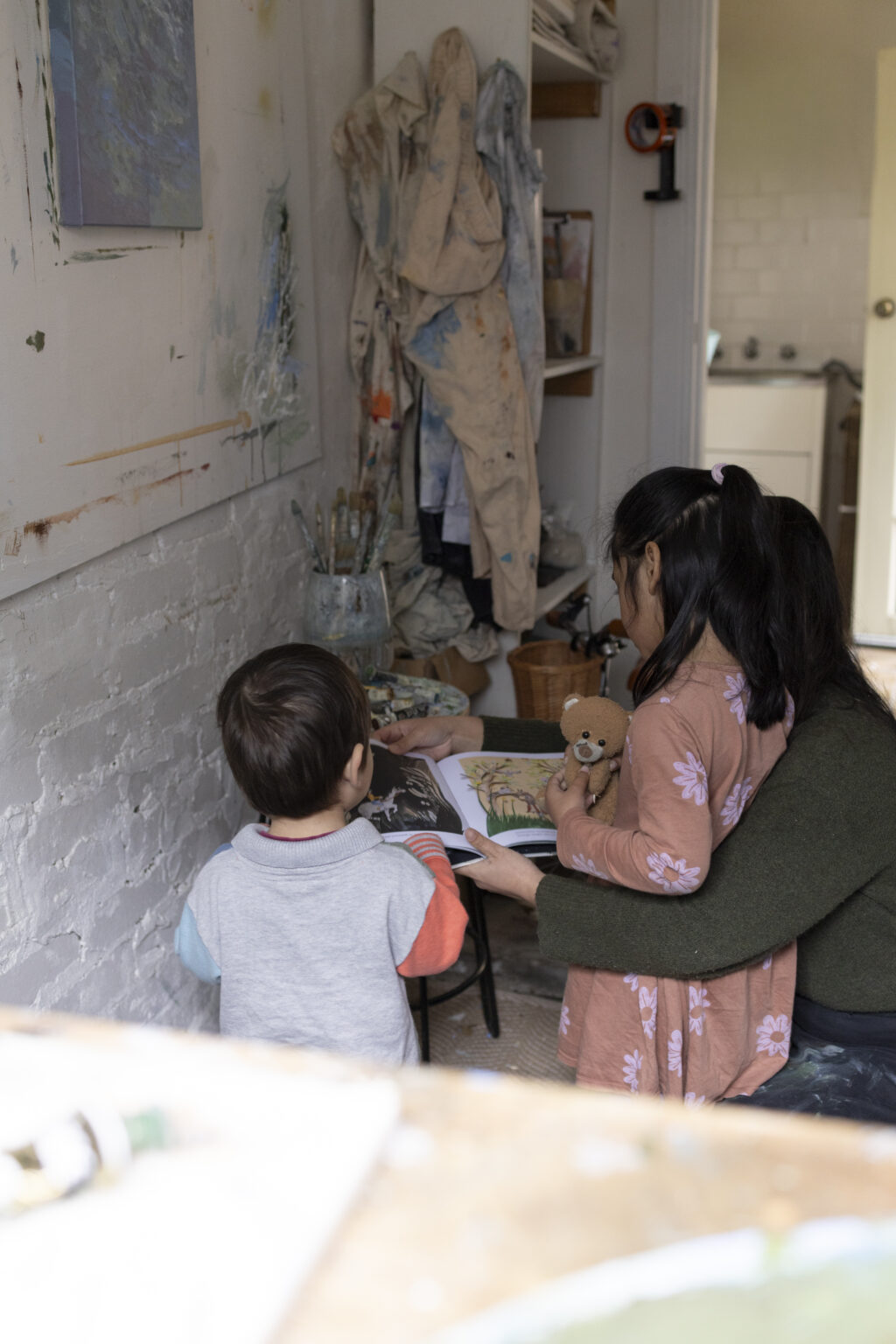
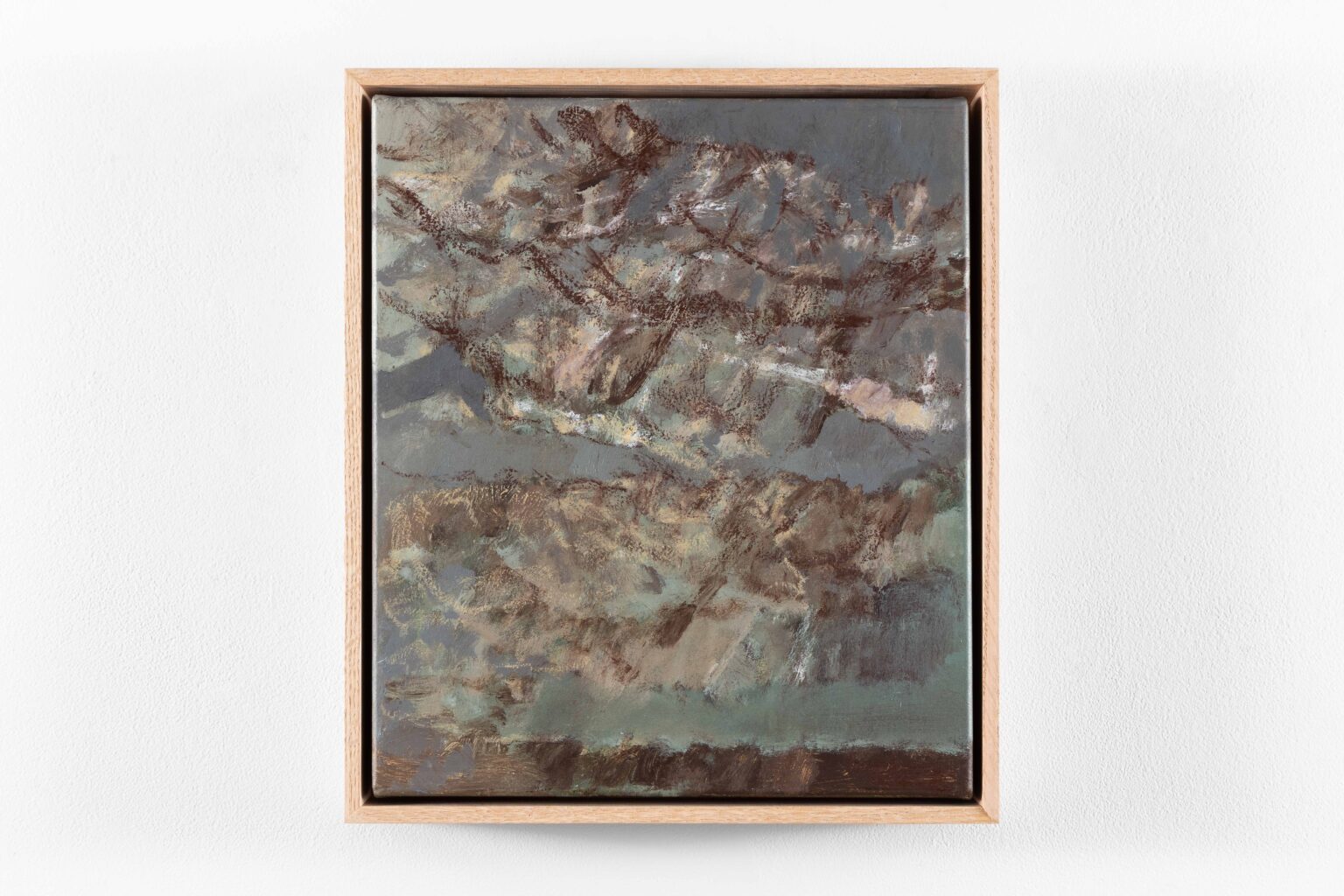
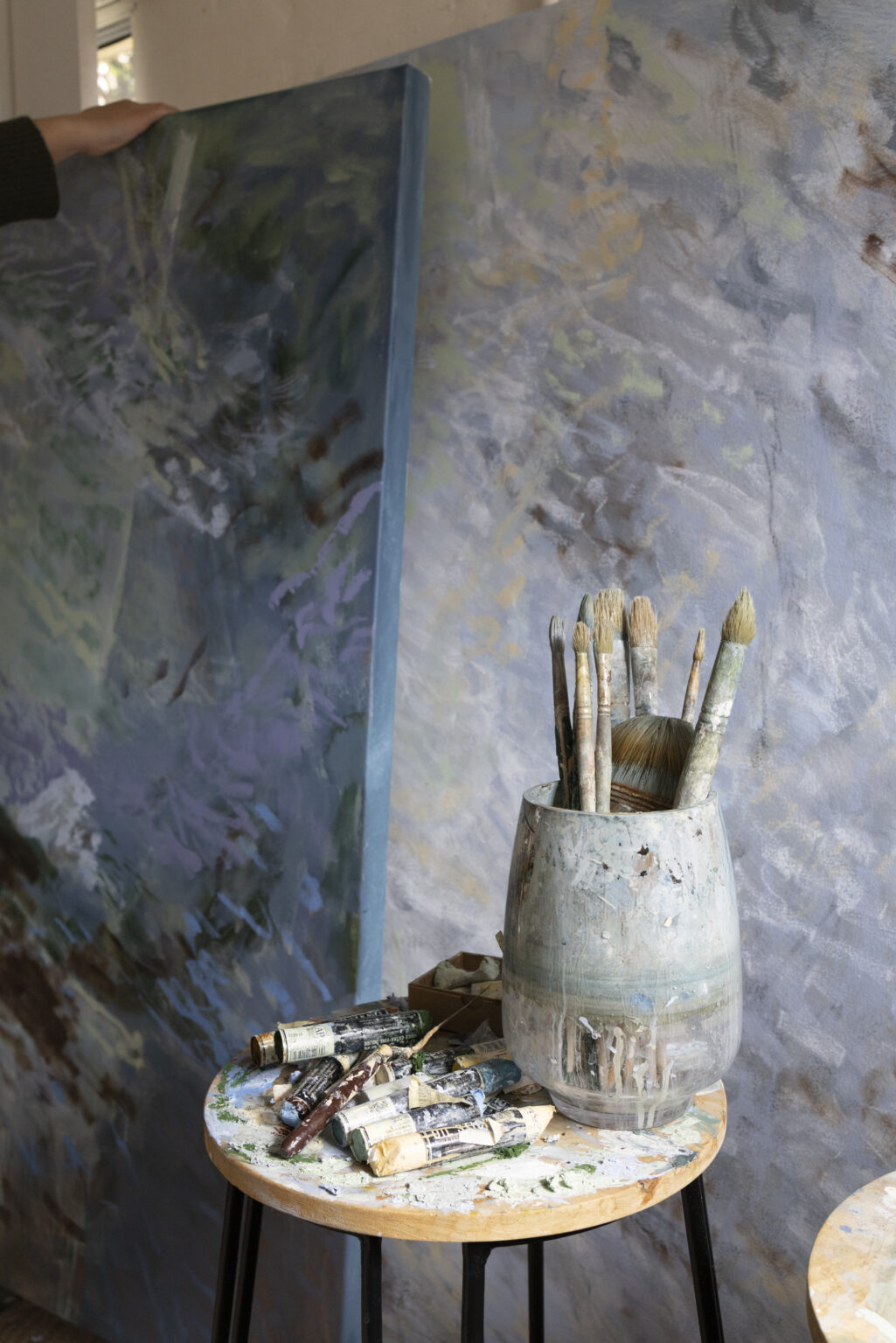
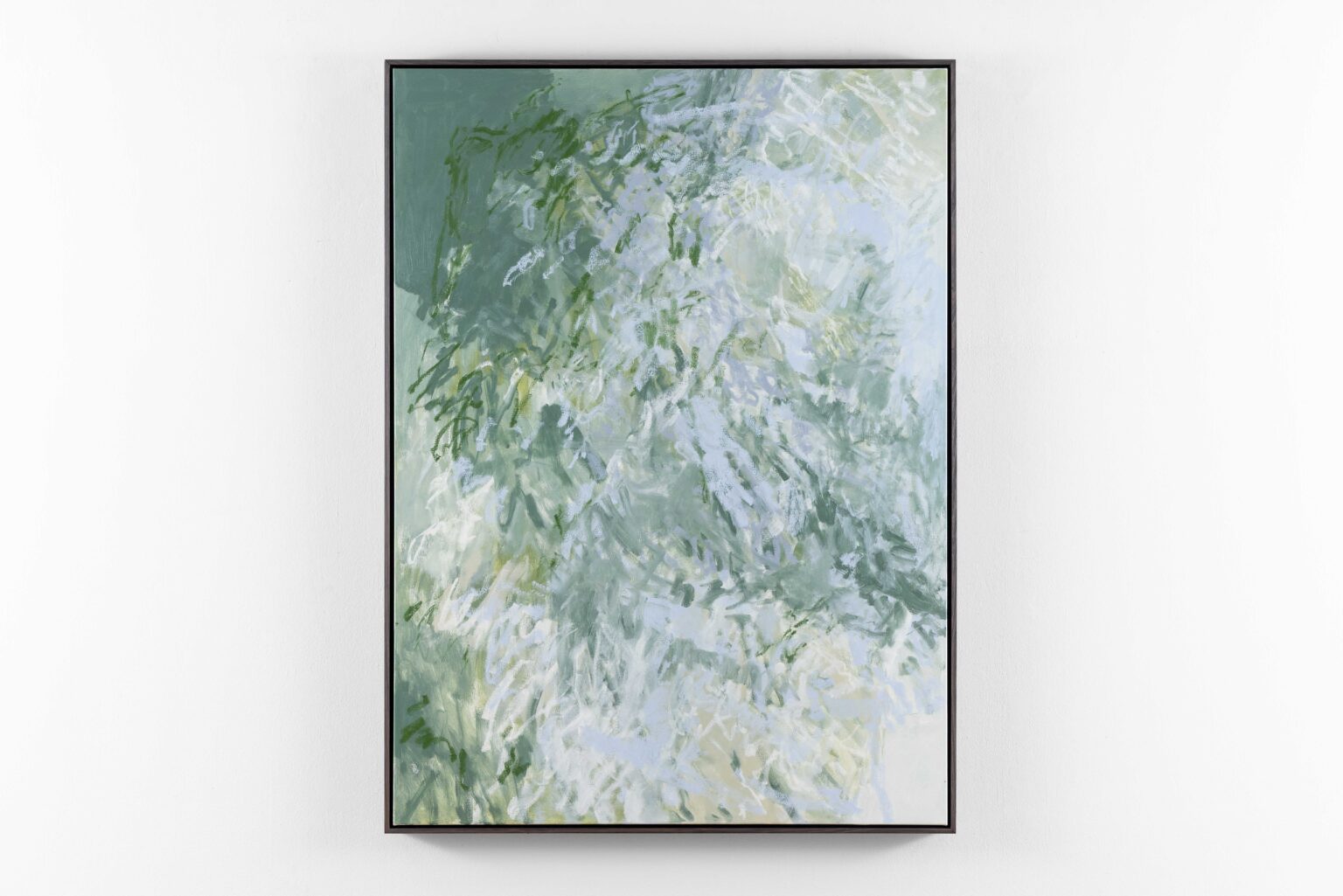
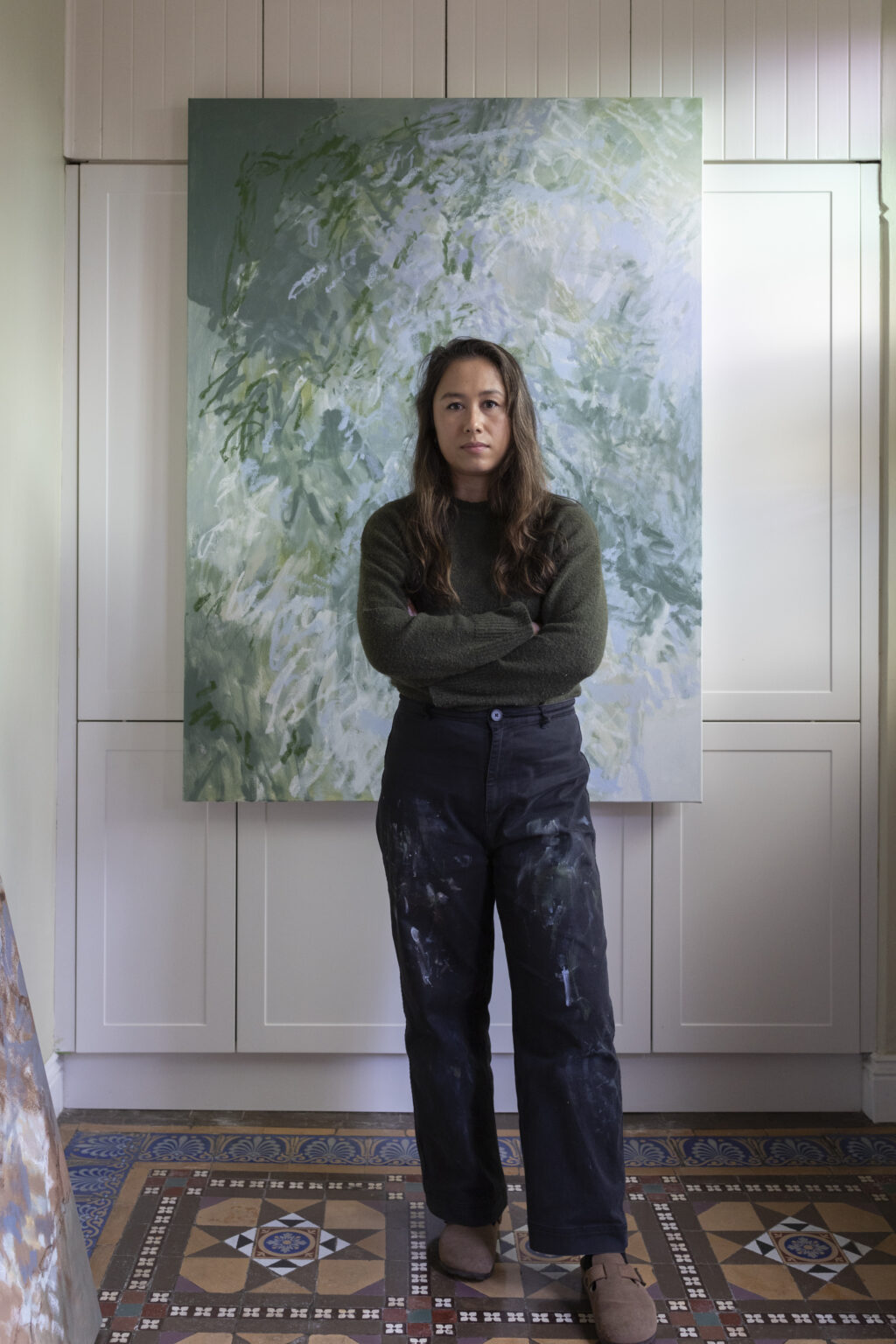
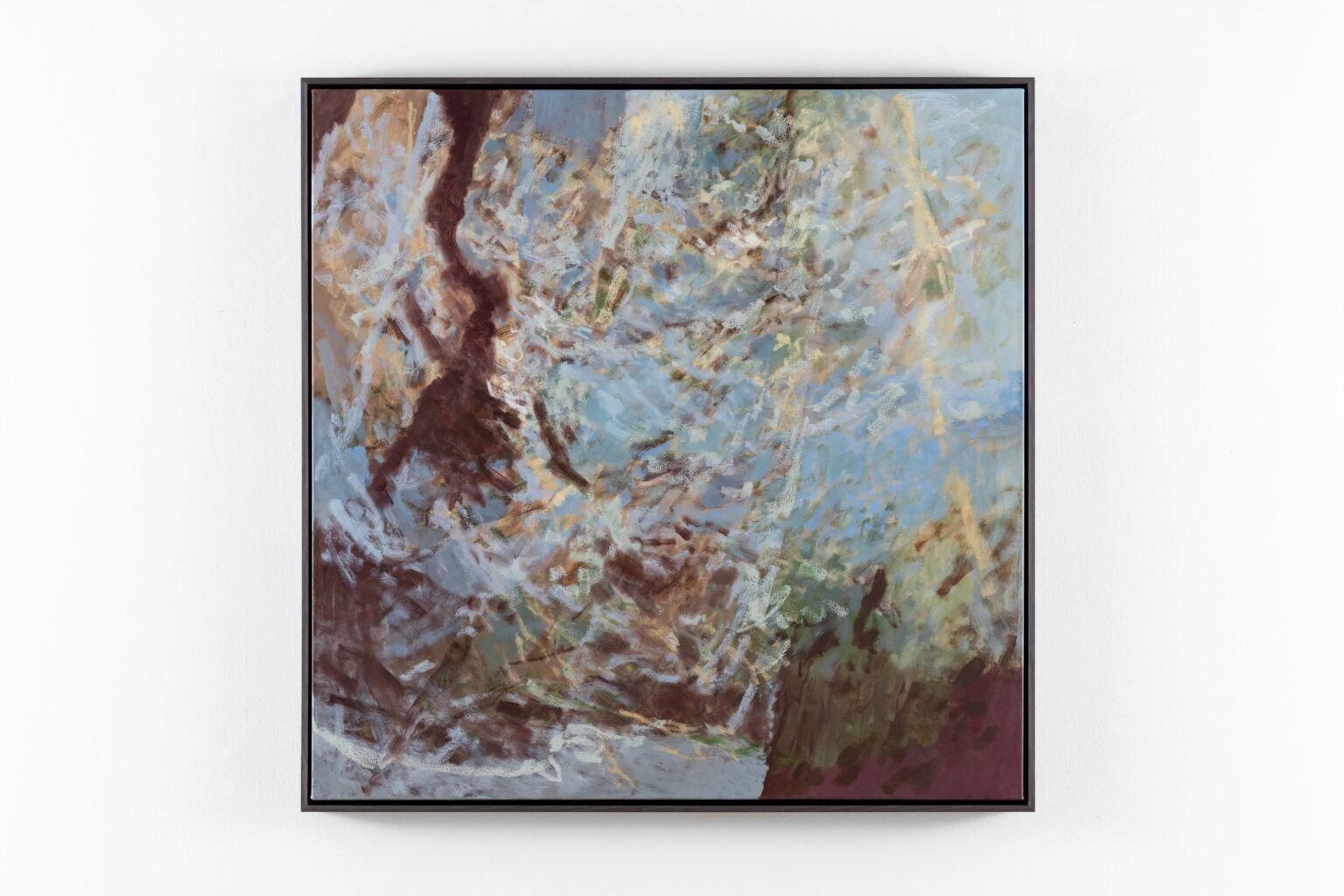
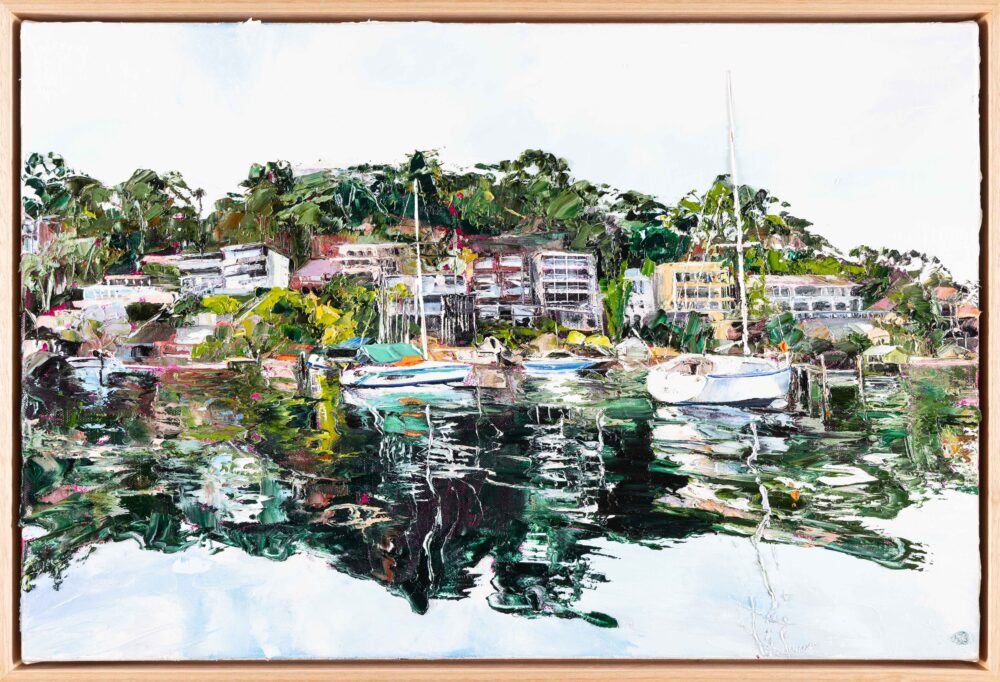
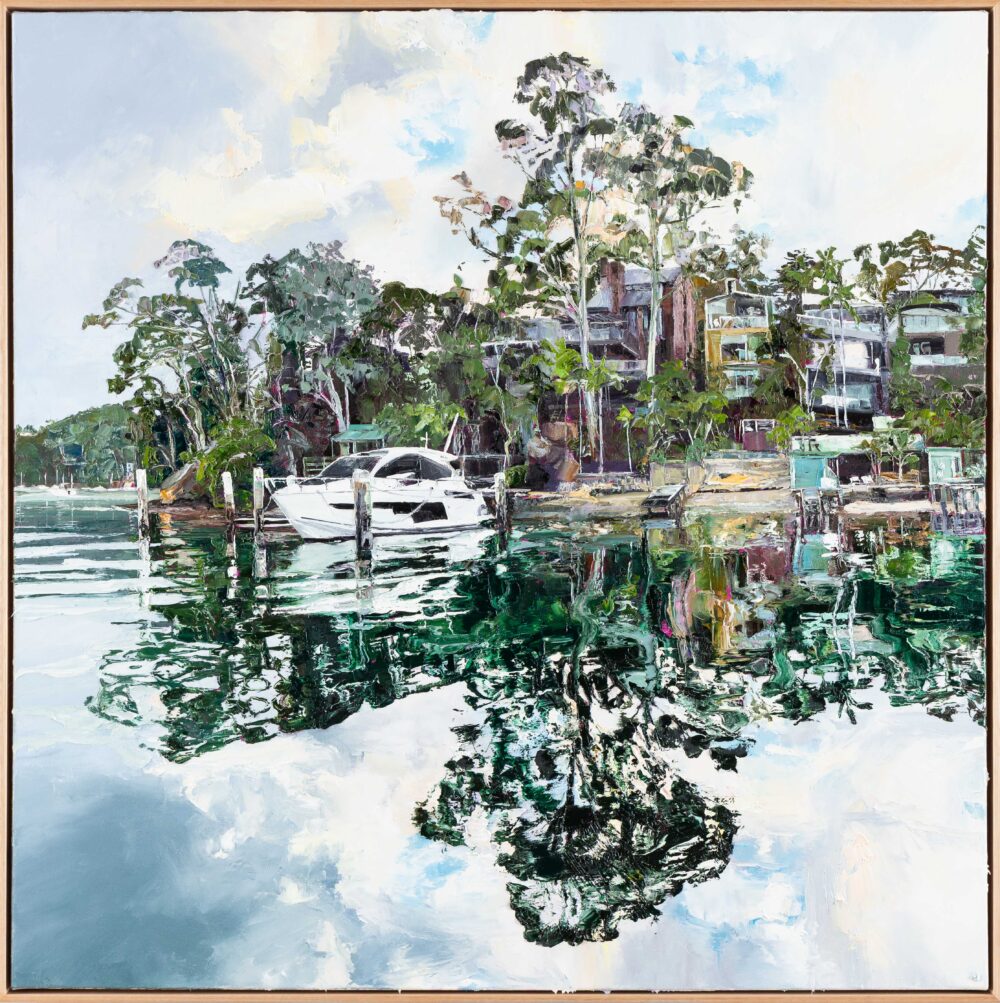
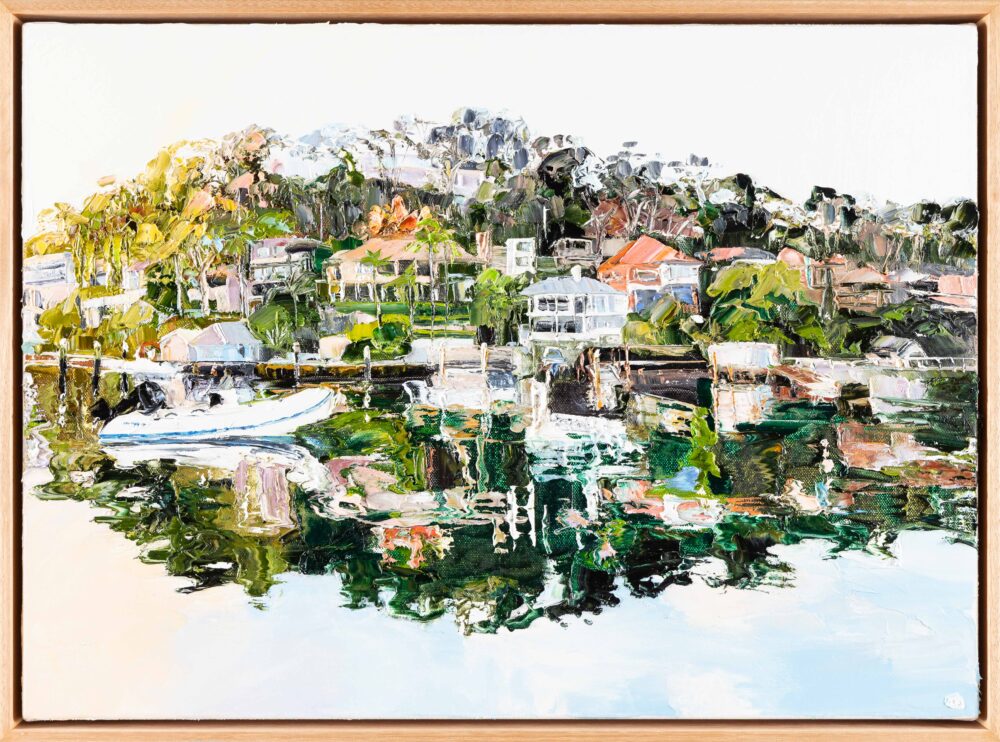
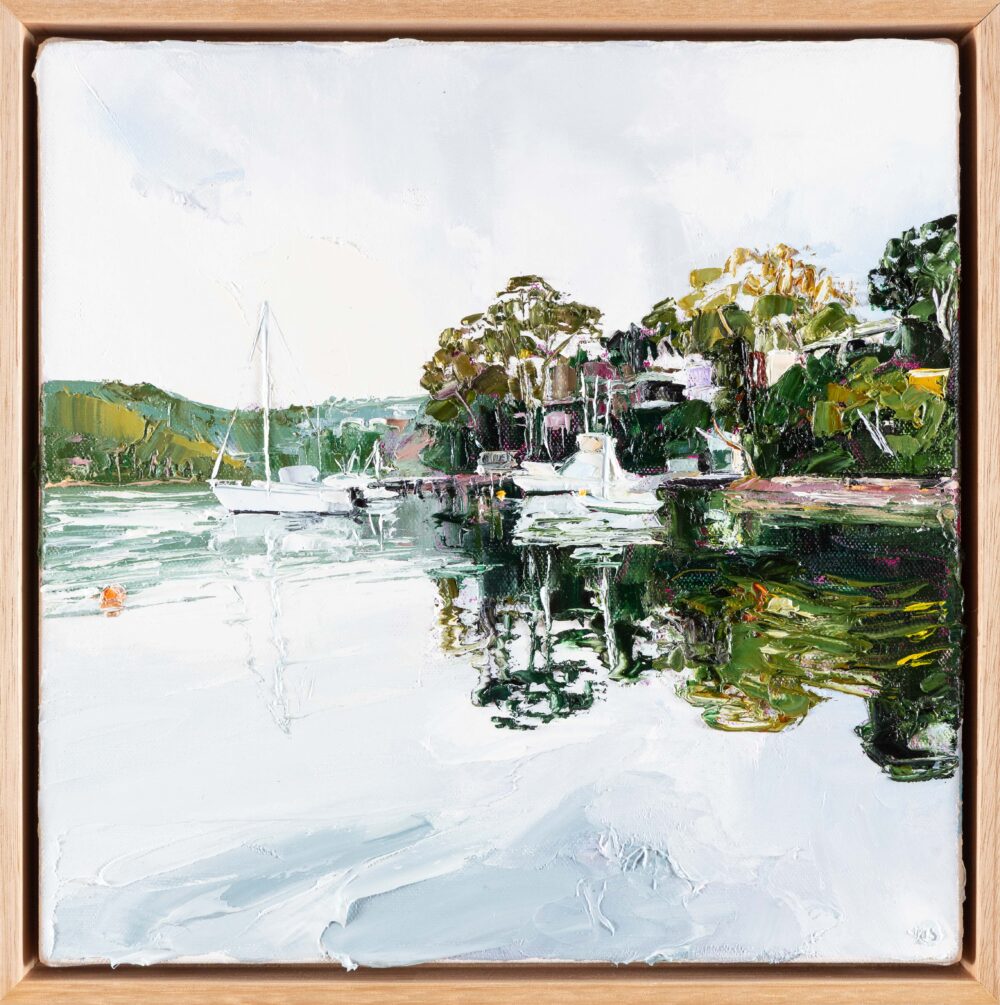
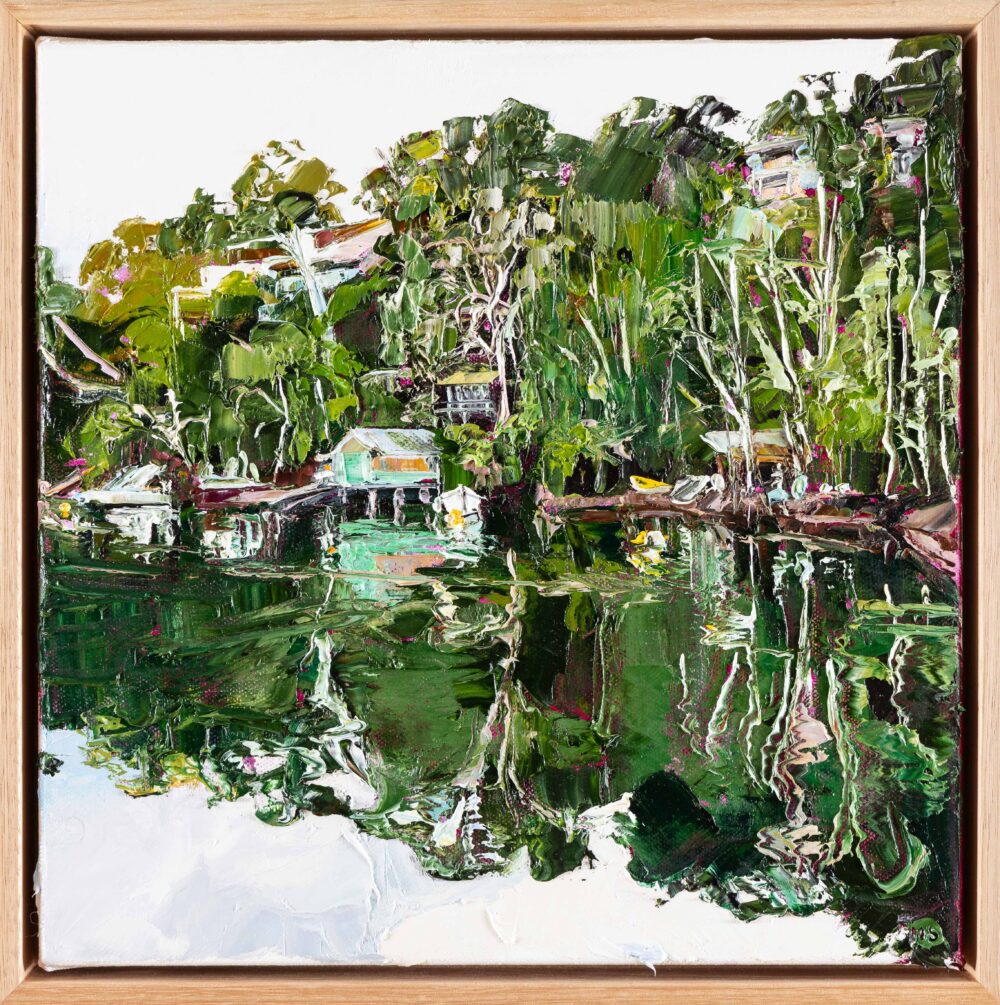
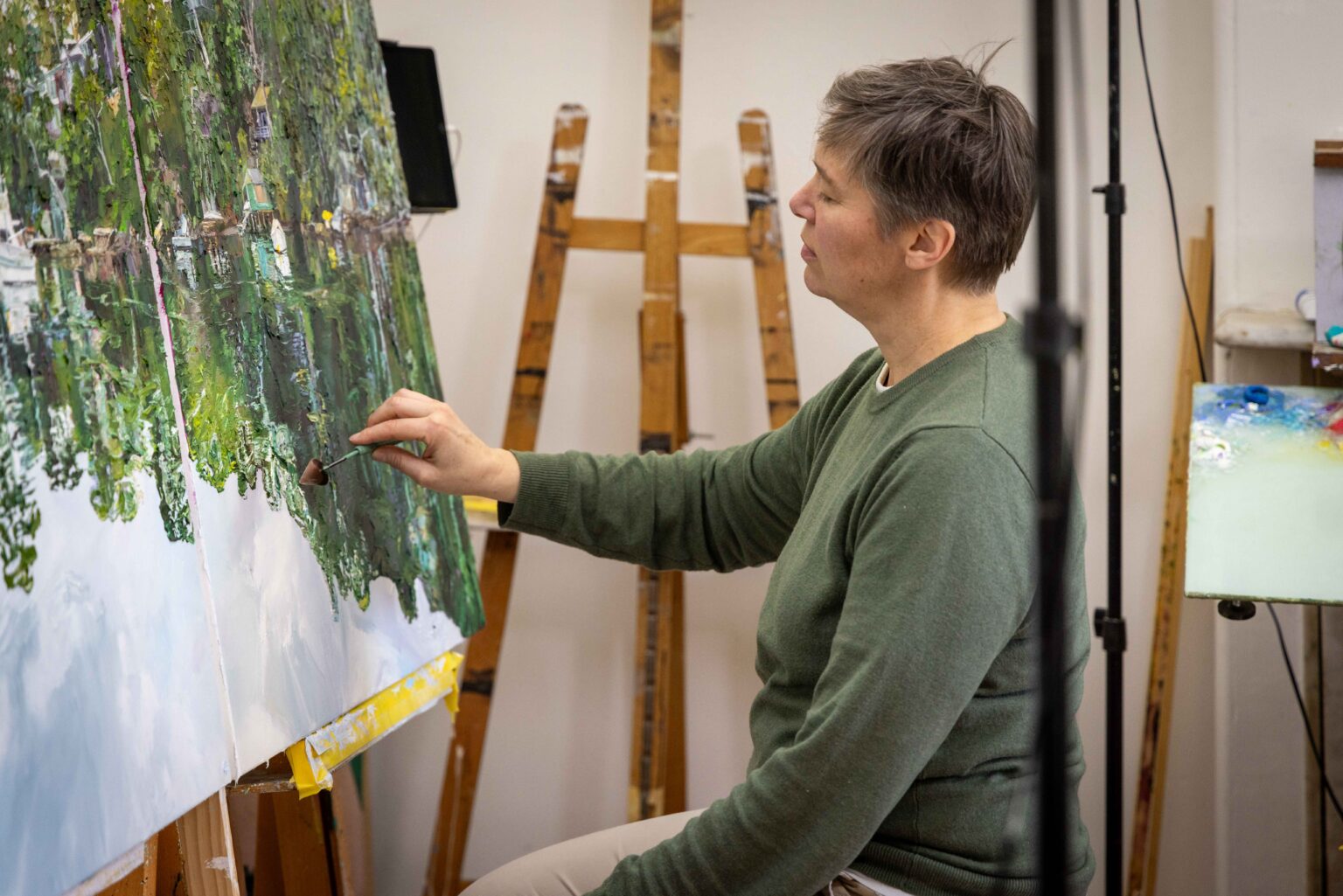
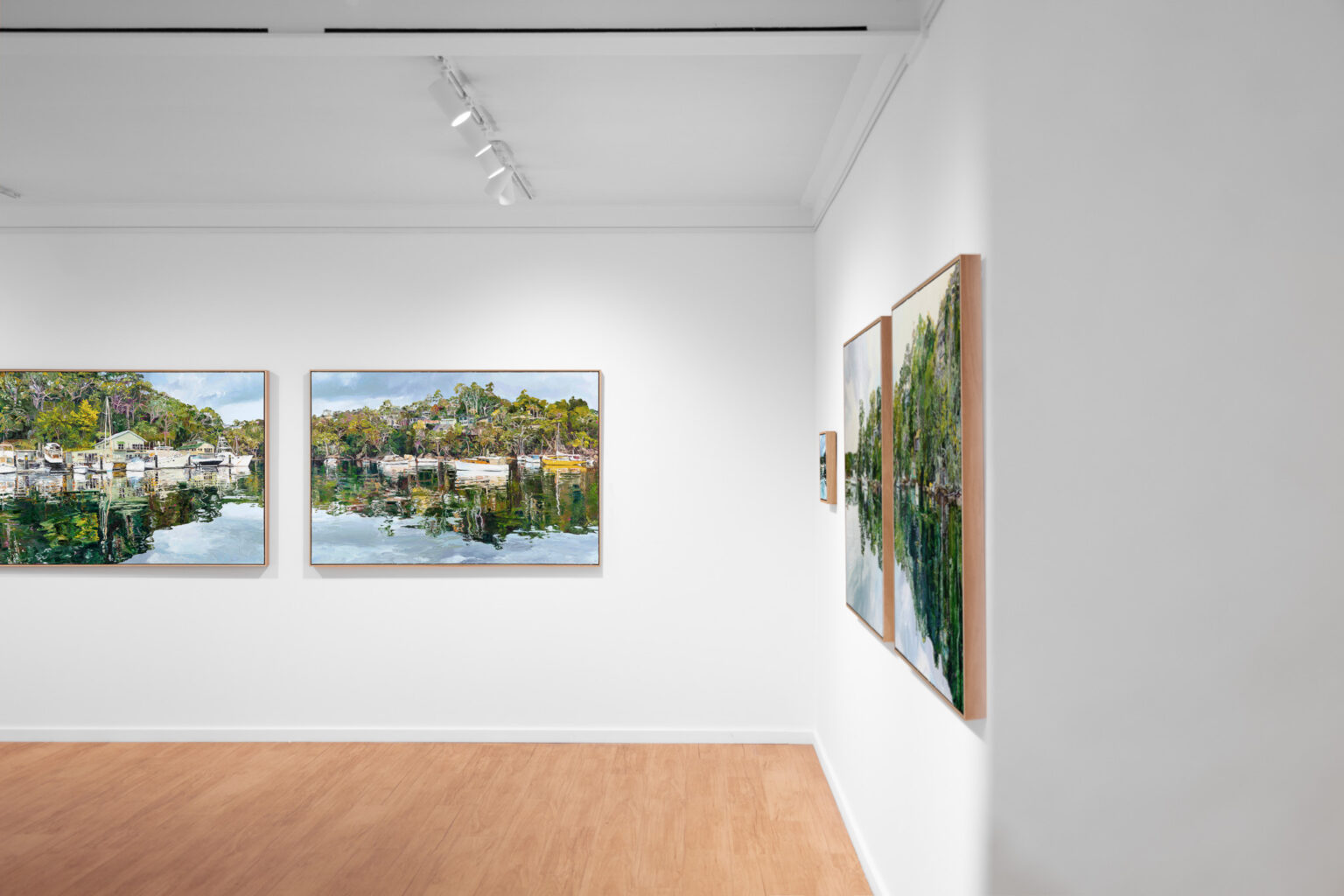
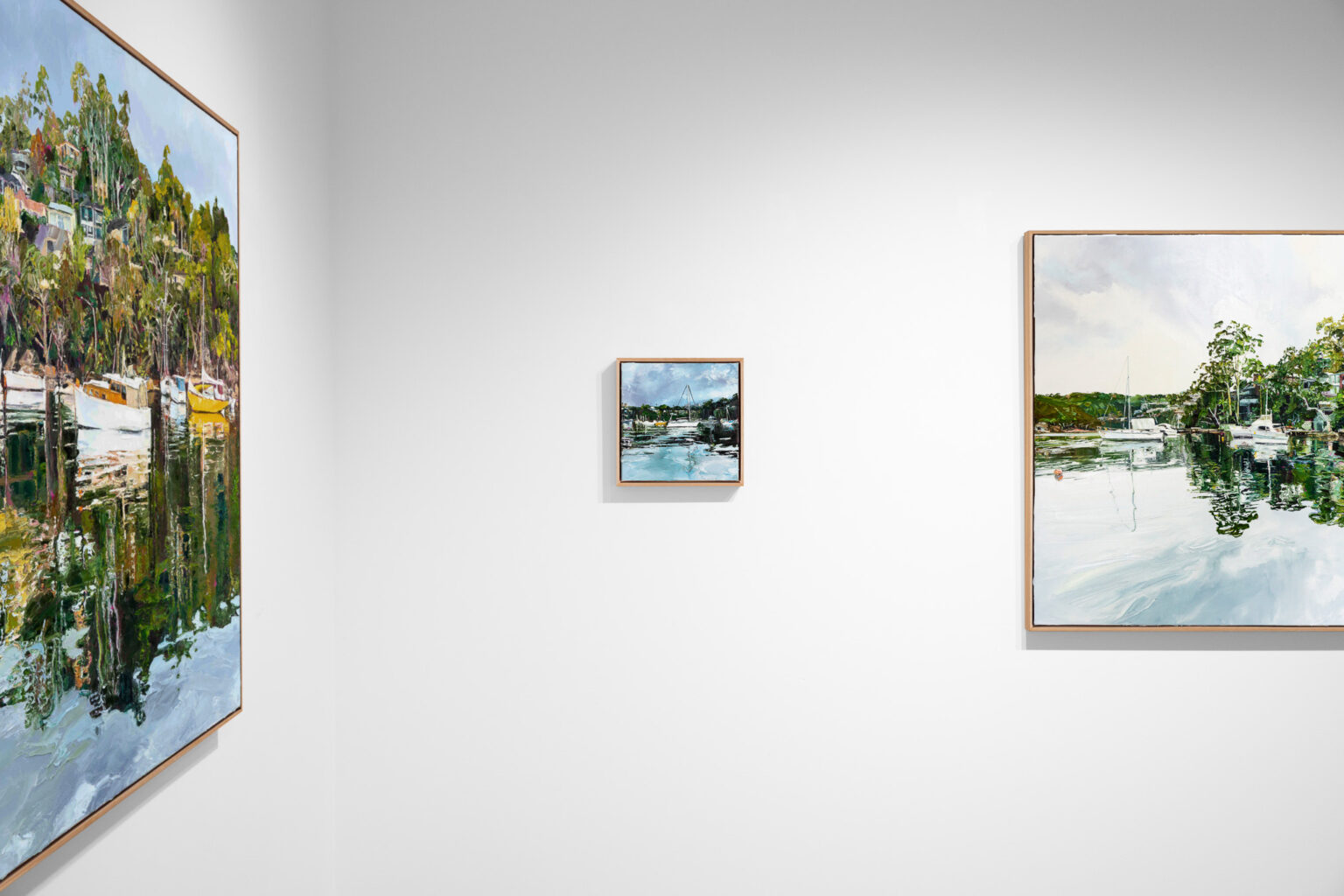
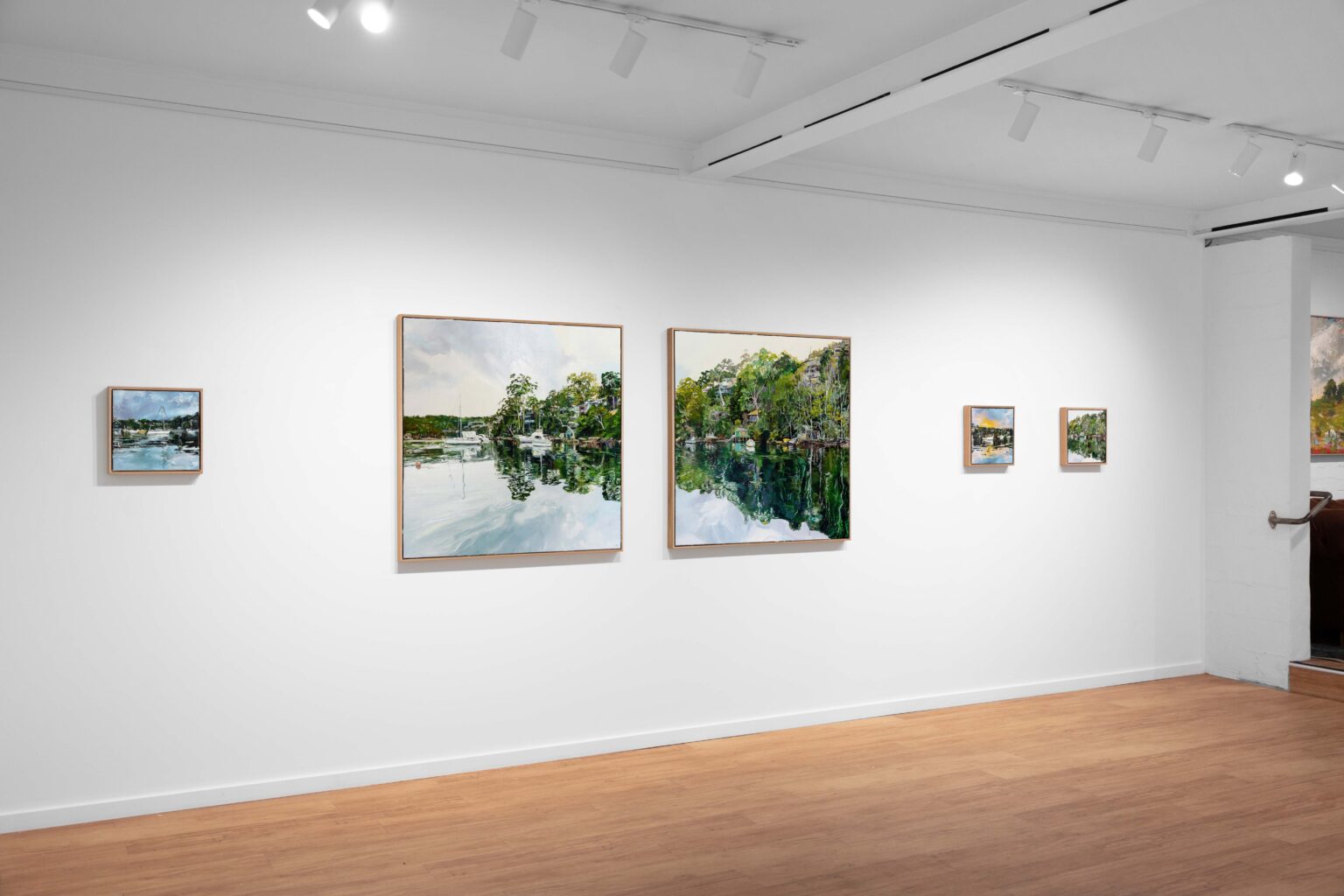
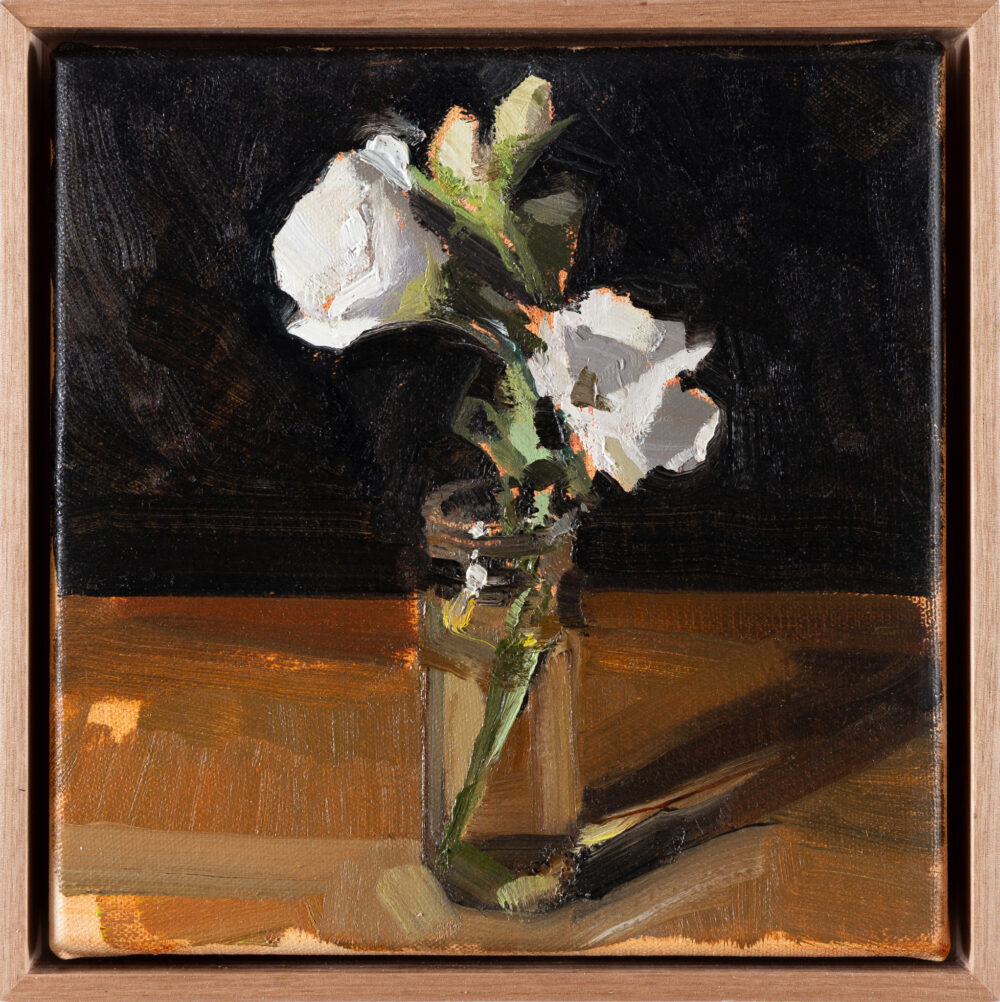
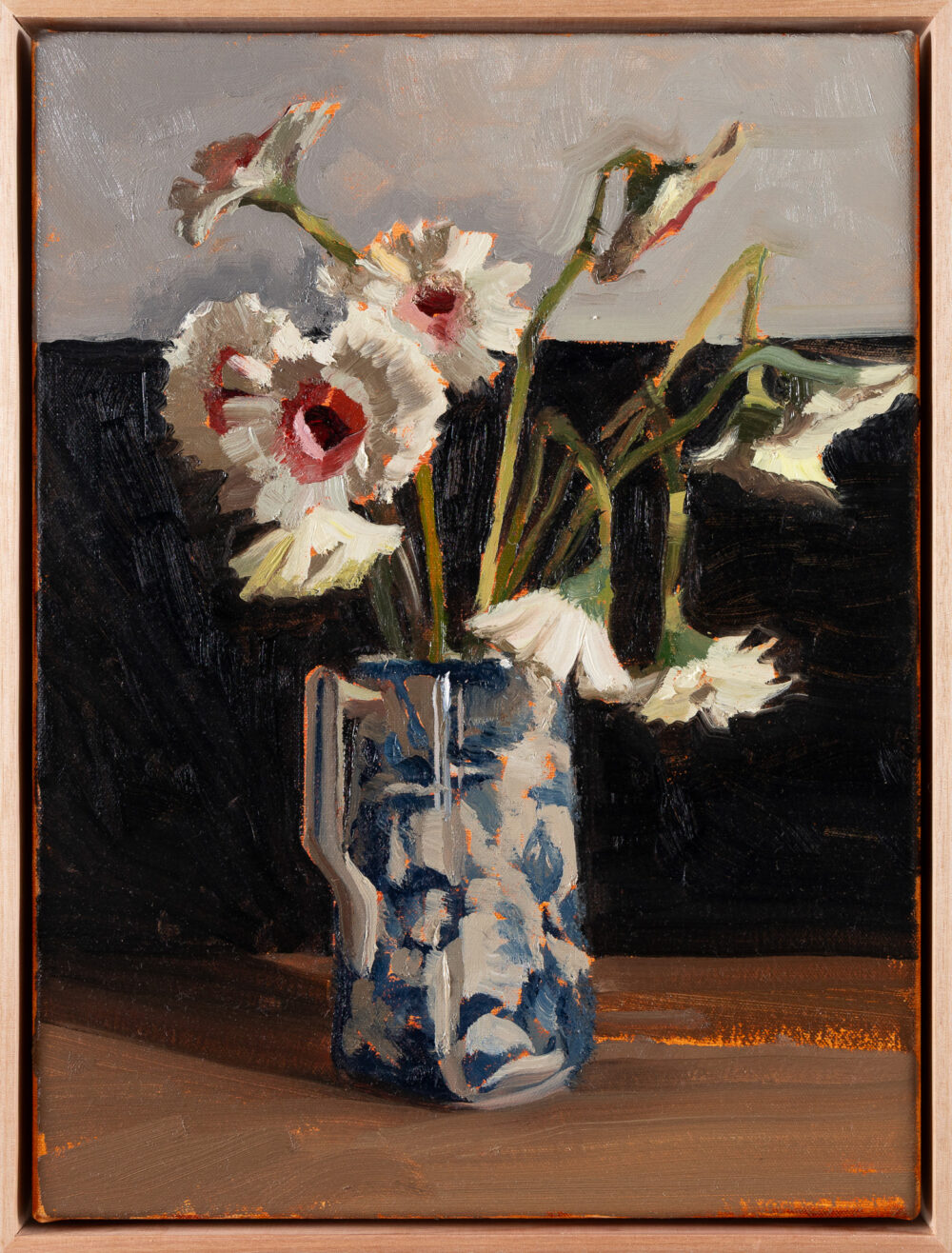
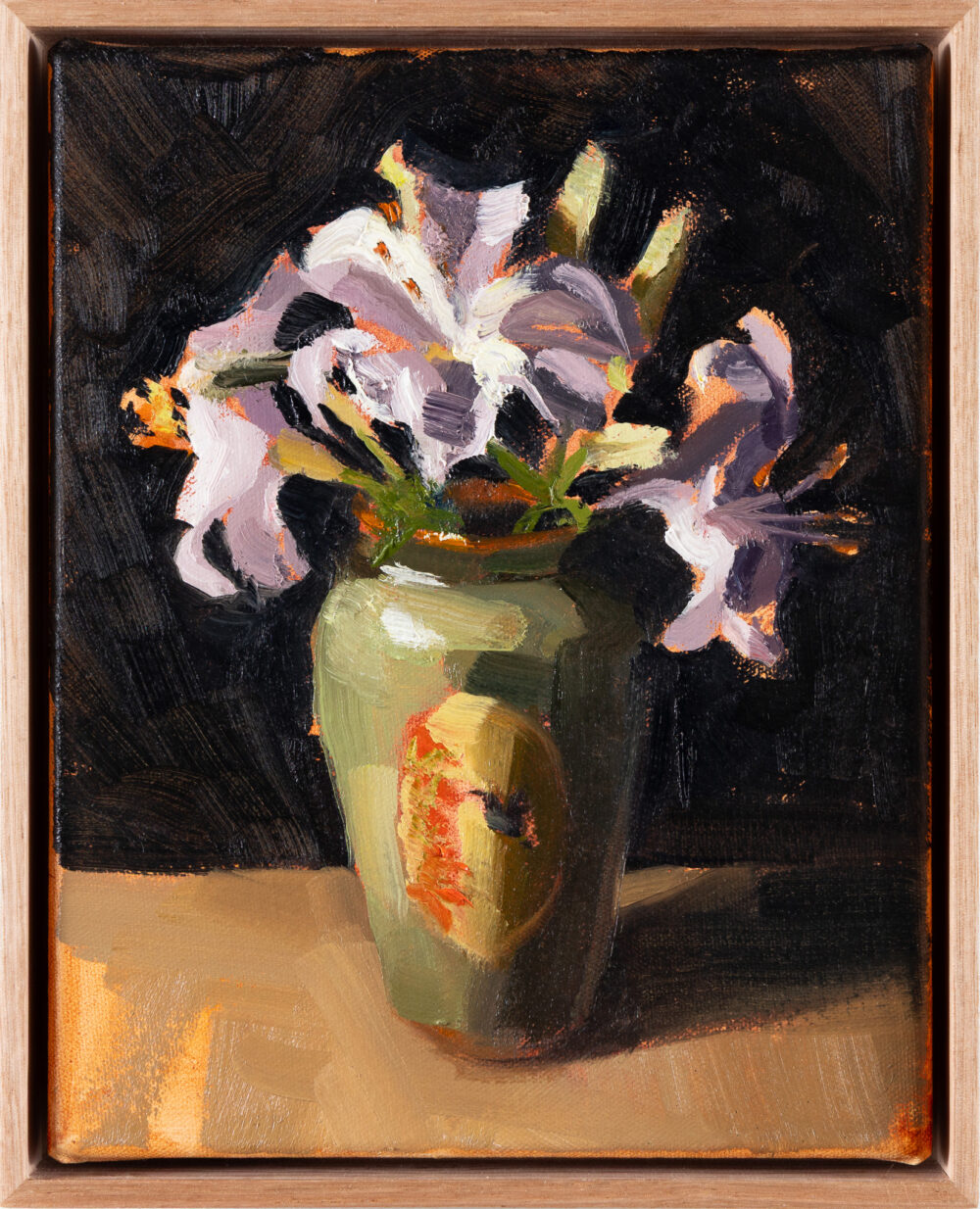
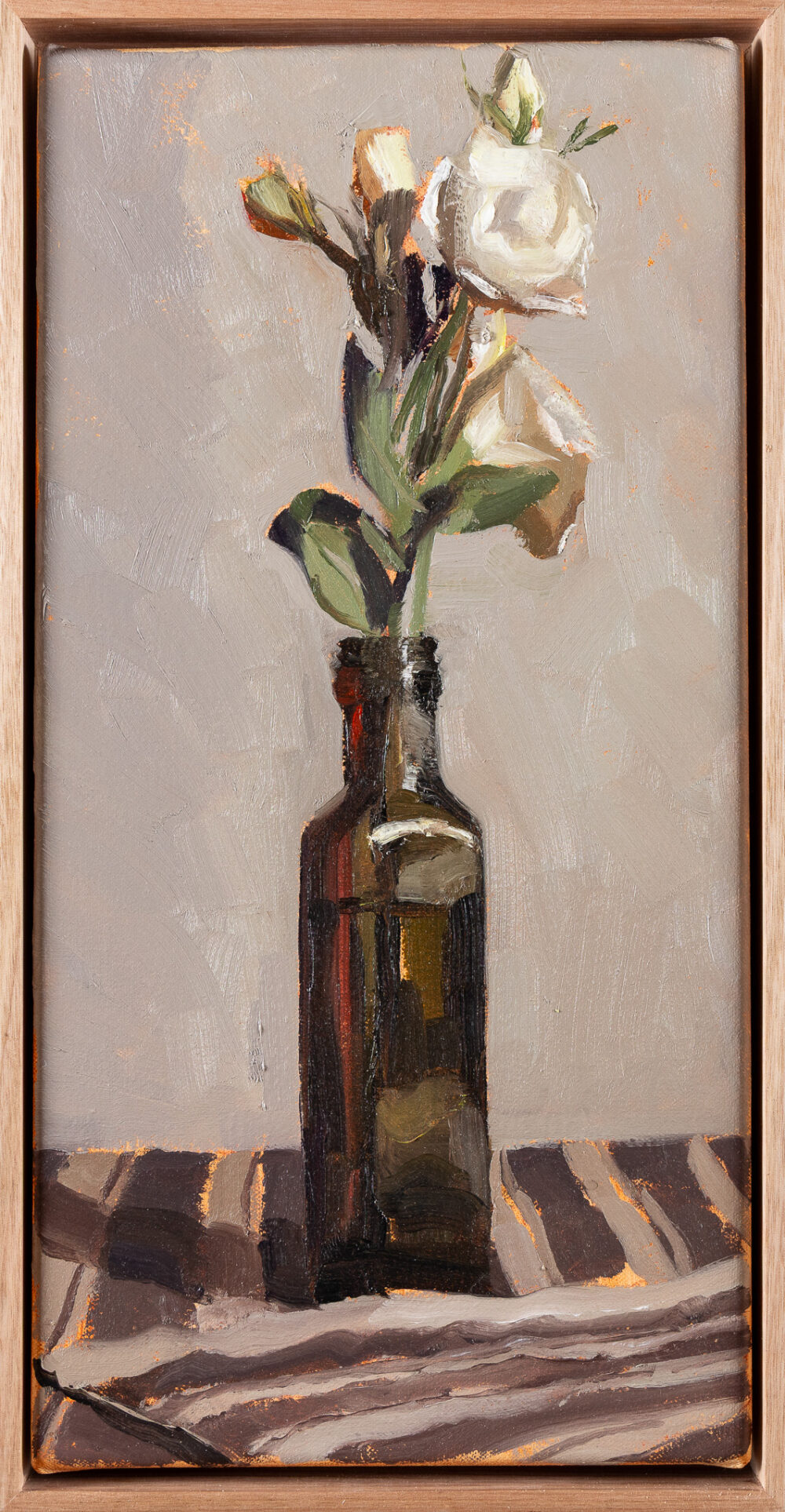
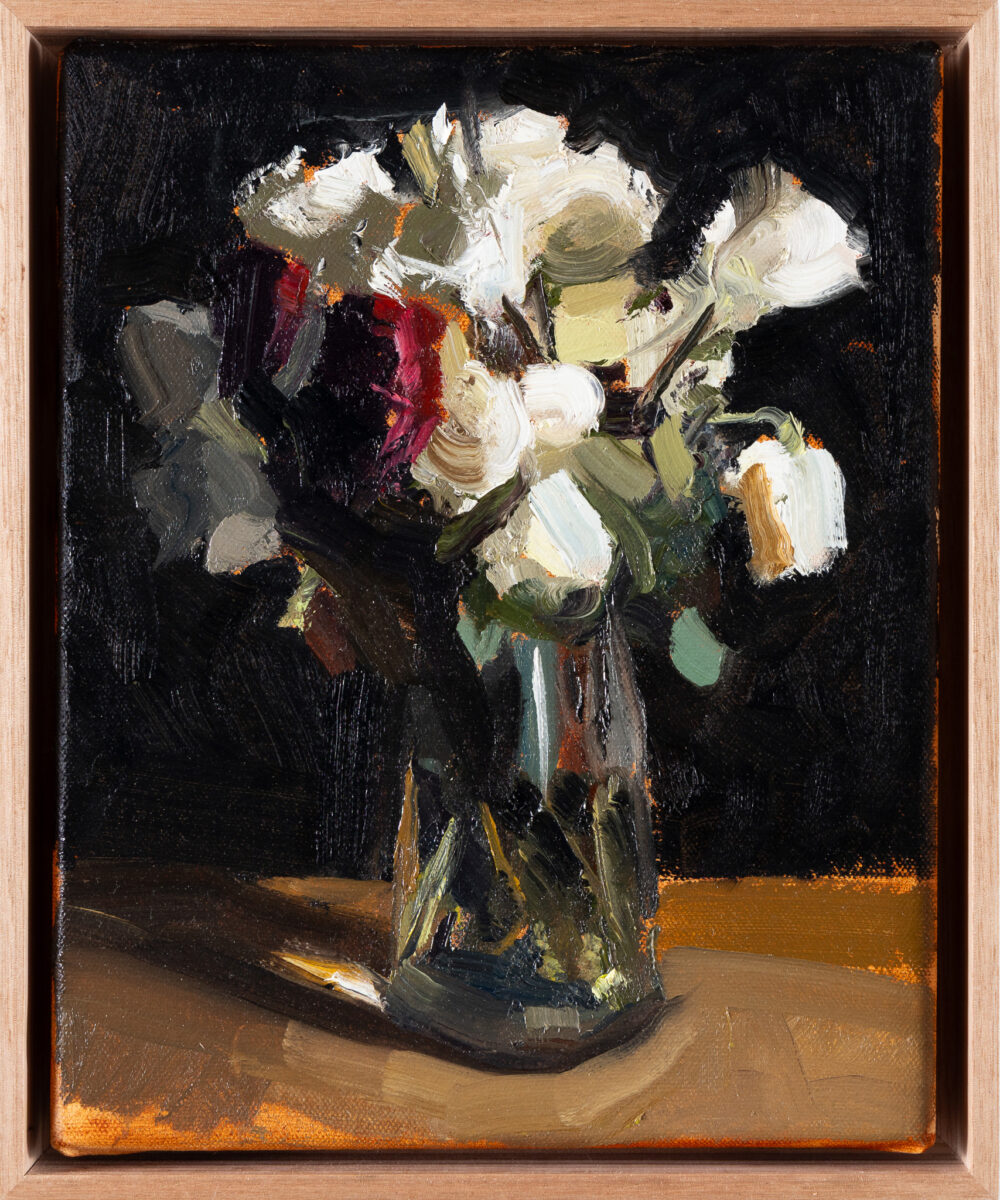
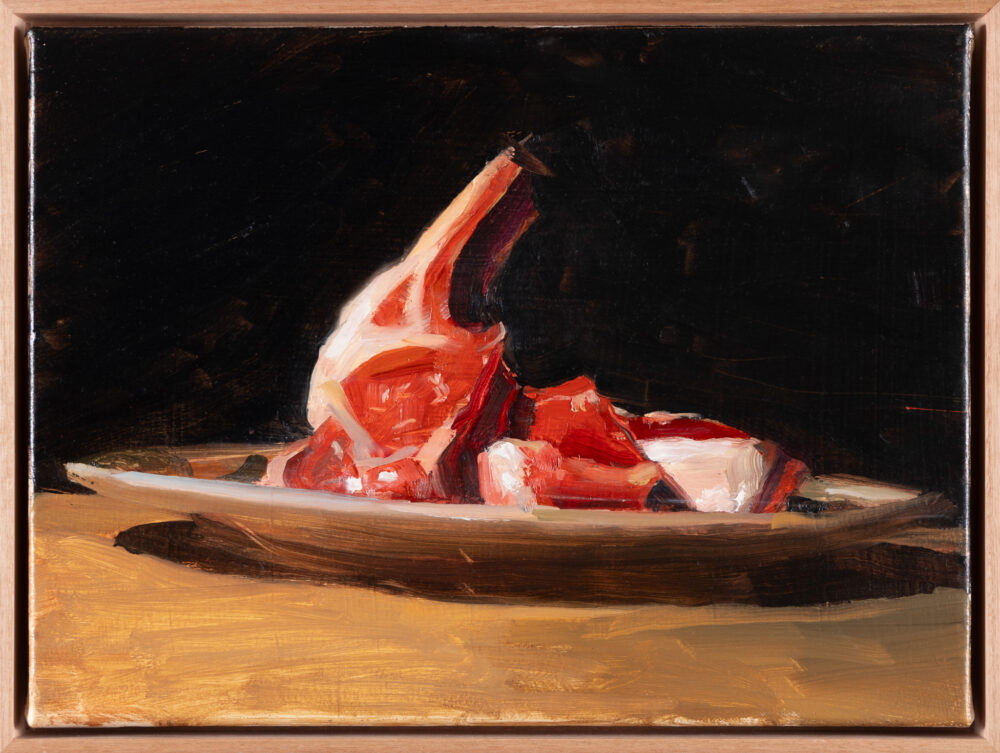
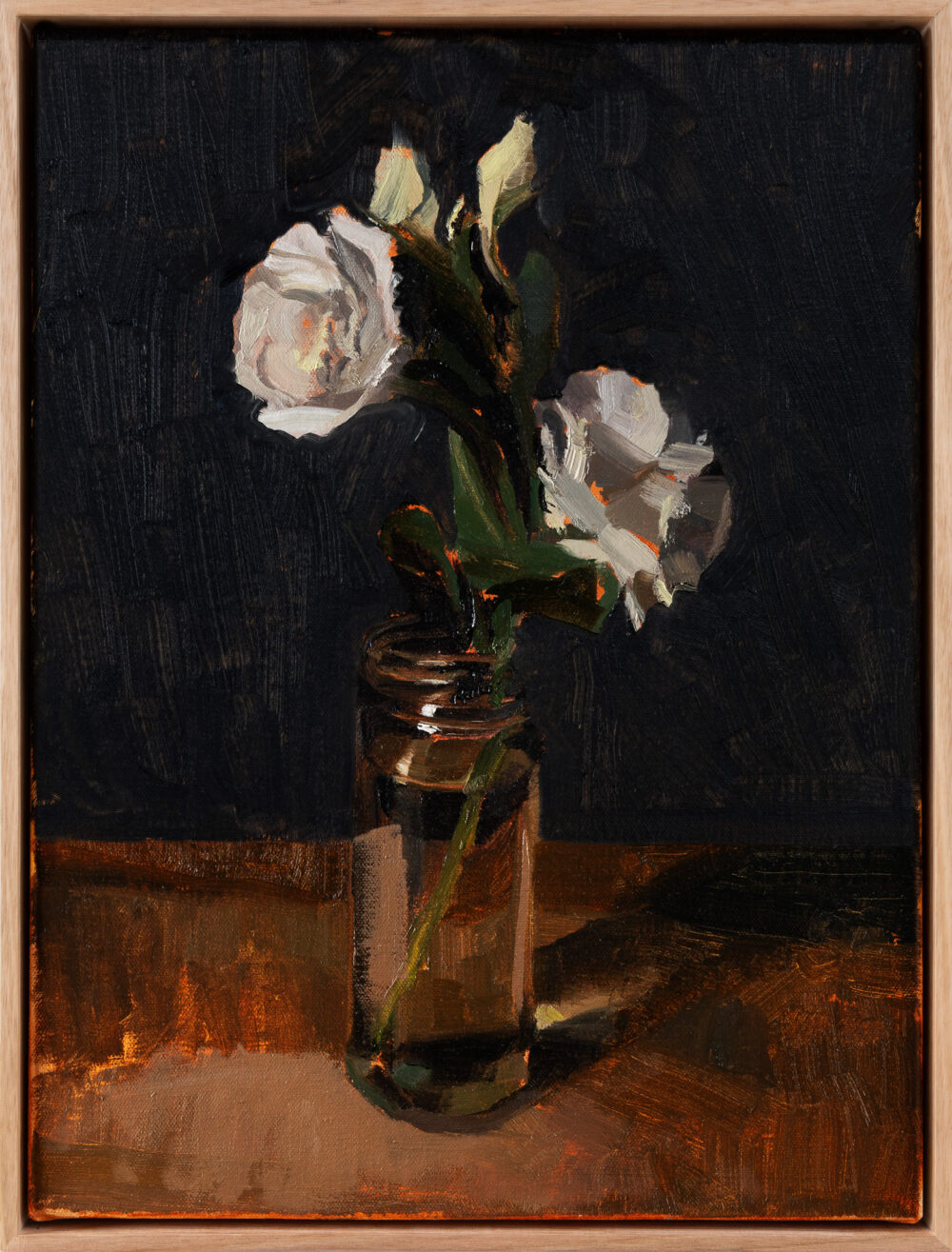
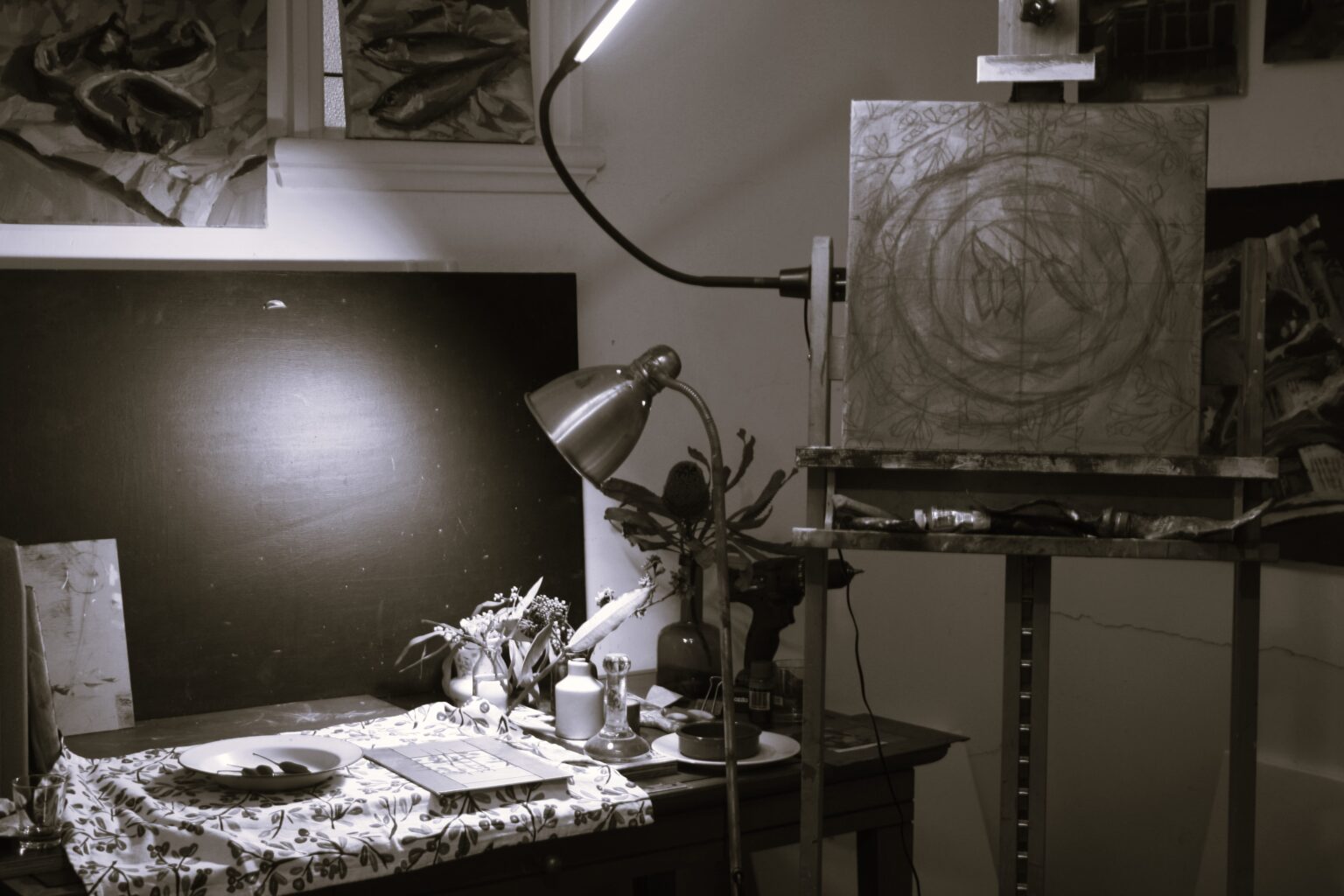
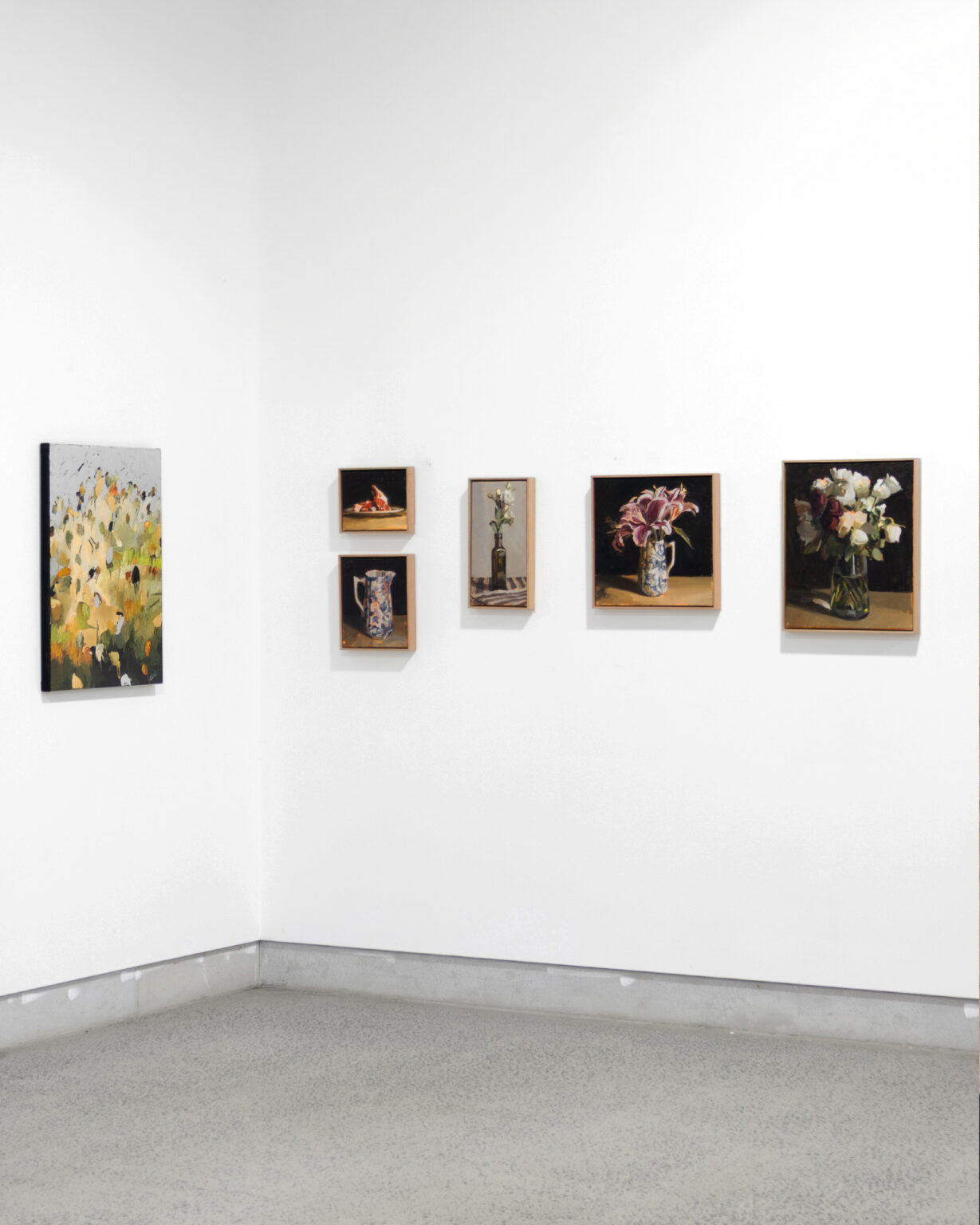
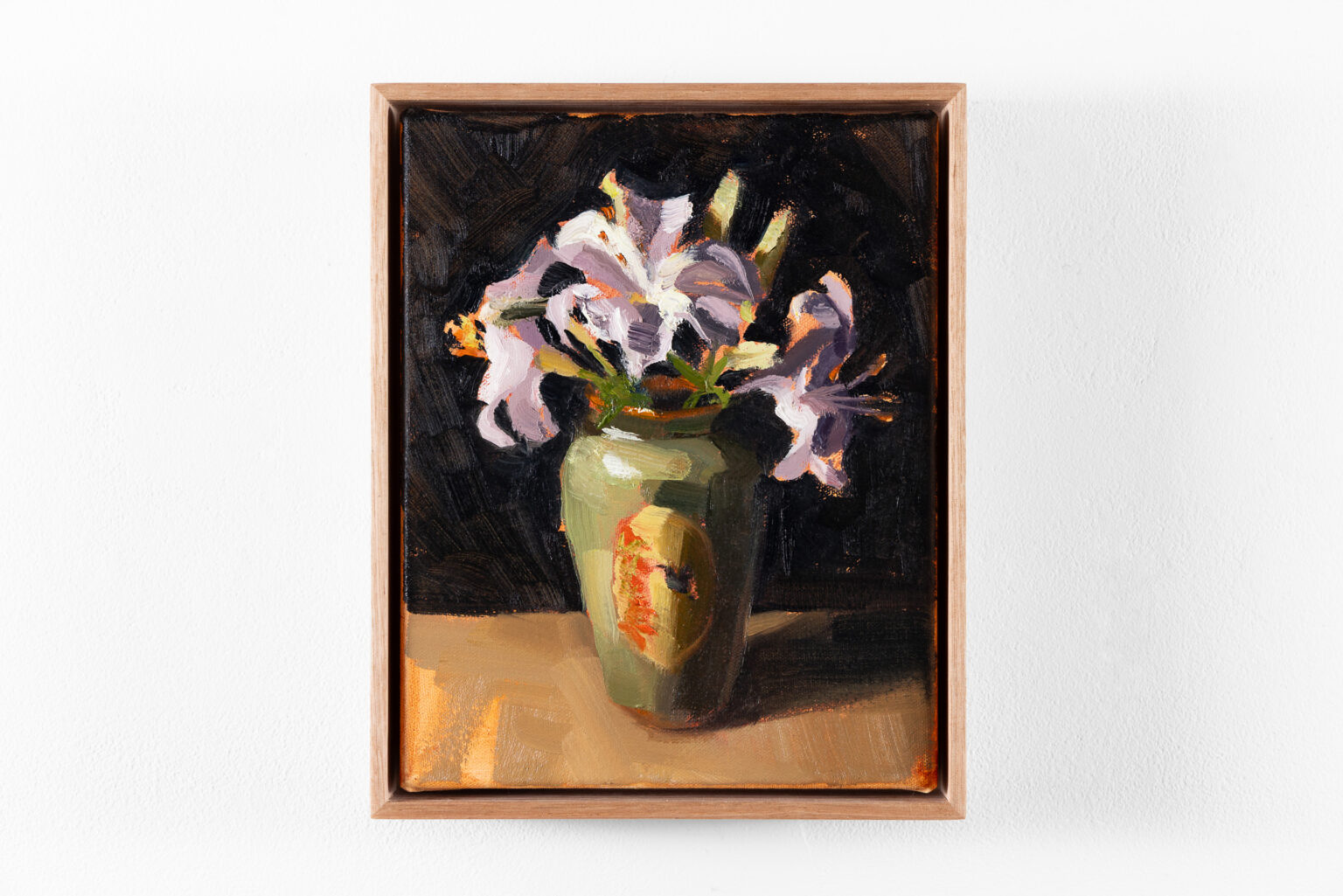
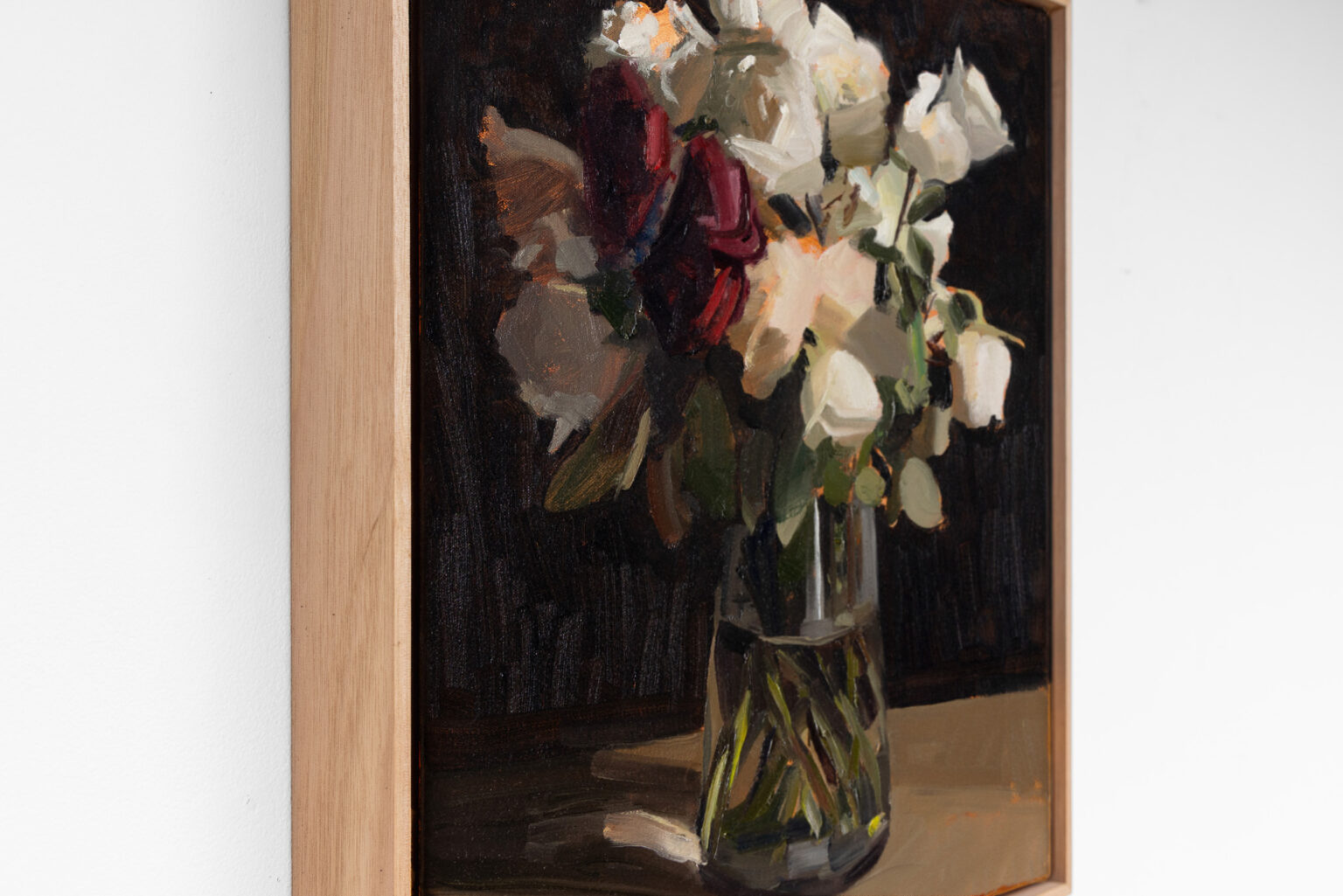
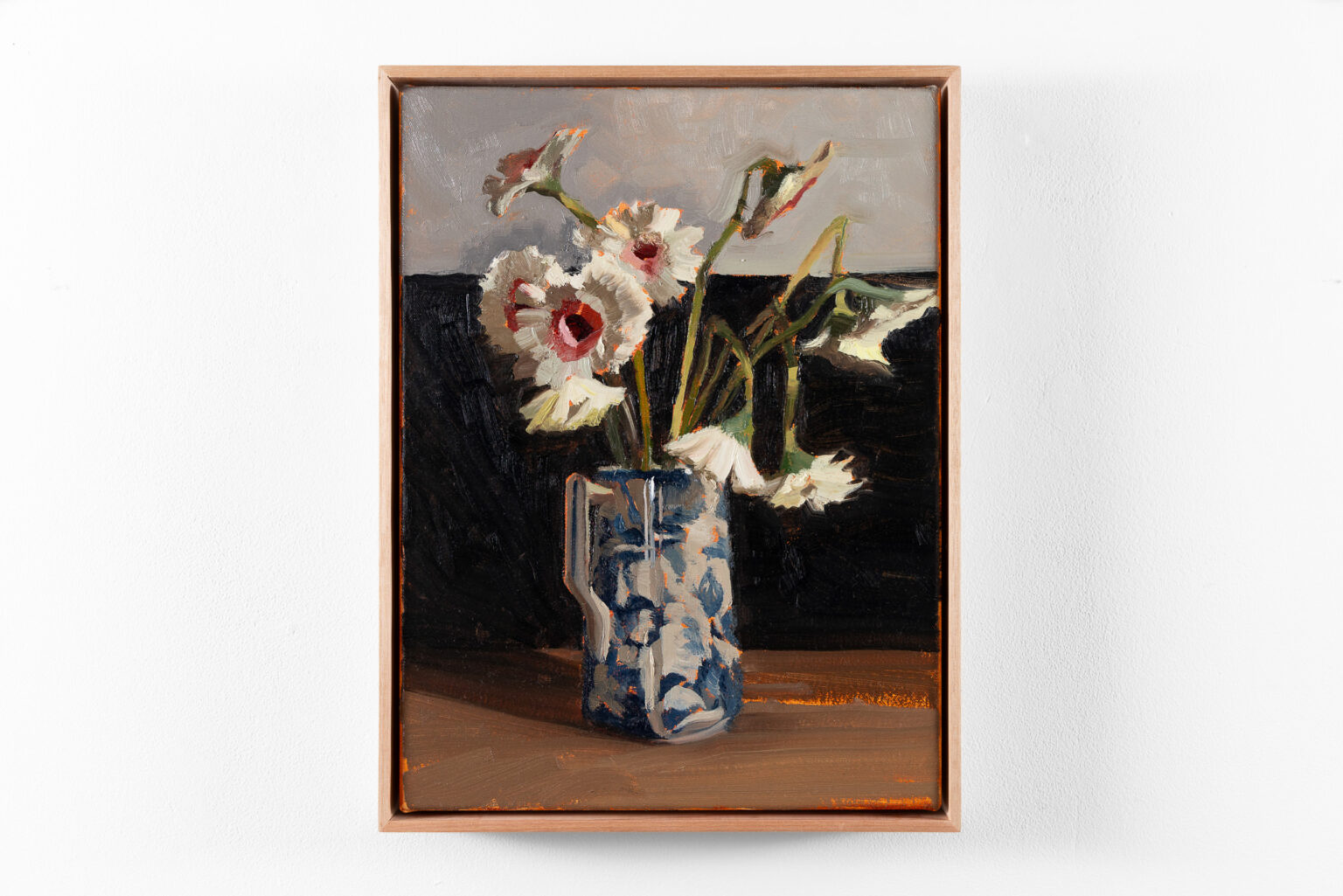
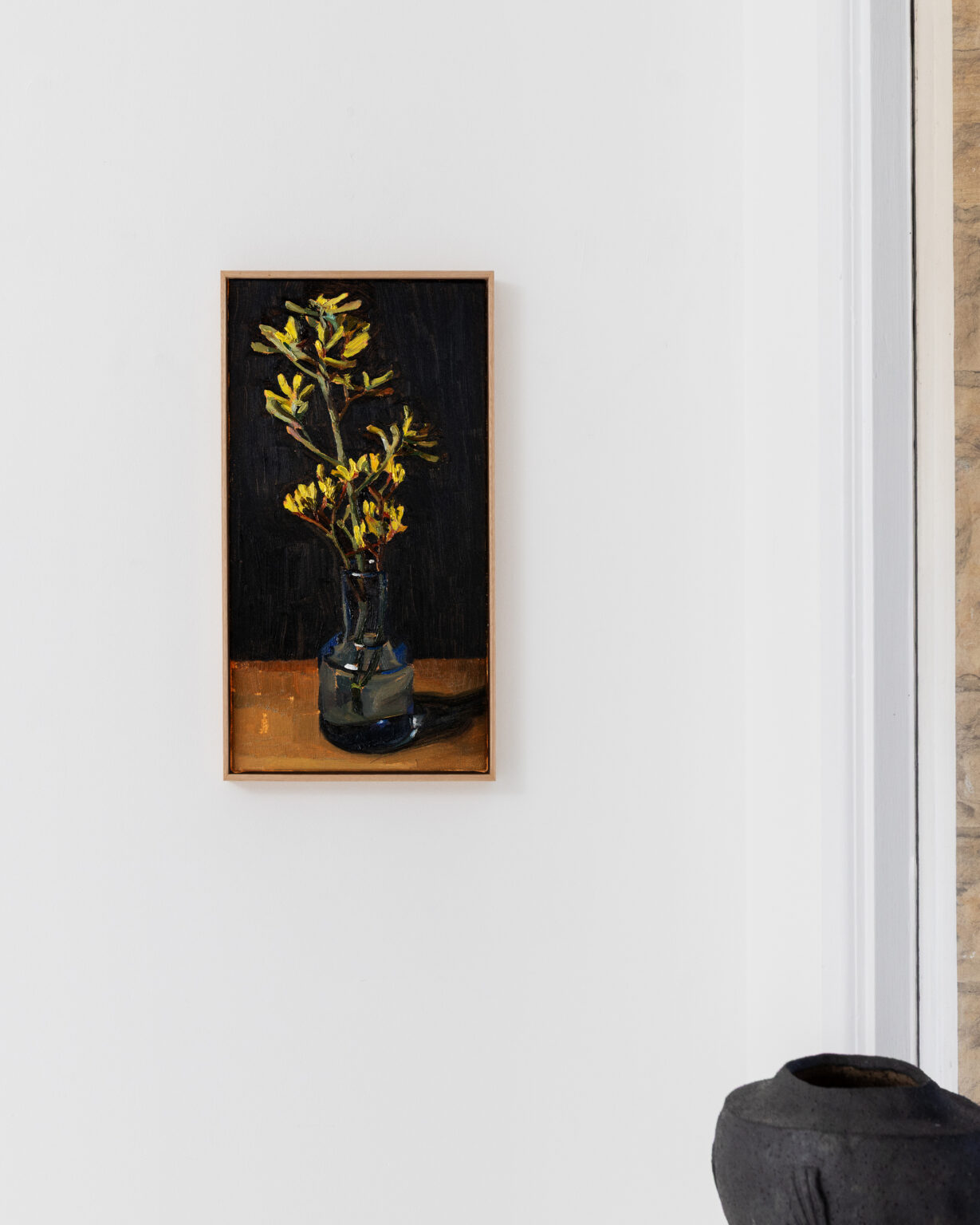
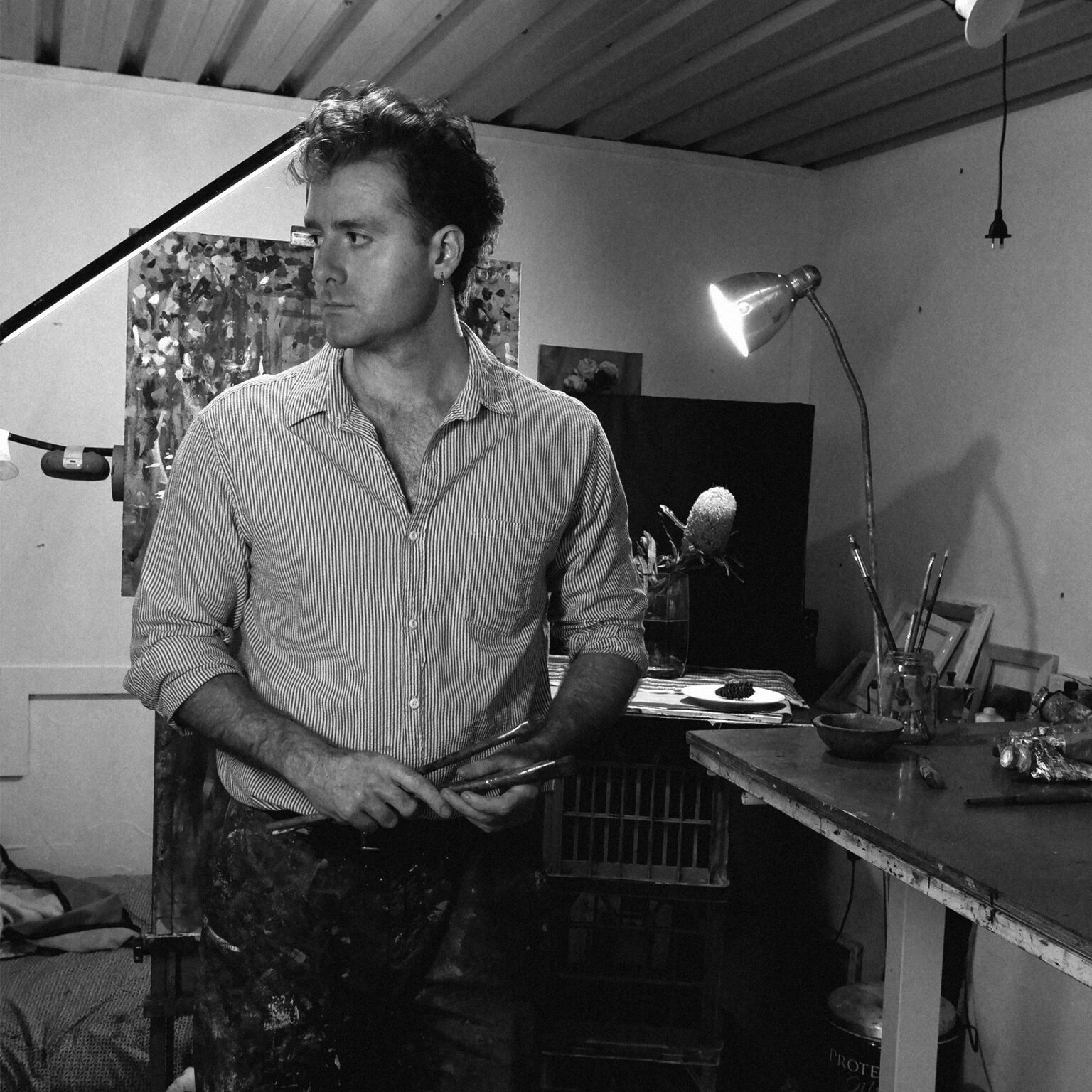
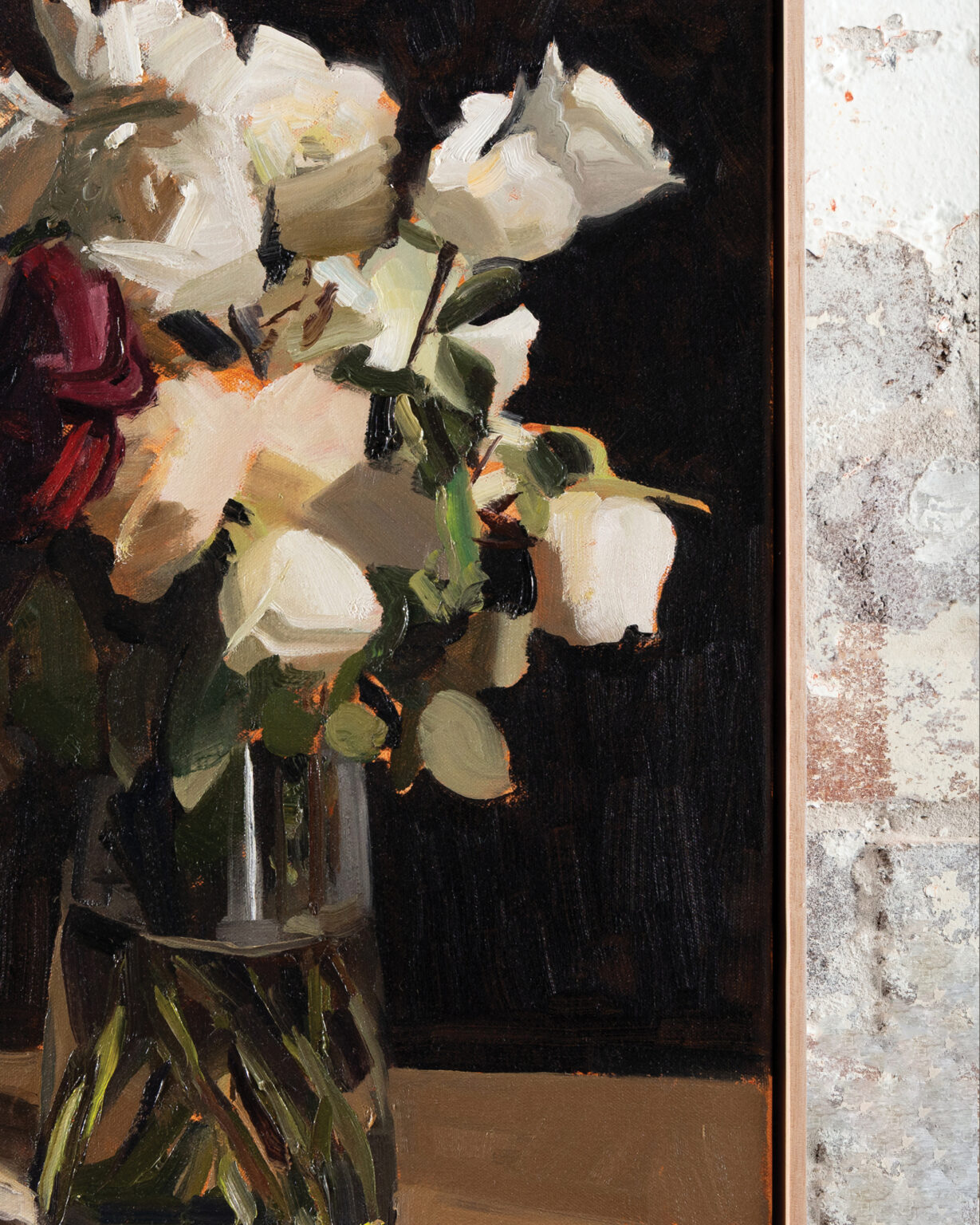
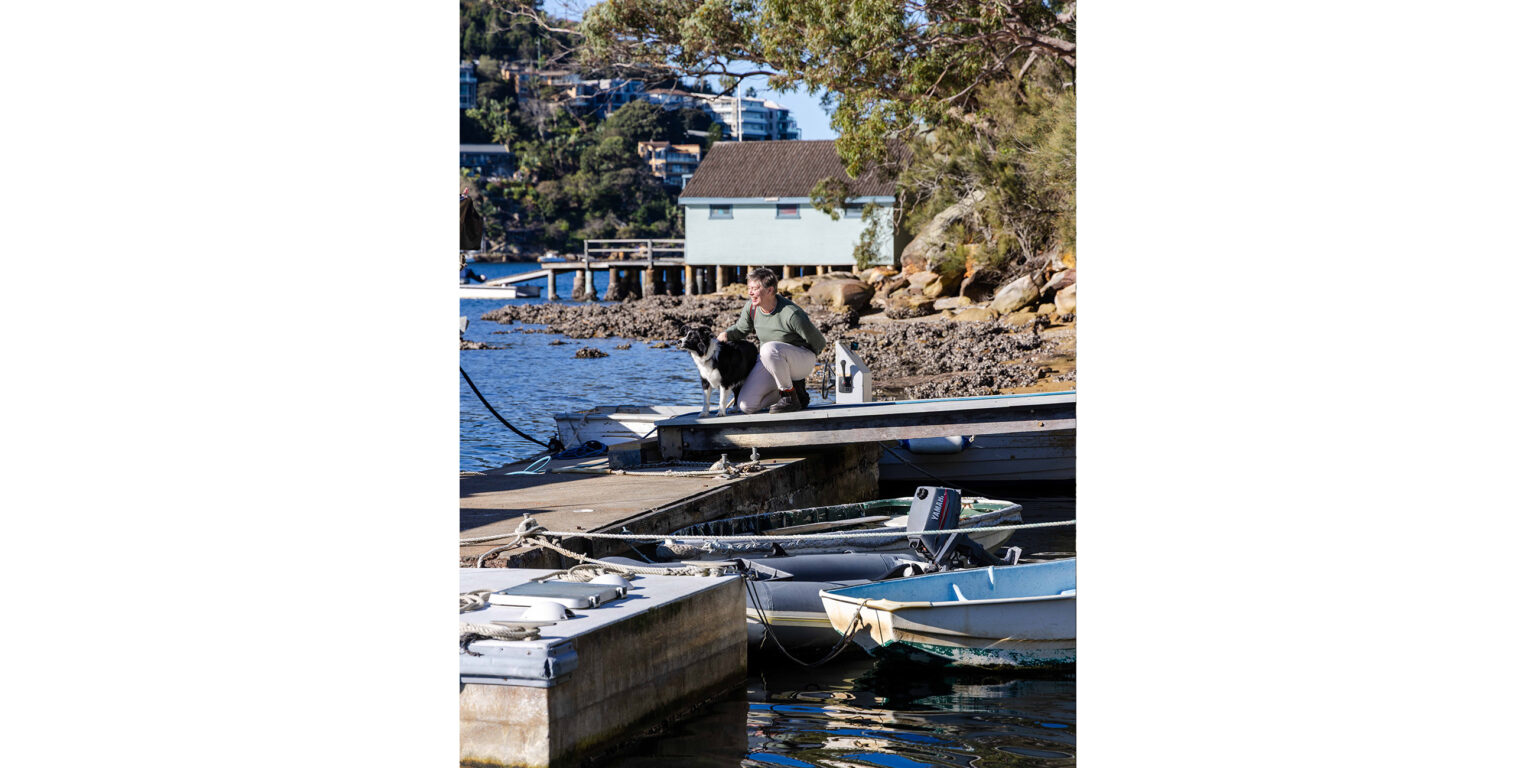
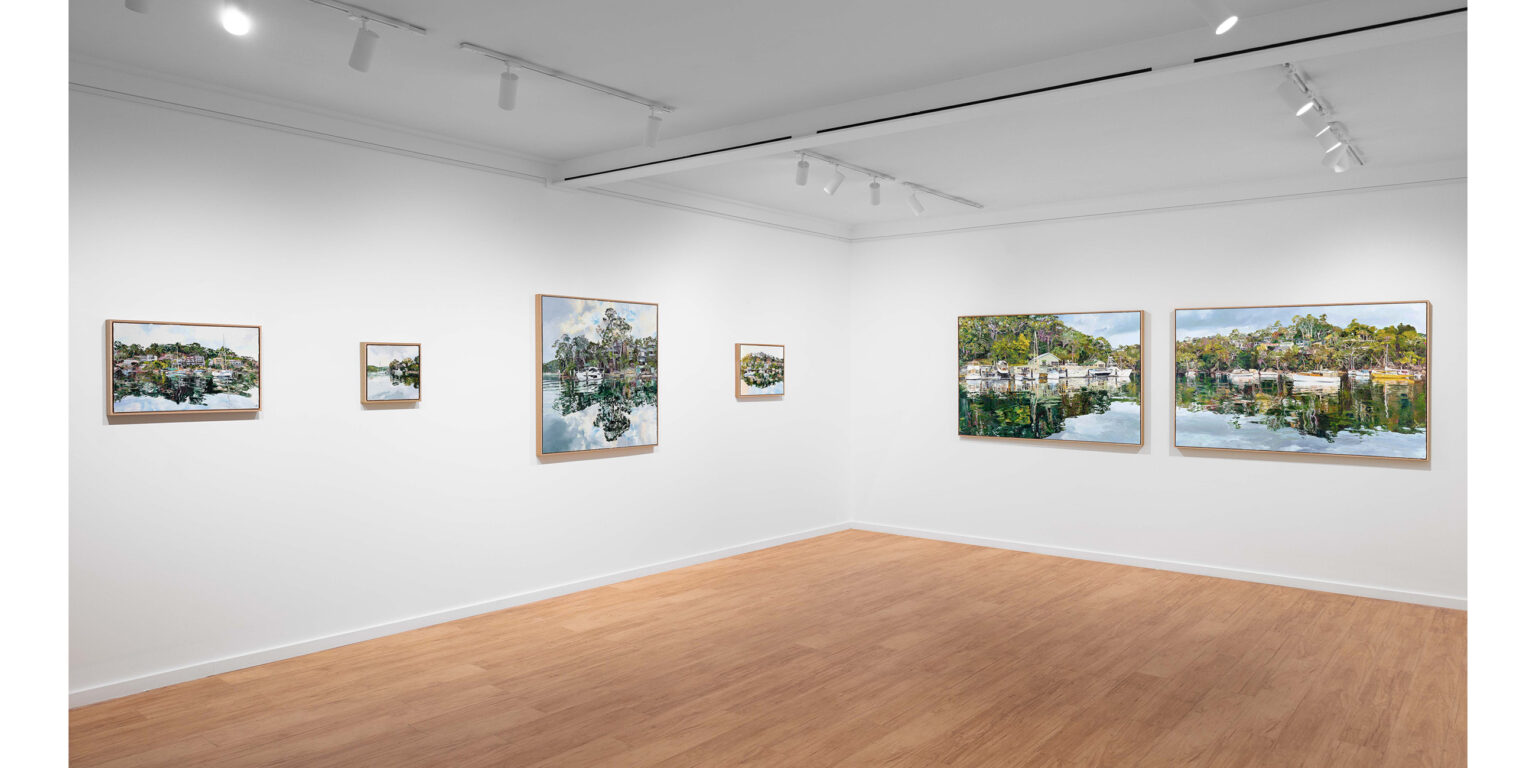
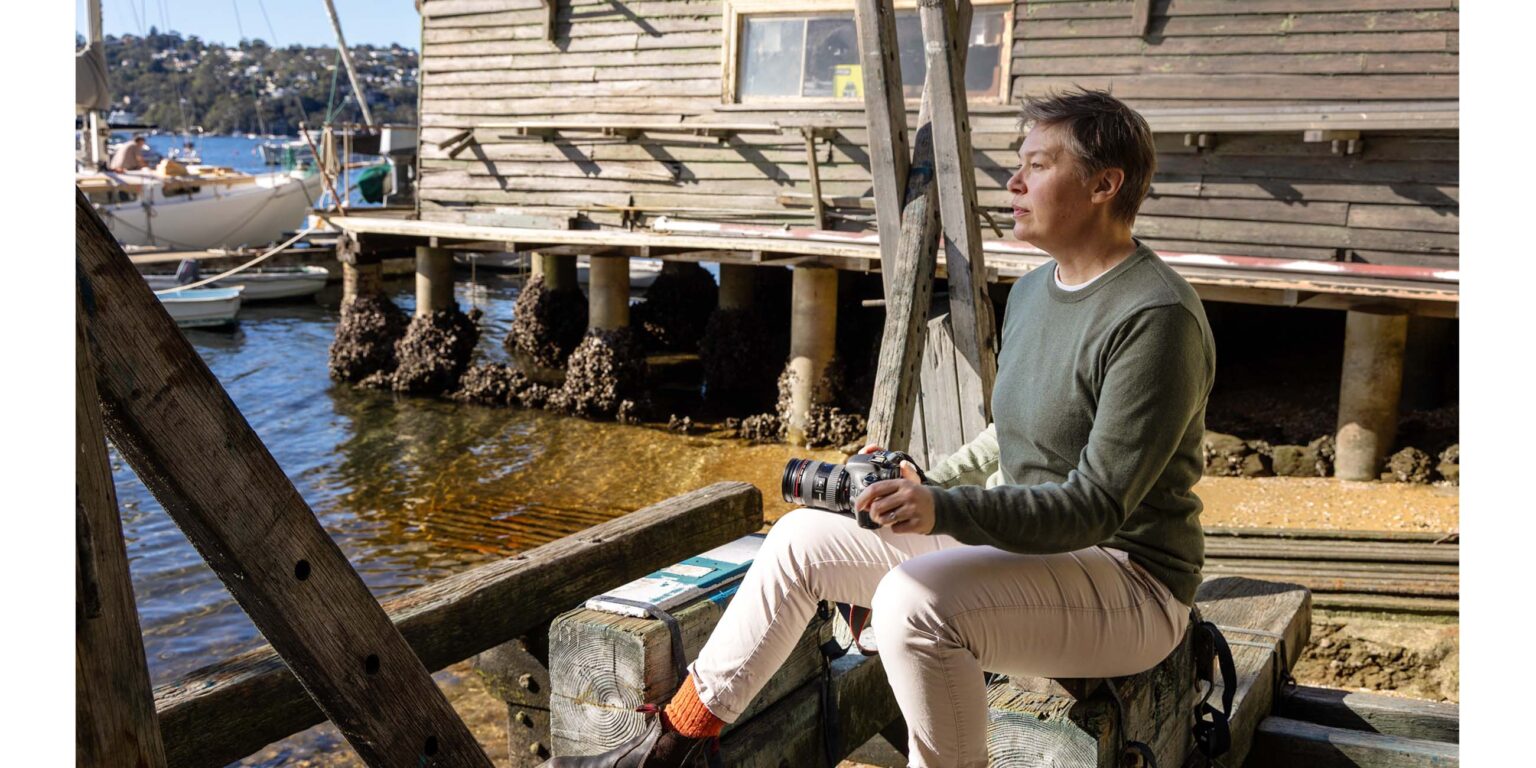
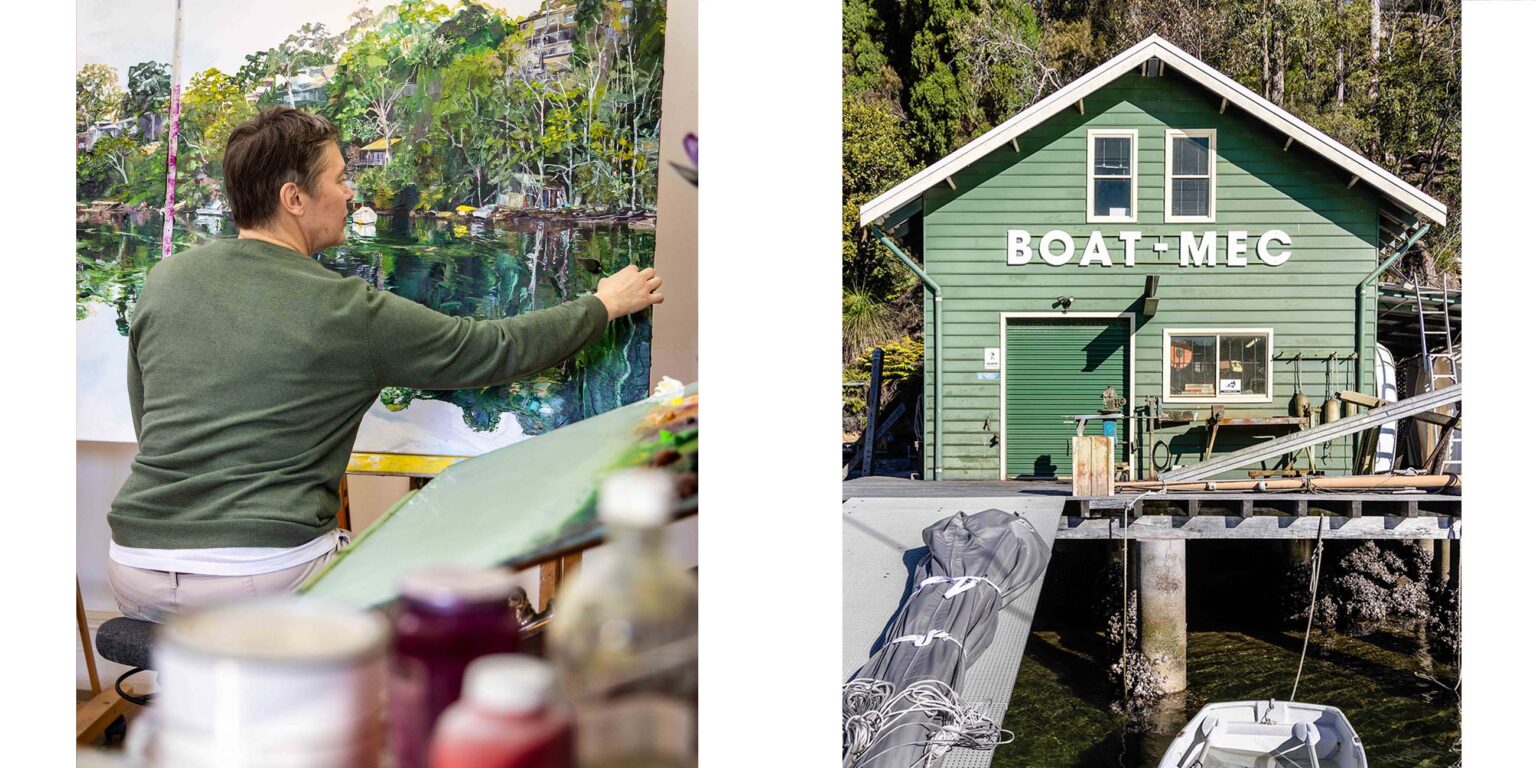
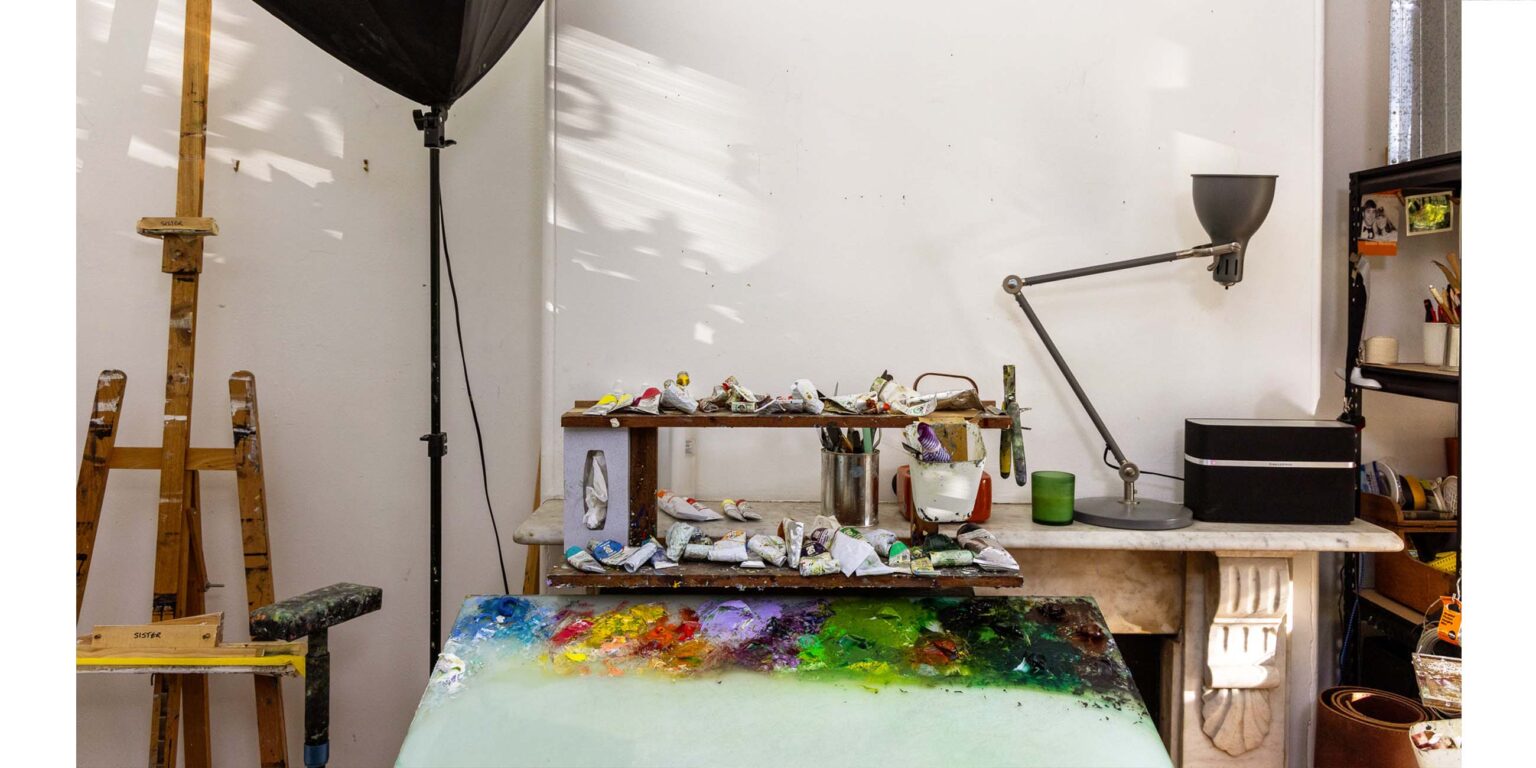
Ahead of announcing Miranda Joy Summers’ representation by Michael Reid Southern Highlands and Michael Reid Northern Beaches, the gallery team visited the artist at her Lower North Shore studio before walking the Middle Harbour bush tracks that have long informed her practice. It is here, immersed in sandstone escarpments, winding waterways and dense pockets of bush, that Summers gathers the visual and emotional impressions she later distils into richly textured oil paintings.
“For me, absorption of place is everything,” says Summers, whose new exhibition, Threshold, opens this week and marks her third collection with Michael Reid, following two acclaimed solo presentations in 2025 and early 2026. “However you approach it, the experience of the landscape has to permeate your whole being; it has to get into your soul.”
Read our interview with Miranda Joy Summers below. To sign up for early previews, exclusive news and priority access to forthcoming releases, please email willkollmorgen@michaelreid.com.au.
What were some of your early creative influences?
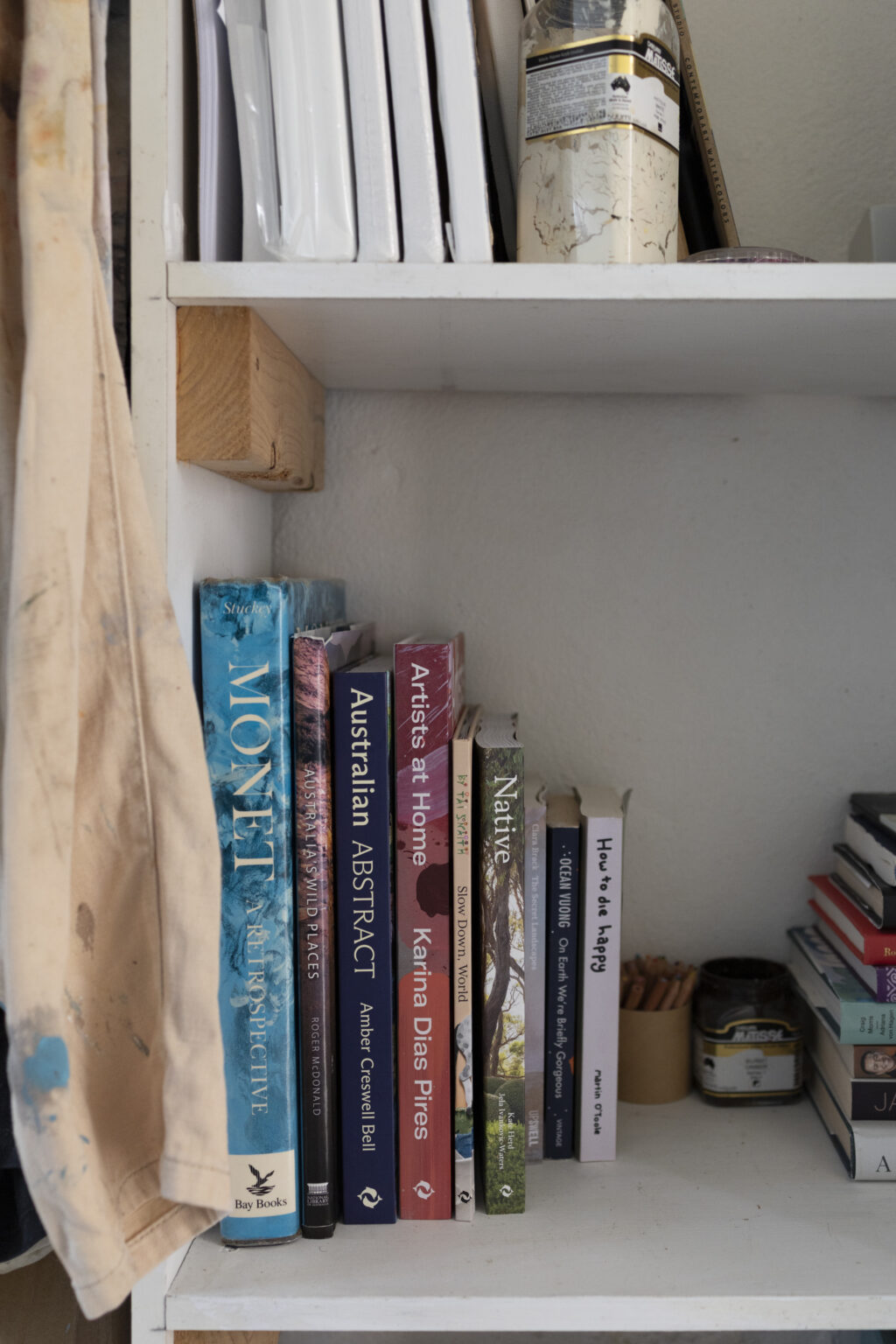
Dad took me to see Monet at the Royal Academy in London. The exhibition was titled Monet in the ’90s: The Series Paintings. I still have the exhibition guide. I was sixteen and about to begin art college.
I remember standing in a room with thirty of Monet’s Rouen Cathedrals, each painting depicting the same view, yet each an entirely individual response to light as it shifted with the weather and the changing hours of the day. I was completely awestruck!
Monet’s brushstrokes were thick, rough and bristling, as though he had stabbed at the canvas with the tip of a thick brush. Shadows were built from unexpected hues, while sunlight was described through an entire spectrum of pigments. I felt as though I could see inside the light itself. I wondered at how one human was able to so truthfully capture the essence of light, fill it with emotion and still convey an object.
It was the first time I understood that painting wasn’t just about recording what we see, but about conveying an experience. This Monet exhibition was definitely a defining moment.
How did you develop your approach to painting, and how would you describe your process today?
Painting was a hobby always, but came to occupy me fully later in my career. After art college, my practice shifted from two-dimensional work into three dimensions. I studied Theatre Production before working as a theatre prop maker, alongside set and scenic painting.
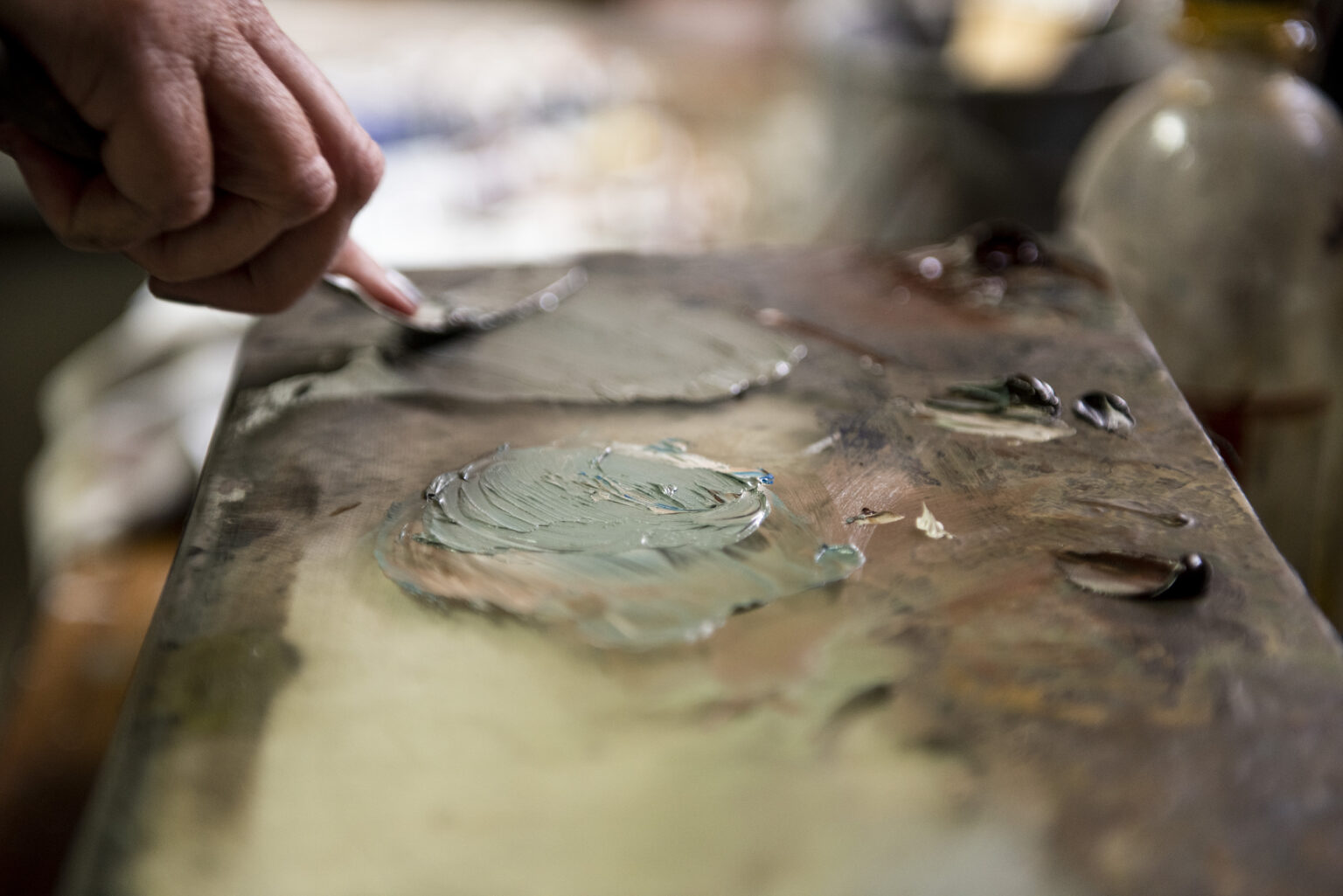
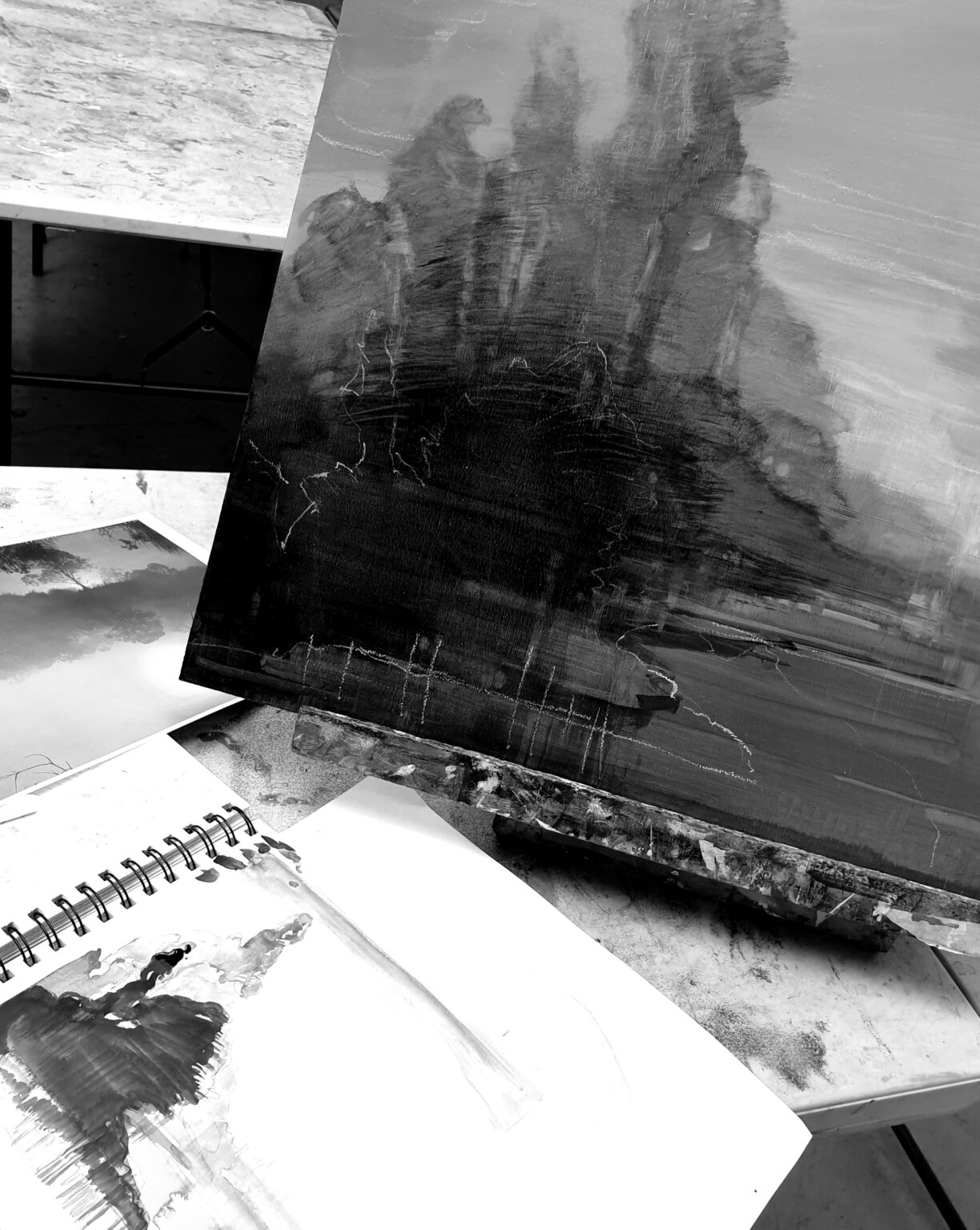
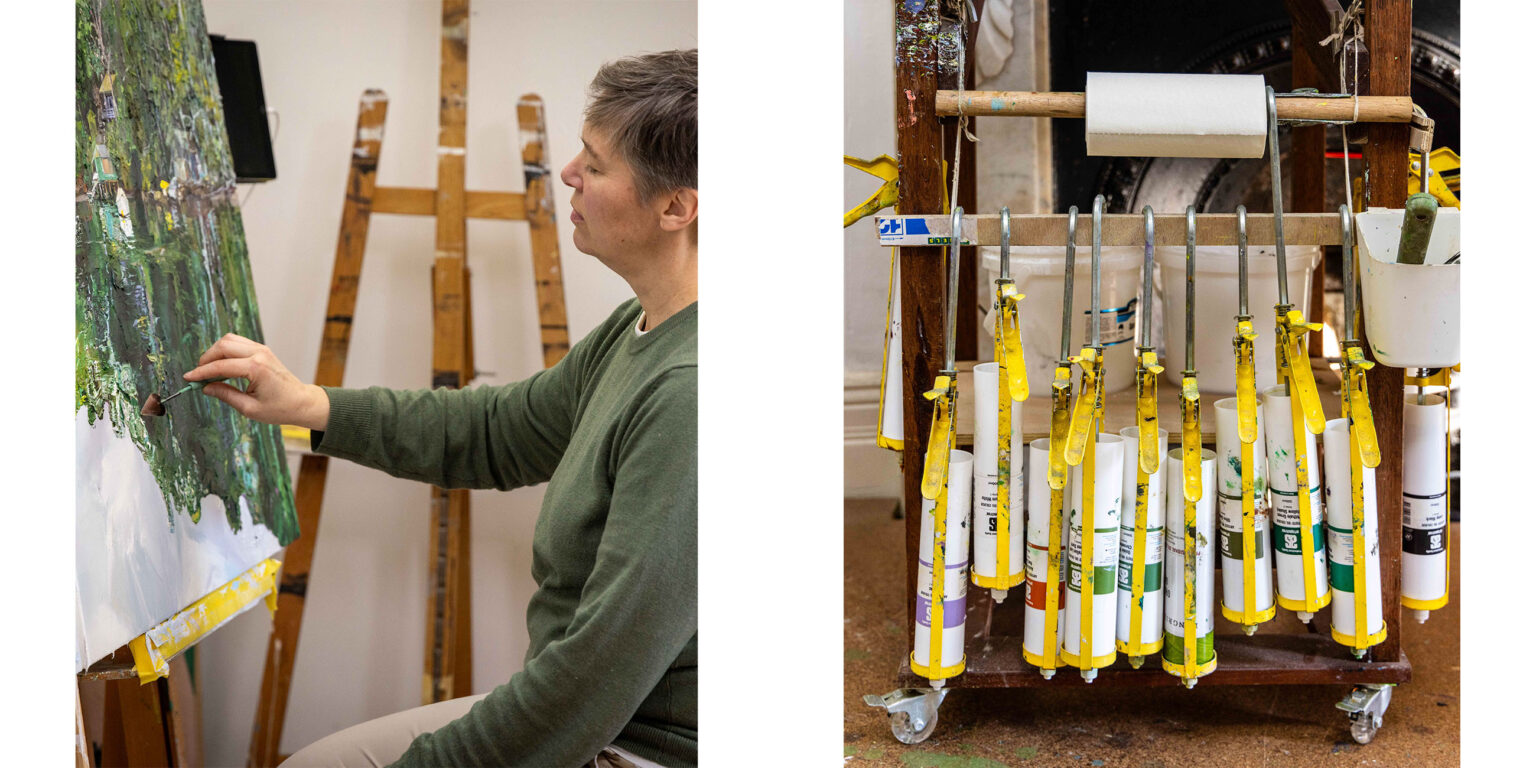
When I finally picked up a tool to paint for myself, it was a painting knife. I painted almost with my eyes closed. I called it painting inside out. It was entirely emotion-driven: thick paint, heavy carving strokes using oil and wax, a deeply personal beginning. At that stage it mattered less what I painted than how the act of painting felt.
Eventually I felt the need to develop more traditional painting skills. I began painting realistic landscapes, immersing myself in the possibilities of oil paint: its extraordinary colour, the subtlety of blending and the pleasure of working with beautifully made brushes. It was a period of technical discipline, learning the language of painting.
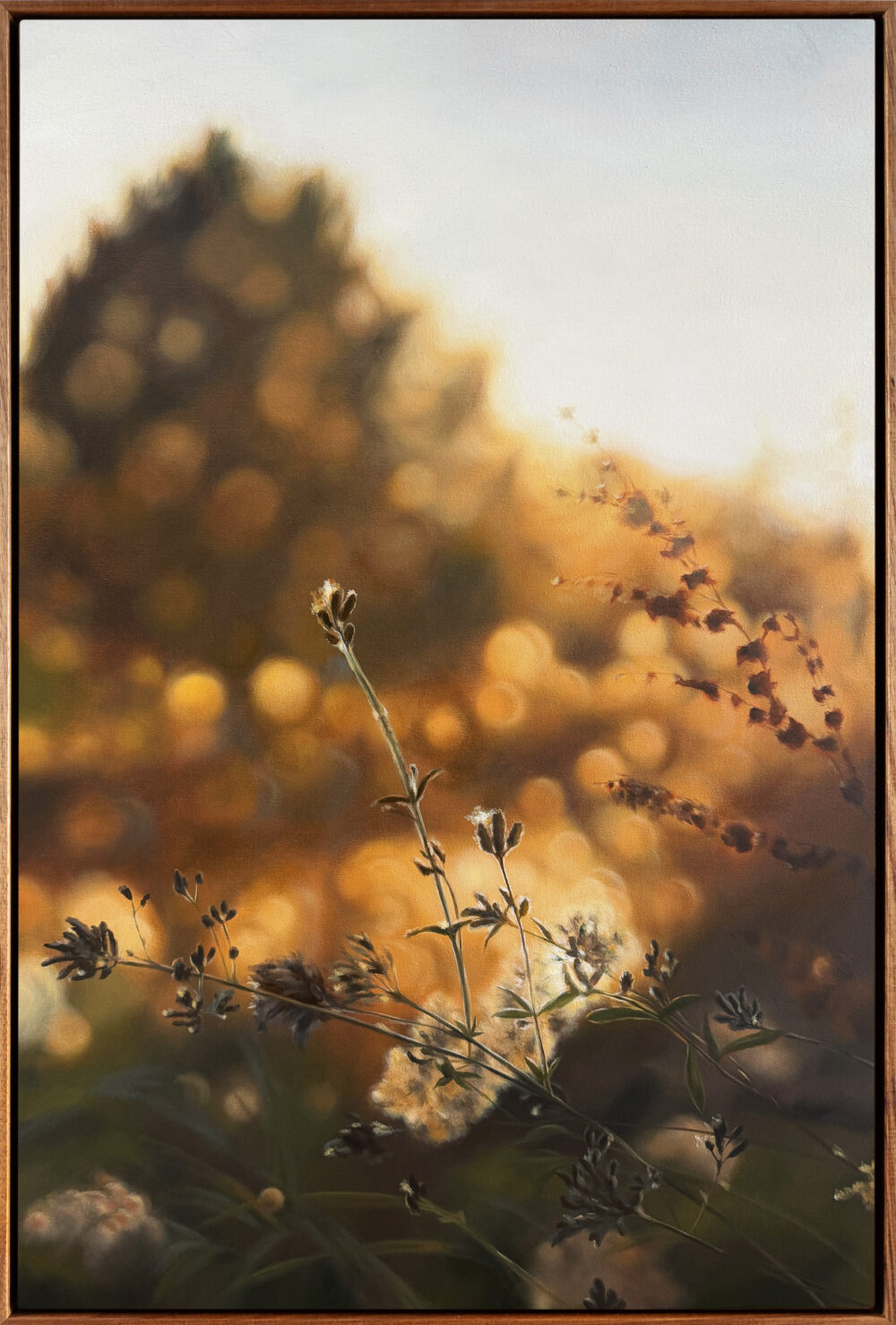
Once I felt I had absorbed those skills, I found myself returning to the painting knife. Inspired by Monet and the great impressionists, I wanted to communicate the essence of a subject with as few marks as possible, to describe the landscape through colour rather than detail, using shifts in hue, value and temperature to suggest form, distance and atmosphere.
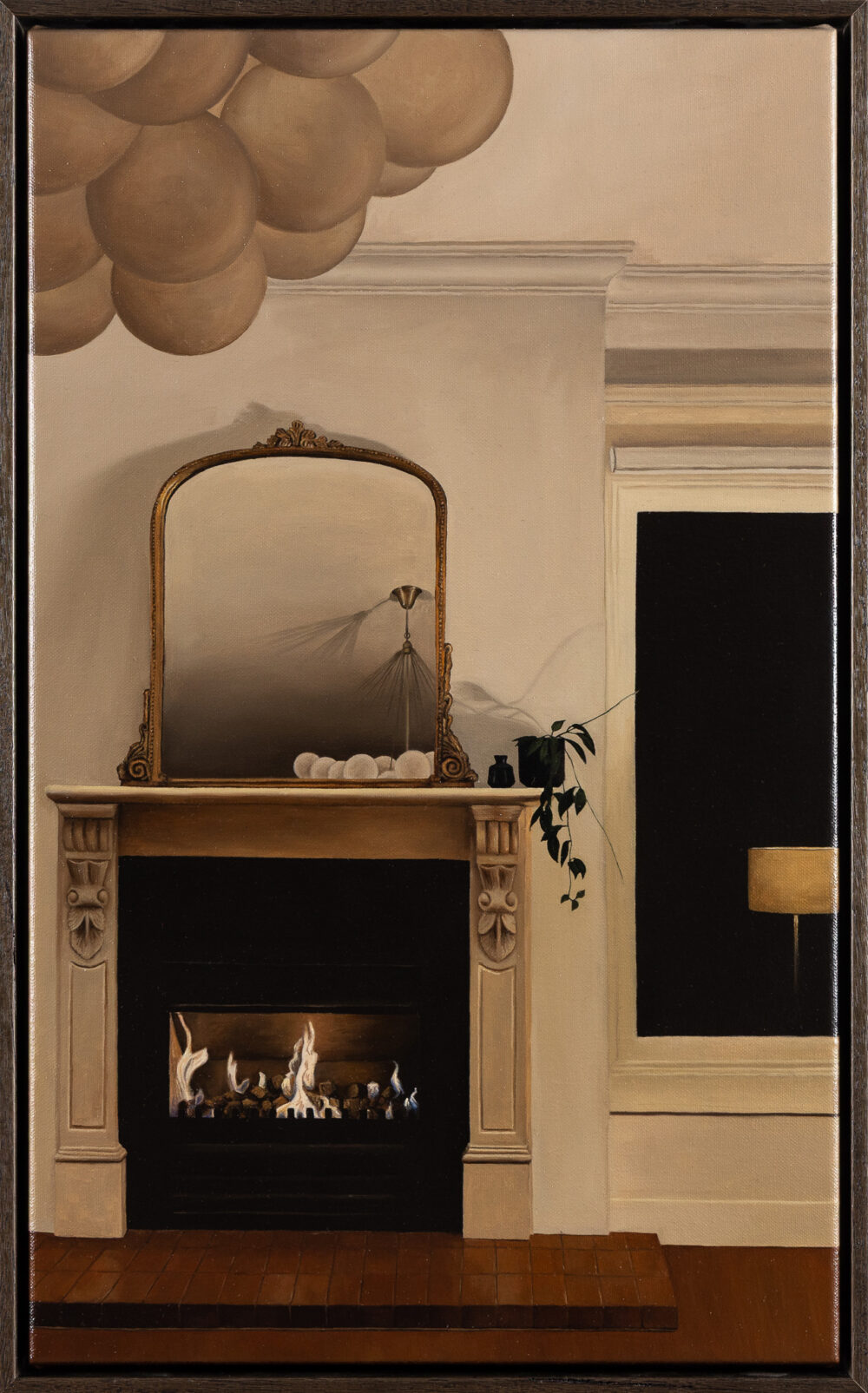
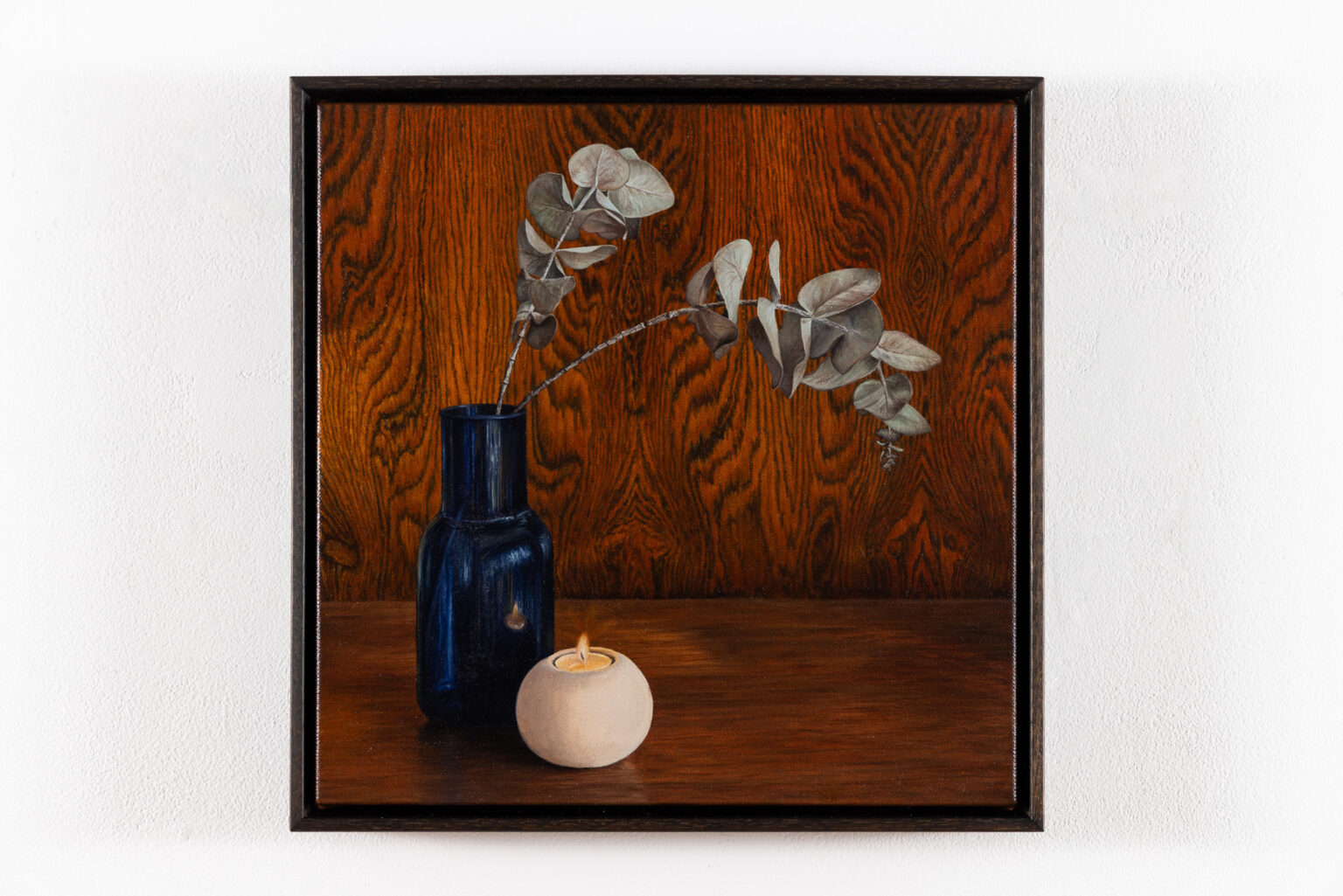
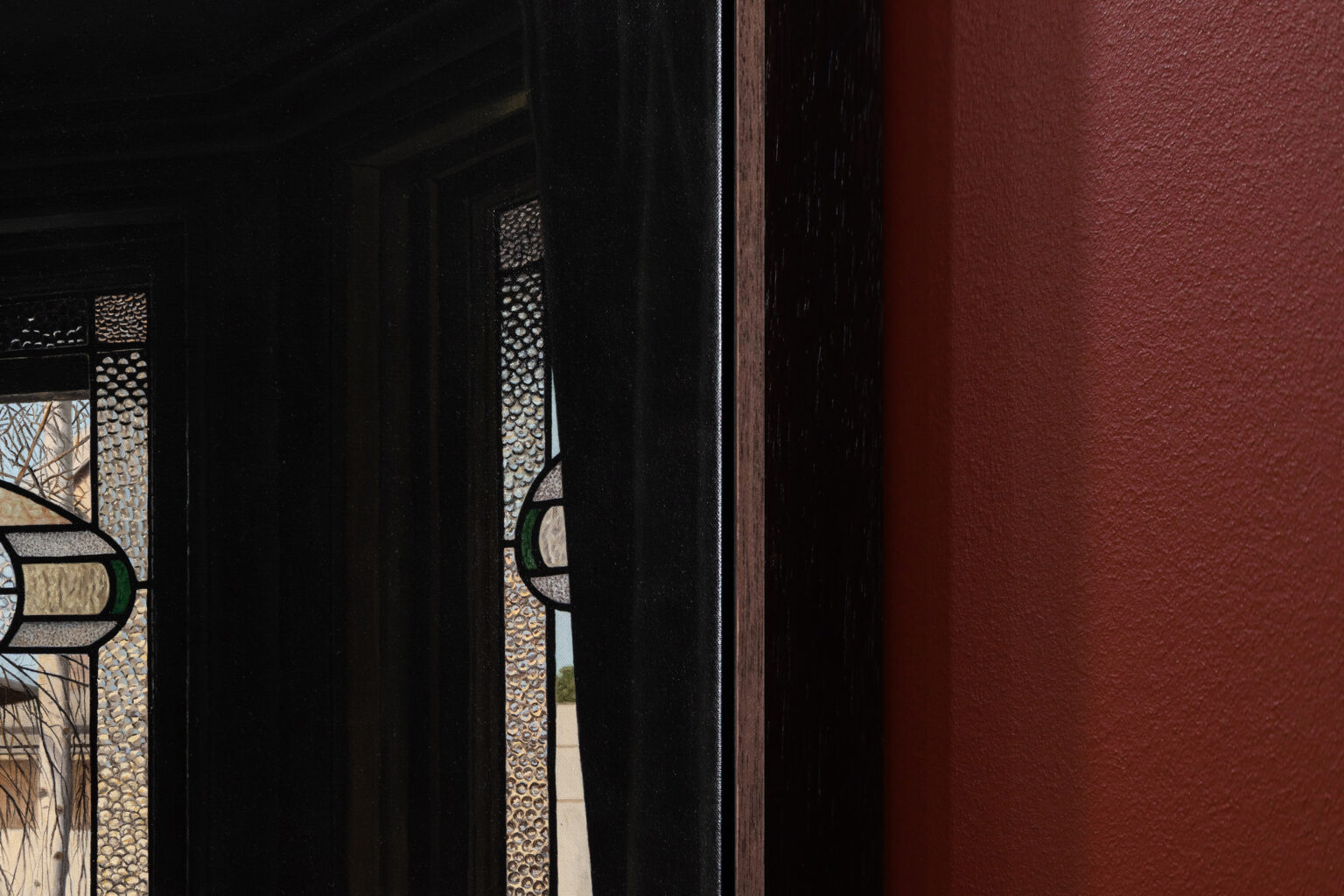
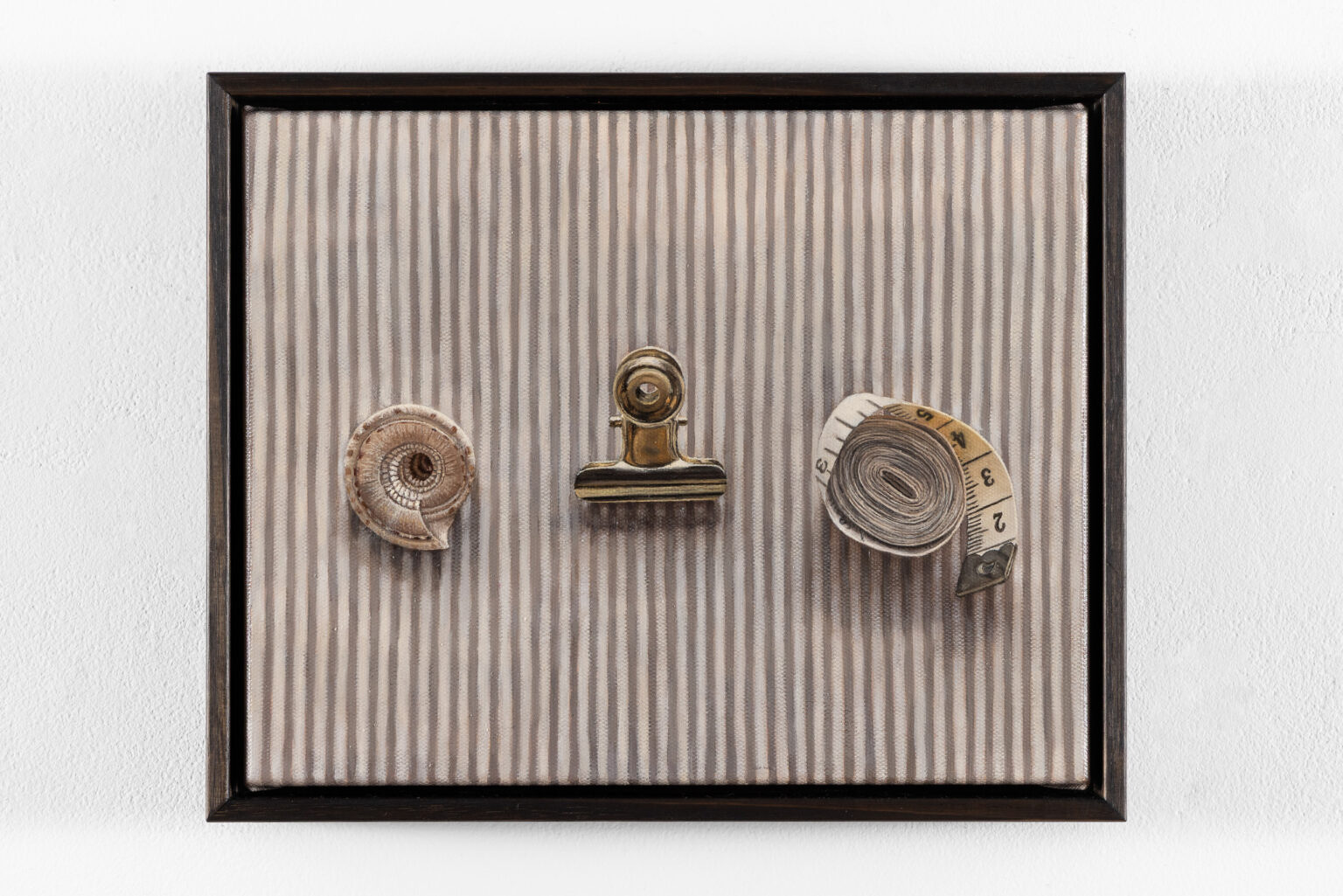
Today my process has refined itself once again. Although I try to discipline myself to broaden the stroke and reduce the number of marks, I find myself irresistibly drawn to detail. I think I understand that those details become anchors within the painting. They provide just enough certainty for the viewer, allowing the more improbable reflections and fractured realities to feel believable. I want the viewer to trust the narrative told in the painting, to be drawn into it, and ultimately to find themselves inside it.
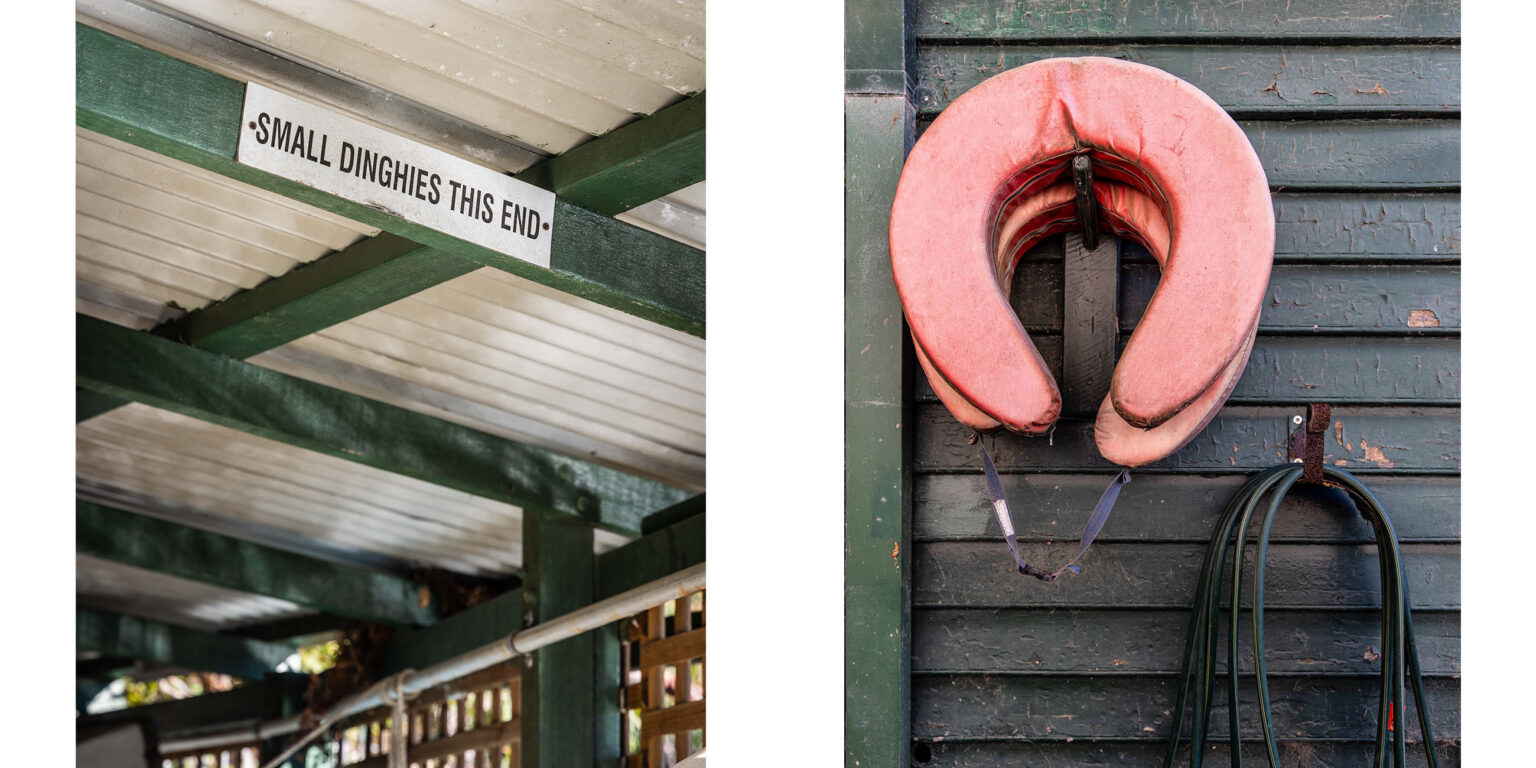
Could you tell us about your relationship to the landscapes that have recurred in your work?
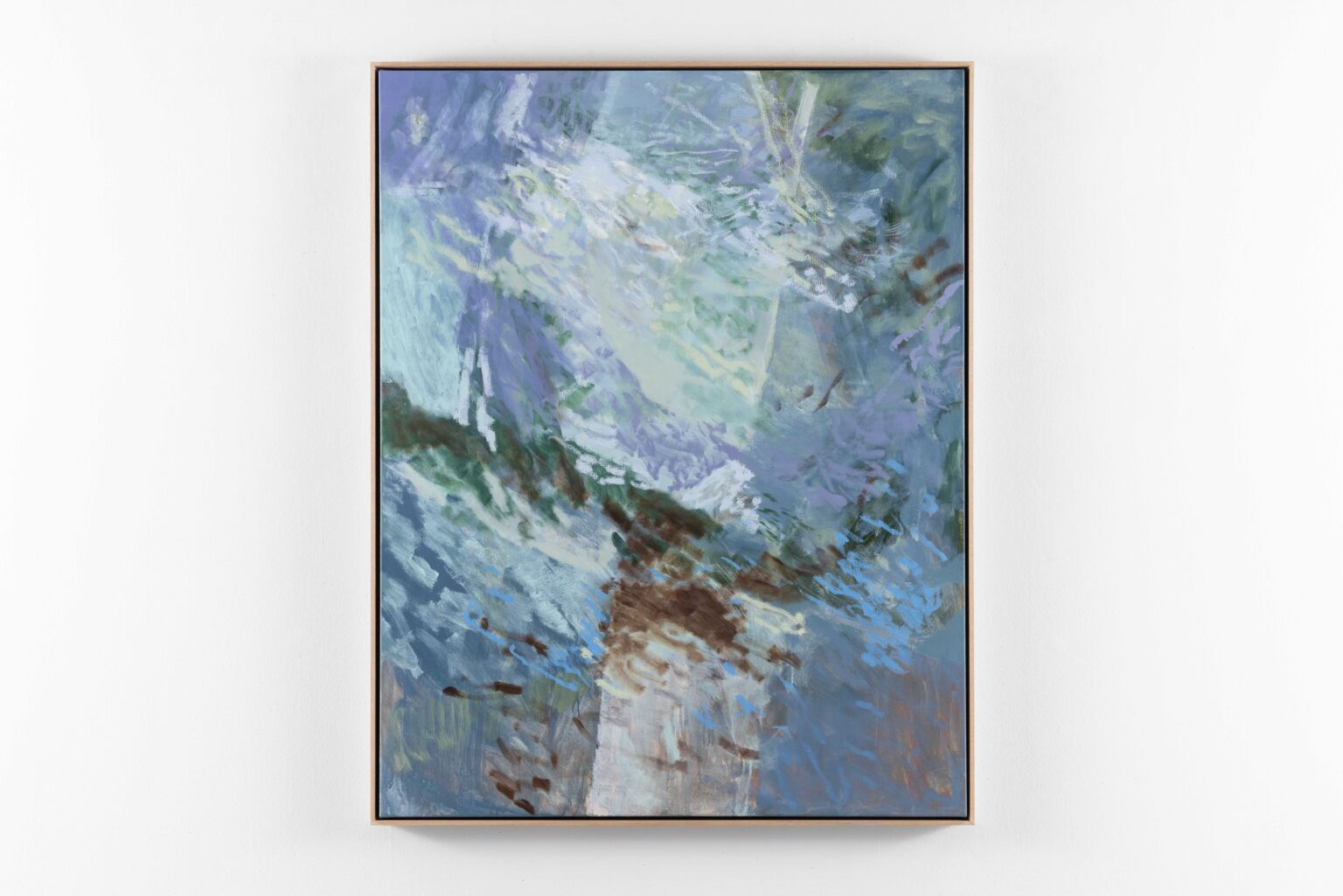
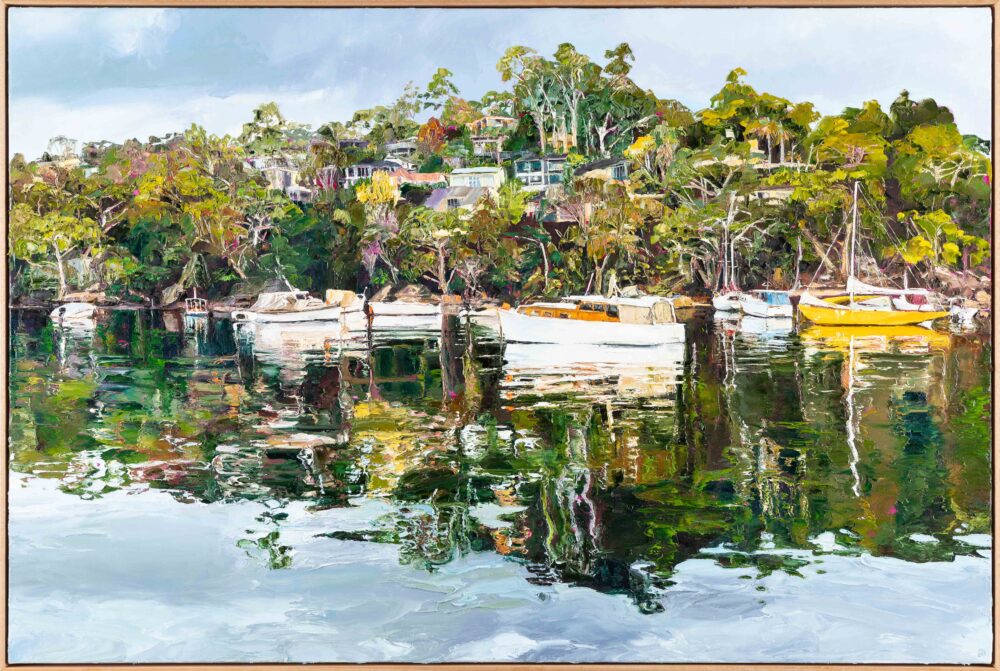
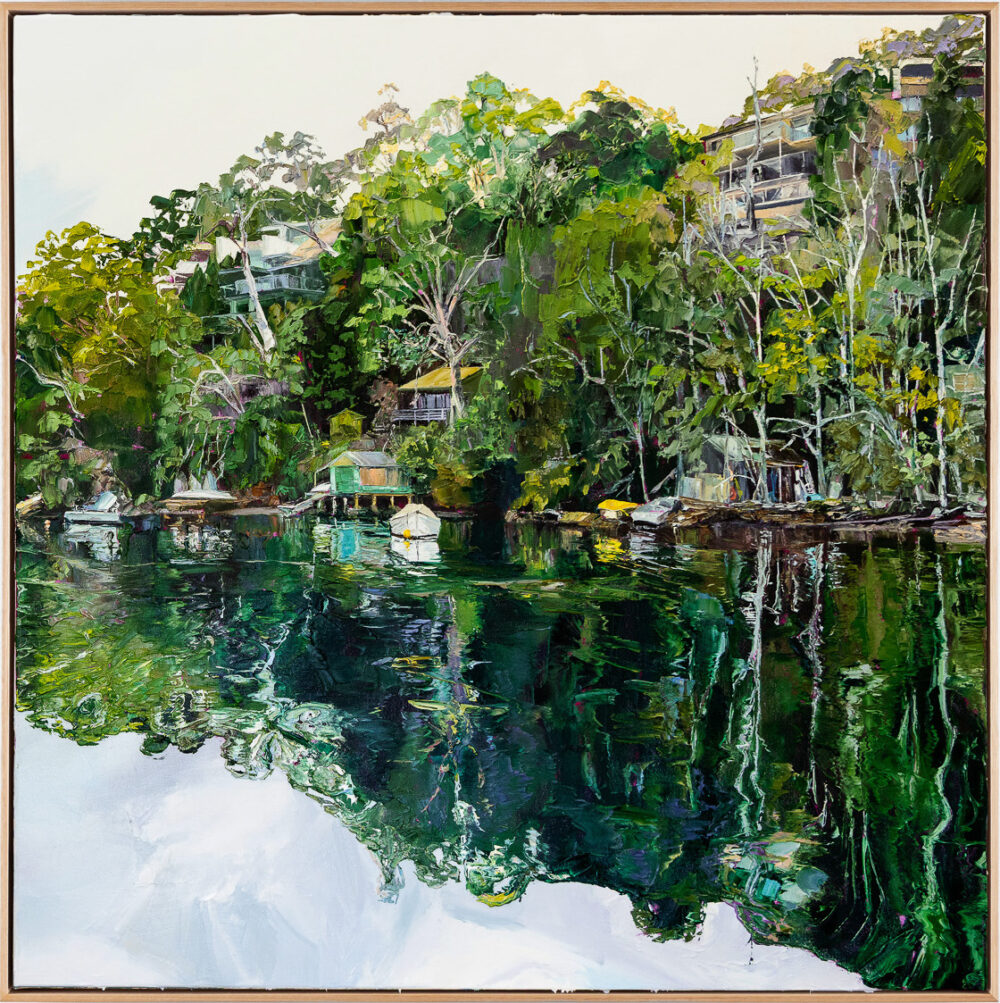
I feel deeply connected to Australia’s waterways, gum trees and expansive skies, but it is the water that continually draws me back. I’m captivated by its depth, its shifting colour, and the way it holds and transforms the world through reflection.
Perhaps it is the light that makes this possible. Light penetrates the water, bounces from its surface and reveals an endless spectrum of colour. Those reflections are never fixed. They fracture, distort and reassemble the landscape into something both familiar and entirely new.
Lately my focus has become less about the objects themselves and more about the relationship between water, light and perception. I’m not convinced we all experience colour in quite the same way. However, the colours I see inform the way I paint. My landscapes are less about describing a place than inviting the viewer into my experience of seeing it.
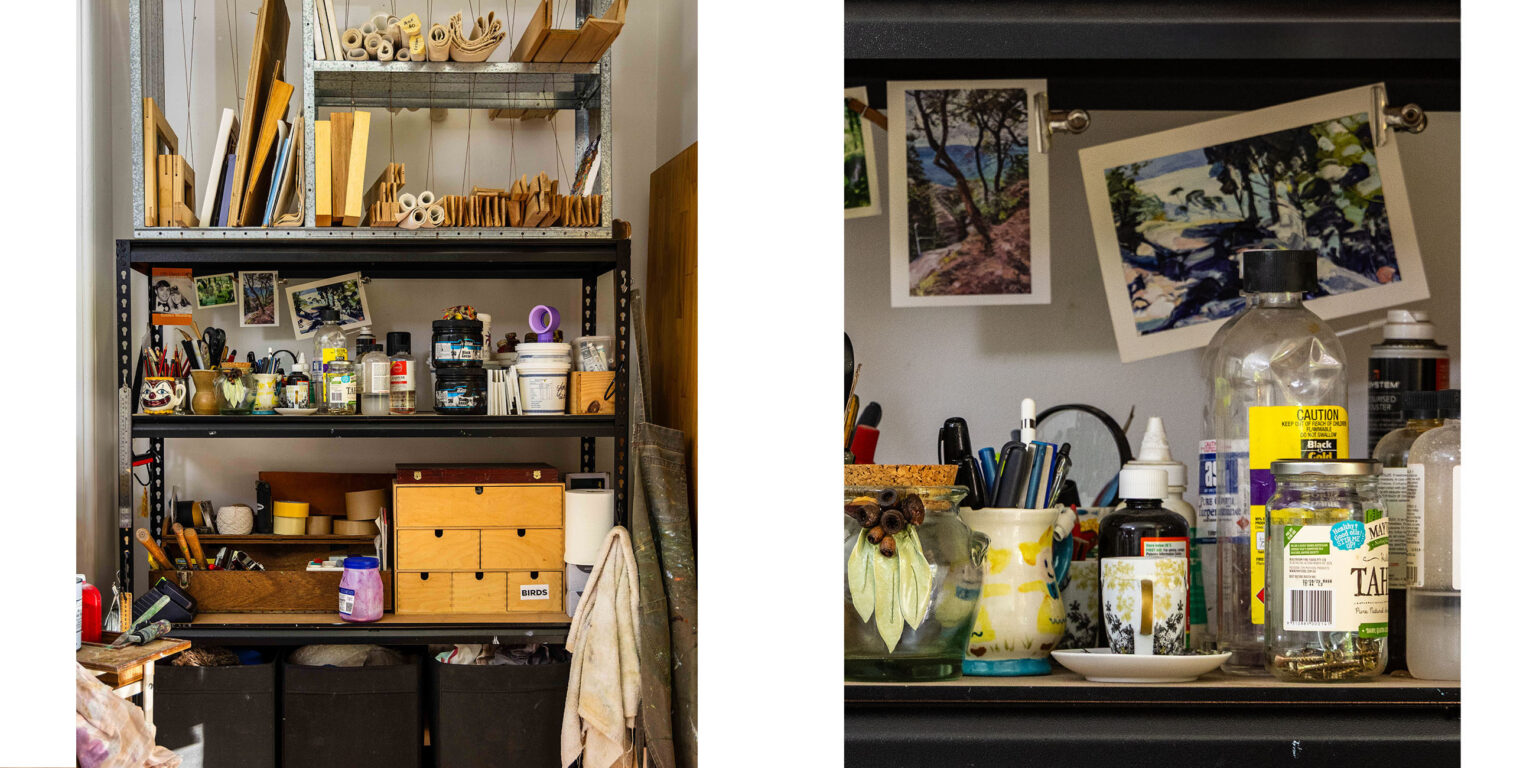
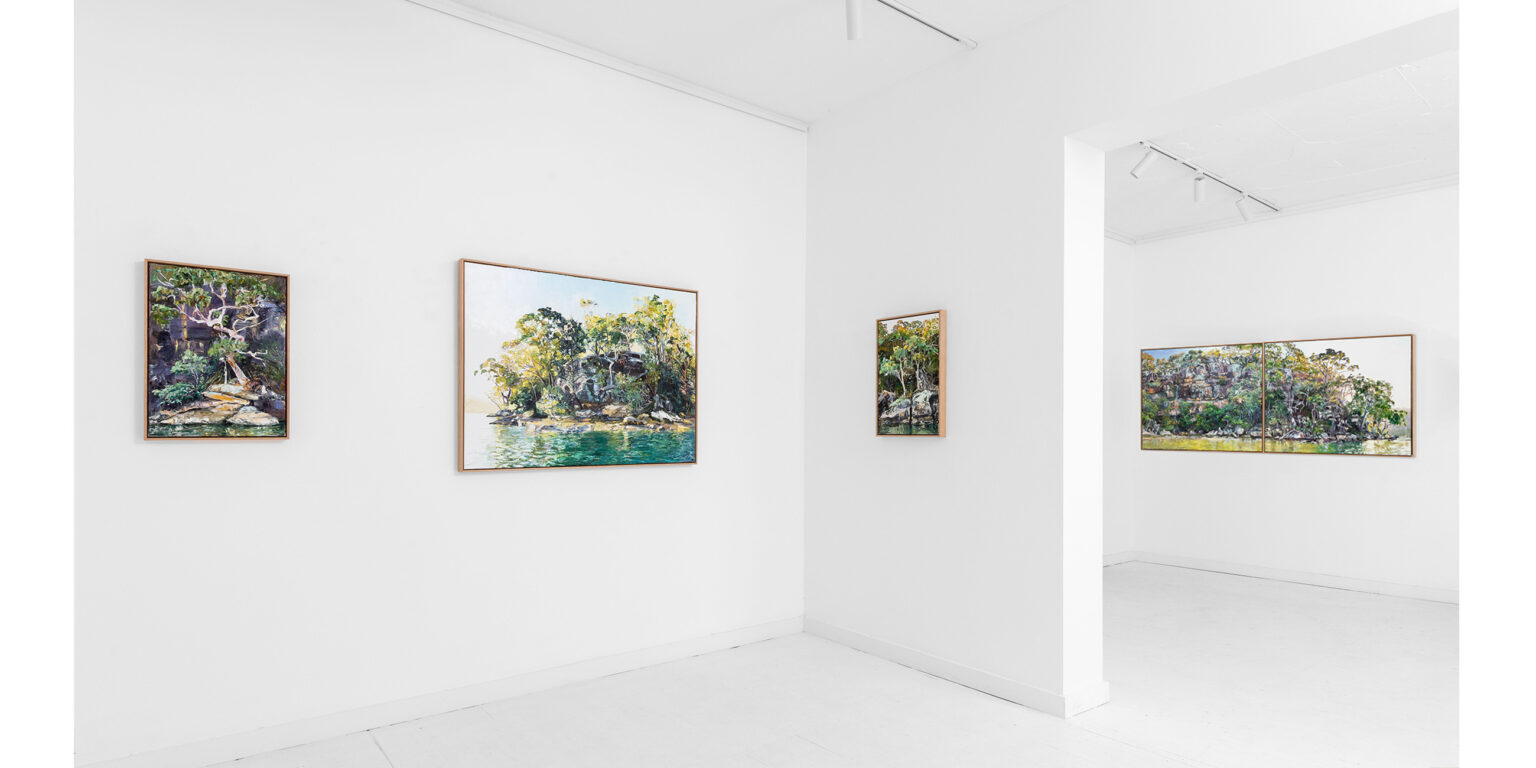
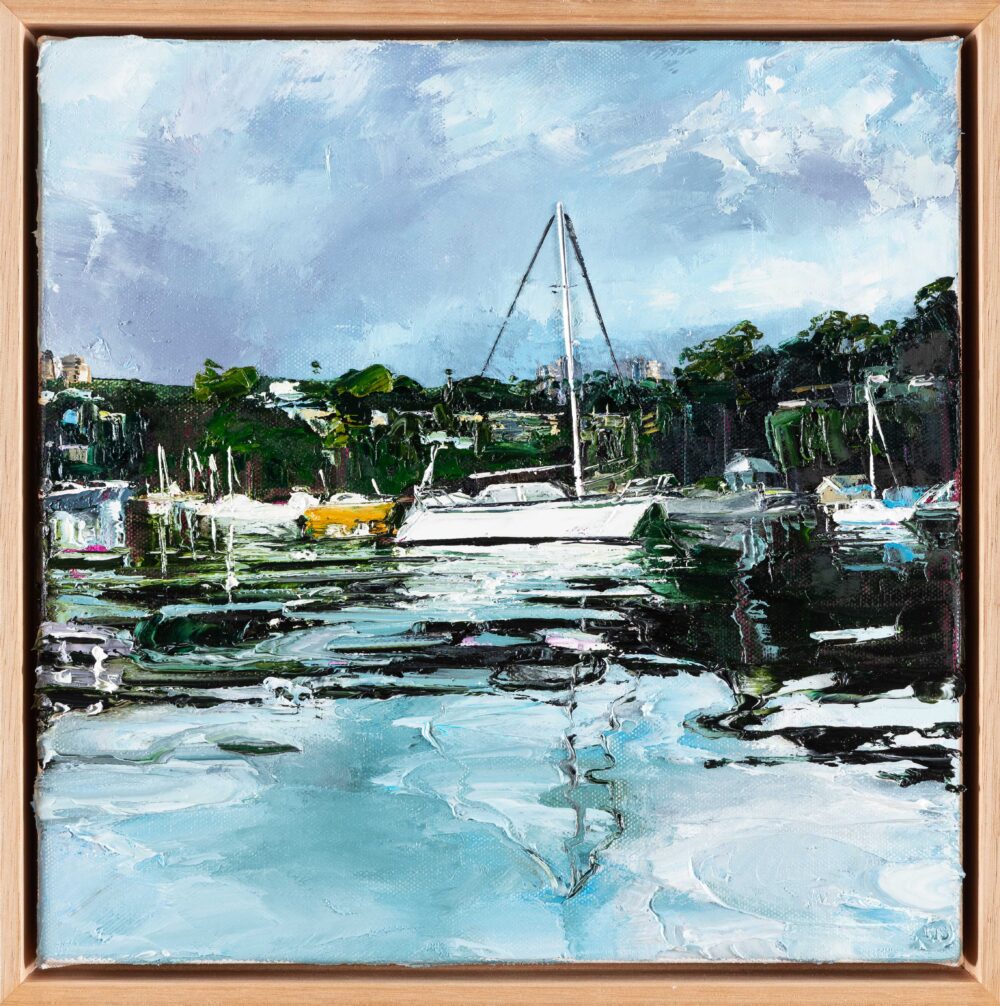
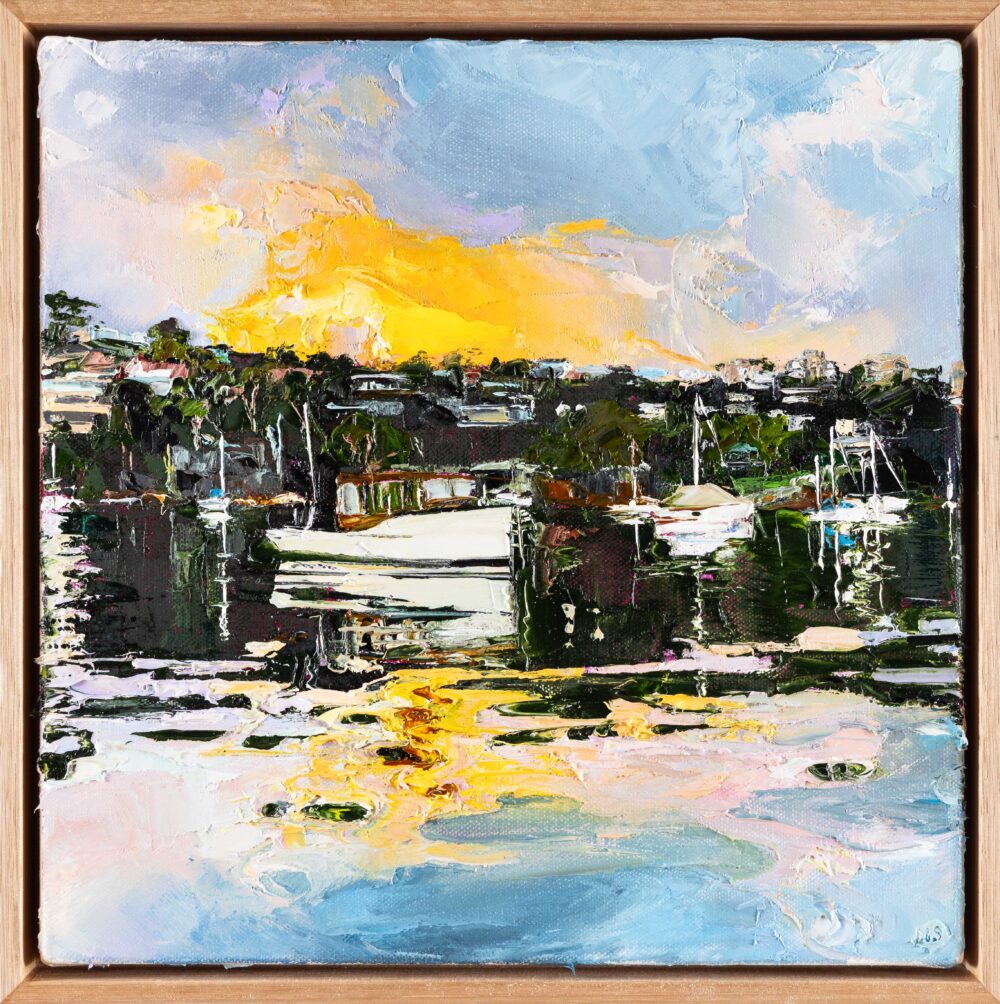
What was the starting point for your most recent series, Threshold?
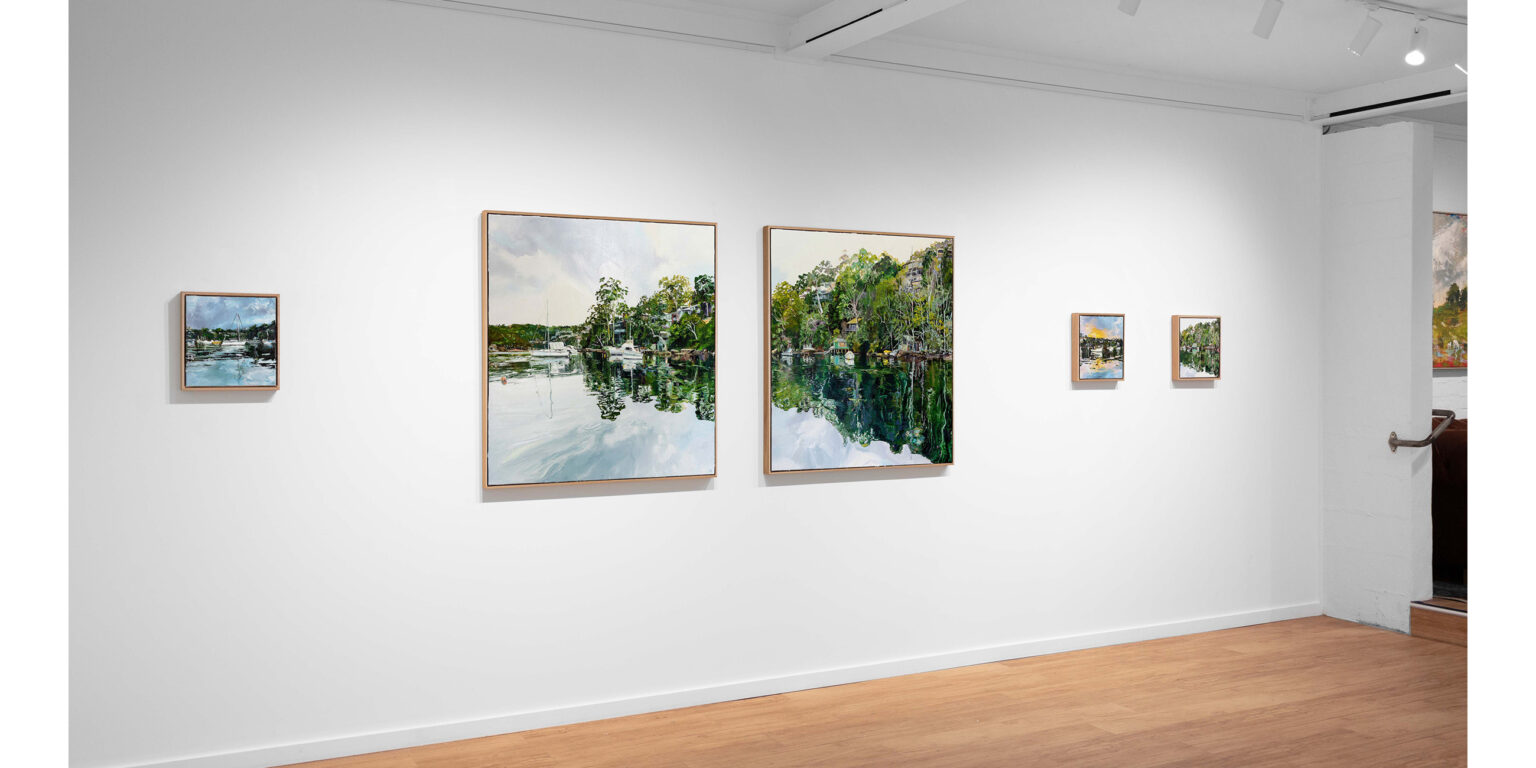
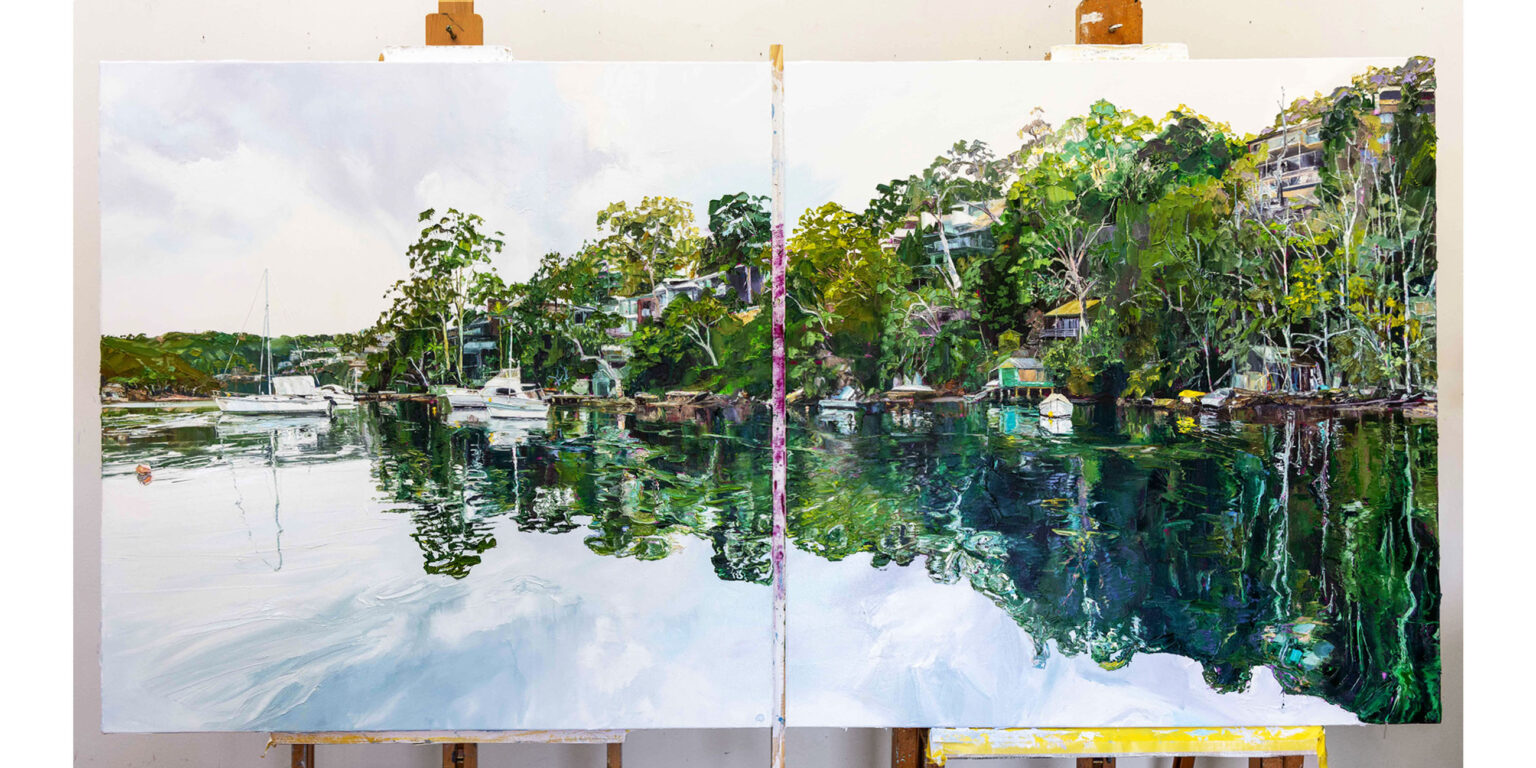
Threshold began as a response to a brief: proof of human existence within the landscape.
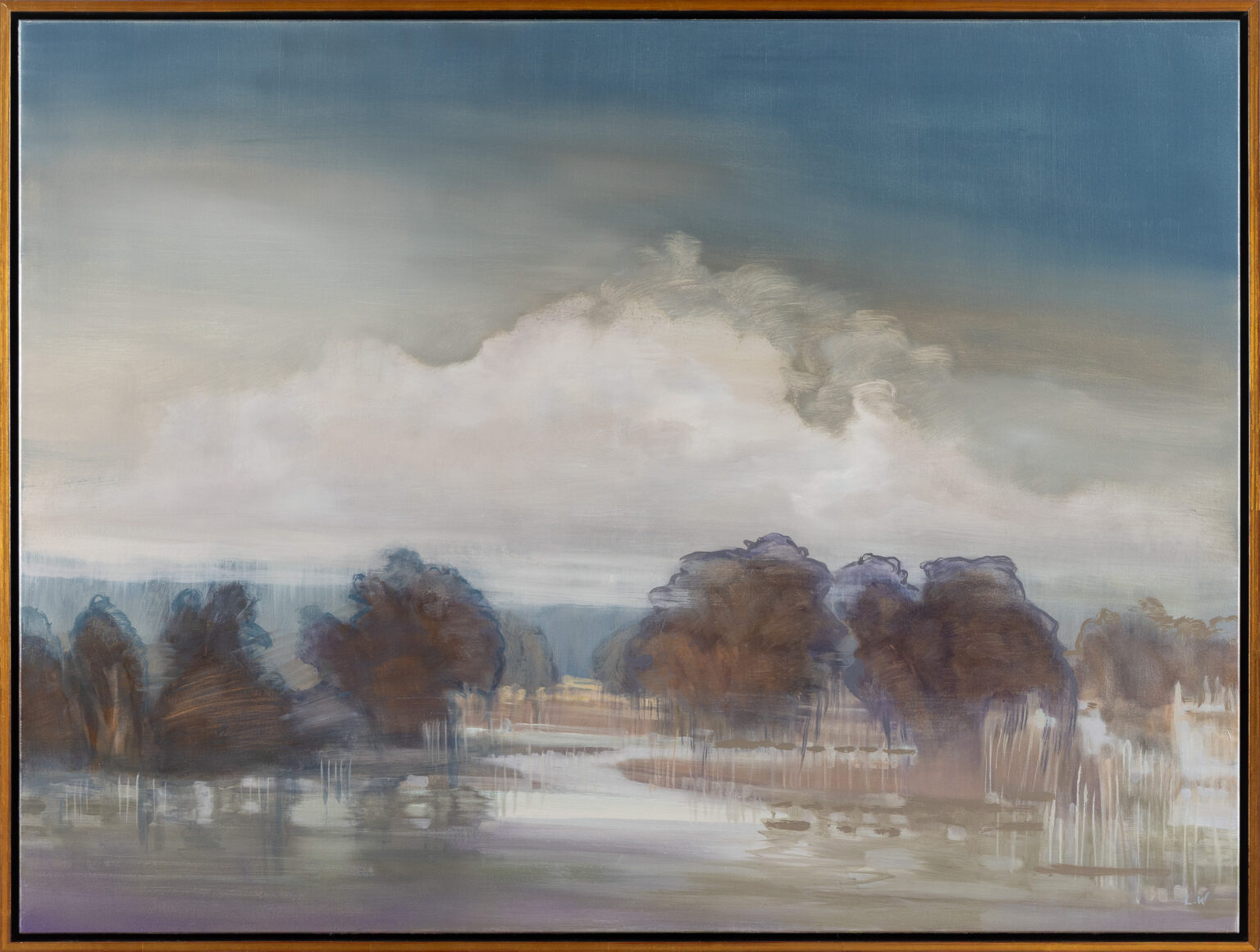
My husband and I took the boat out at dawn, searching for still water before the rising sun disturbed the air and broke the reflections. Middle Harbour, close to our local boat ramp, became the setting for the series. My husband would drive the boat, leaving me free to photograph, observe and absorb the landscape.
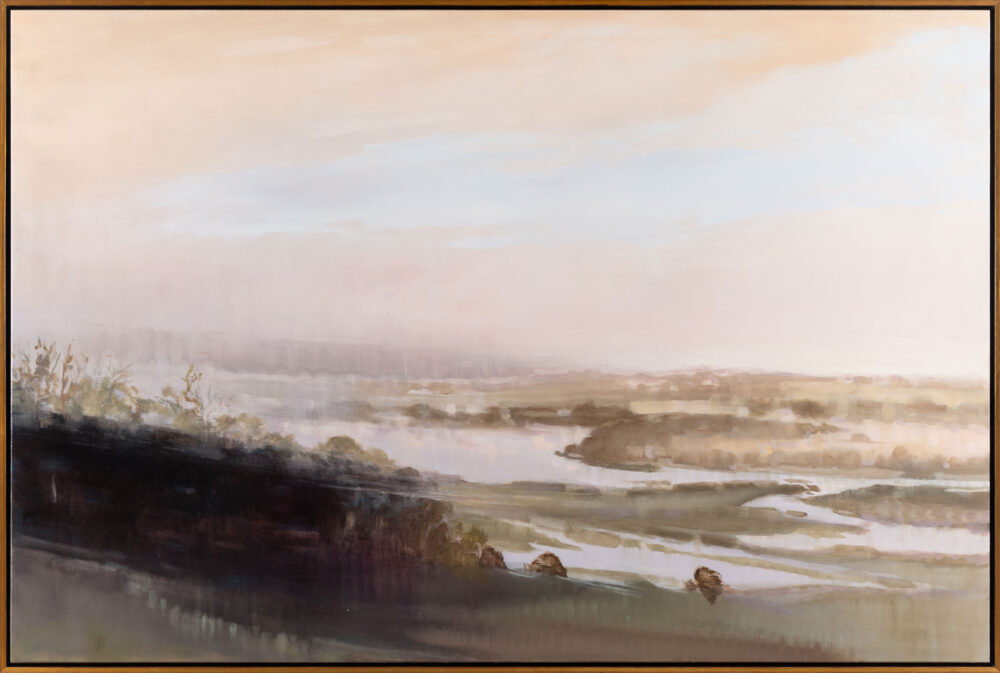
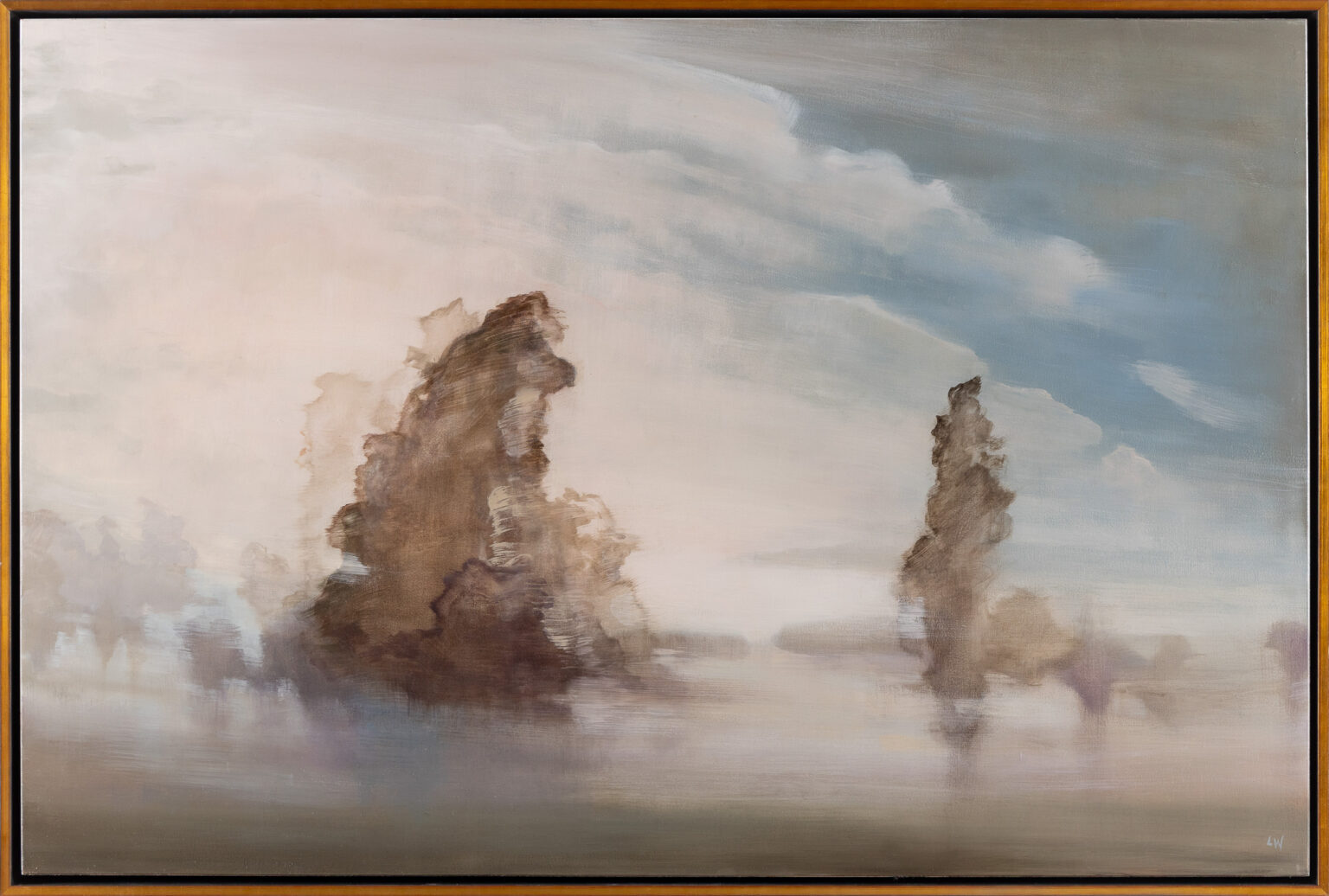
Could you tell us the story behind the largest piece in the collection, Buttery?
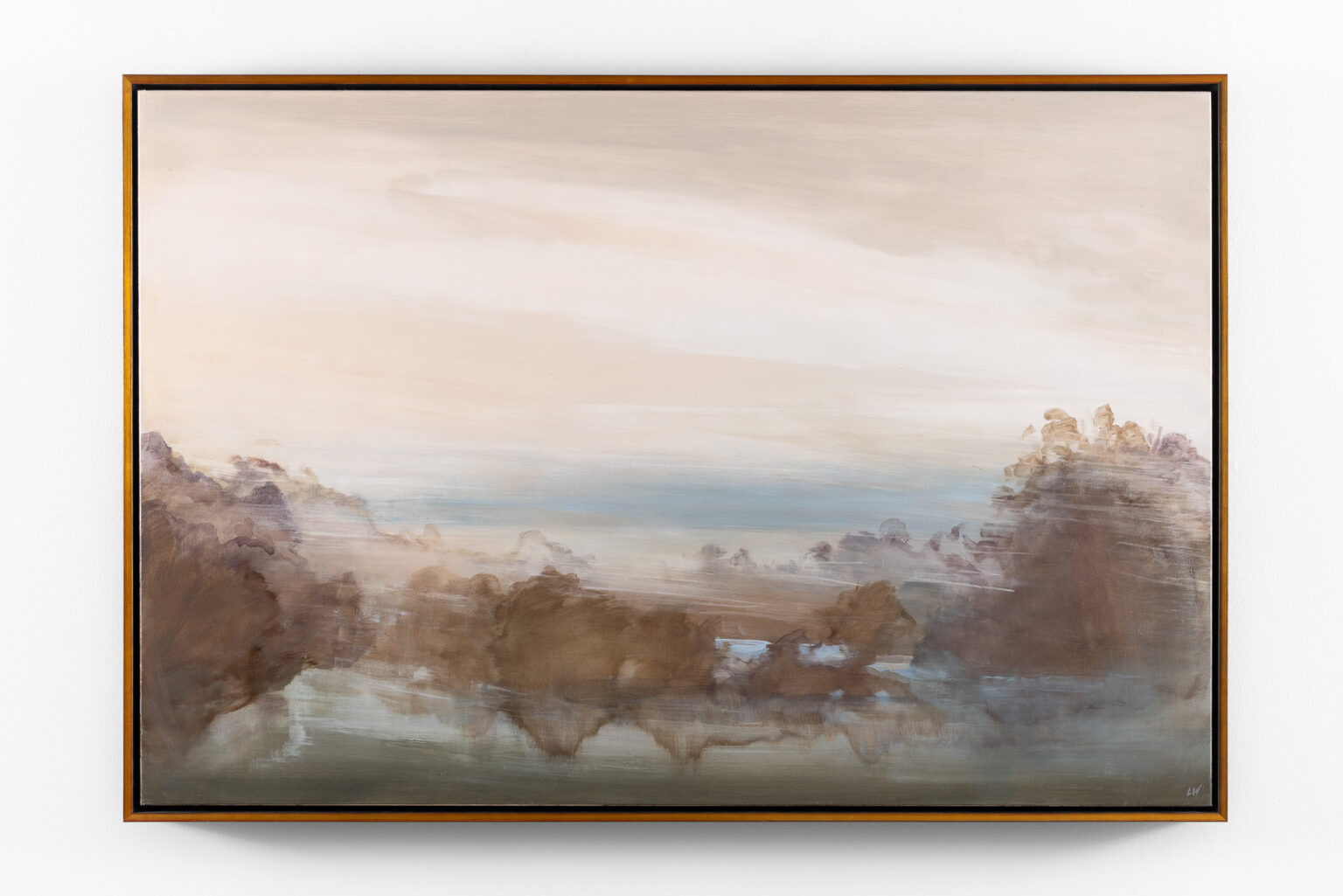
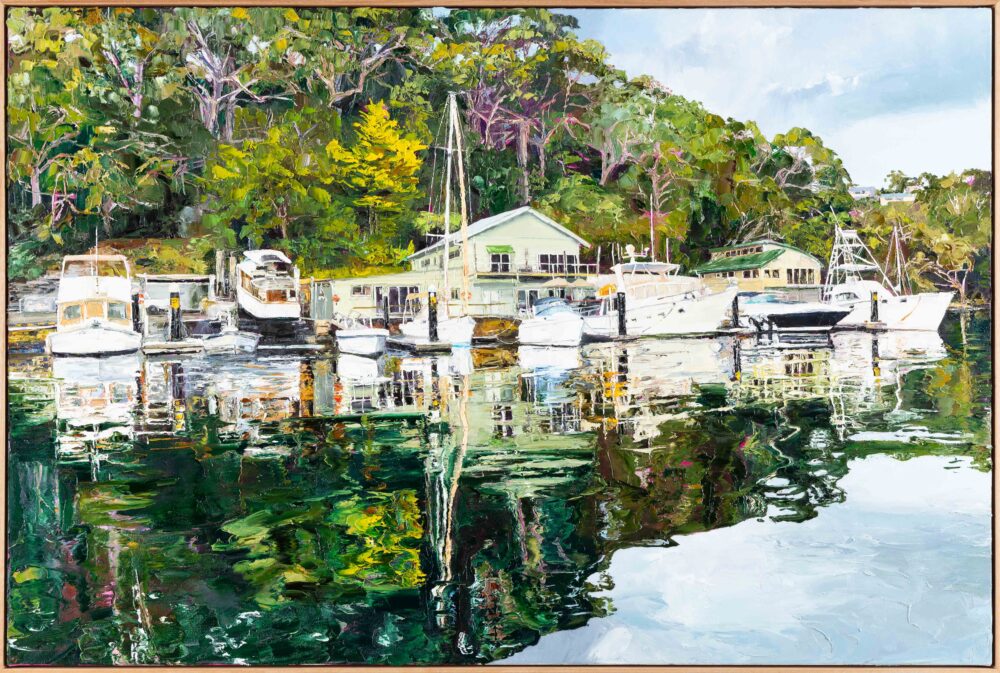
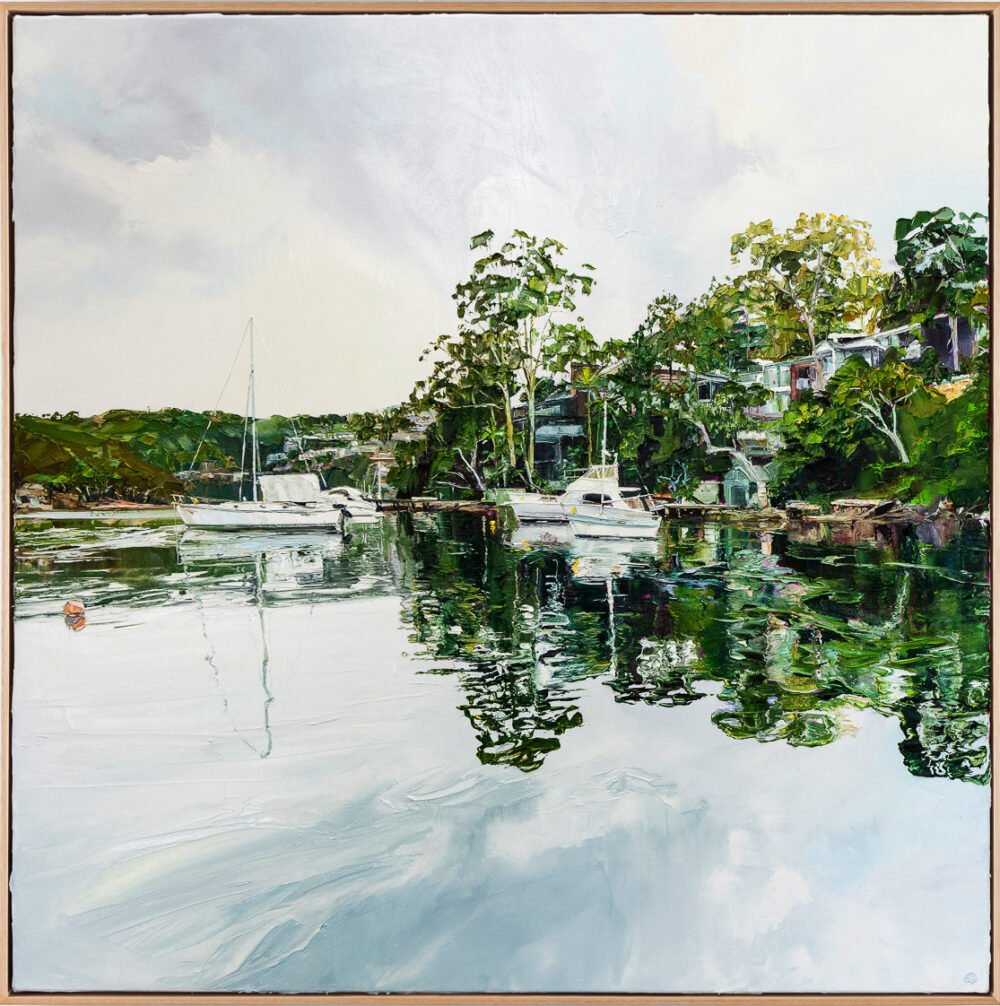
The landscape and marina depicted in Buttery is Castlecrag Marina. The title, however, has everything to do with the water rather than the place itself.
Buttery was simply how Tony, my husband, described the water that morning. The sun was just rising in the east, casting a low orange glow that warmed every pale surface and turned whites into soft creams. The water itself felt thick, smooth and almost velvety, like room-temperature butter.
As we moved through it in the boat, the water seemed unusually dense, almost as though it held more salt than usual. Its surface carried the gentlest reflected lines, impossibly soft and luminous. It was one of those rare mornings when the water possessed a physical presence of its own – and Buttery, I agreed, was the only word that seemed capable of describing it.
How does this series build on your previous work or point to a new direction?
Looking back, I think this series, Threshold, has given a name to something that had been quietly present in my work for a long time. I have always been drawn to water and the way it transforms the landscape through reflection, but through this series I came to understand that I wasn’t simply painting reflected images; I was exploring the relationship between two equally convincing realities.
The series has shifted my thinking. Rather than asking how I can paint a landscape, I now find myself asking how perception shapes the way we understand it. Increasingly, I realise my paintings are less about landscape itself than about the moment certainty begins to dissolve, where what we believe we are seeing becomes something more fluid, and reflection is no longer a copy of reality but another reality altogether. I don’t see this as a departure from my previous work so much as a refinement of it.
Threshold has helped me understand what I have been searching for all along, and I think it will continue to shape the direction of my work for some time to come.
Can you describe the importance of this title for the show?
The title didn’t arrive until I was well into the paintings. As I worked, I became aware that reflections were not simply a passive mirror but a place with its own reality. Water reflects the world above, yet it also carries its own currents that fracture and reshape that reflection. At other times, when the surface ceases to reflect, it reveals the dark depths beneath. I found myself asking where these two realities meet, where the landscape ends and its reflection begins – does that place have a name? Does it occupy a physical space?
I became fascinated by this invisible boundary. I searched for language to describe it, finding only partial parallels in Eastern philosophical traditions. In the end, I settled on the word Threshold – the weightless line where one reality crosses into another.
That became the title of the series: Threshold – the weightless line where reality meets its reflection.