Soliloquy
- Conor Knight
- 18 Jun—5 Jul 2026
- Download now
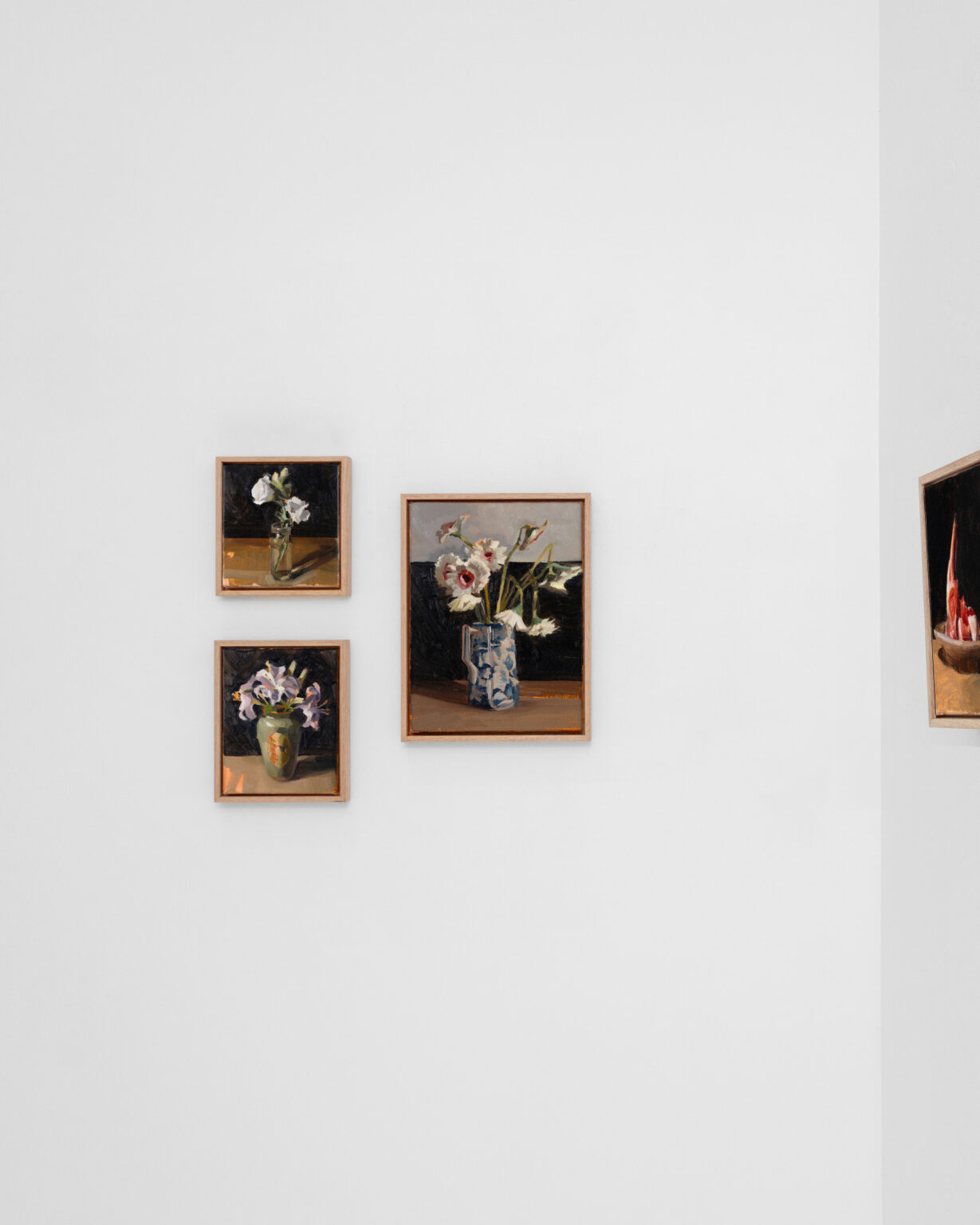
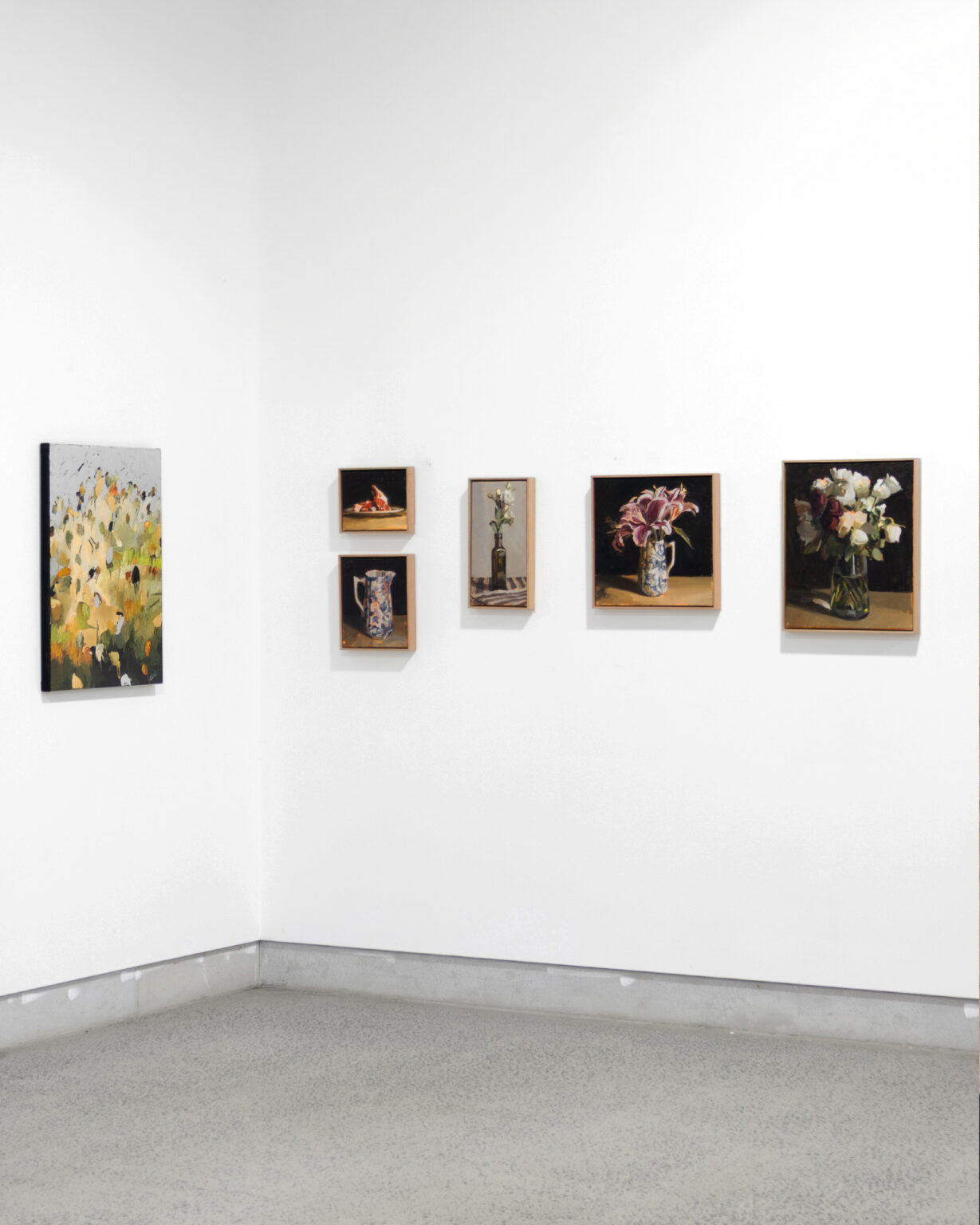
With Soliloquy, Brisbane-based oil painter Conor Knight makes his return to Michael Reid after nearly two years, presenting a suite of works across our Murrurundi and Southern Highlands spaces throughout June and July.
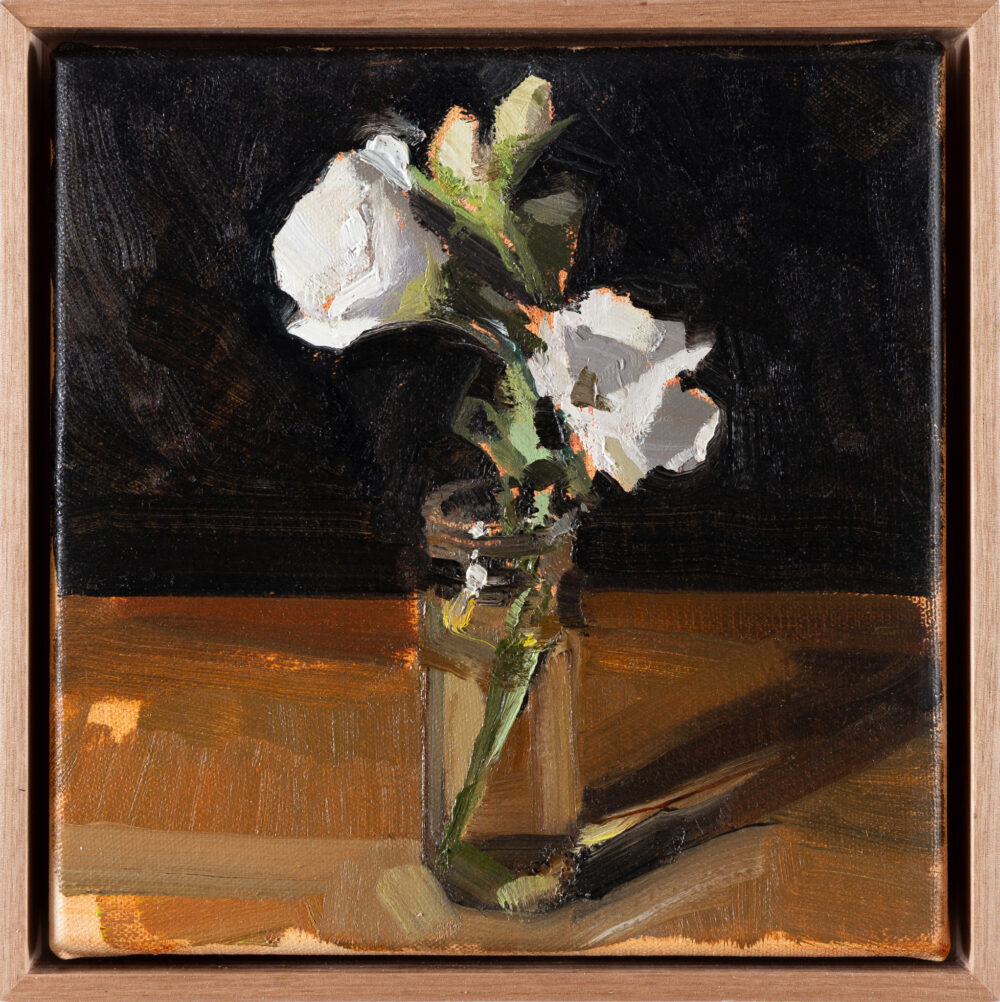
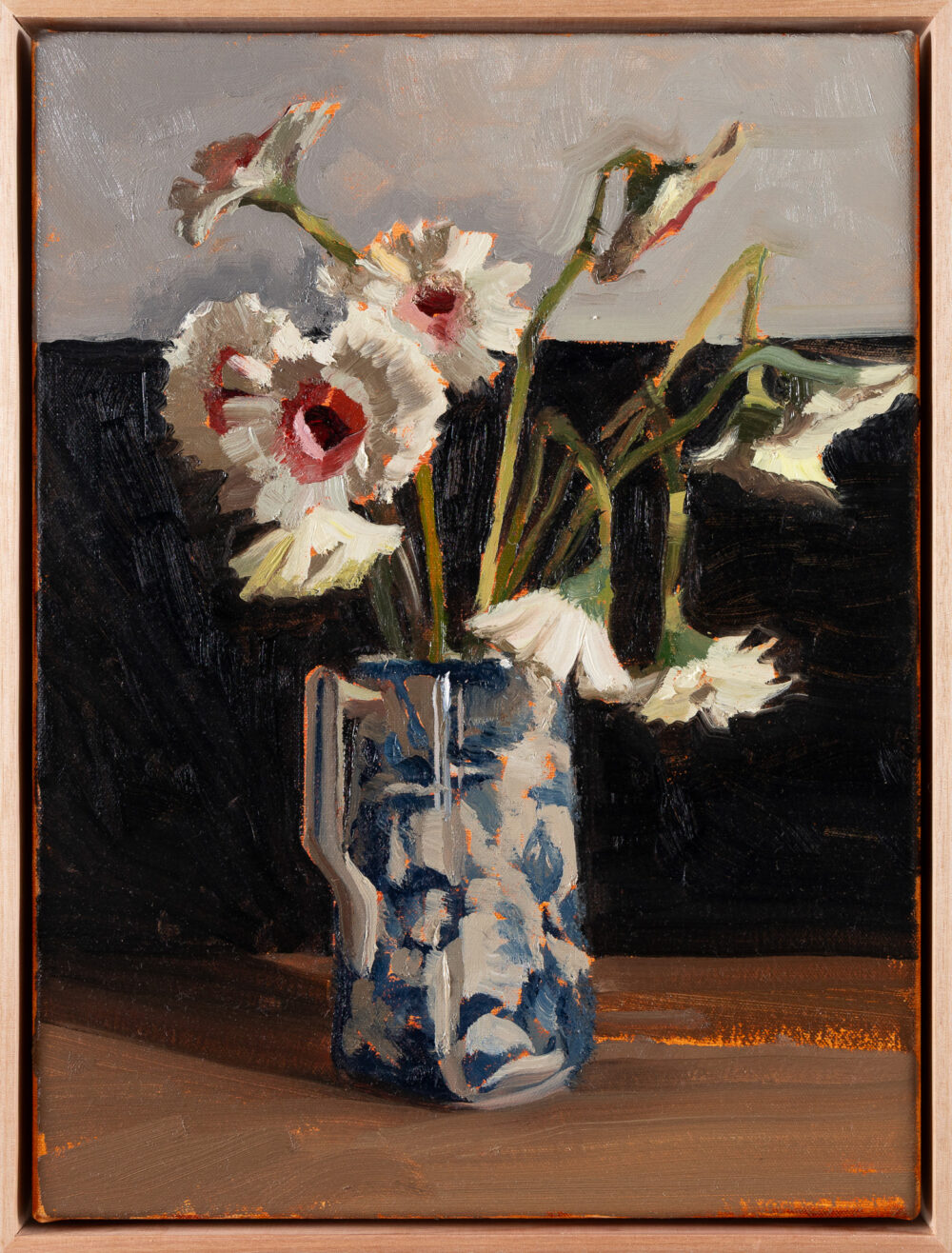
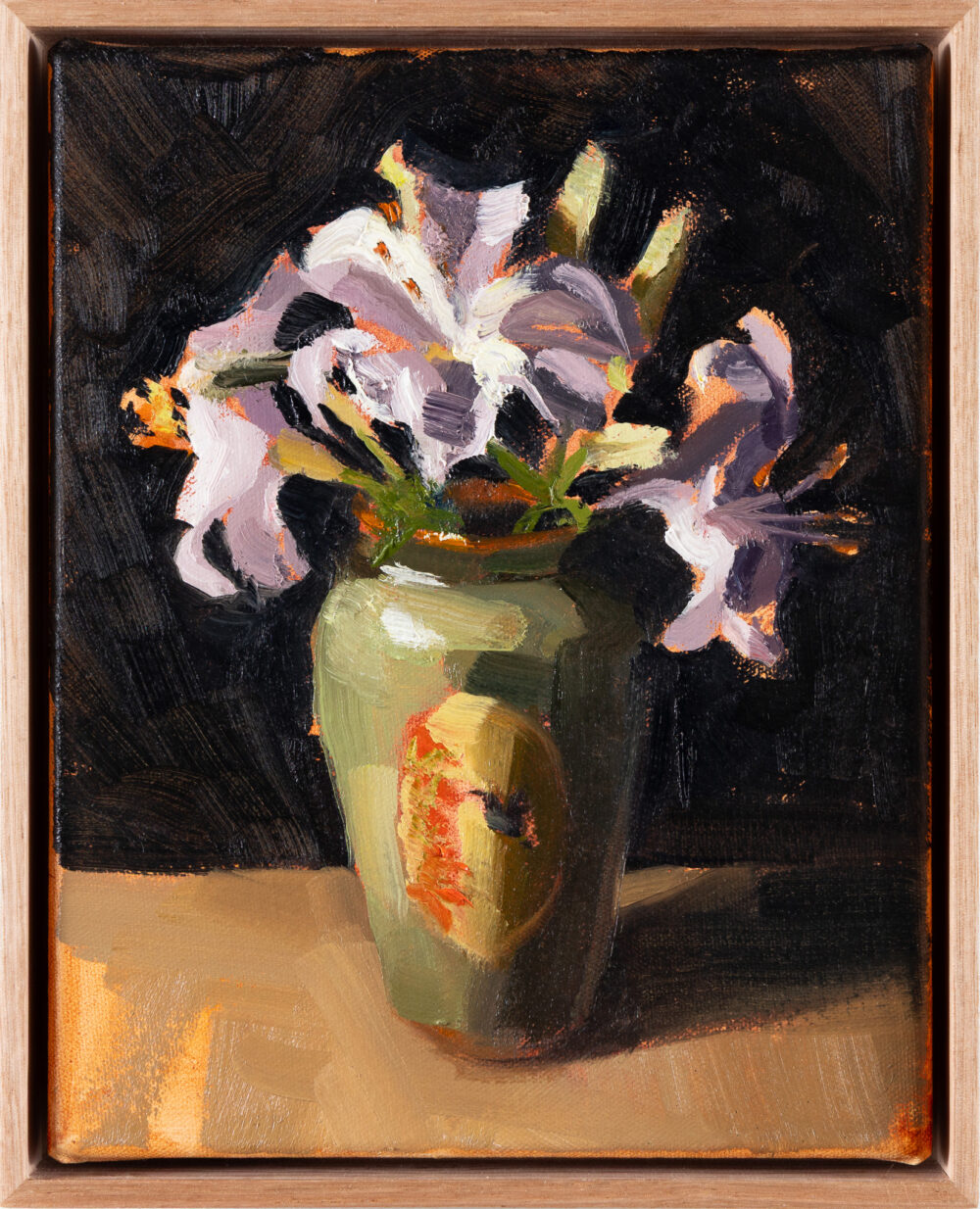
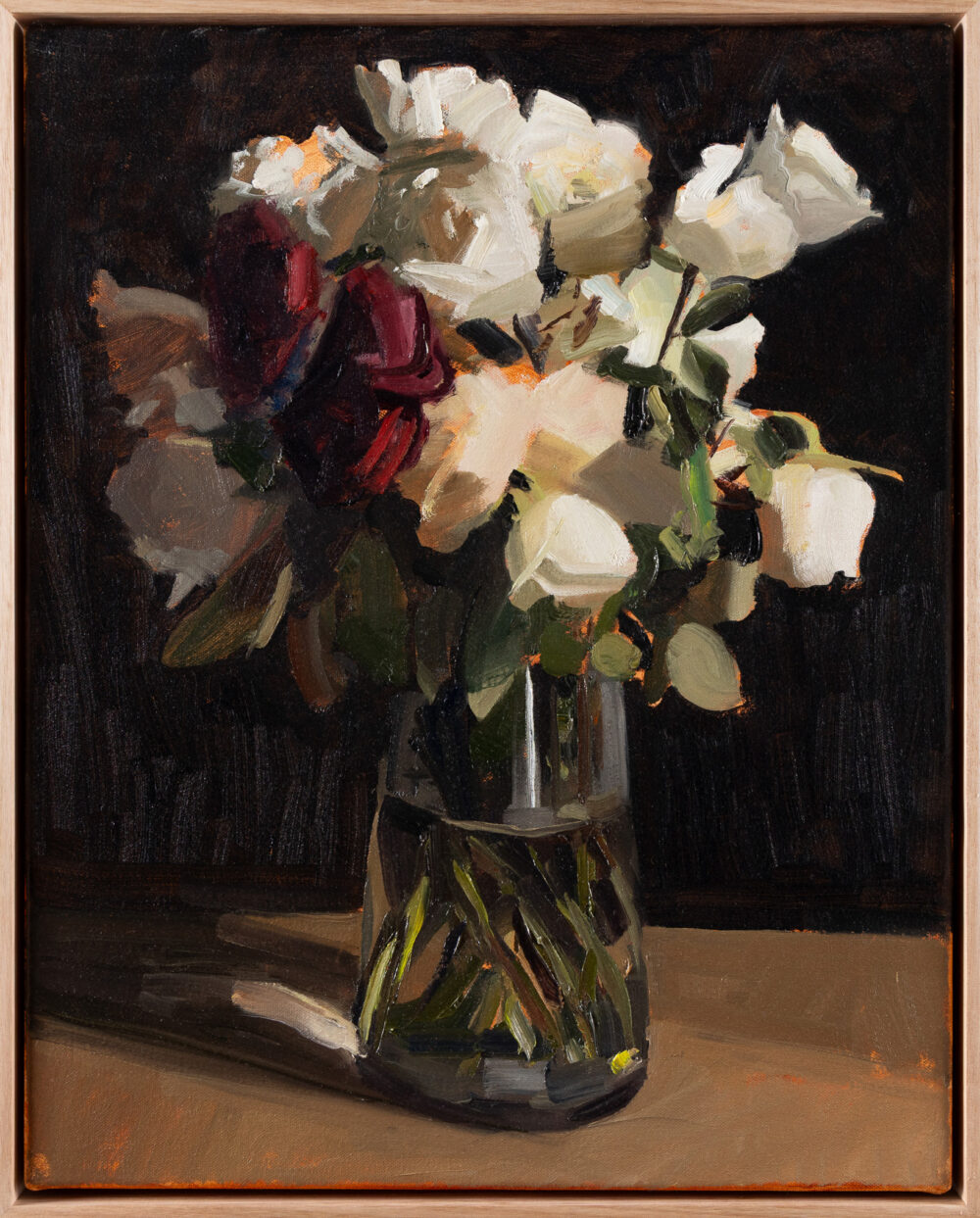
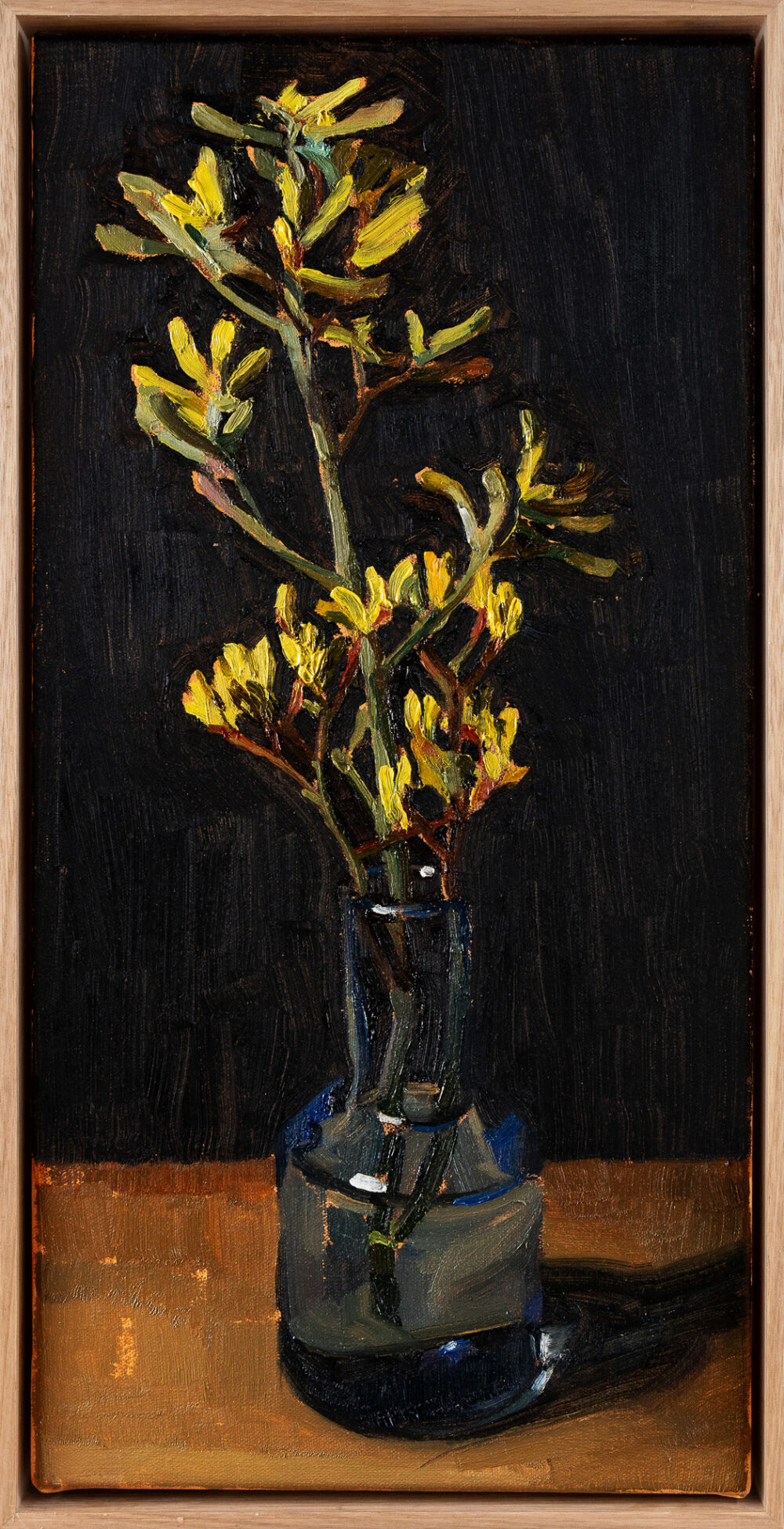
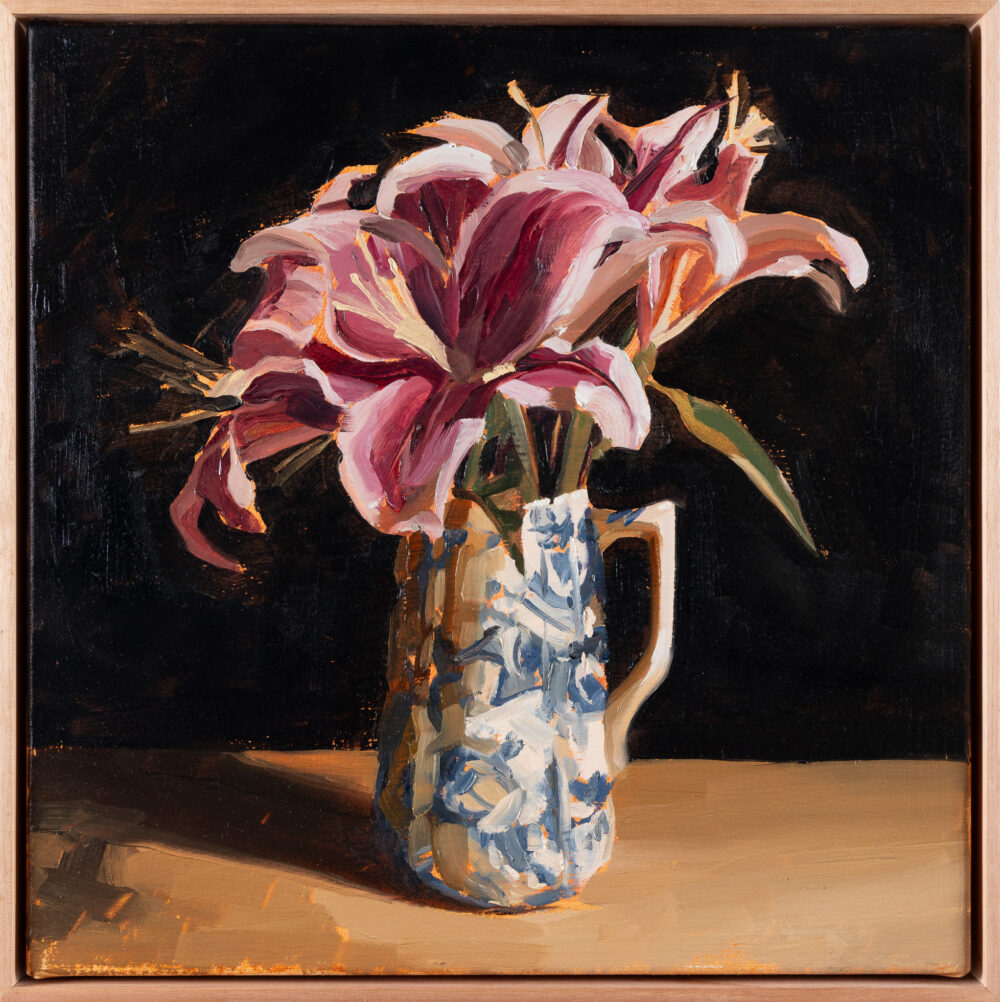
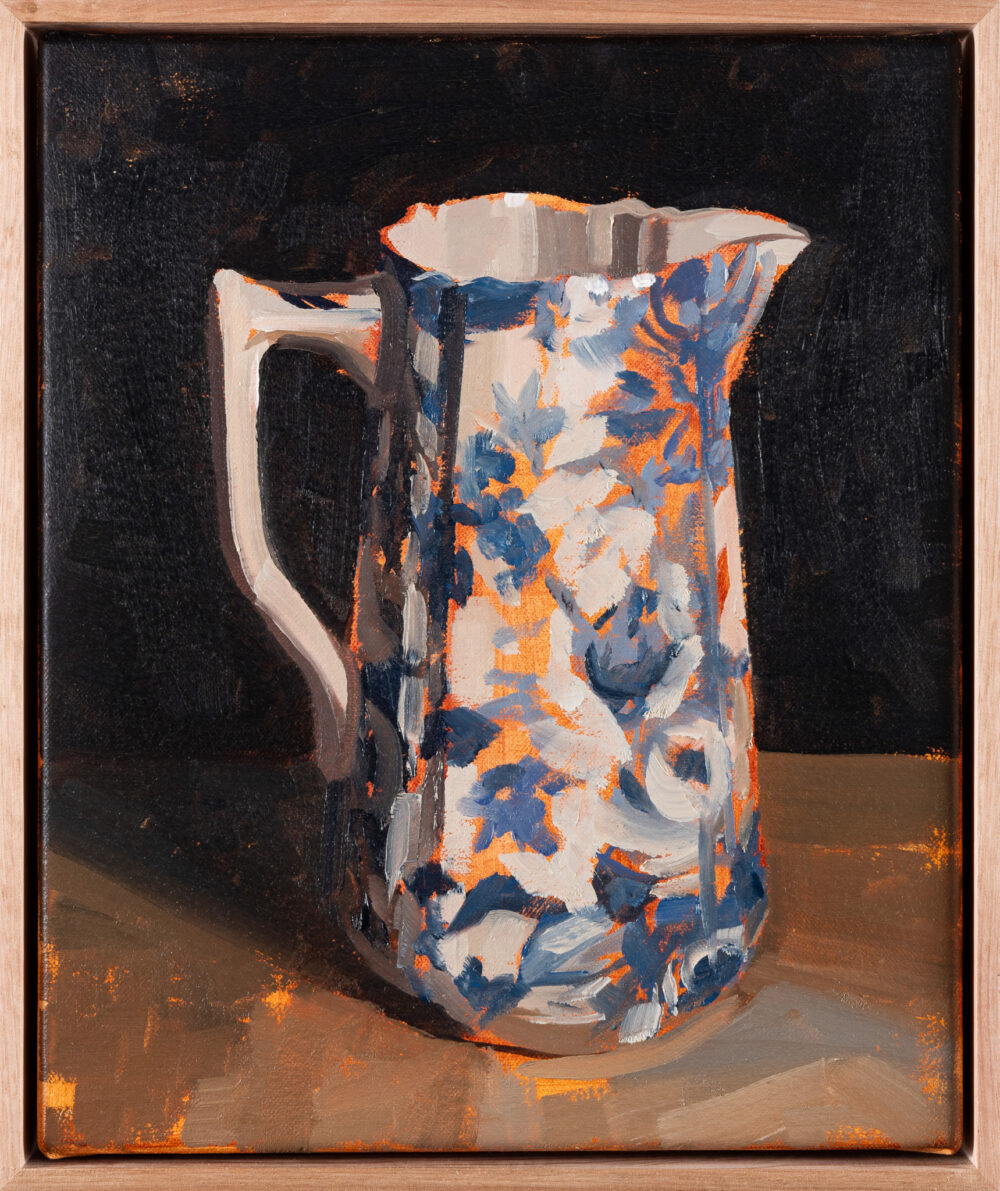
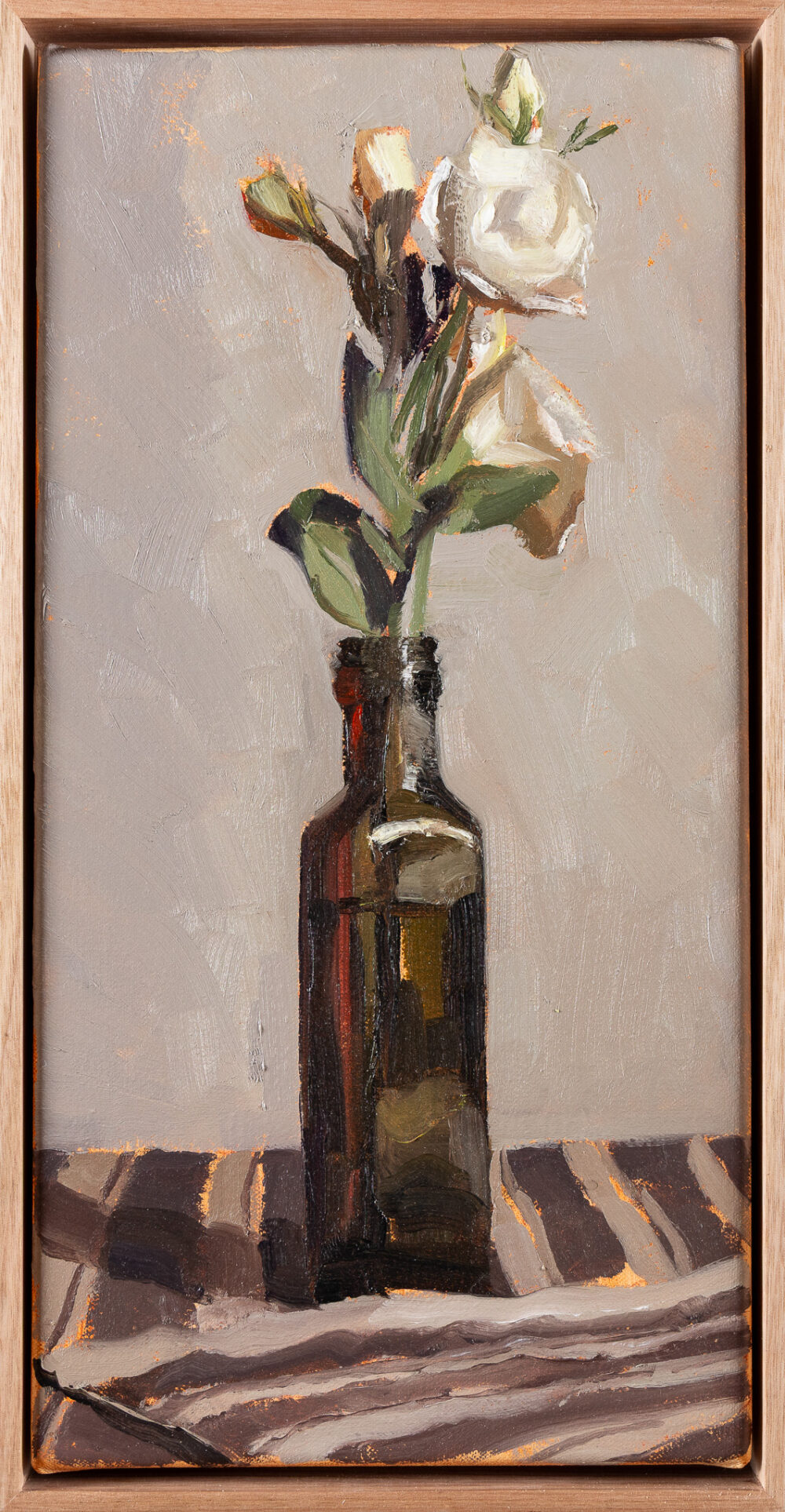
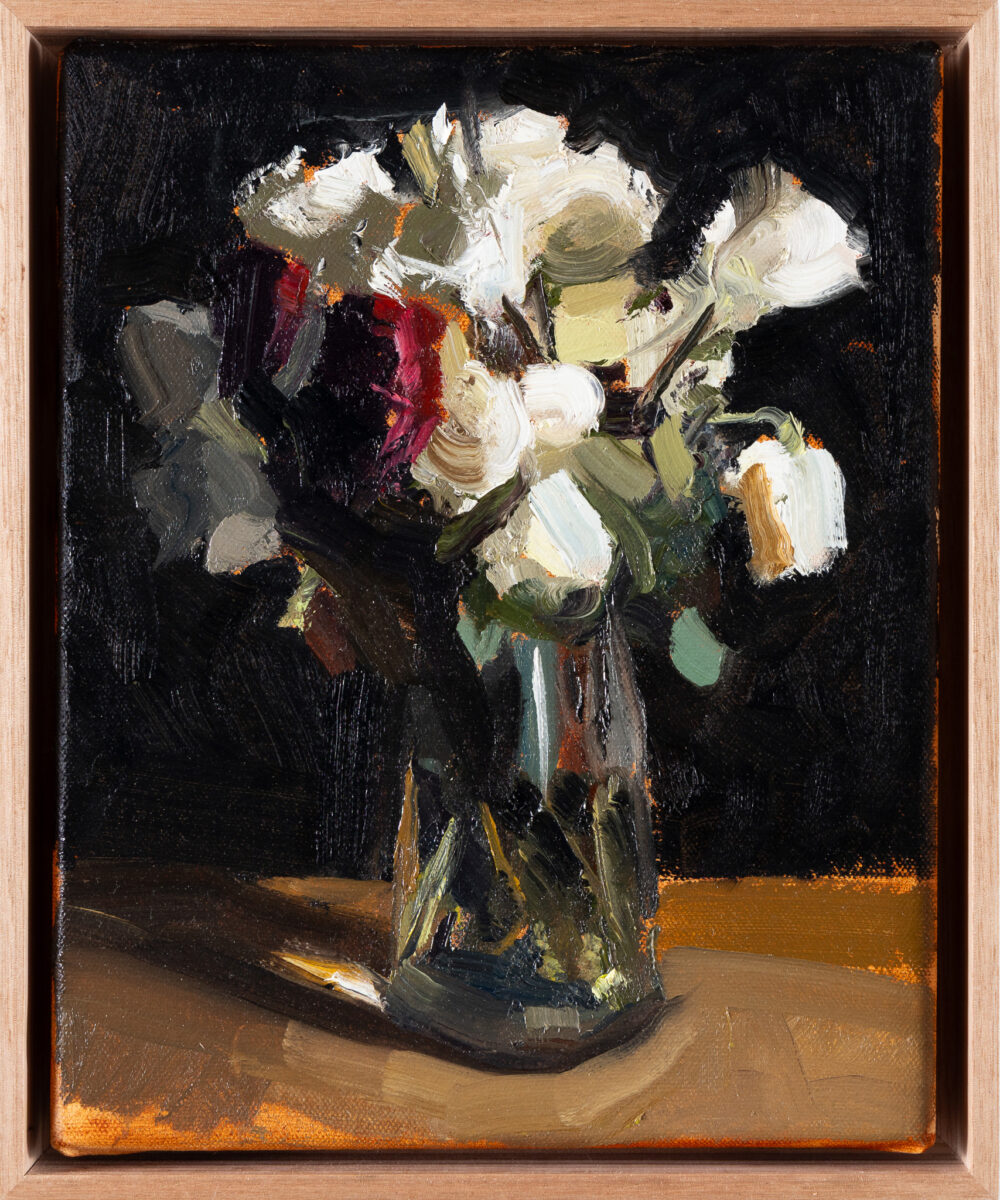
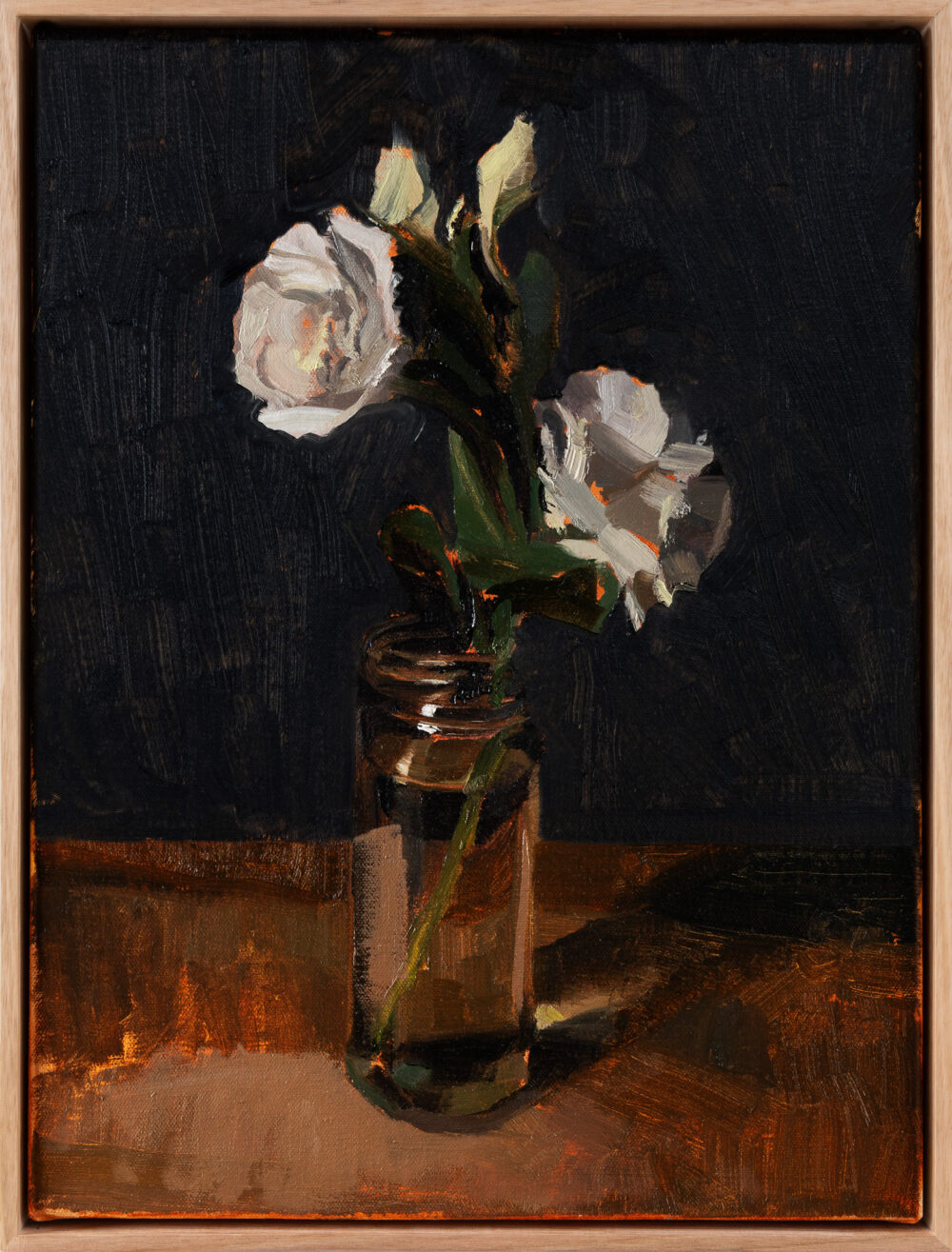
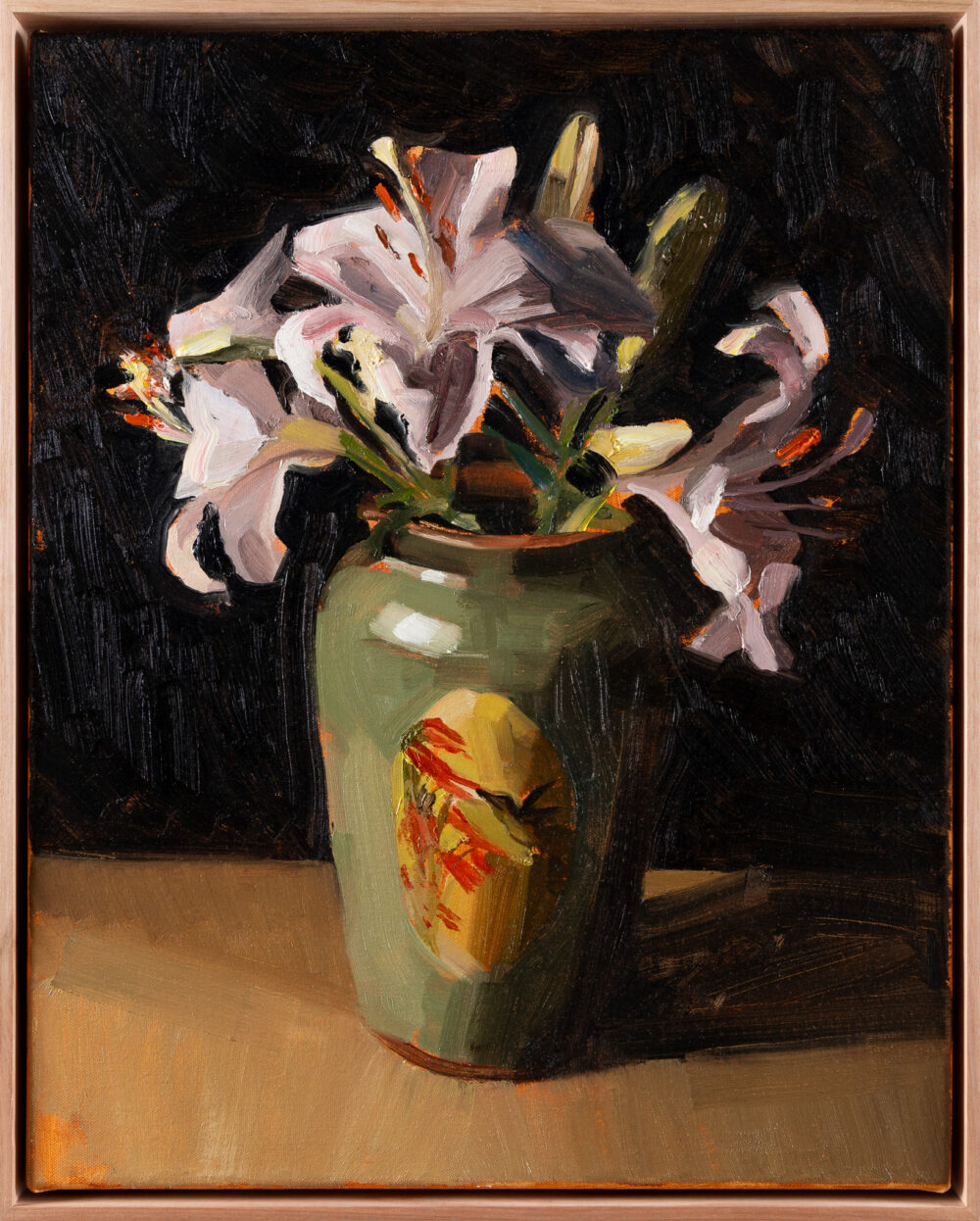
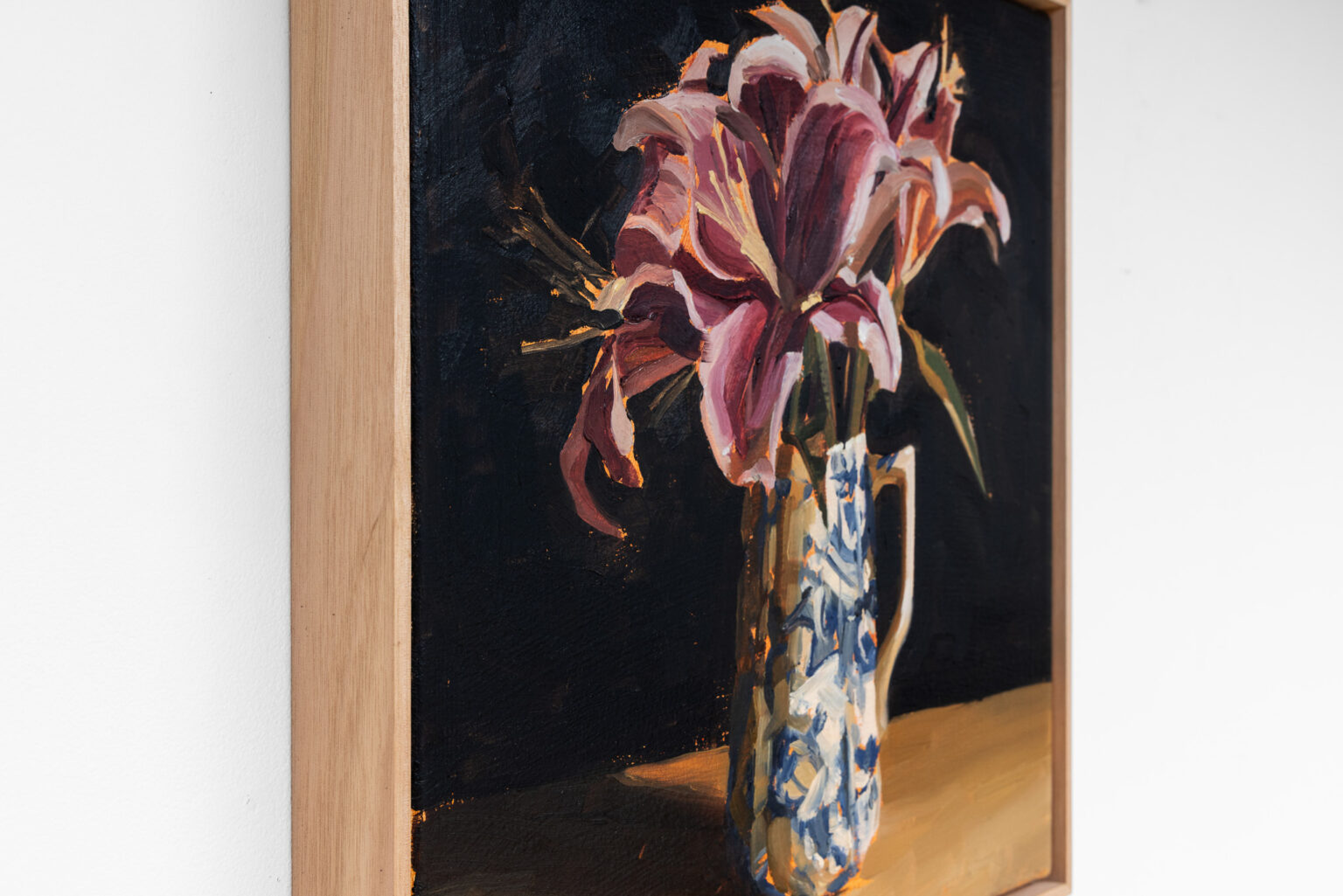
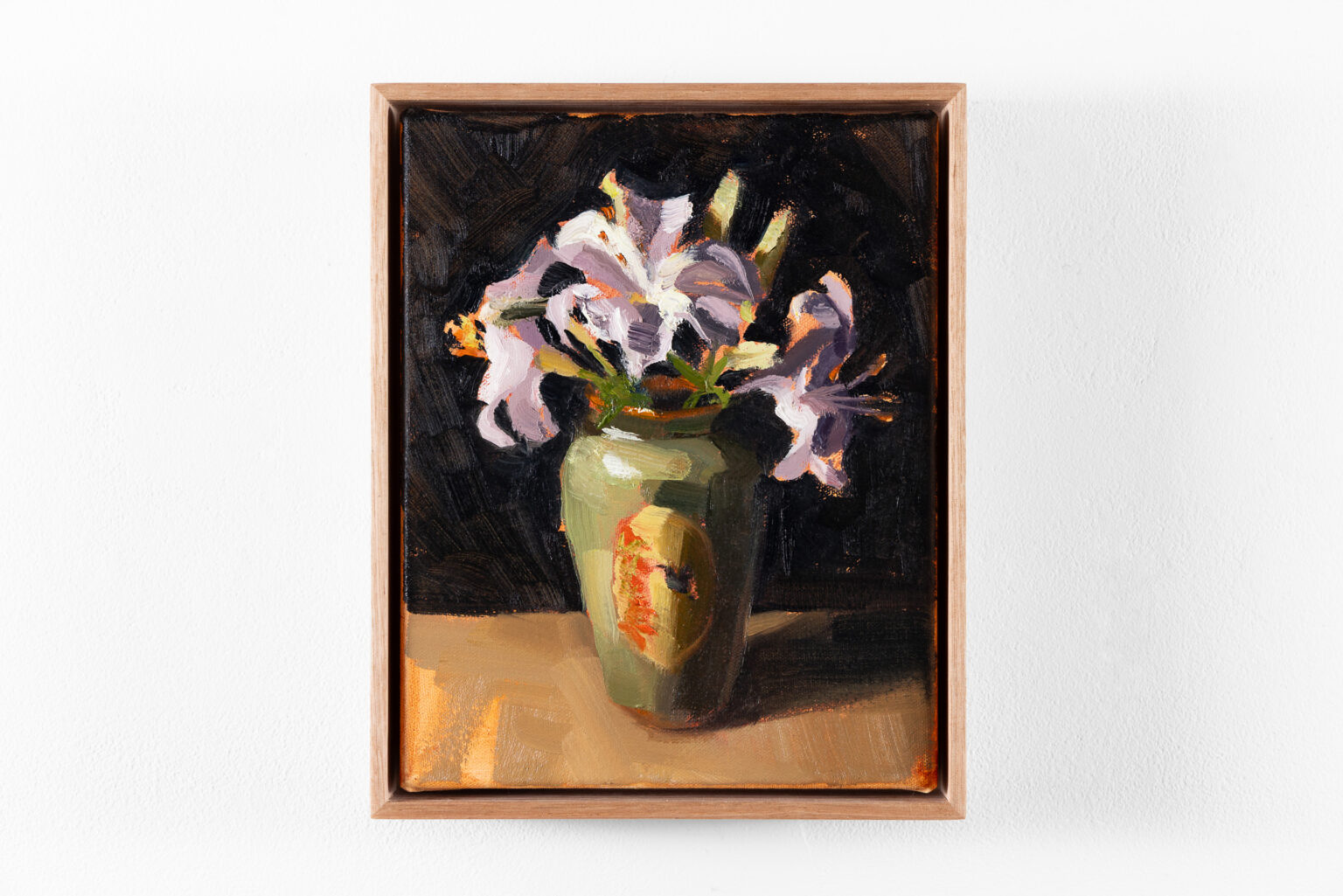
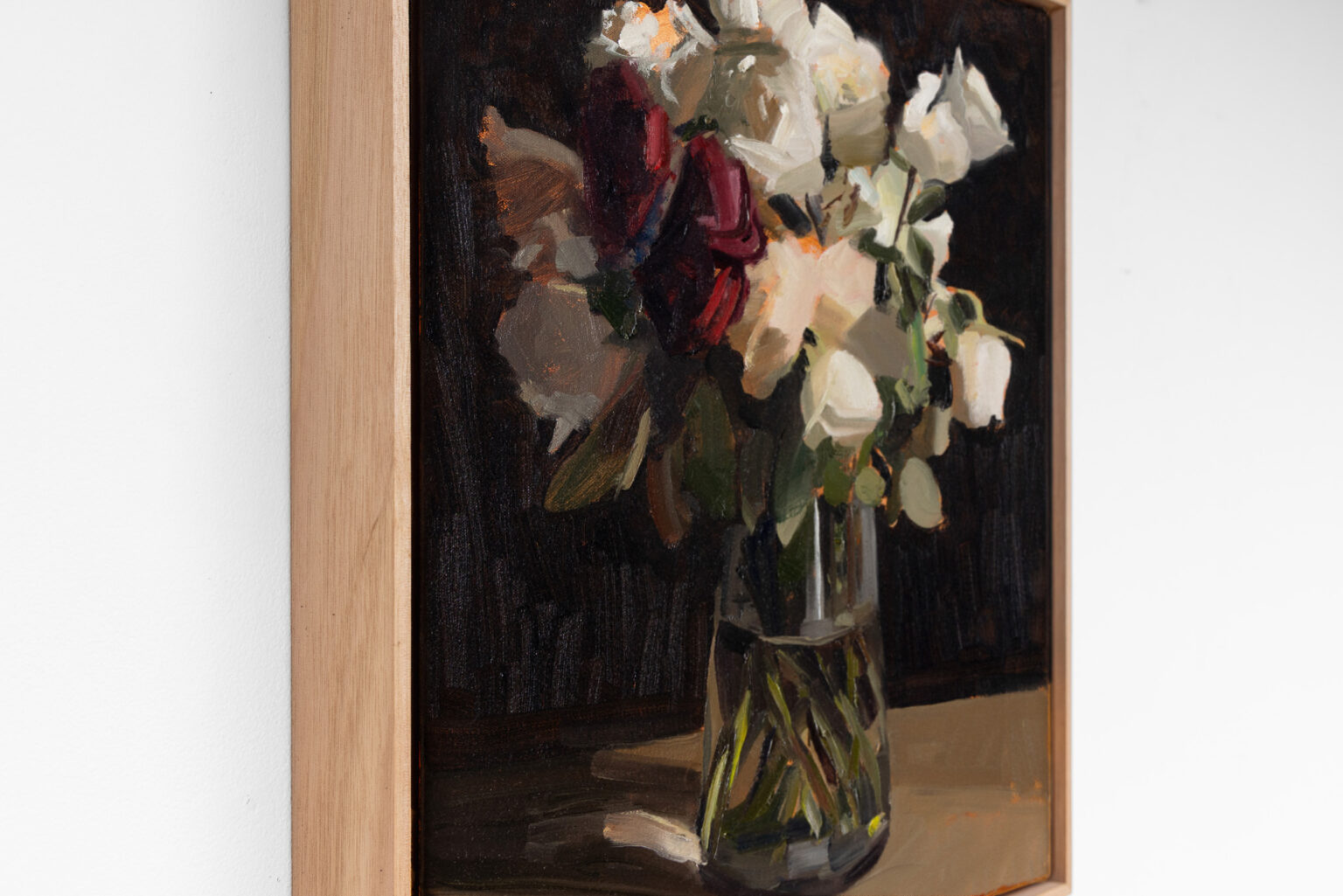
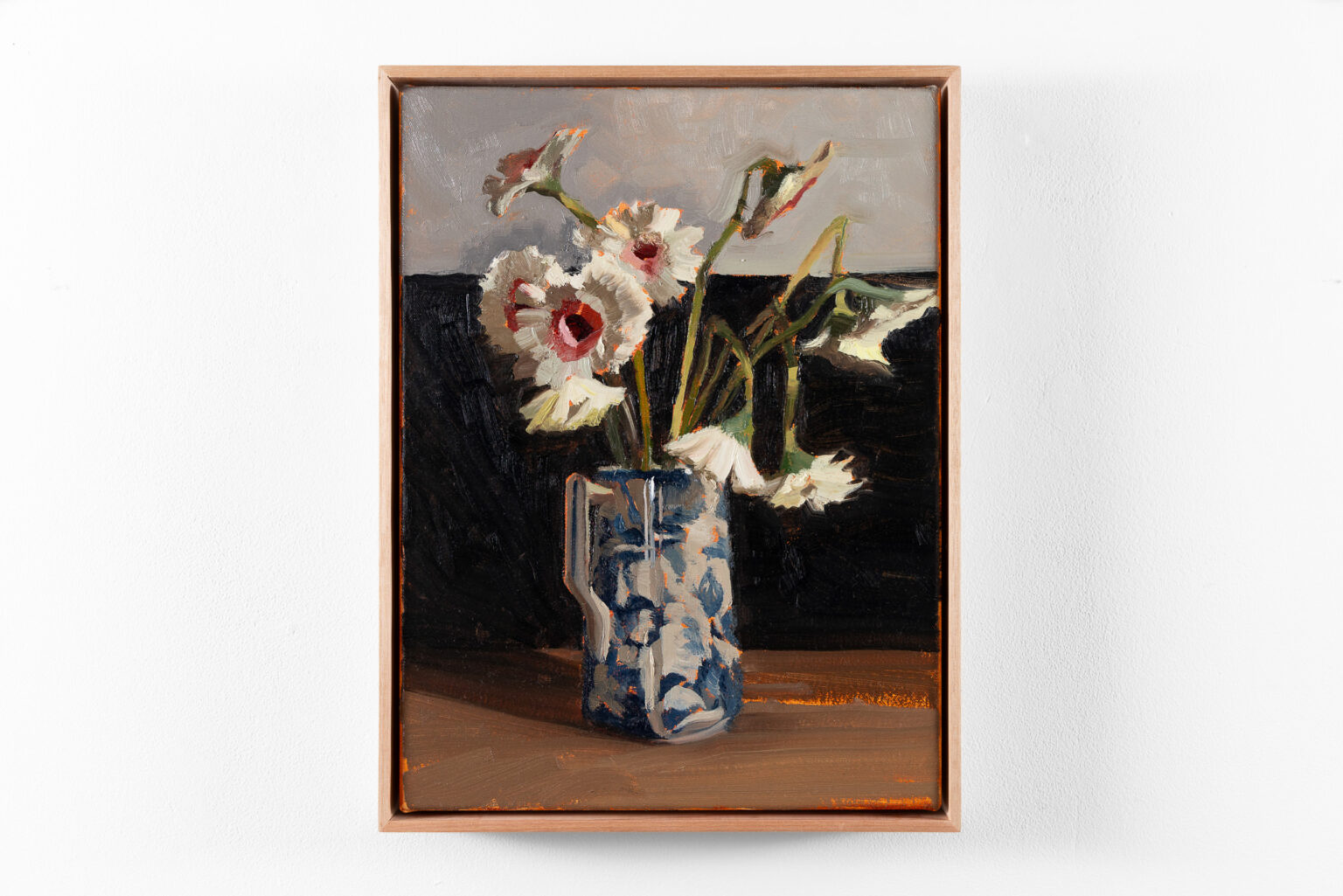
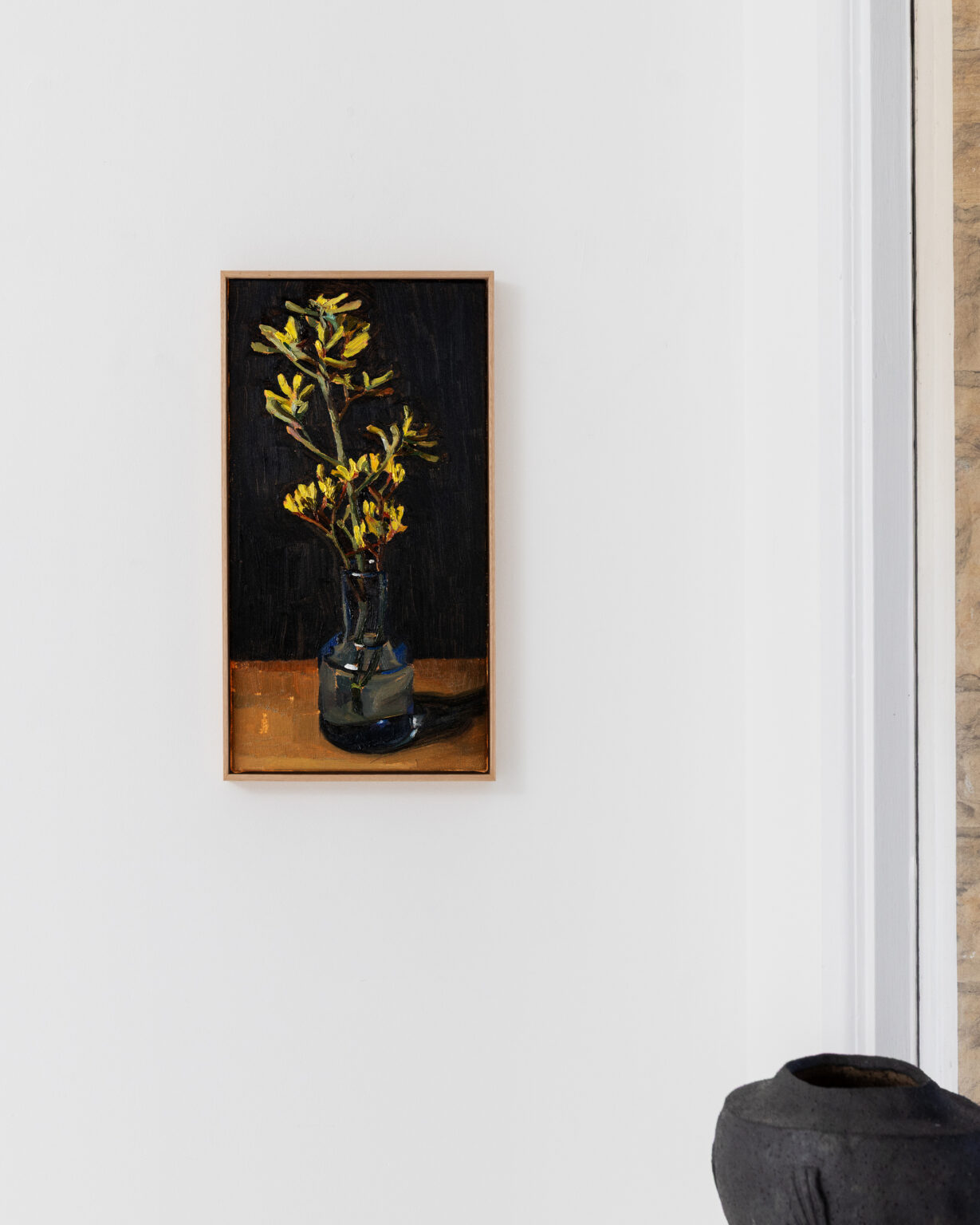
Knight depicts his floral subjects as boldly illuminated and set against spare grounds, such that the force of our attention rests on the elegance with which these still-life forms are depicted: the curve of a leaf, or the delicacy of a petal.
In this lighting, his subjects are endowed with an almost actorly grace, as though stage-lit and moments away from delivering a great monologue. “In theatre, a soliloquy is a window into the inner thoughts of a character,” says Knight. “These still life paintings use that concept to create works that touch on themes of intimacy, theatricality and solitude. Borrowing their titles from famous monologues and soliloquies, the collection explores feelings that sit between softness and unease.”
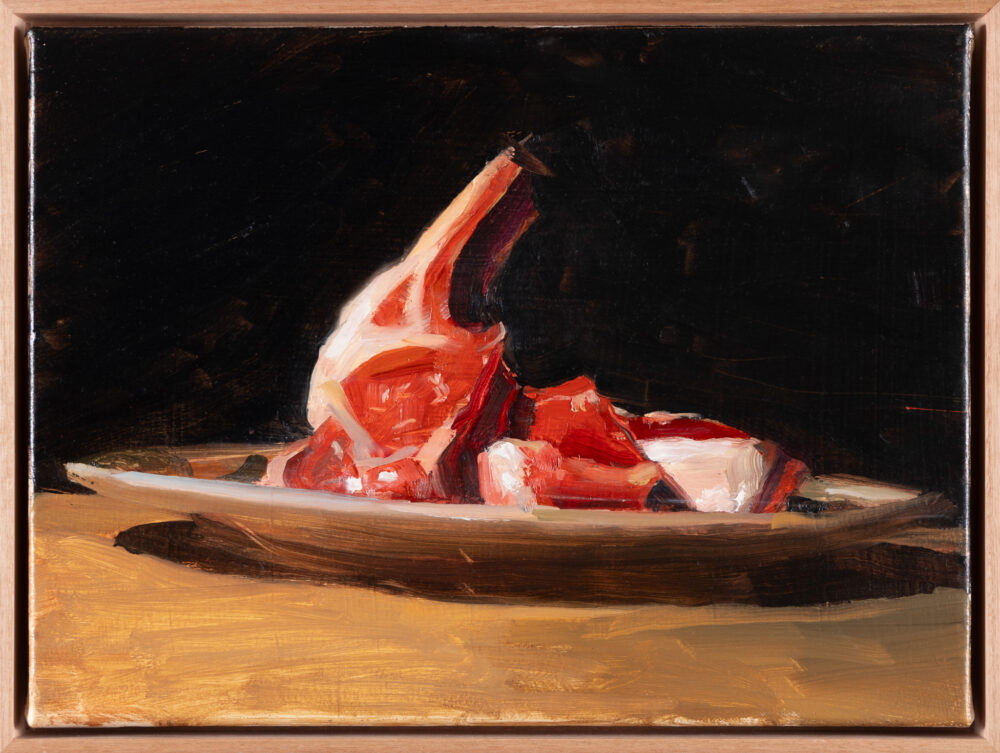
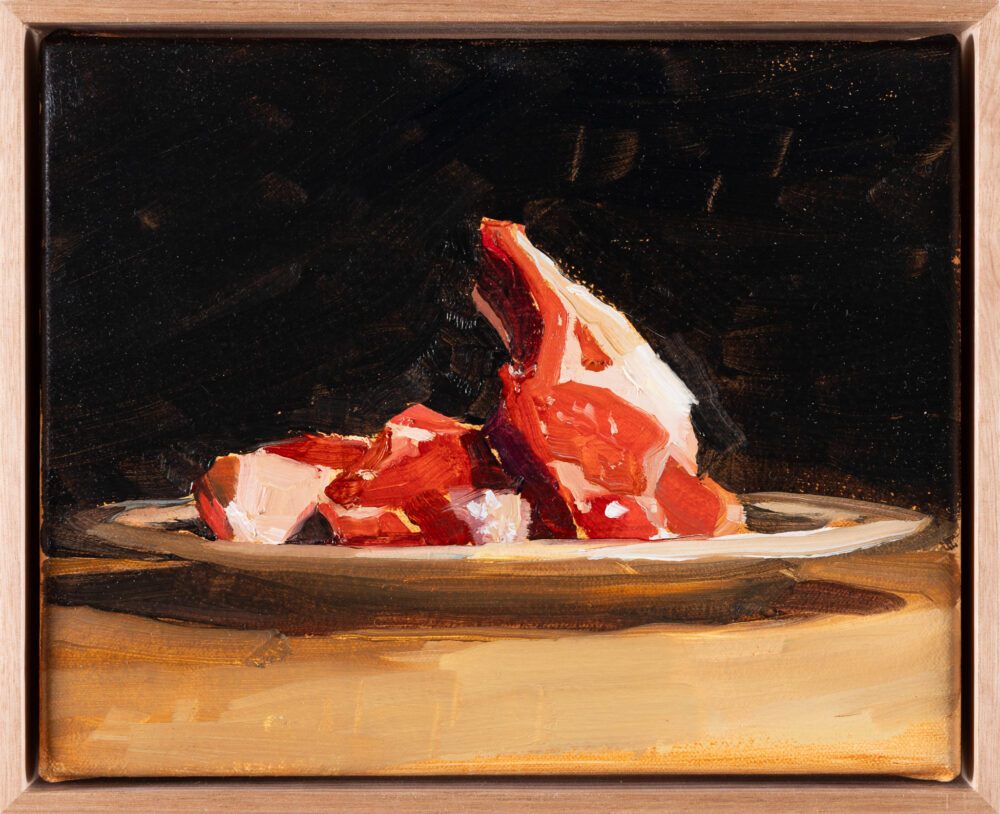
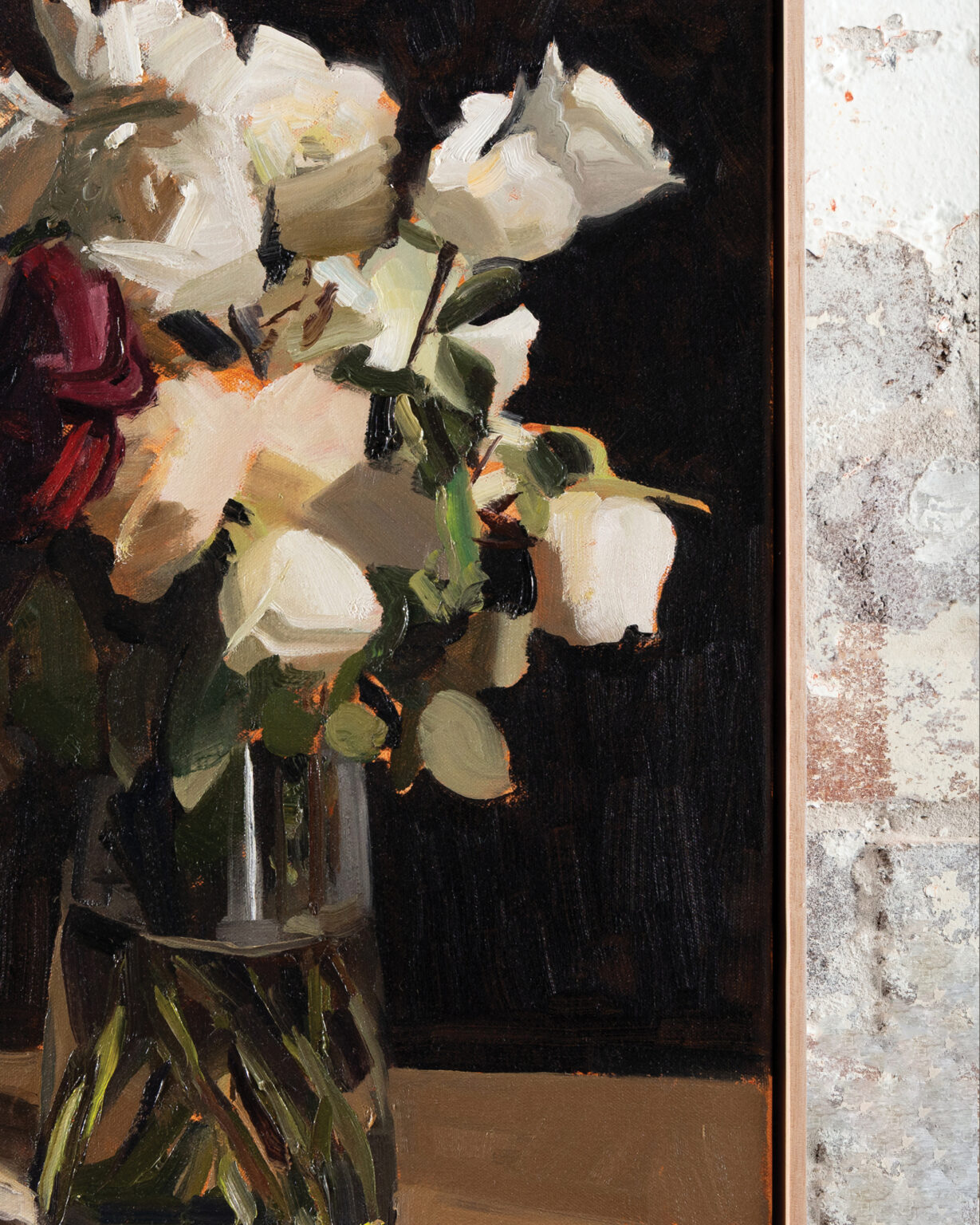
Always, there is attention to the gradations of tone changing across his forms as they turn towards and away from their light sources. The control of his brush, allowing it to deposit just enough paint to successfully record a form and then nothing more, gives each work a buoyancy and lightness.
On this level, he recalls one contemporary Australian master, Robert Malherbe. Further back, one can see that the artist is an eager student of history, with a deep respect for the traditions of Dutch and Flemish vanitas painting, albeit in a more gestural register and one less constrained by the pursuit of exact fidelity.
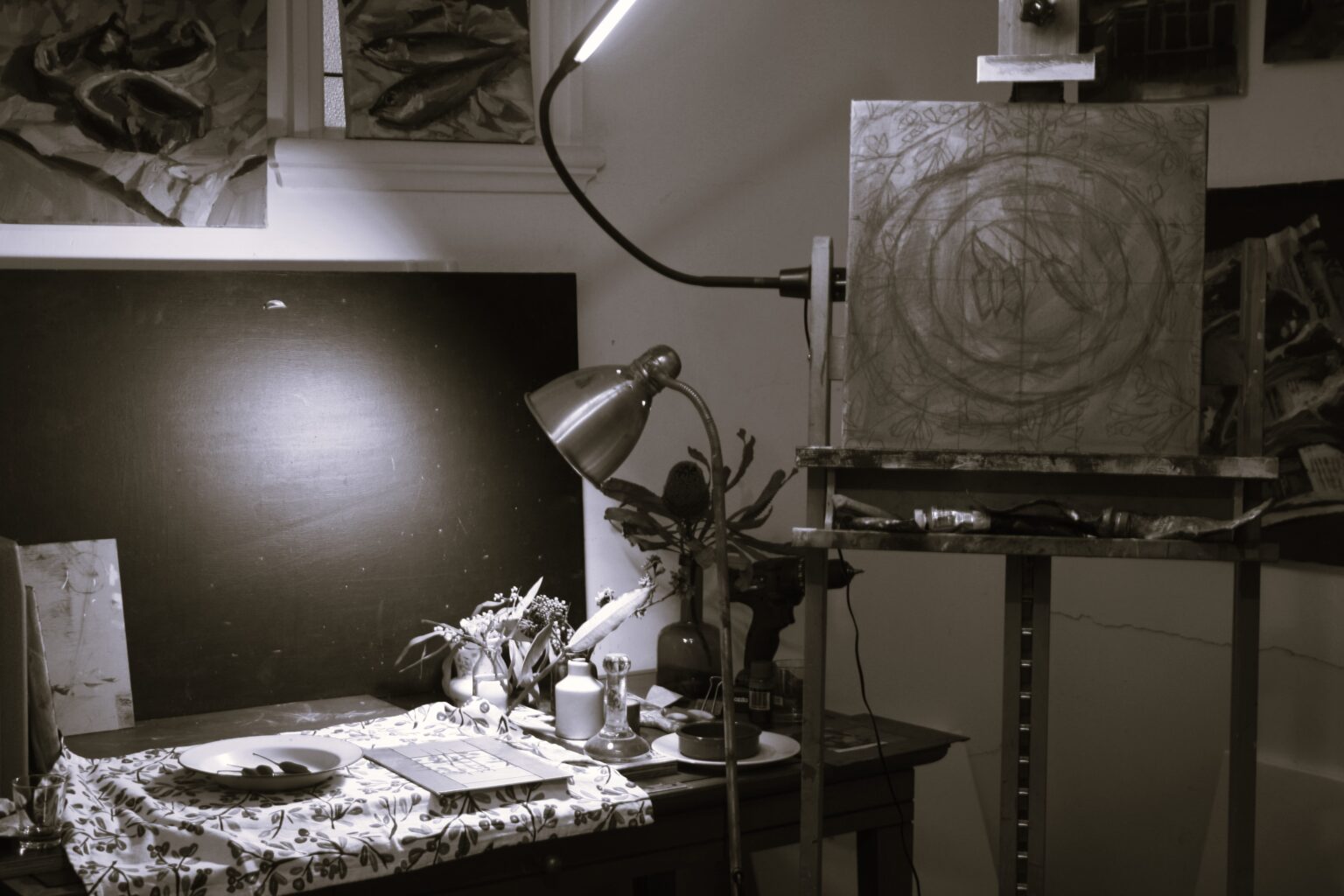
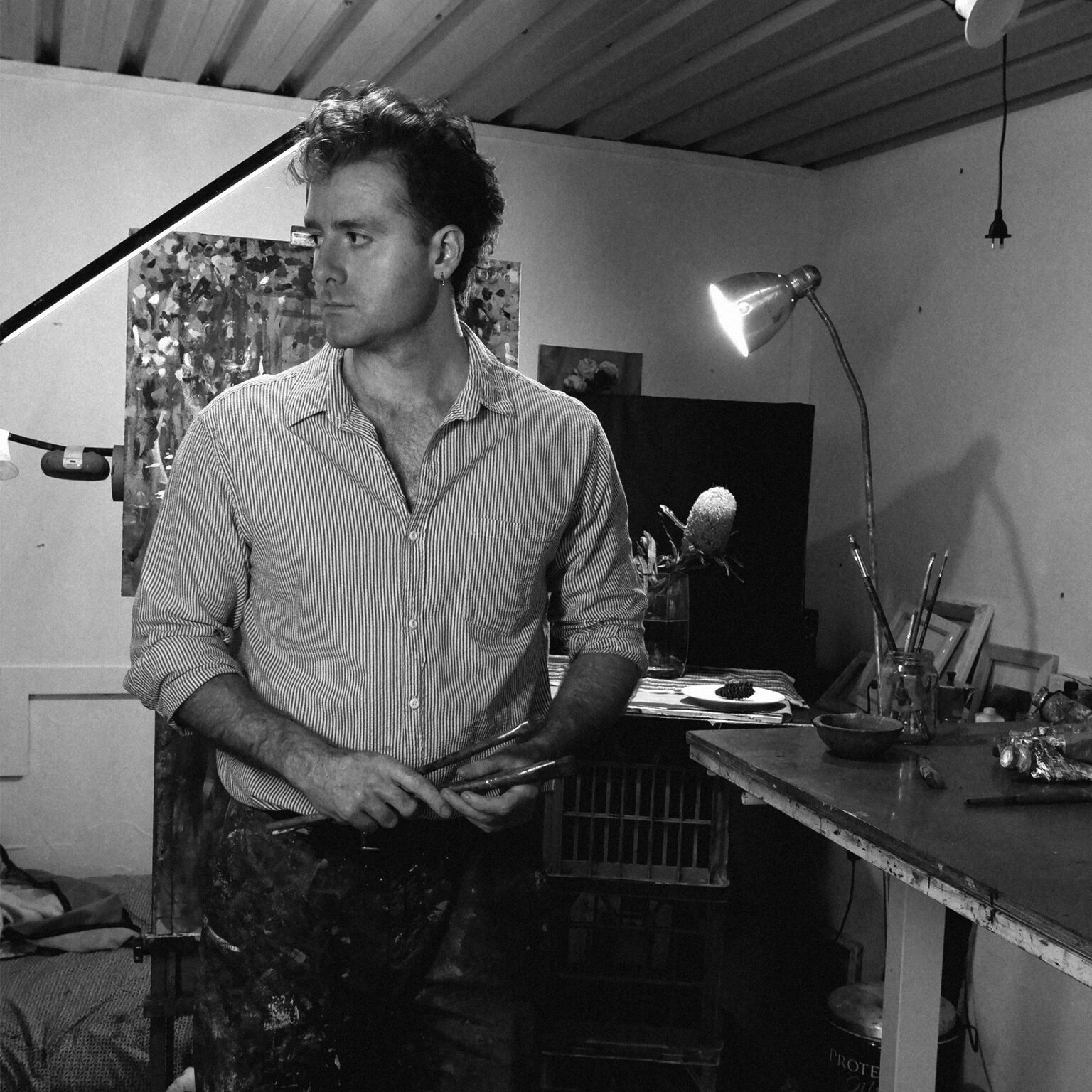
Also coursing through his work is a care for his medium which begins at its earliest stages, mulling his paints himself so that he has the most precise control possible over their viscosity and performance on the canvas. “I’ve really come to appreciate the unique quality of oil as the binding agent in paint,” Knight says. “Oil is able to hold light within. When light hits the surface of an oil painting, some of that light passes through the paint and reflects within the oil.”
In a stylistic flourish, Knight allows elements of the grisaille underpainting to poke through: a nod to the process itself, whereby a stable orange ground becomes the starting point and base colour upon which all others are applied. It is also very much an active element within the final composition, giving the work an almost weathered quality – as though uncovered after centuries.
If his botanical forms can be considered stars of the stage, characters of such devotion singing their arias, then concluding on the cuts of meat must be an undeniable and wry gesture: after the beauty, the meat of the scene, or its substance. Of course, by including the subject, Conor tells us that there is some underappreciated beauty in this subject too.