Nicci Bedson
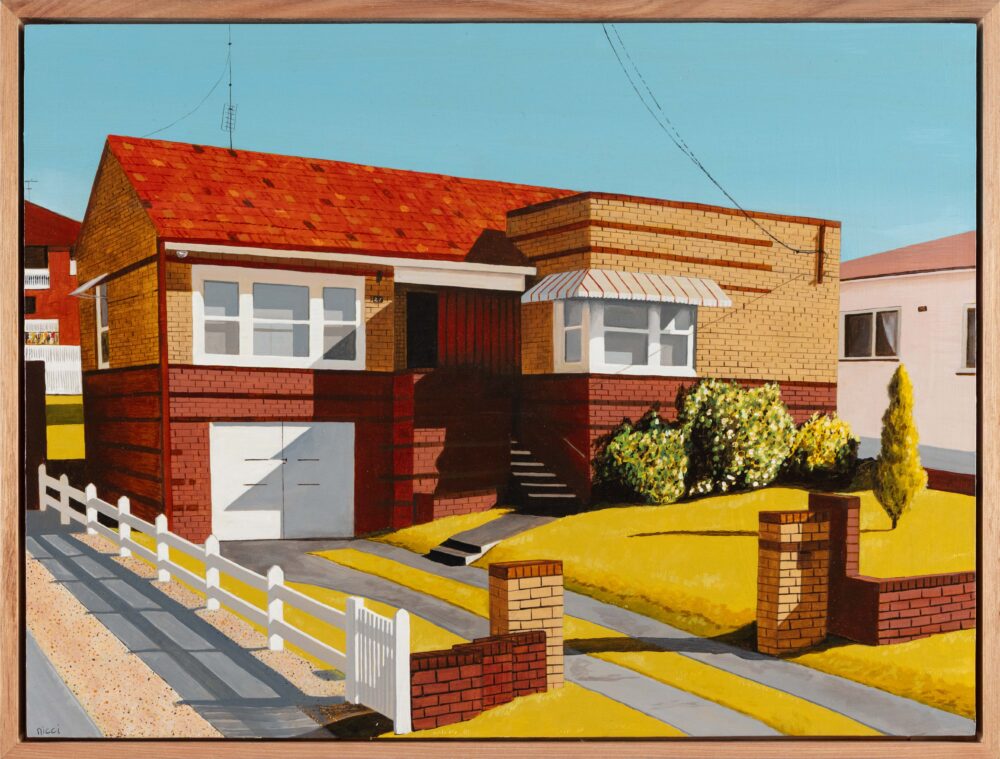
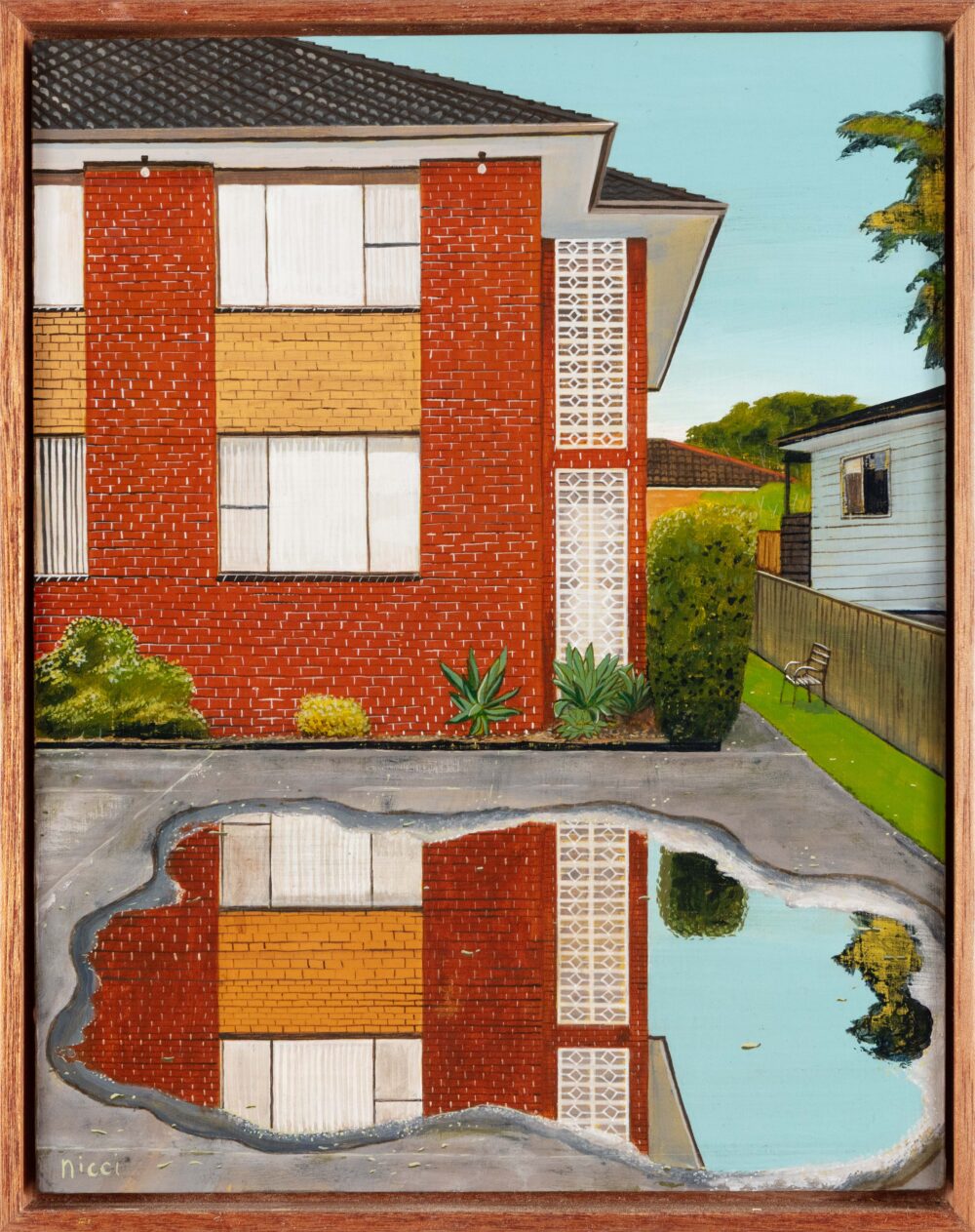
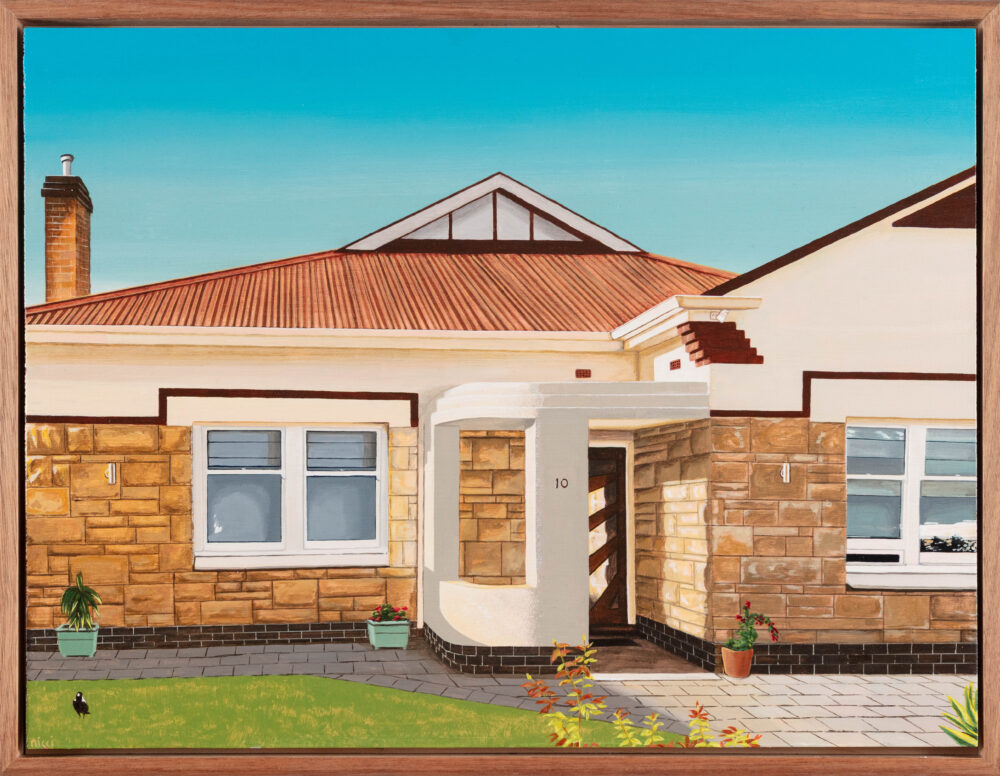
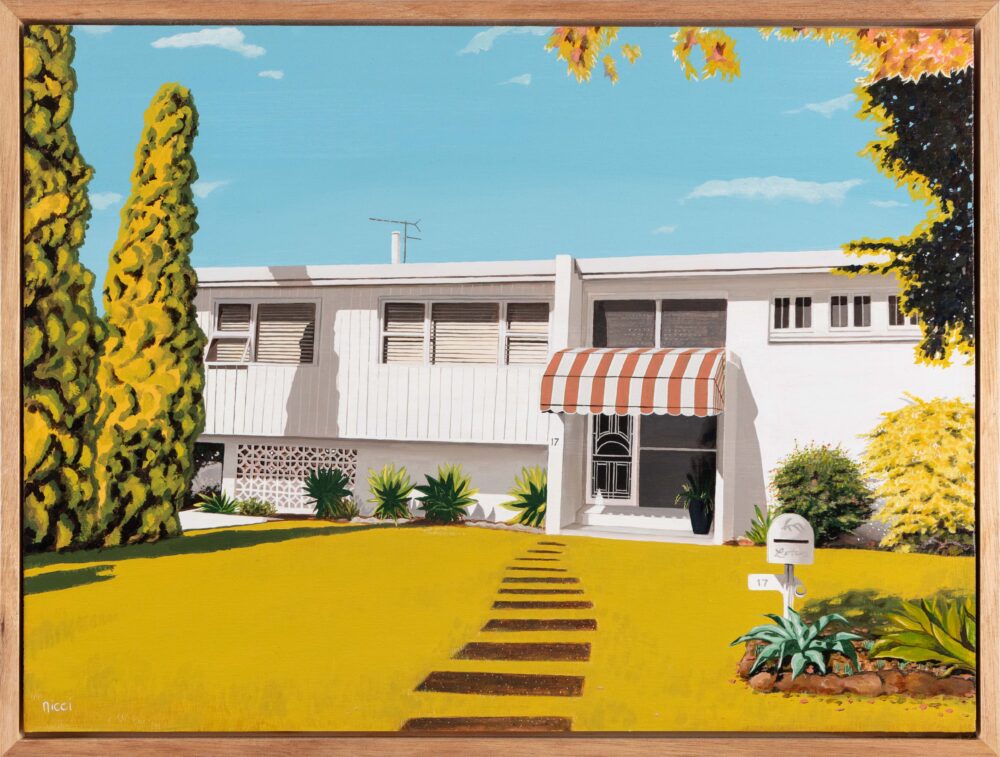
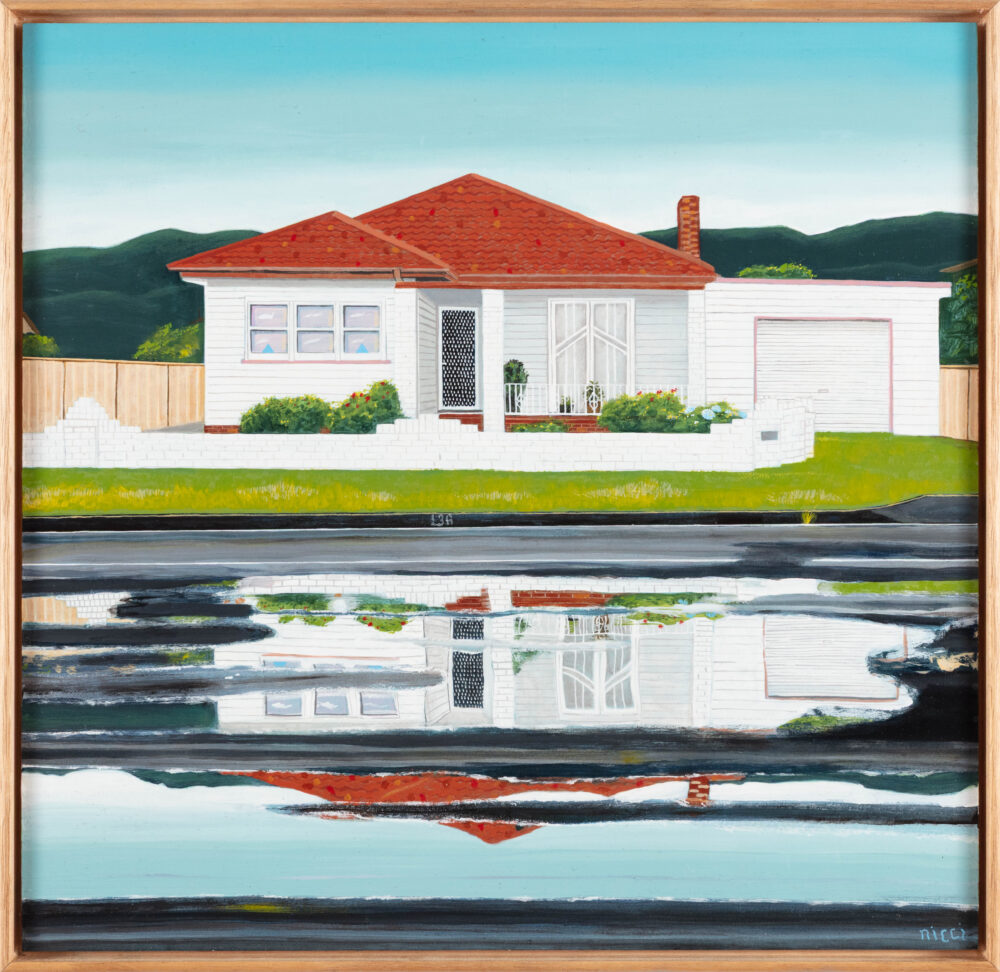
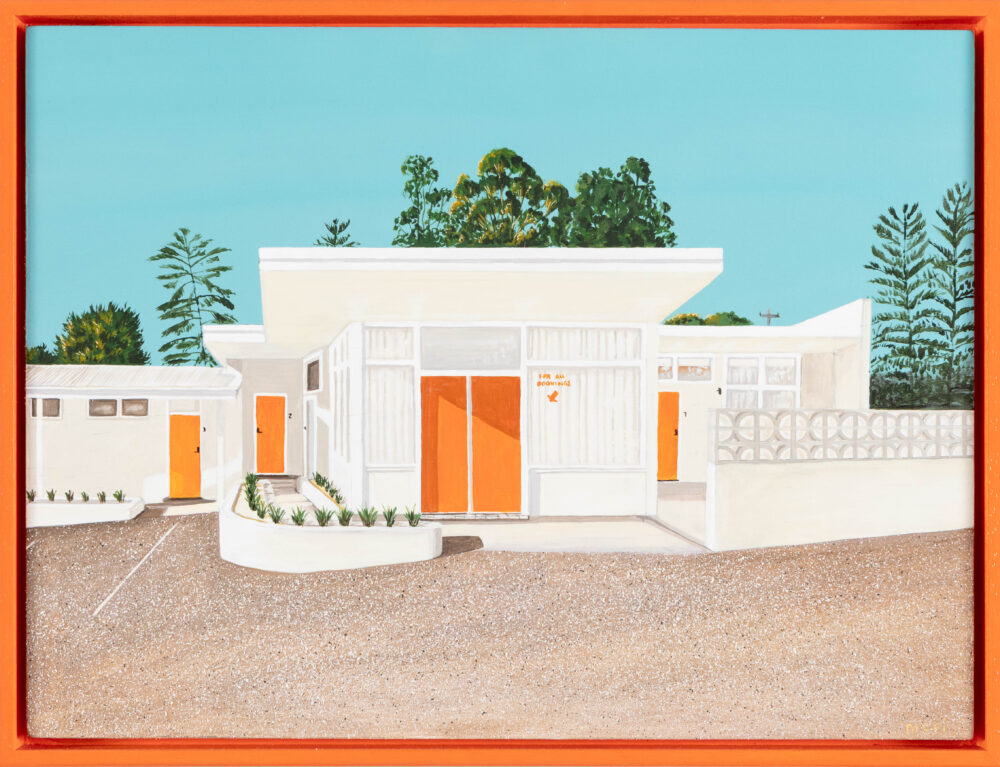
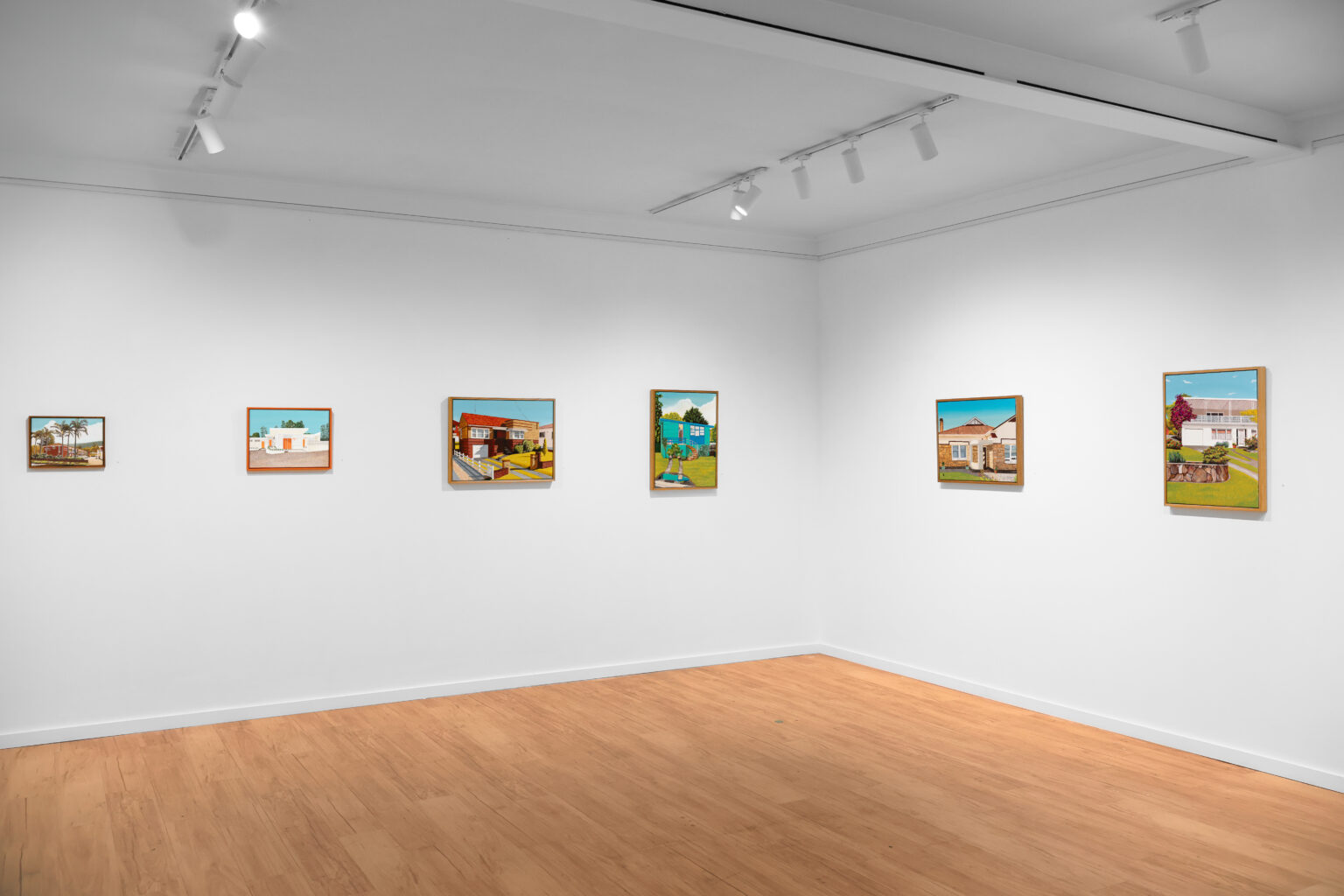
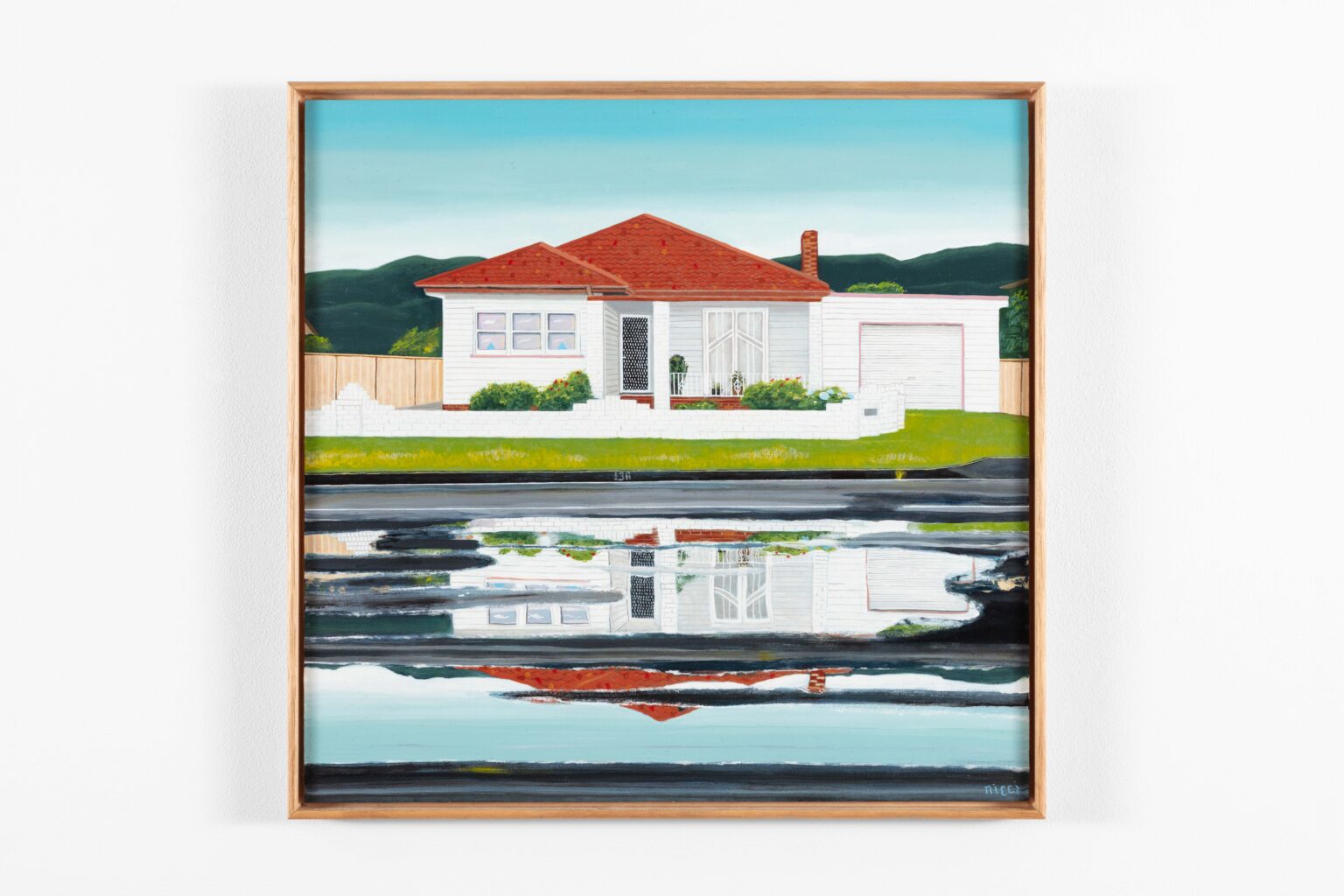
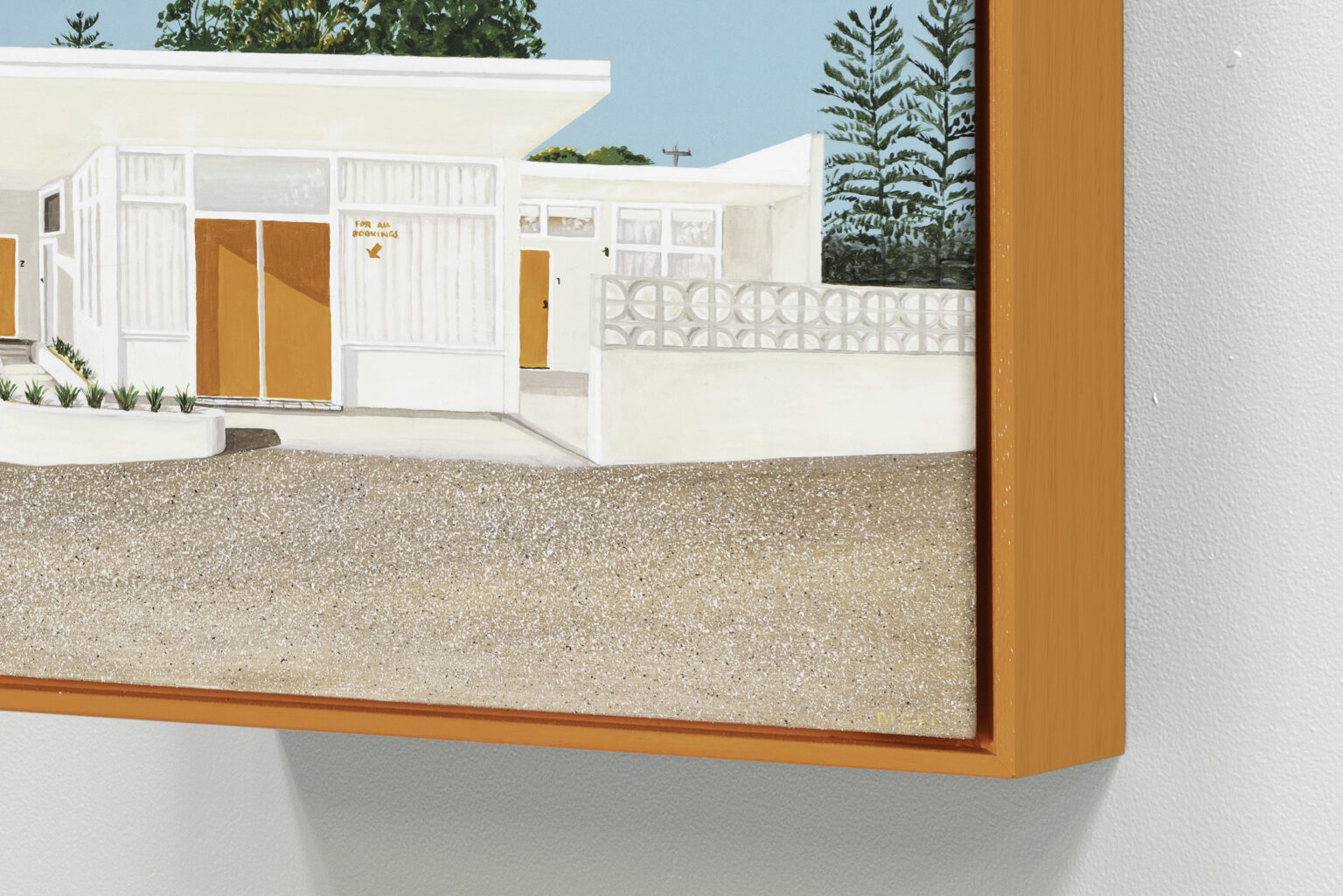
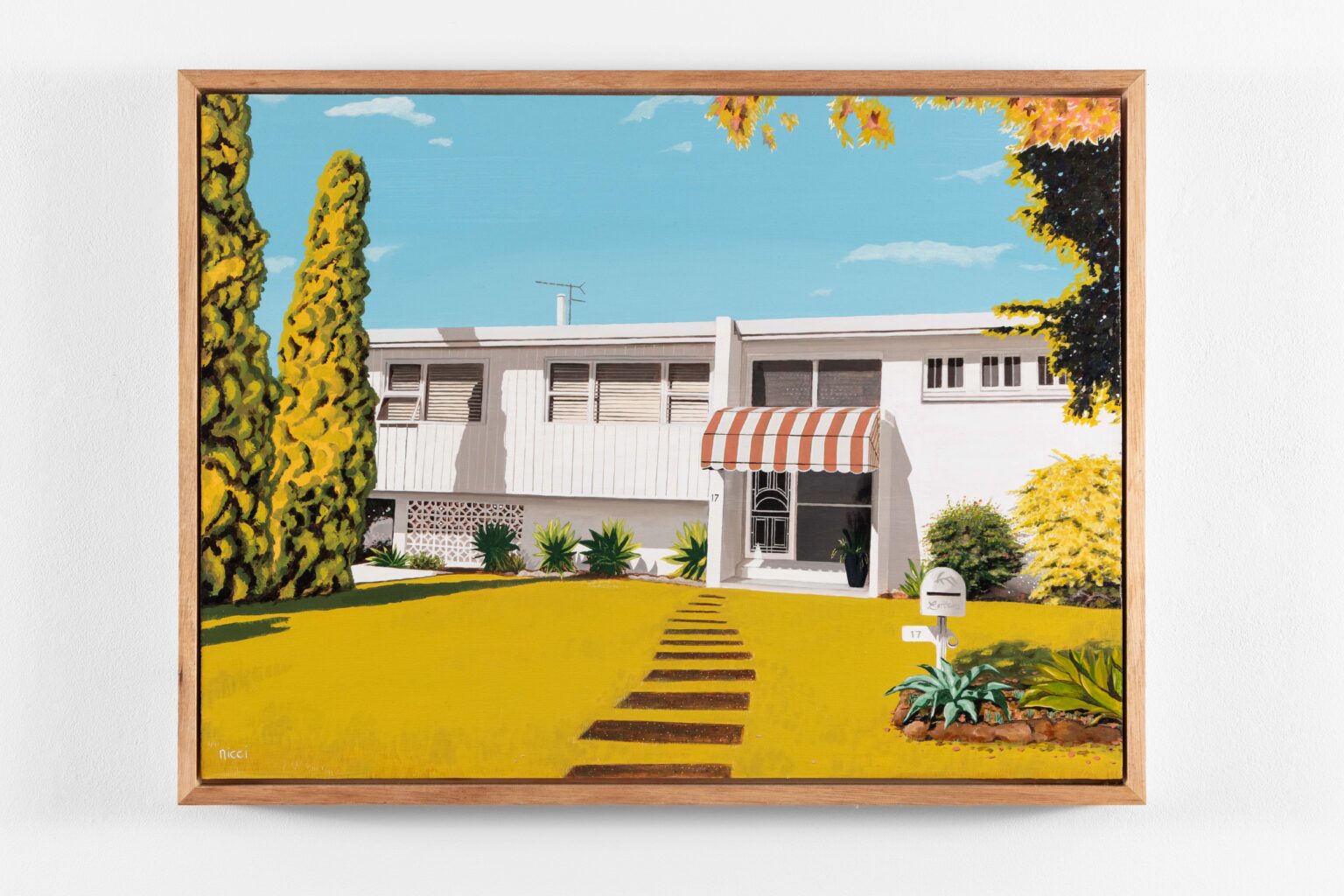
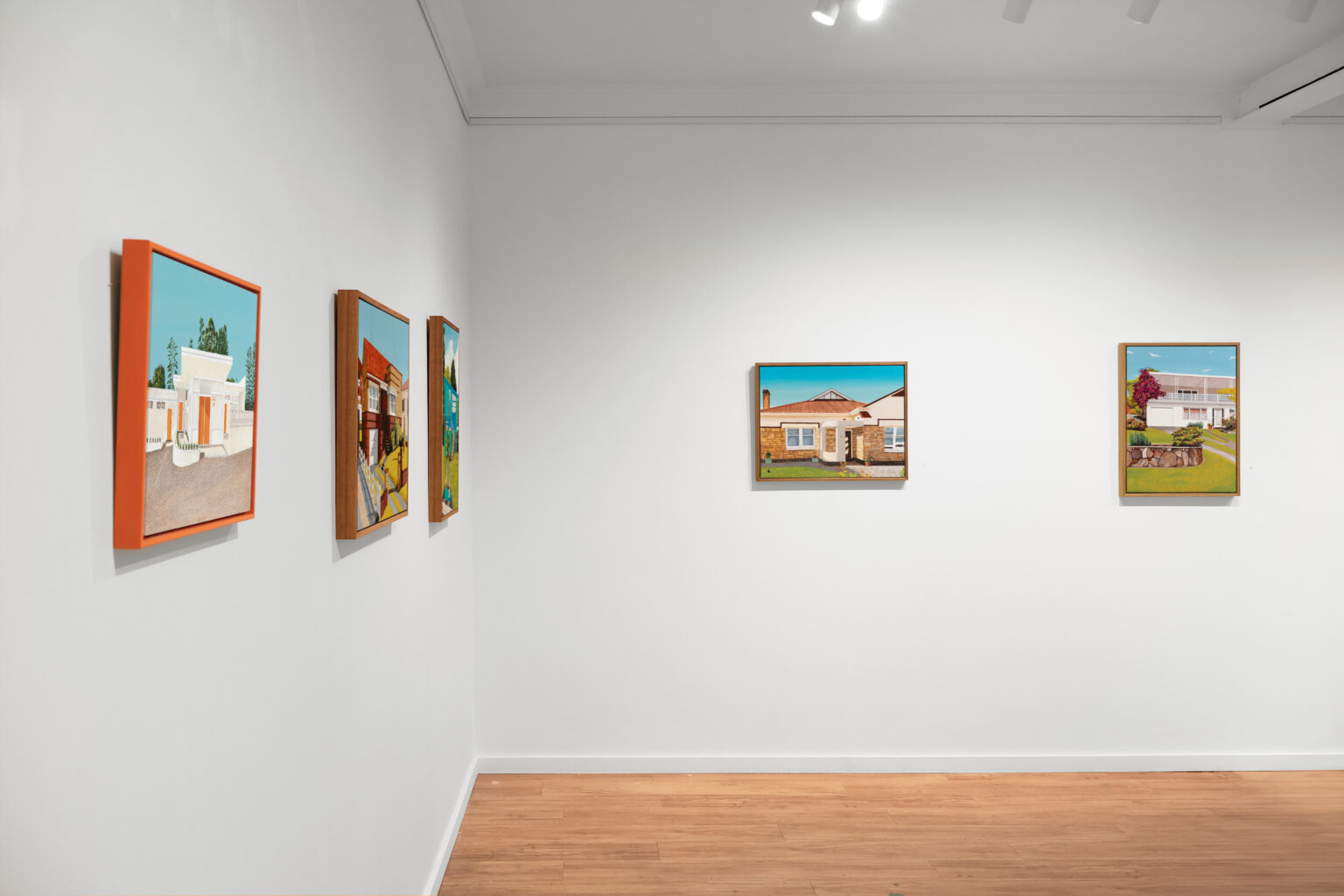
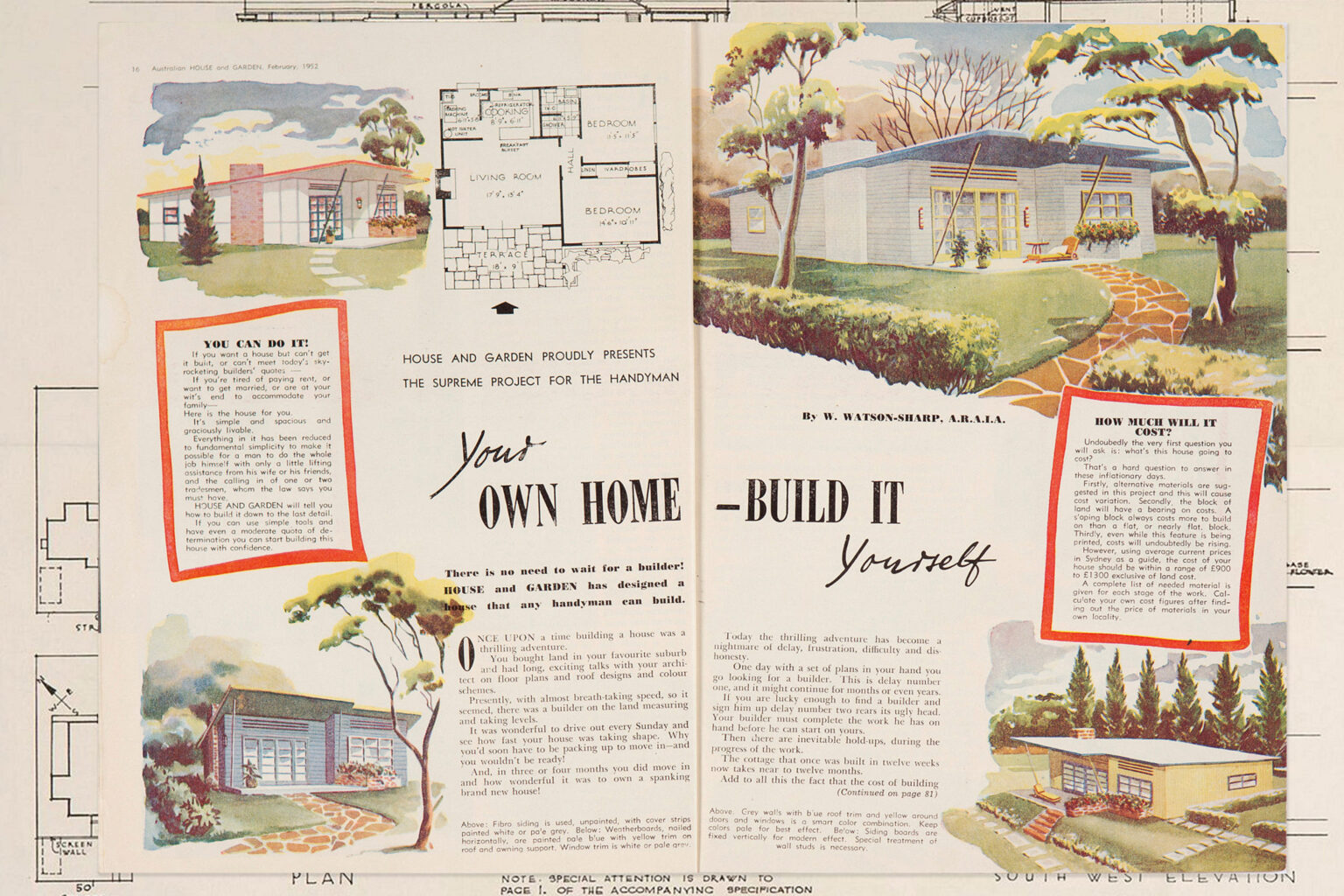
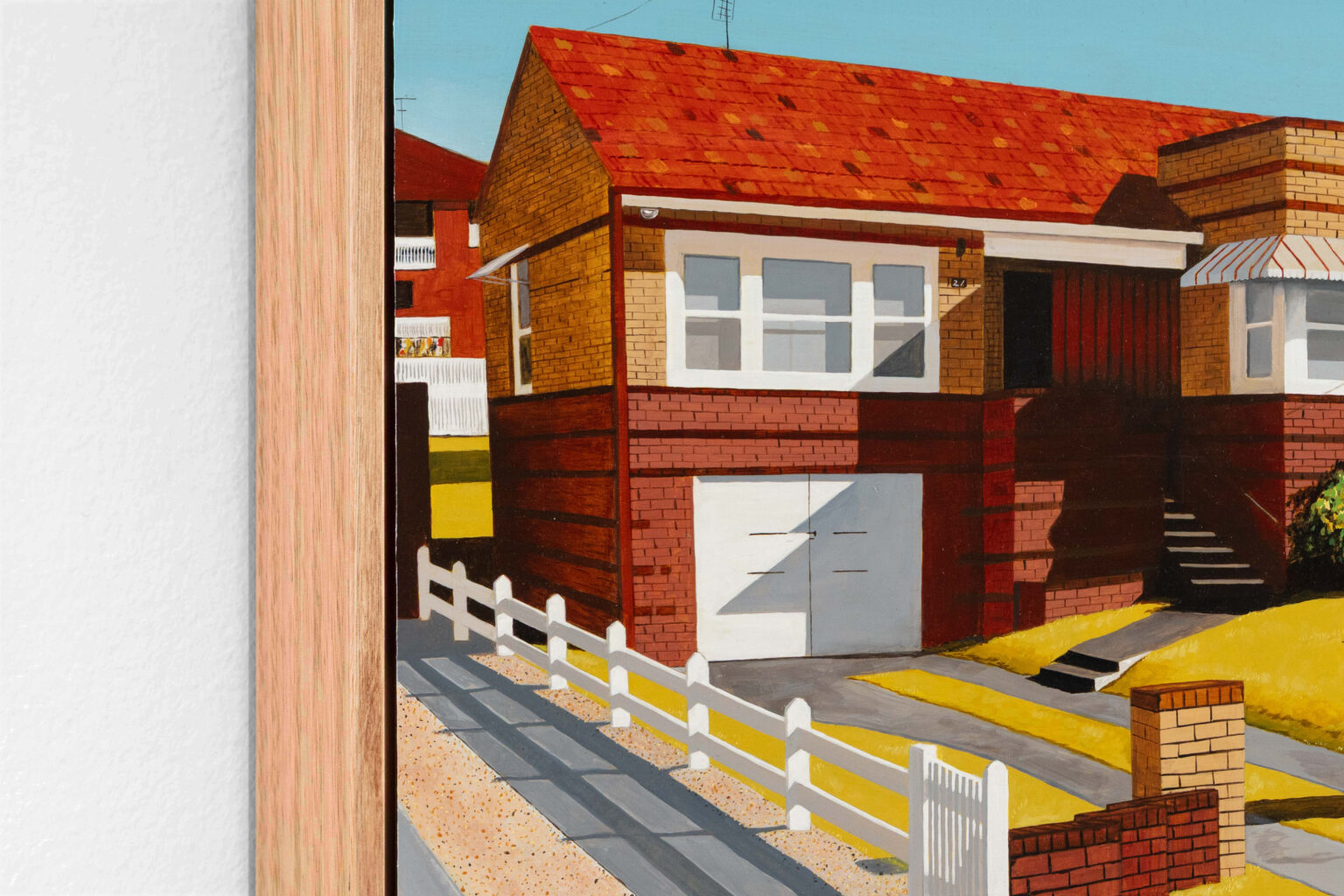
Nicci Bedson’s This Must Be the Place takes as its subject the fibro cottages and brick- veneer homes that came to define the Australian suburban landscape after the Second World War. Thrust up during a time of immense population growth and fuelled by new, inexpensive, and—though not known at the time—hazardous building materials, these homes represented a dramatic shift in the way Australians lived. Gone were the ornate flourishes of Victorian terraces, and the baroque influences of the Queen Anne and Edwardian periods. In their place appeared modest, functional houses: quickly built, box- like, and stripped of ornament. To their detractors they were ugly and uninspired; to those who lived in them they were the settings of everyday life, the backdrop to a new, modern Australia.
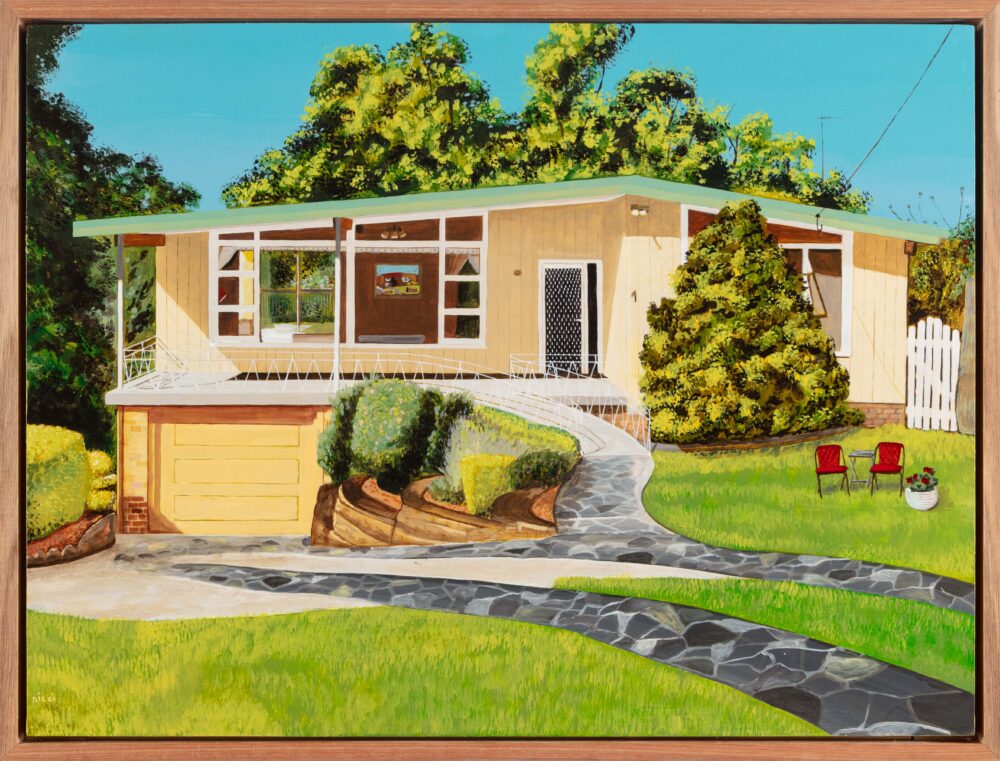
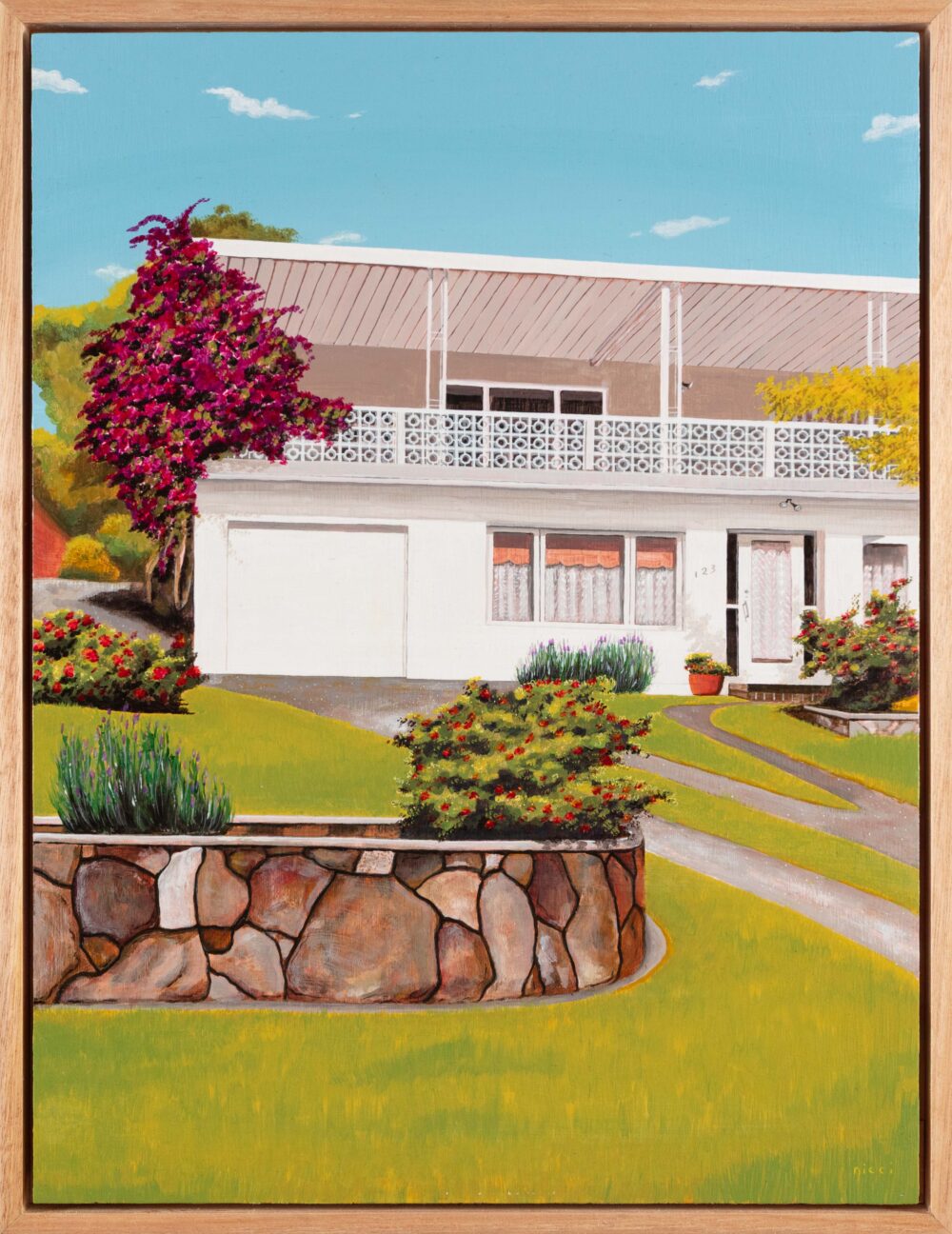
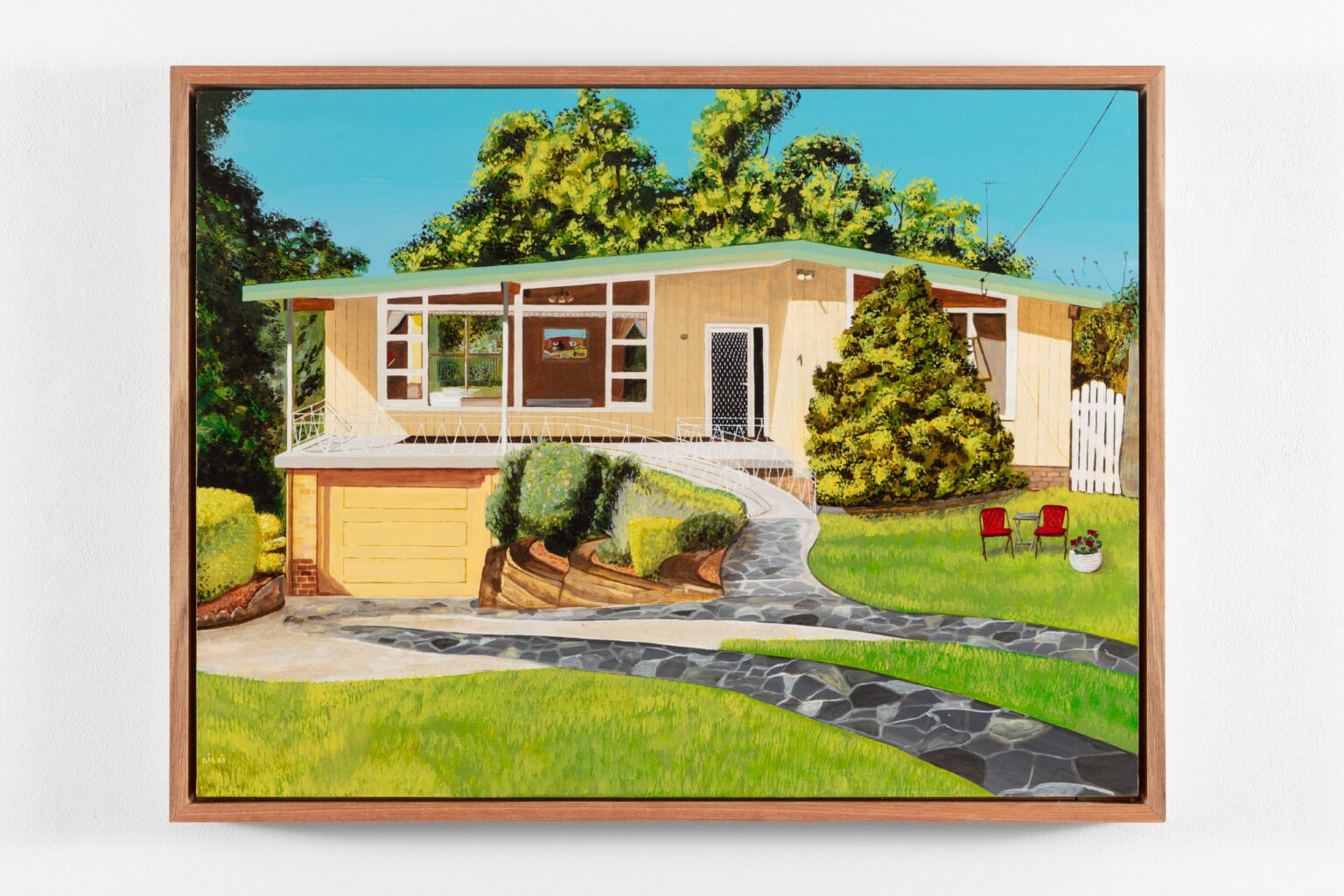
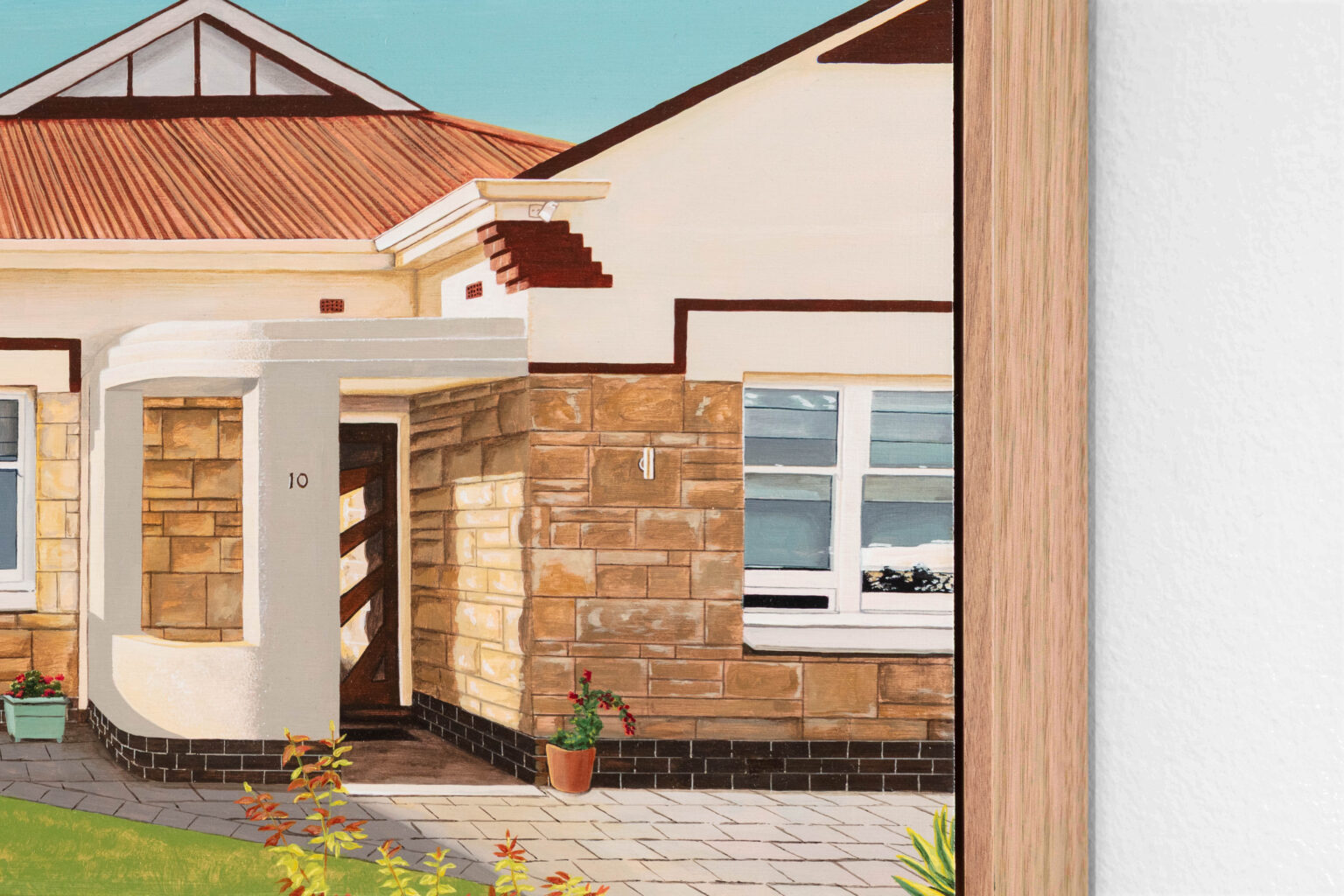
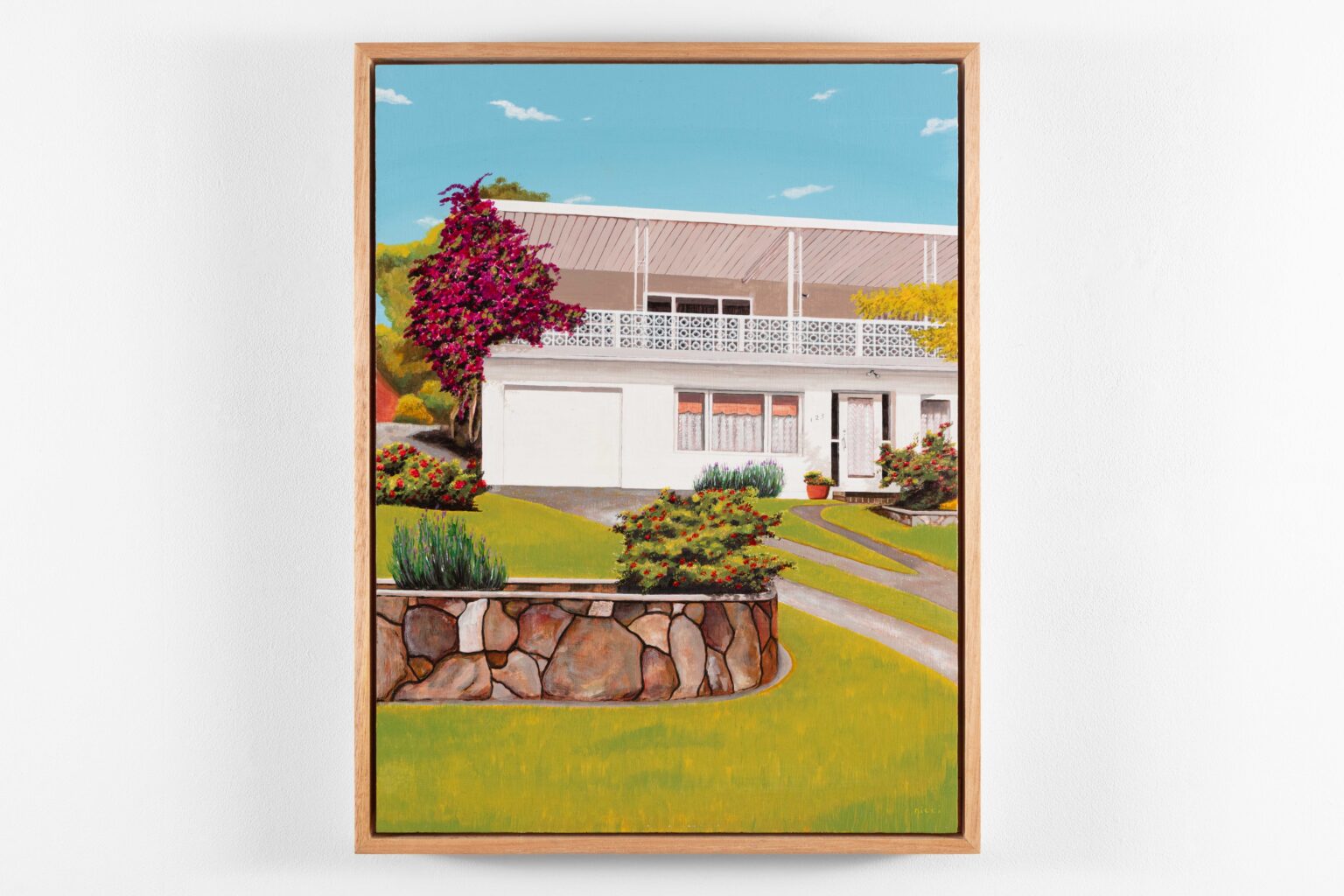
Bedson’s work return us to these streetscapes, imbuing them with dignity and privileged painterly attention. In one, a starkly white, two-storey home sits behind a decorative brickwork balcony, its garage door and lace curtains flanked by bougainvillea and rose bushes. In another, a weatherboard cottage painted in pale yellow lifts itself abovea sloping garden, its path tiled in mottled greys, while two bright red lawn chairs sit expectantly under the shade of a tree. These are not grand houses. Their appeal lies in their ordinariness, their familiarity.
The exhibition’s title—This Must Be the Place—is both a statement and a question. For post- war families, fibro cottages and triple-fronted homes were the place: modest sanctuaries from which new lives unfolded. For contemporary viewers, however, the phrase takes on a double edge. It can express nostalgia, a longing for the world of burnt grass, striped awnings, and hibiscus hedges. Or it can register as elegy, pointing to houses already erased, demolished in the name of progress. Bedson suggests that both readings are true: these homes are simultaneously here and gone, vivid in recollection but vanishing from the physical landscape.
What Bedson’s work ultimately underscores is the persistence of a distinctly Australian suburban experience. Bedson’s houses cradle childhoods: hopscotching barefoot across hot asphalt, chasing oscillating sprinklers, watching summer storms gather from the safety of a shaded verandah. They speak to a time when modesty, optimism, and the dream of home ownership—still deeply embedded in the Australian psyche—structured domestic life. By painting these unassuming dwellings with care and clarity, Bedson elevates them, asking us to reconsider what suburbia means—and to see in it not derision, but belonging.