The Scrutineer xxx

In Conversation: Evan Shipard

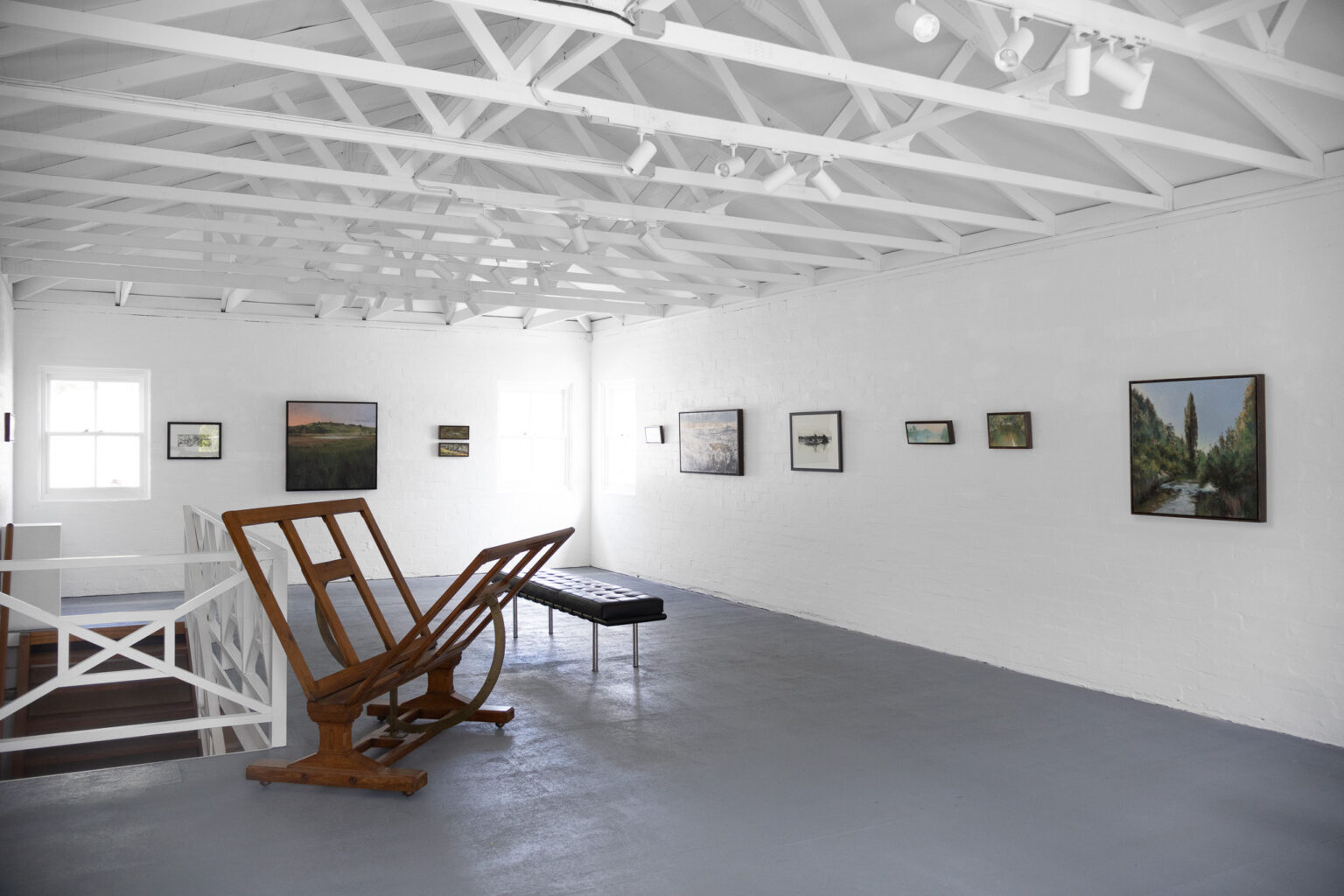
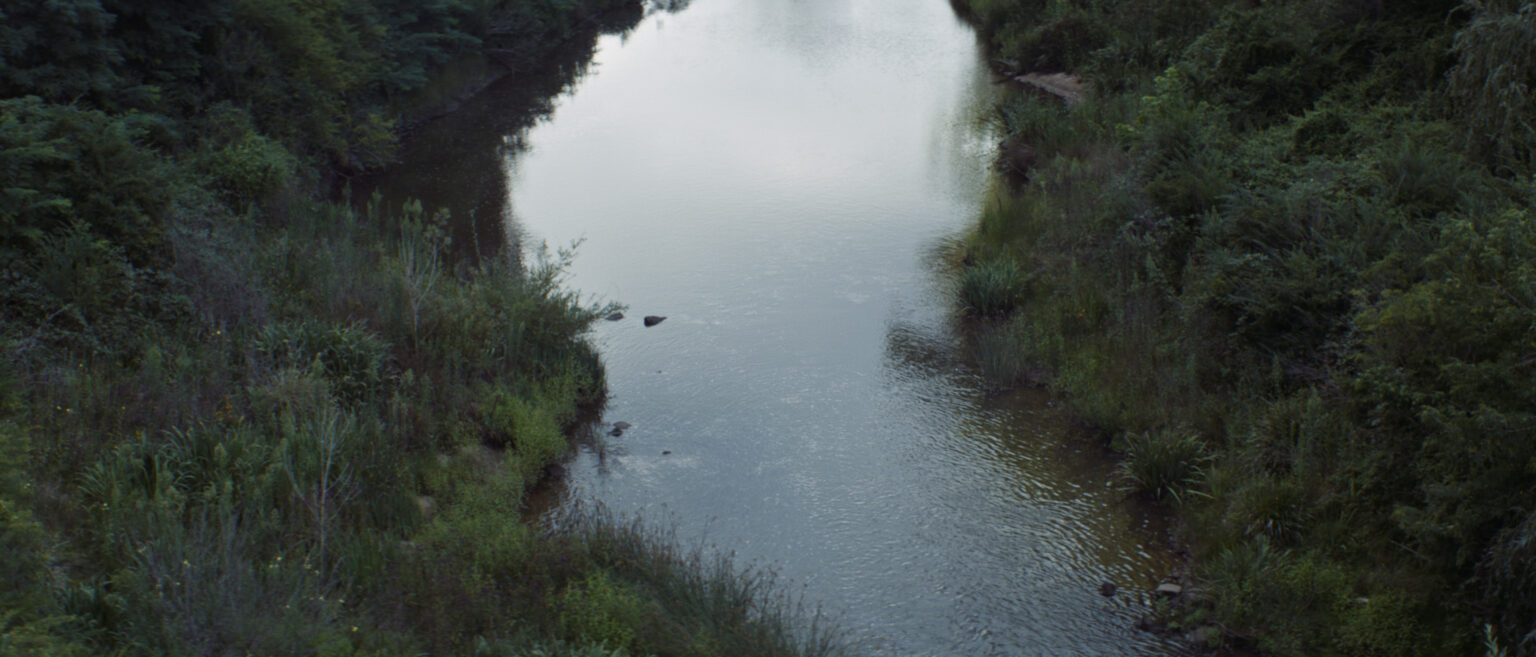
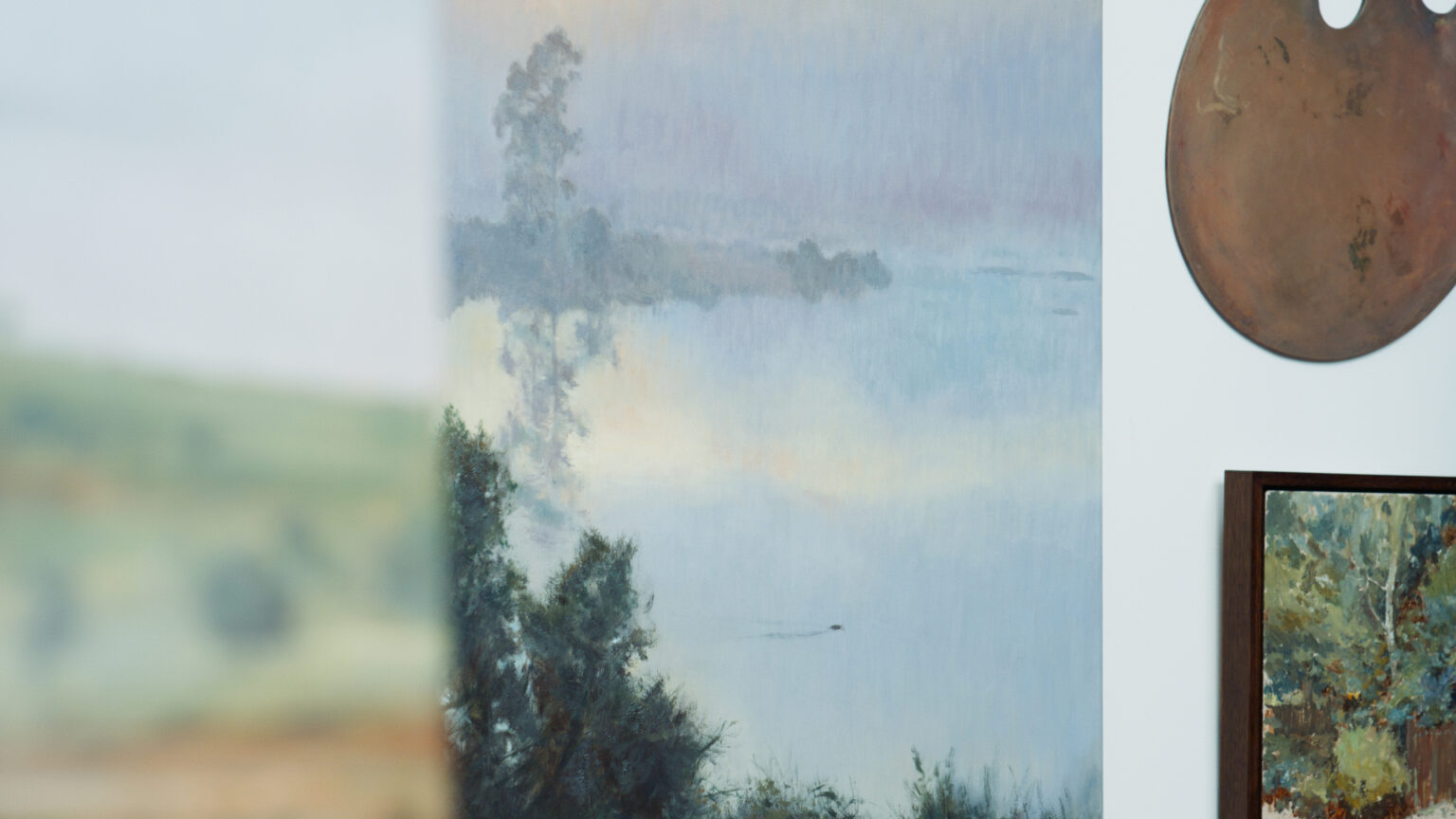
Evan Shipard is an Australian painter whose work is grounded in sustained observation of place. Working en plein air, he returns repeatedly to the Southern Highlands — to the Wingecarribee River at first light, to mist-held paddocks and stands of trees rising through morning fog — tracing the subtle shifts of light and atmosphere that define the region.

In 2025, Shipard was selected as a finalist in the Archibald Prize, placing his work within one of the country’s most closely followed painting awards. His debut collection with Michael Reid, La Prima Luce, marks a return to landscape following this recognition.

Shipard’s practice sits in dialogue with the lineage of Australian Impressionism, particularly Arthur Streeton and his circle. Like Streeton, Tom Roberts and Louis Abrahams, he returns to the same sites over time, building an understanding of landscape through repeated observation. Coming from a background in film — where defining the establishing shot was often his role — the instinct remains cinematic, though the resolution is painterly.
“The Highlands never ceases to inspire — the seasons change with such splendour and there is always an evocative quality to the place, especially in the early morning light or the fading of golden hour into dusk. It whispers timeless melodies from the winding Wingecarribee to the remote trails, waterfalls and wetlands.”

Read our interview with Evan Shipard below. To receive early previews and priority access to forthcoming work, please email willkollmorgen@michaelreid.com.au

What compelled you to paint the landscape in particular?
~
Coming from a background in the film industry I gravitate to the wide, cinematic establishing shots. My role was often to define these. When it comes to painting, the landscape is a natural progression from this. I’ve been inspired by so many past painters that represented these evocative landscapes- the Australian Impressionists and of course George Lambert’s early work and very cinematic ‘Across the Black Soil Plains’.
~
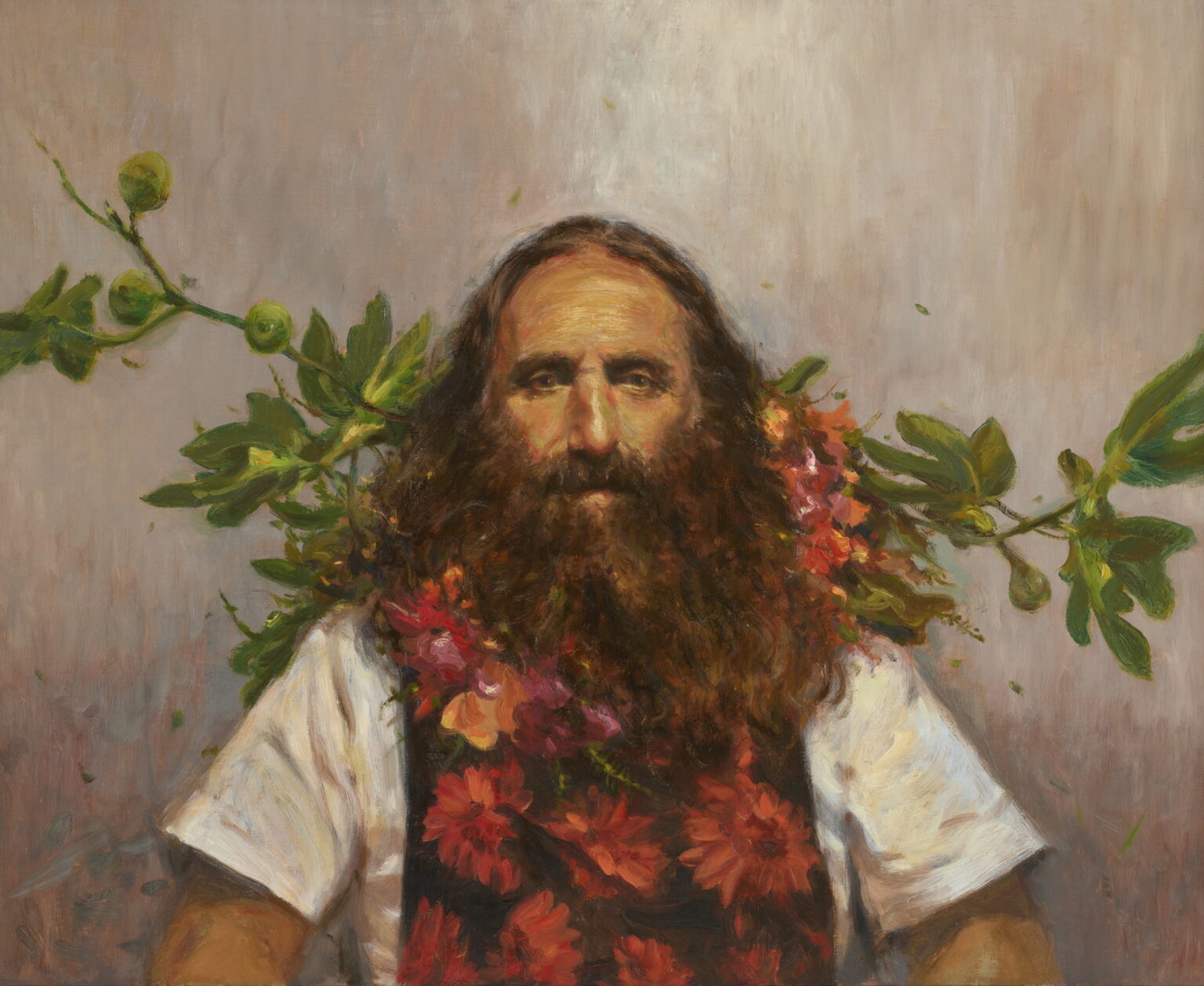
Where, in your view, is the tether between landscape painting and portraiture? How does one genre inform the other? Are there differences in your approach and critical thinking?
~
I see the figure or portraiture as its own landscape- a topography of flesh. Light is king in this realm and I treat both subjects equally. Attempting to capture an emotional aspect of a landscape is the same as trying to represent a deeper aspect into one’s personality in a portrait. Painting on the land is a dialogue between the artist and the environment. An ever changing push and pull subordinate to nature and what it has in store. Painting a portrait is also a dialogue, an actual conversation- opinions, insight, friendship and hopefully one does justice to representing that individual. I do think there are elements of one’s self in portrait painting- there is always somewhat of a spark in there of the painter, sometimes more than we would care to admit.
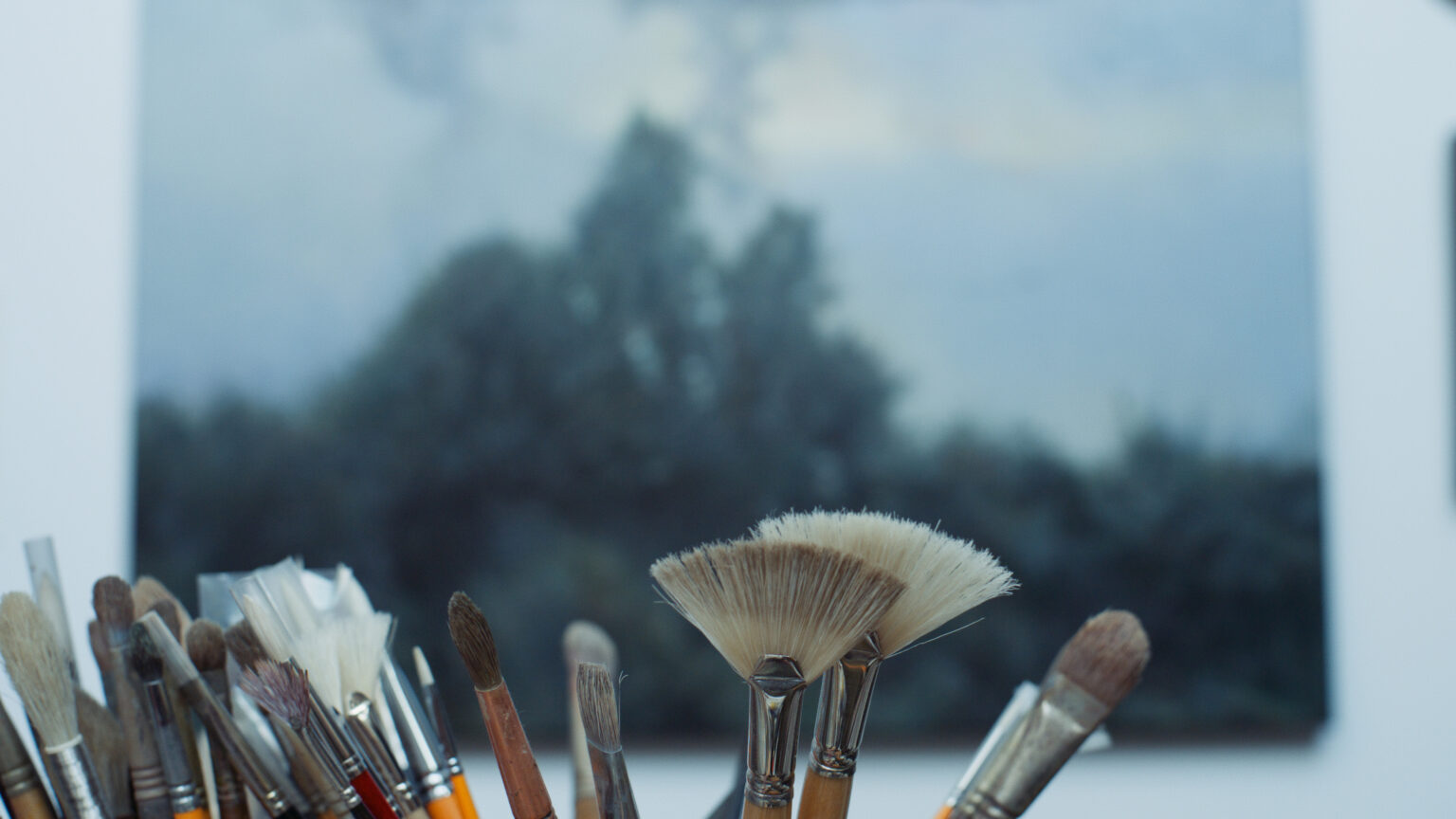
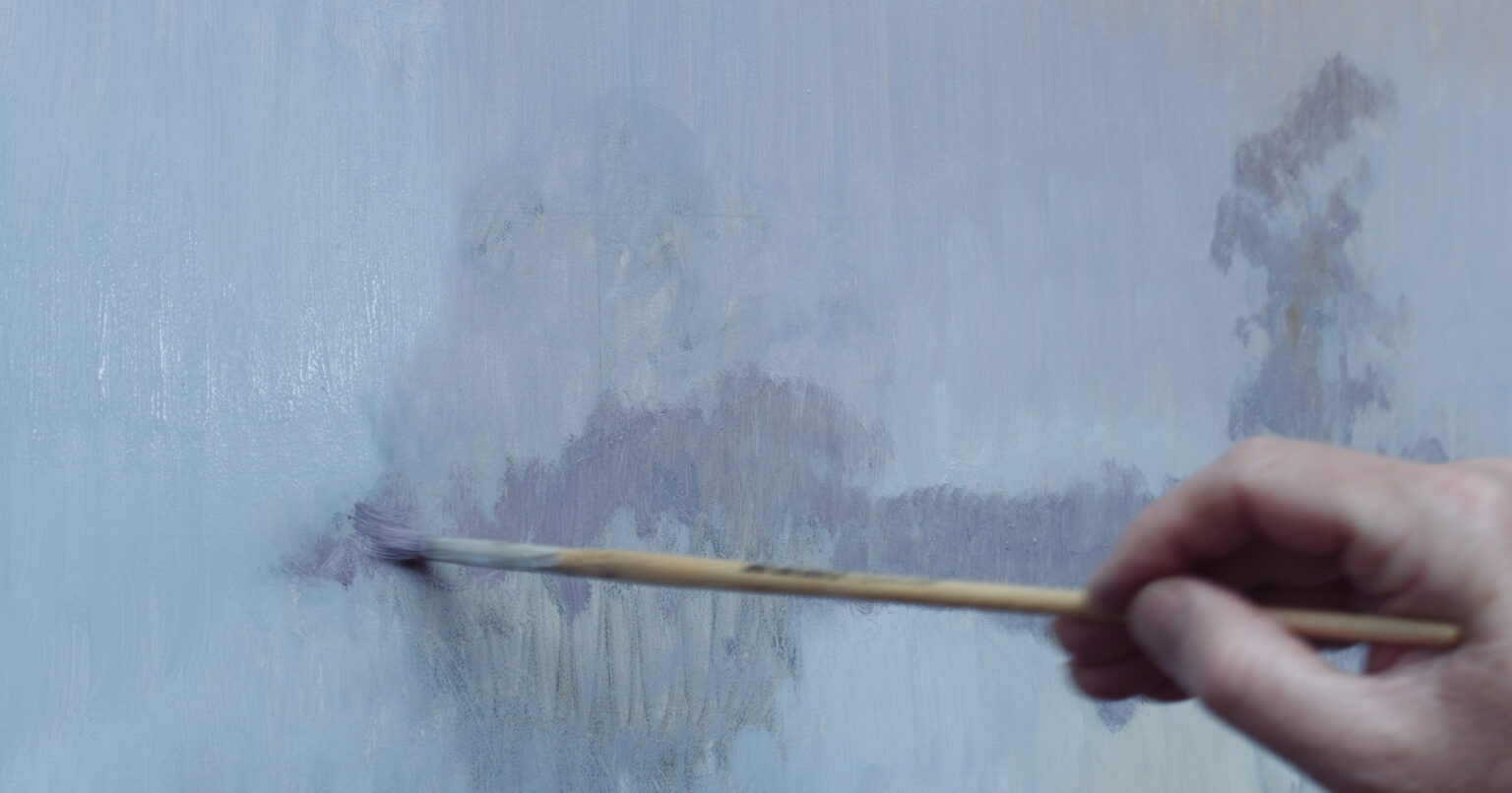
What is plein air painting? What does immersion in the landscape unlock for you that studio work might not match? And then vice versa — where do you see the value of studio work, and time spent away from your source?
~
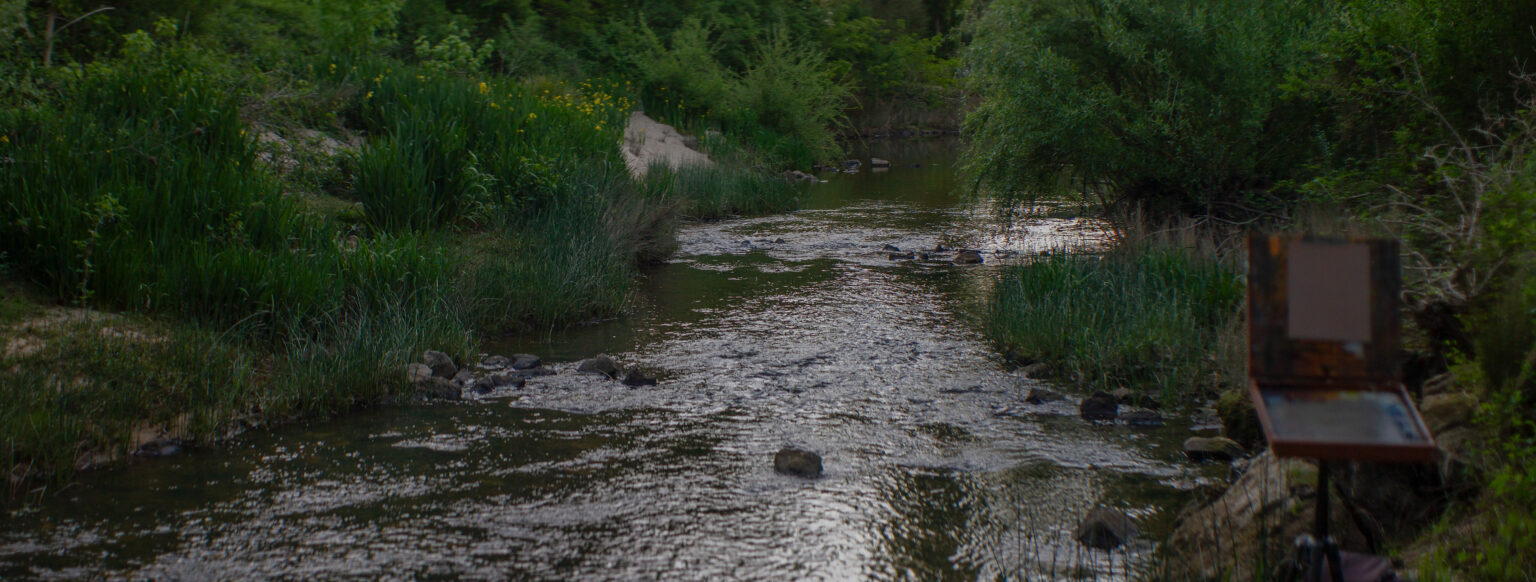
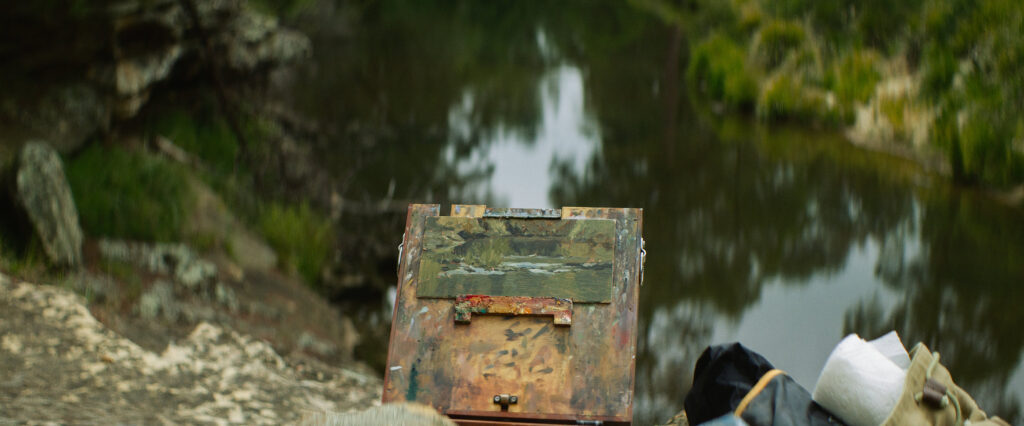
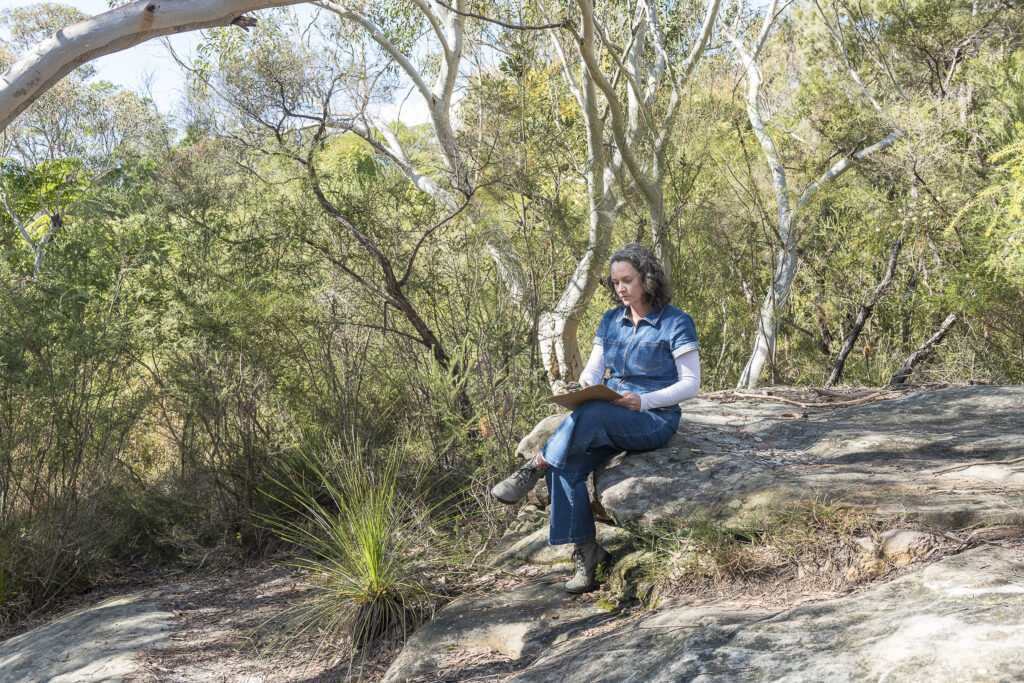
The traditional of painting en Plein Air comes from 19th century France with the advent of portable tools and paints and is associated with Impressionism. Rather than sketching and resolving in the studio the moment and experience is captured in the landscape. A sense of truth can be accessed by the painter, a truth revealing the moment, but also a personal imprint of the sounds, the smells and the emotions that accompany that piece of work, a dialogic exchange between self and site. Each brushstroke becomes a record not just of sight, but of being present. It is not without it’s frustration but I find it a sacred practice in understanding the world around me. Studio work can be more considered and controlled, insulated from the whims of nature and weather.

Can you recount the first time you came across the work of Arthur Streeton and that generation of Australian Impressionists? Was it during a visit to a gallery — perhaps in a textbook? I’m interested to know when this first encounter occurred.

~
Streeton has always been in my periphery. We are so lucky to have much of his work on display between the Capital Cities. I can’t remember a first contact moment but aside from his prodigious representation of Australia when he he considered Sydney “beautiful… all glowing and oriental” his captured light, brushwork and bravura in his painting was something that stood out. When viewed up close you can see the decisions made, the underpainting, the over painting of forms, trees and the narrative elements he used. The classic 9×5 cigar box panels has such an impact on me. I read his letters fondly, the camaraderie with a unique group of creatives, the artist’s camps and painting en plein air all inspires my work. His notes and letters are very relatable to a contemporary audience and the friendship he shared with Bulldog (Tom Roberts) was something all artists would love.

You distinctly feel the magic of the Southern Highlands being celebrated in your work — the sublime, misty mornings as the sun comes up. What exactly is it about this landscape that draws you to it time and again?

~
It is magic. The Highlands never ceases to inspire- the seasons change with such splendour and there is always an evocative quality to the place especially in the early morning light or the fading of golden hour into dusk. It whispers timeless melodies from the winding Wingeecaribee to the remote trails, waterfalls and wetlands. The cacophony of birds and the bubbling waters paint a picture of a landscape this is dear to me and feels so very familiar.
Can you explain the impact that placement in the Archibald prize had on your work and your career? How has it changed you as a painter?
~
Portraiture has always excited me. It can allude to a deeper insight into a sitter, capturing something that perhaps others miss and this can have a profound effect.  I am so very grateful to be recognised in the Archibald. Meeting fellow artists at the events in the capital cities and regionally has been amazing and seeing my work hanging in some the finest galleries in Australia has been exciting. It has been so lovely to be recognised in this way.
How would you describe your painting style in your own words? What are the signatures of your work? 
~
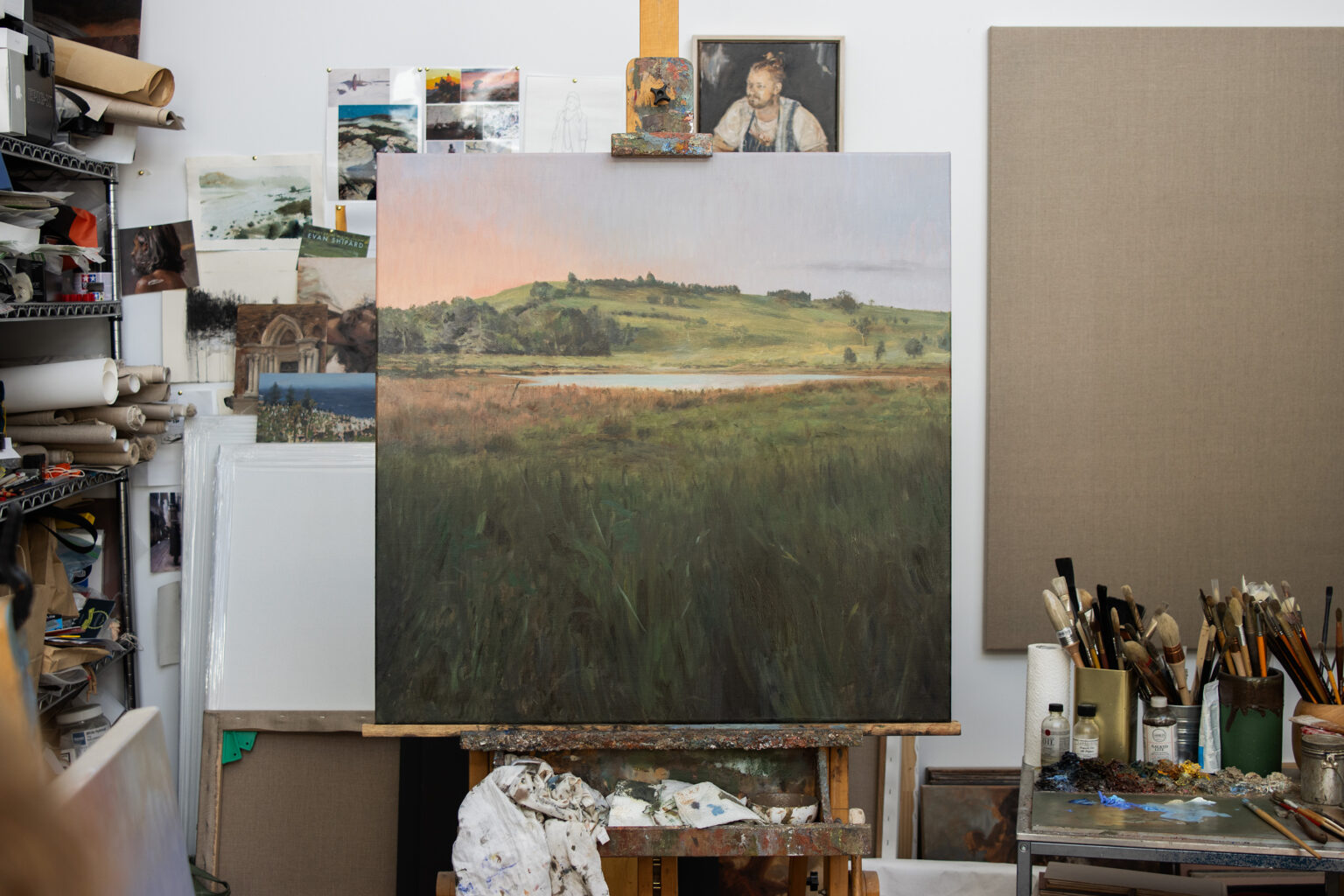
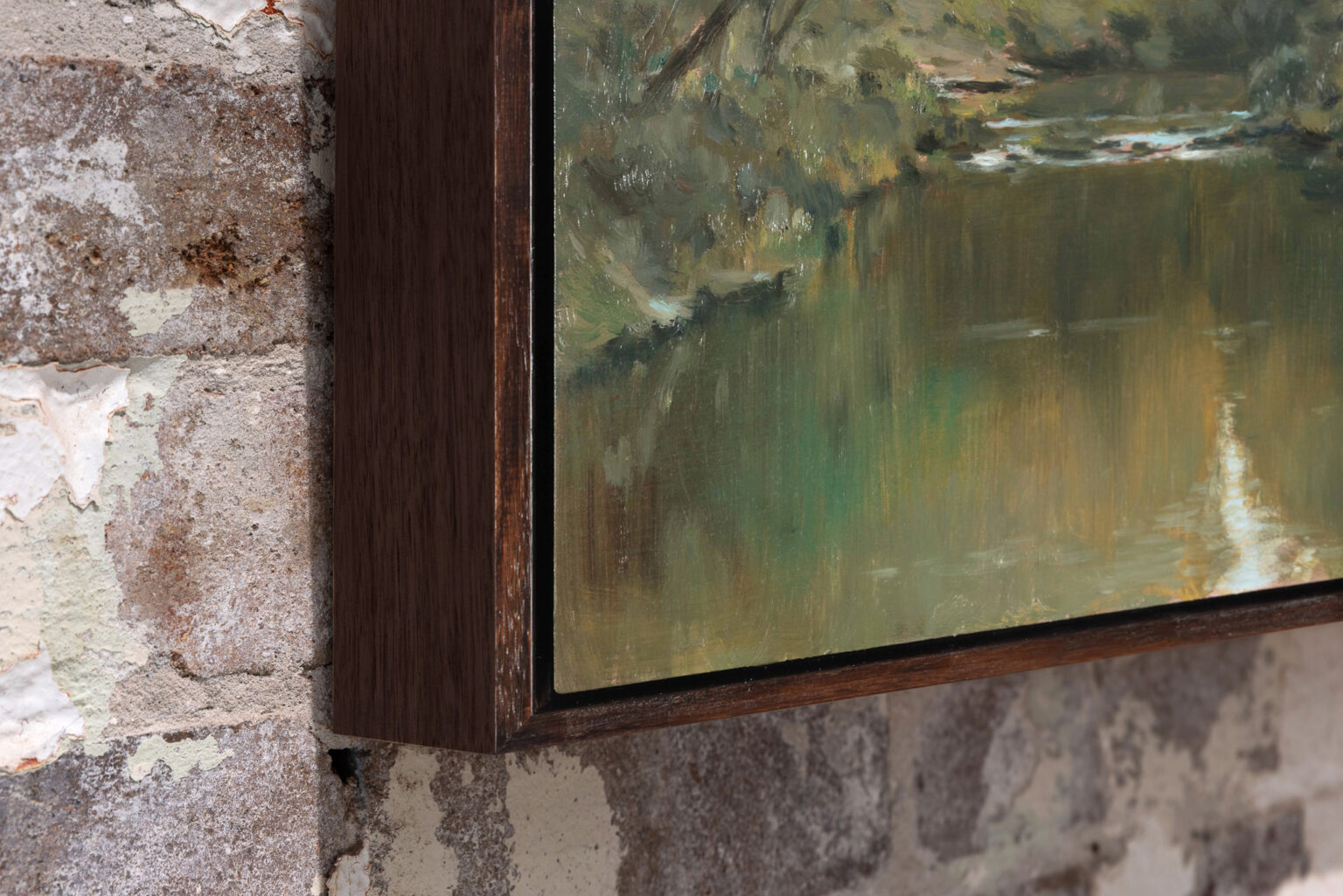
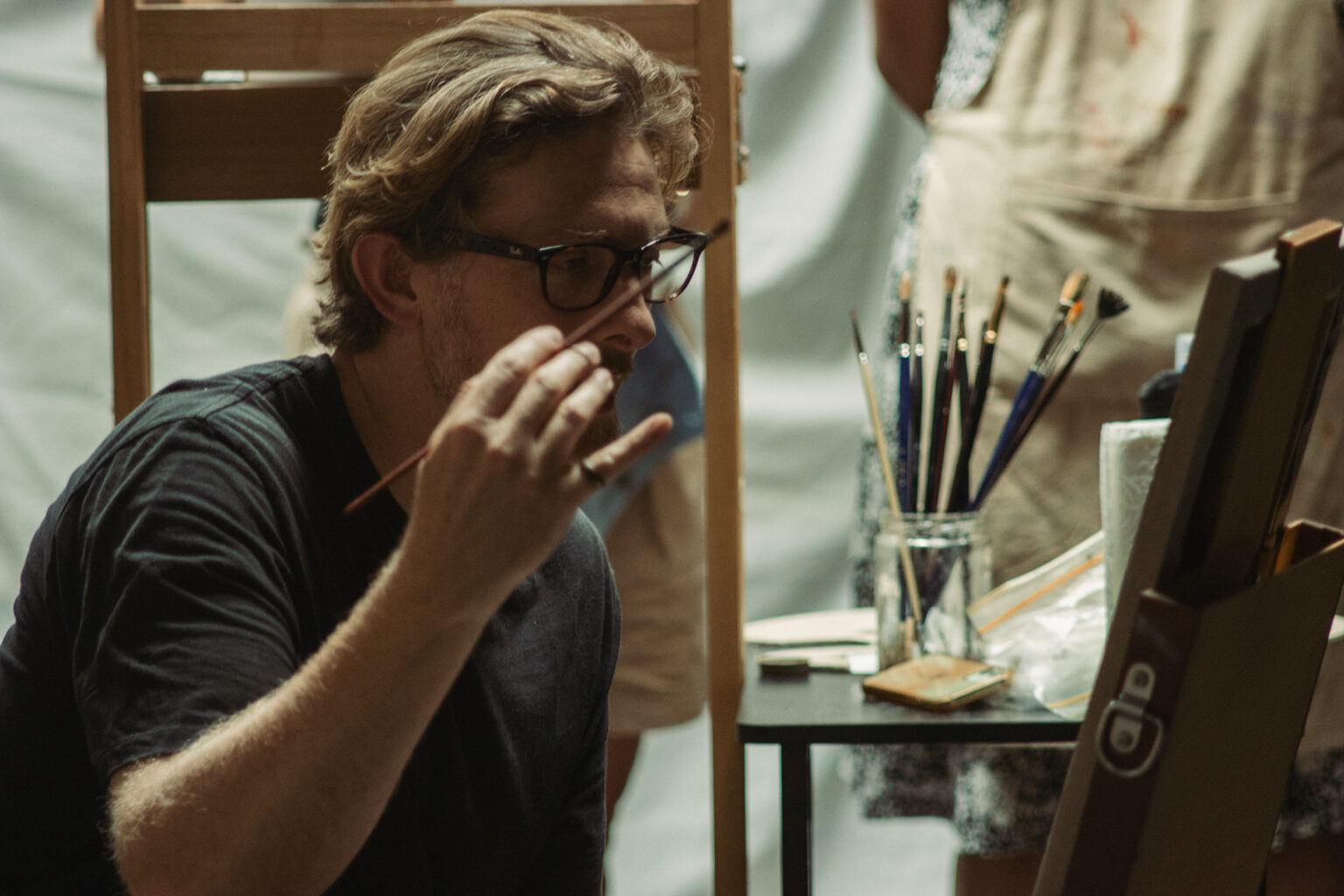
My work is representational and I see it as a coming together of craft and ideation. Over the years I’ve worked with so many different mediums but oil paint has excited me the most. Its a sensuous medium that can be controlled and refined but still has a dynamic, sculptural quality to it. As a viewer I love to see the paint quality, the weight, the texture and brushwork that indicates the labour and resolves in an emotional idea. My painting style is influenced by so many that have come before me and I see it evolving, searching ultimately for my own pure authenticity.
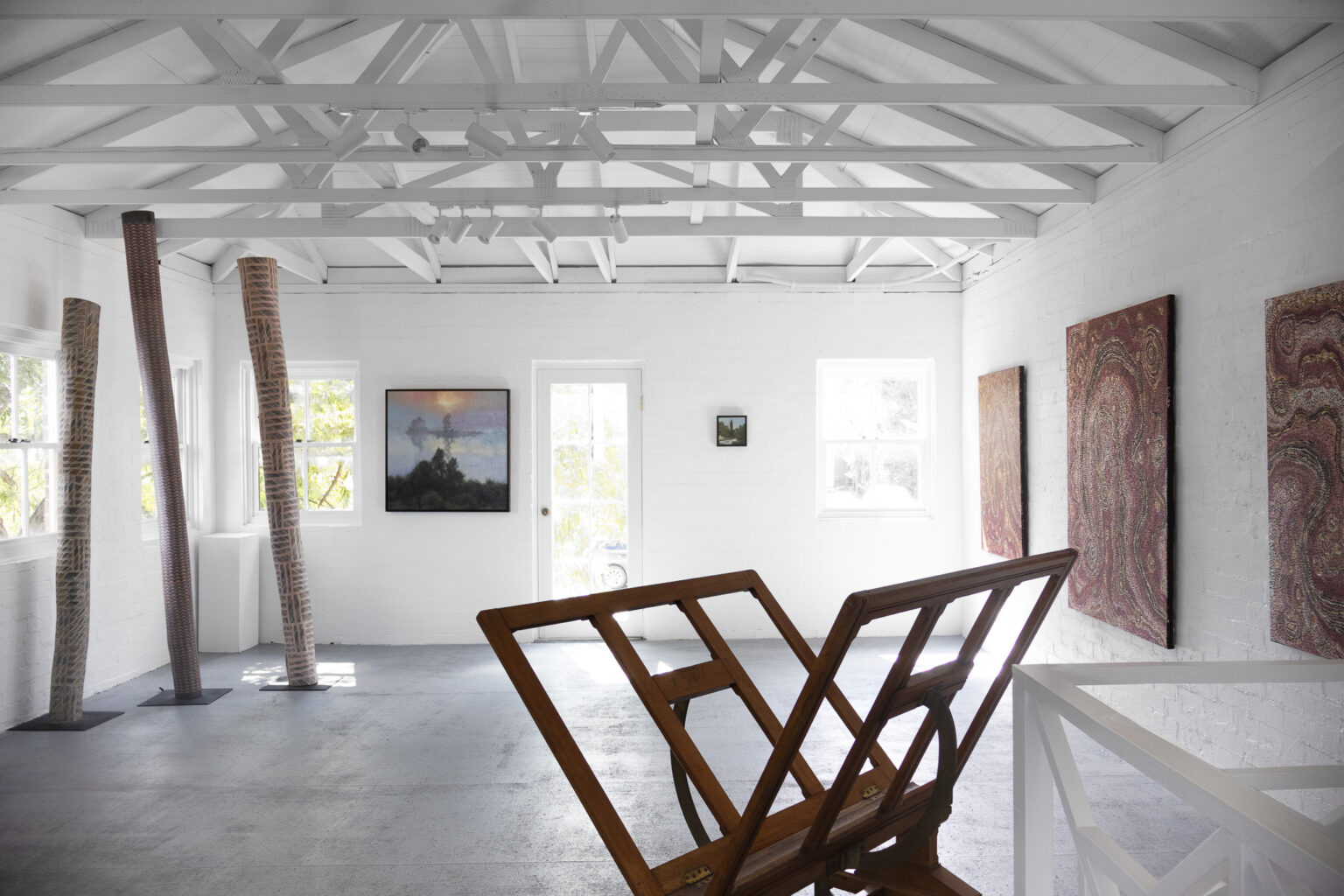
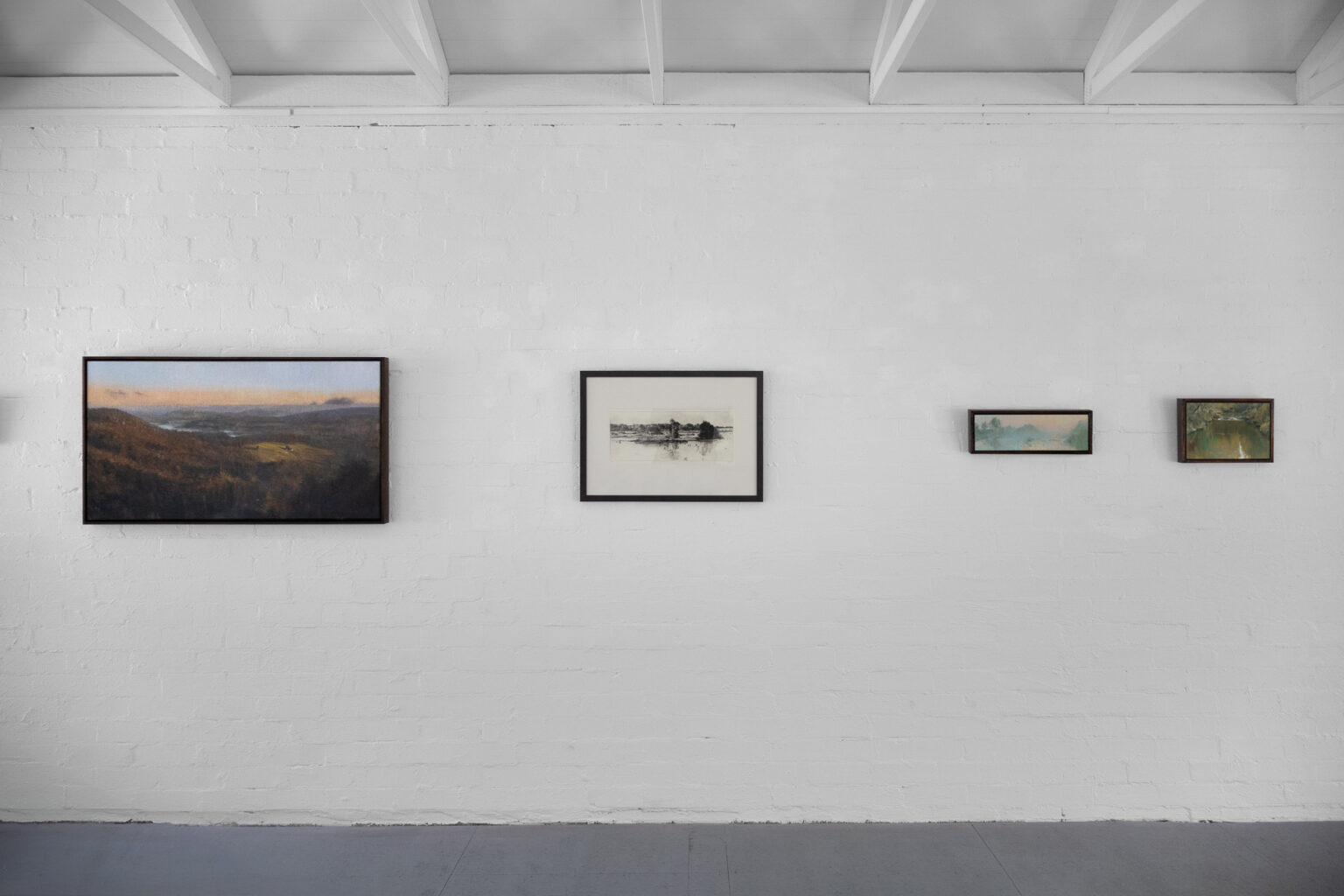
There are three branches in this show: large-scale, closely resolved pieces, looser, plein air studies and finally intaglio prints. Can you tell us about the marriage of all three?

~
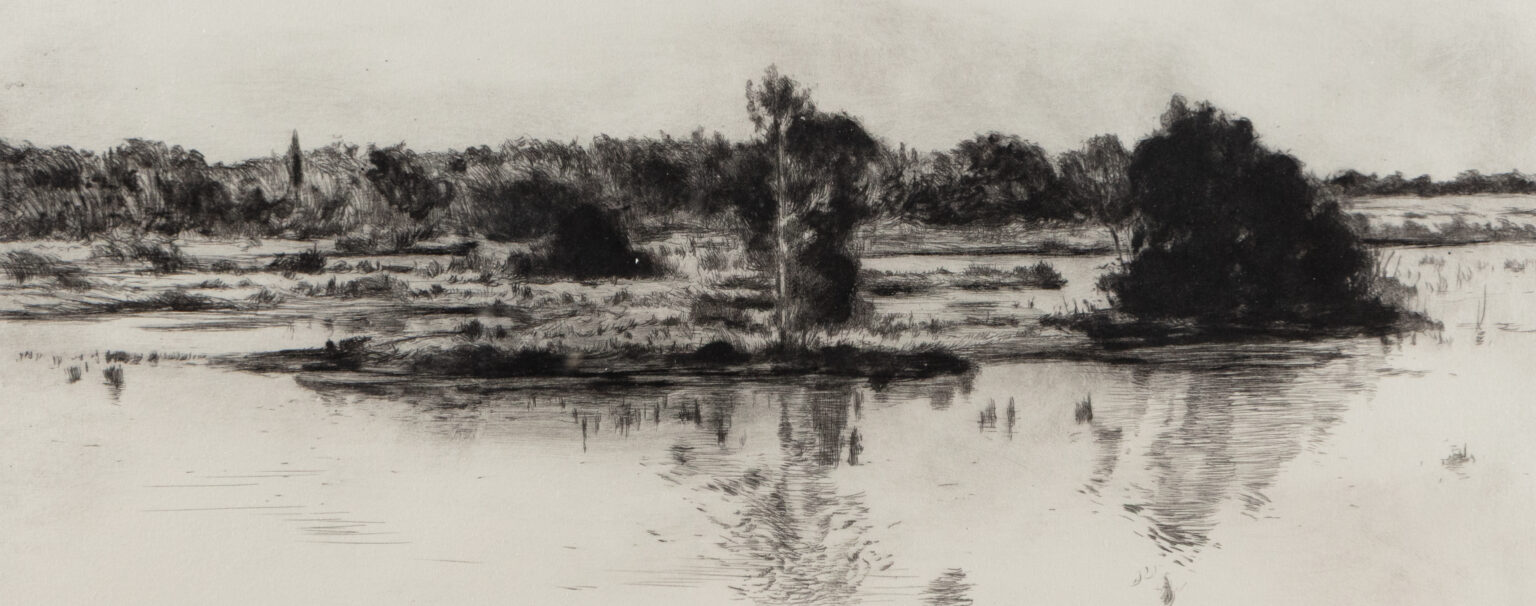
The three approaches support one another and form a sturdy base to perceive the work. The en plein air work is very authentic- moments and ideas caught in the environment- fleeting and true. The intaglio work is reduced to black and white- the simplest form of representation, the most graphic and almost a survey of the locations. From these two legs the larger studio work takes form exploring a more calculated representation with careful attention to the composition and idea.
~

How do you see ‘La Prima Luce’ fitting in with, and following on from, your work to date – and how might it point to further work to come?

~
Rather than a bookend of work in the Highlands I see it as a bridge to further explore the region. All the works are named after lines from Milton’s Paradise Lost and I like the spiritual parallel that this evokes. This series of works feels more contemporary to me with some more graphic compositions and aspect ratios however I would like my work to have a timeless quality. La Prima Luce- the light is momentary and we are always chasing it in the landscape.
~

Join our mailing list
Interests(Required)
This site is protected by reCAPTCHA and the Google Privacy Policy and Terms of Service apply.